ArticleGameDiscoverCo
How Have the Genres of Hit PC Games Changed Since 2021?
25 Aug 20261 pages~11 min full read
Key insights
6 slides
The big picture
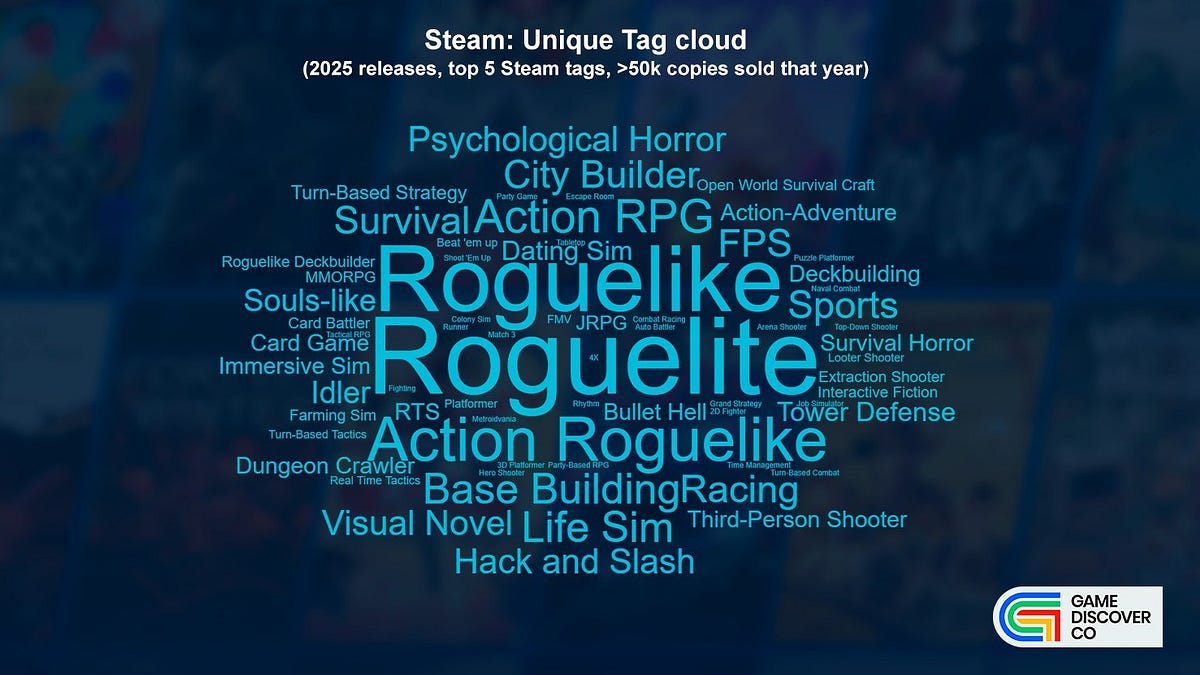
Roguelite and Roguelike genres have seen massive growth in popularity on Steam.
They moved from under-utilized tags to the top two positions in the market.
Think of it like a deck of cards: each game offers a new shuffle, keeping players engaged with fresh challenges.
Emerging trends
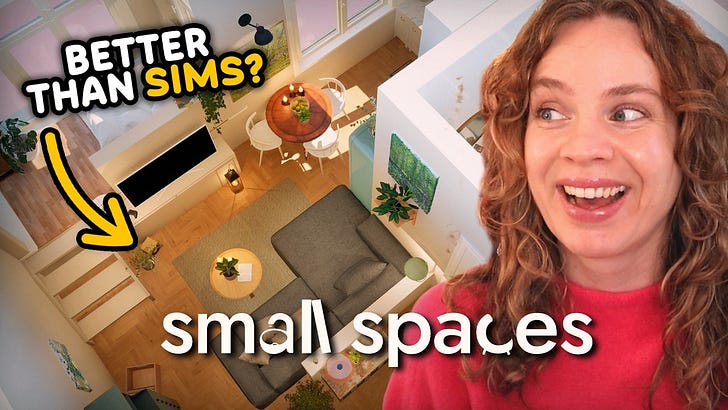
Life Sim games have surged in prominence, climbing 31 spots.
This genre is now the #6 most popular genre tag for hit PC games.
The decline
Traditional genres like JRPG, RTS, and Turn-Based Strategy have declined significantly in market share.
This is likely due to the rise of hybrid-genre titles incorporating roguelite elements.
Other shifts
City Builder games remain in the top 10 but have slipped 5 spots since 2021.
Survival Horror has also dropped 17 spots to #26.
Revenue perspective
When analyzing by revenue rather than units sold, FPS and JRPG genres demonstrate stronger performance.
FPS dropped only 2 spots to #3, and JRPG sits at #10.
High performers
Hack and Slash is an over-performing tag in revenue-based analysis, rising 11 spots to #5.
This is likely driven by its association with high-budget ARPGs and Souls-like titles.
1 / 6
Ask AI about this report