ReportUkie
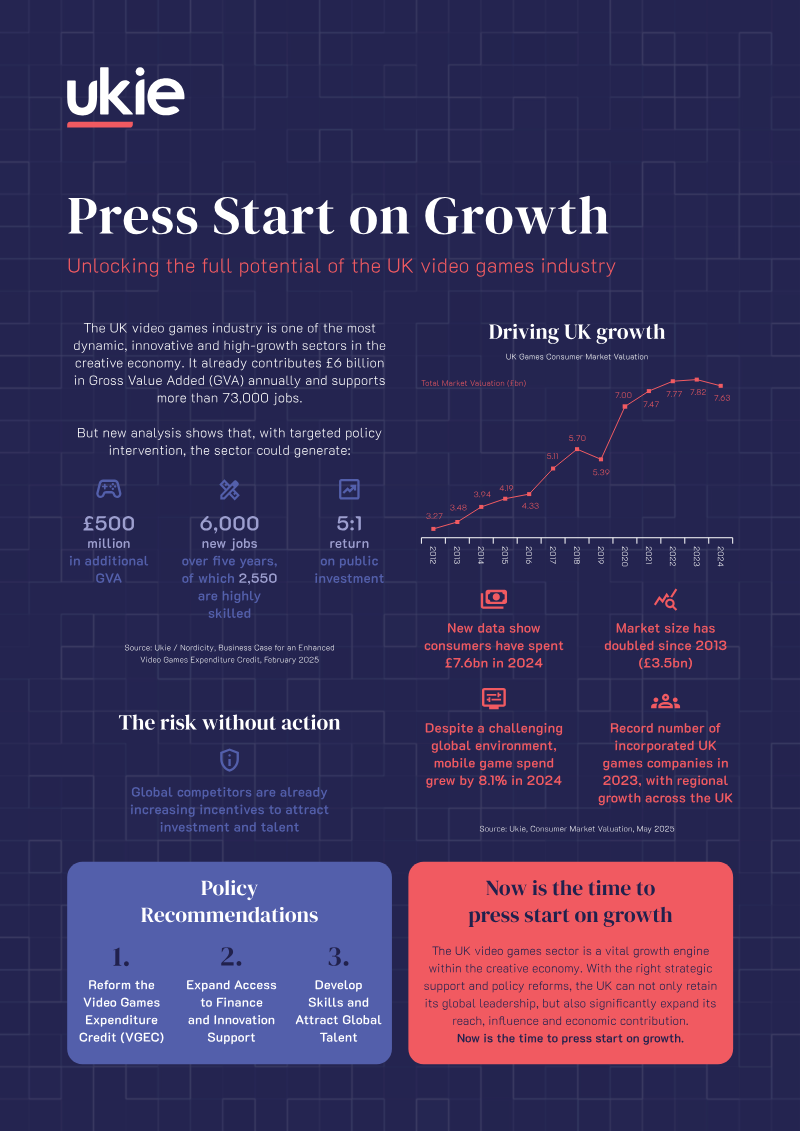
Press Start on Growth: Unlocking the Full Potential of the UK Video Games Industry
1 May 20252 pages~7 min full read
The analysis argues that the United Kingdom’s video‑games sector is a high‑growth pillar of the creative economy, already delivering roughly £6 billion in gross value added (GVA) and supporting more than 73 000 jobs, and that strategic policy action could lift its contribution to about £7.6 billion in 2024 and generate an additional £5.7 billion GVA and up to 5.4 million jobs over the next five years. The assessment covers the full UK market from 2022 through 2024, spanning software, hardware, live events, esports, ancillary merchandise and related media, and benchmarks performance against Western‑European averages.
Key findings show a continued erosion of physical boxed software, which fell 34 % year‑on‑year and now accounts for only 4 % of total spend, while mobile games grew 8 %—still below the 13 % regional average. Full‑game digital purchases slipped due to a thin slate of blockbuster releases, yet overall game volume remained stable. Live‑event spending contracted 15 % after pandemic‑related cancellations, whereas esports surged 44 % YoY, driven by a rise in UK‑based tournaments. Subscription revenue rose modestly as price hikes offset a near‑saturation of console subscriber bases. Hardware sales weakened for PS5 disc and Xbox consoles and for the Nintendo Switch, while the PS5 digital edition posted record software sales at a lower price point. Game‑culture engagement declined 13 % across PC and console categories, and related toy and merchandise sales fell 8.5 %.
The conclusions stress that without targeted reforms—particularly in financing, skills development, and talent support—the sector risks losing its global leadership. Conversely, coordinated policy could unlock further growth, broaden international reach, and reinforce the UK’s position as a leading hub for video‑games innovation and cultural influence. Data are drawn from industry sources such as Omdia, Ukie, NielsenIQ/GfK Entertainment, BFI, Comscore and the Official Charts Company, reflecting a comprehensive market‑valuation approach across multiple

Ukie · 2025

British Esports · 2025

Ukie · 2025

Ukie · 2025
Ukie · 2025
Ukie · 2025

Newzoo · 2025

UKIE – UK Interactive Entertainment · 2025

Ukie · 2024

Ukie · 2024

Ukie · 2023

Playing for the Planet Alliance
Frontier Developments · 2025
InvestGame · 2026
Aream & Co · 2026
Frontier Developments · 2026
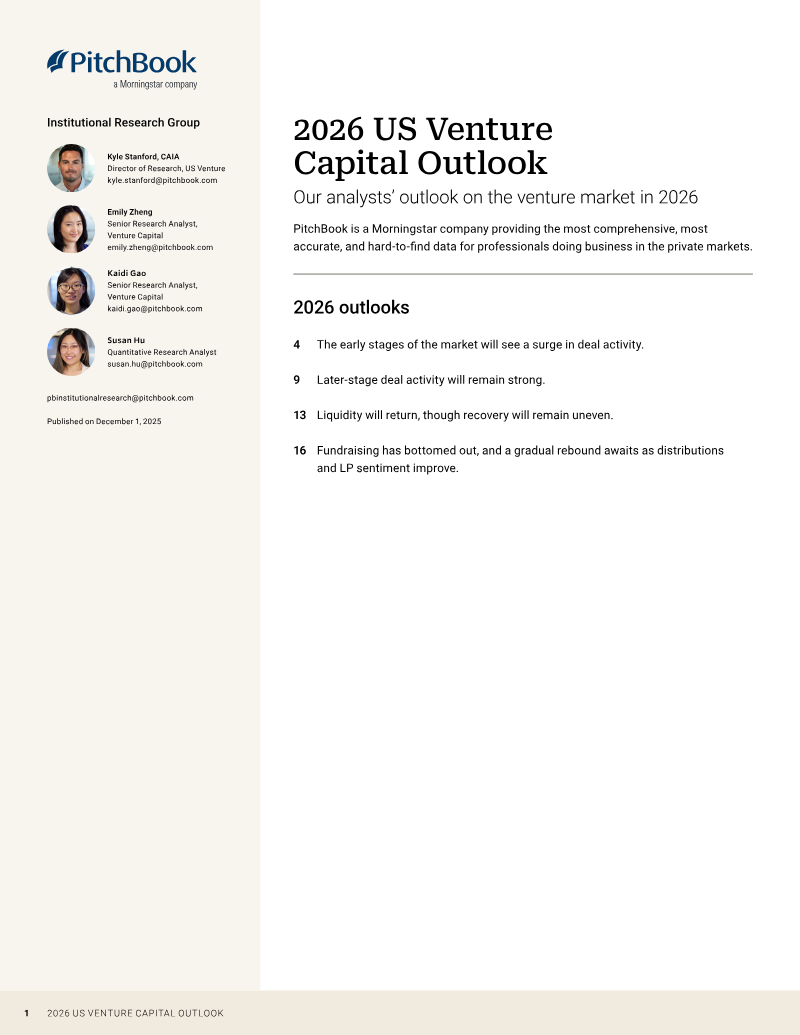
PitchBook · 2026

Bushiroad · 2026
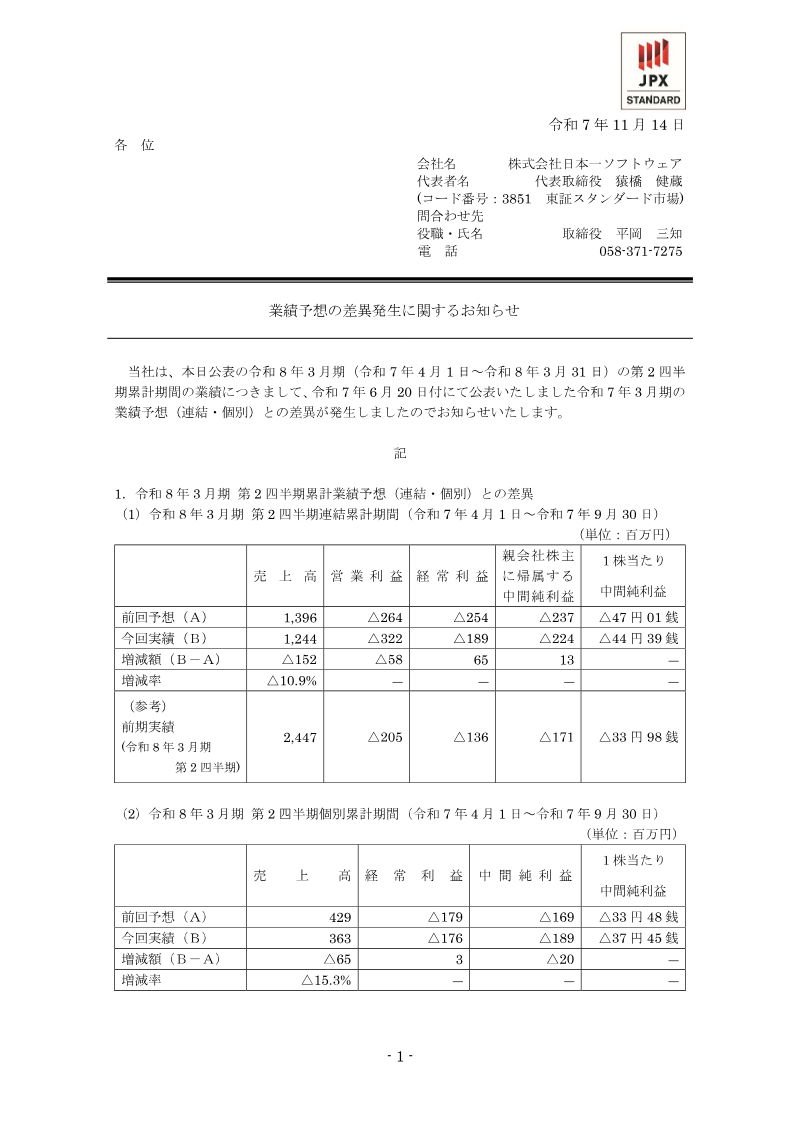
Nippon Ichi Software · 2025
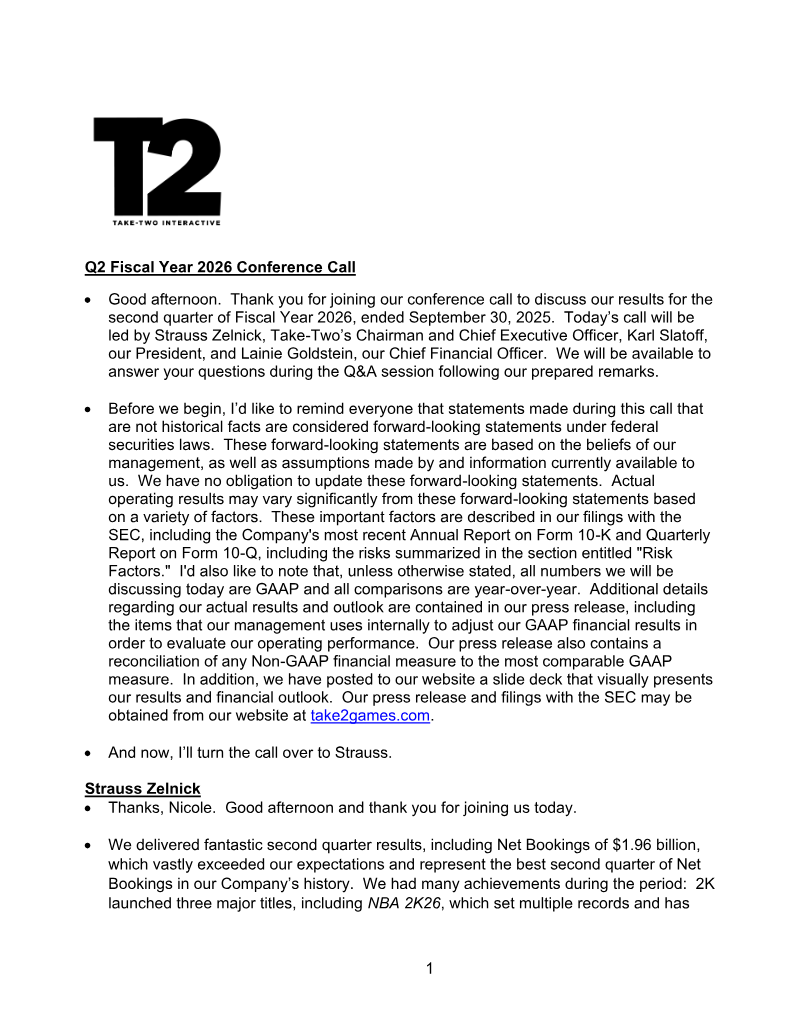
Take-Two Interactive · 2025

Bushiroad · 2025

Games Workshop Group · 2025
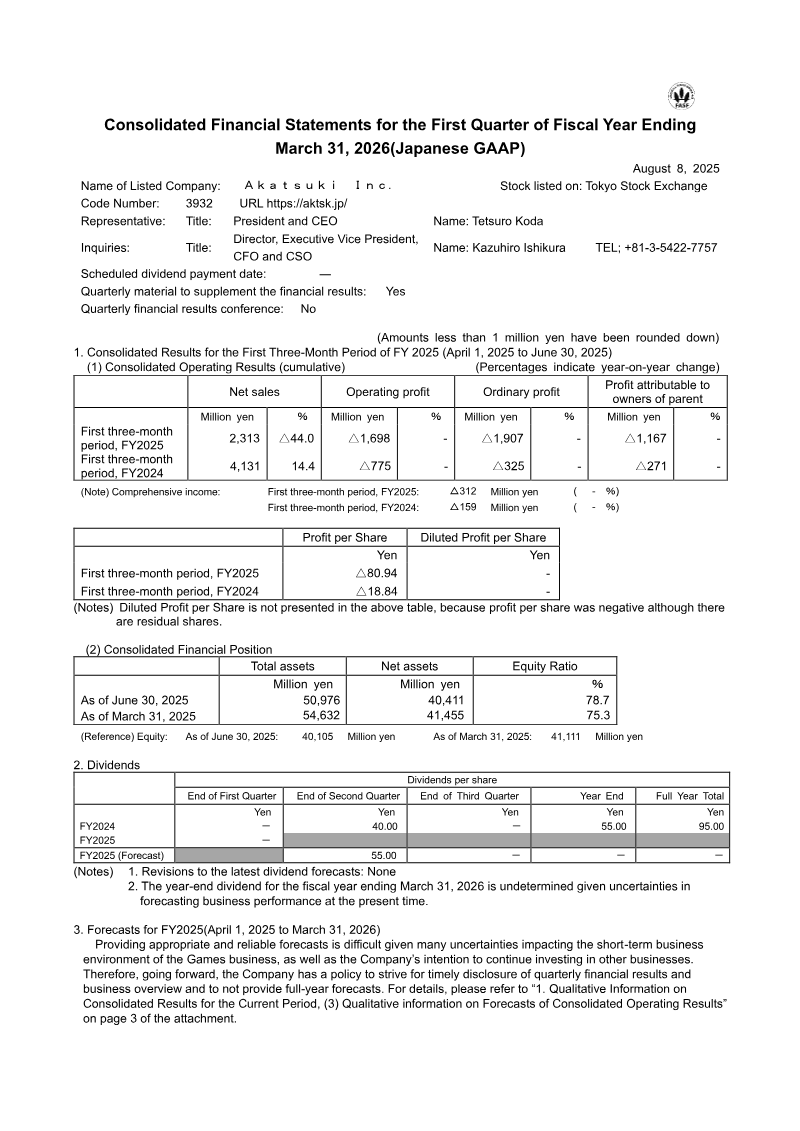
Akatsuki · 2025

Frontier Developments · 2025