1 free read left. Create a free account for unlimited reading + AI research.
Create free accountArticle Game World Observer
1 free read left. Create a free account for unlimited reading + AI research.
Create free accountArticleGame World Observer
The gaming industry has seen a surge in pay transparency initiatives, driven primarily by developers in the United States and Canada utilizing the social media hashtag #GameDevPaidMe. This movement, which gained significant momentum in late 2021, aims to foster pay equity and provide employees with a clearer understanding of market compensation standards across various roles and studios.
Data points shared by professionals reveal a wide spectrum of compensation based on seniority, specialization, and company size. Software engineers and programmers consistently report the highest earnings, with senior-level roles at major studios often exceeding $150,000 annually. Conversely, quality assurance (QA) positions show significant variance, ranging from entry-level salaries as low as $20,000 to over $100,000 for specialized engineering roles within large organizations like Xbox. Studio leadership roles, such as those at Obsidian Entertainment, demonstrate that top-tier creative directors can command annual salaries surpassing $200,000.
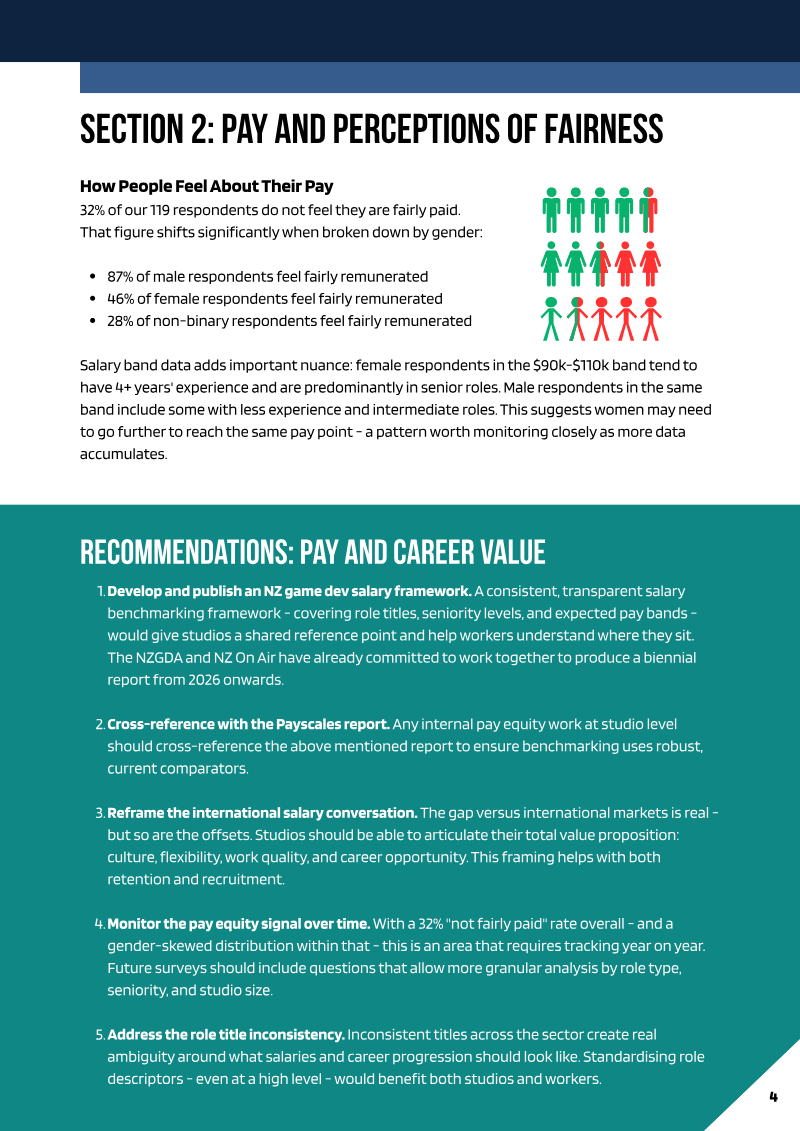
The disclosures have also highlighted persistent concerns regarding gender-based pay disparities. Several industry professionals have noted a perceived gap between the compensation of men and women in high-level positions, prompting calls for greater institutional accountability. While some companies, such as Riot Games, are recognized for offering competitive base pay supplemented by bonuses and comprehensive benefits, the overall trend underscores a collective push for industry-wide evolution. By sharing these figures, developers are actively challenging opaque compensation practices and advocating for more equitable standards across the global game development sector.

Game World Observer · 2026
Game World Observer · 2026

Game World Observer · 2026
Game World Observer · 2026
Game World Observer · 2026
Game World Observer · 2026
Game World Observer · 2026
Game World Observer · 2026
Game World Observer · 2026
Game World Observer · 2026
Game World Observer · 2026
Game World Observer · 2026
Game Dev Unchained · 2022