The mobile gaming landscape in 2023 faces significant volatility during the transition from soft launch to global scale, particularly regarding user acquisition and creative performance. A critical challenge for developers is the inevitable decline of the initial golden cohort, which often leads to rising costs per install and creative fatigue. Effective management of this phase requires a disciplined approach to budget adjustments, suggesting that incremental reductions of 10% to 20% in inefficient spending are far more effective than the drastic 70% cuts often favored by risk-averse middle management.
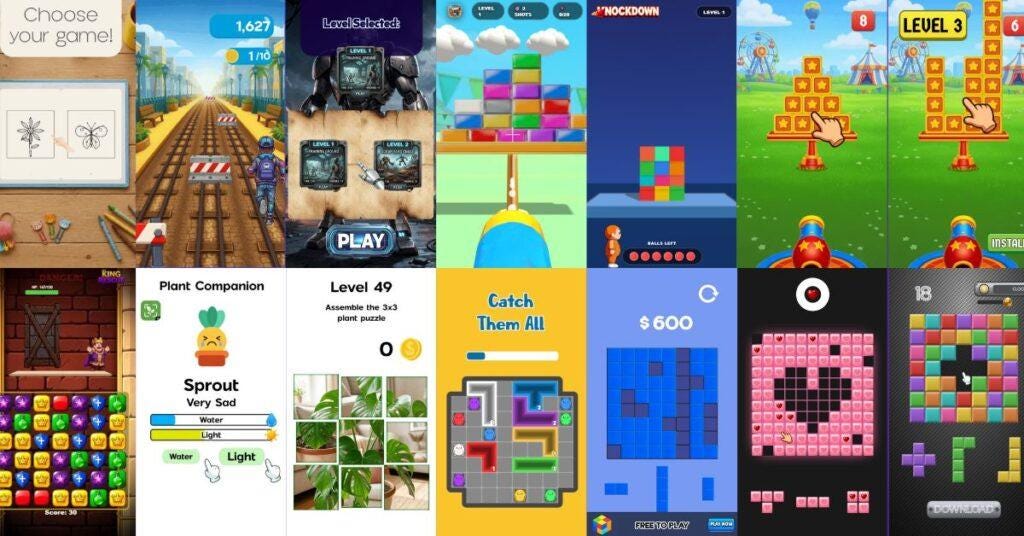
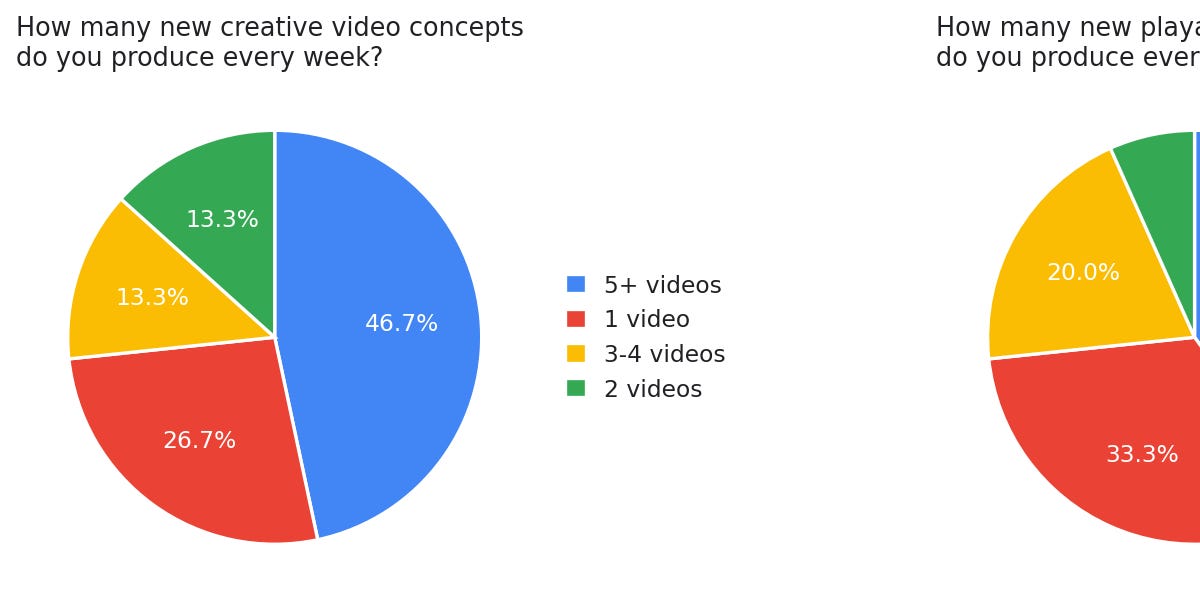
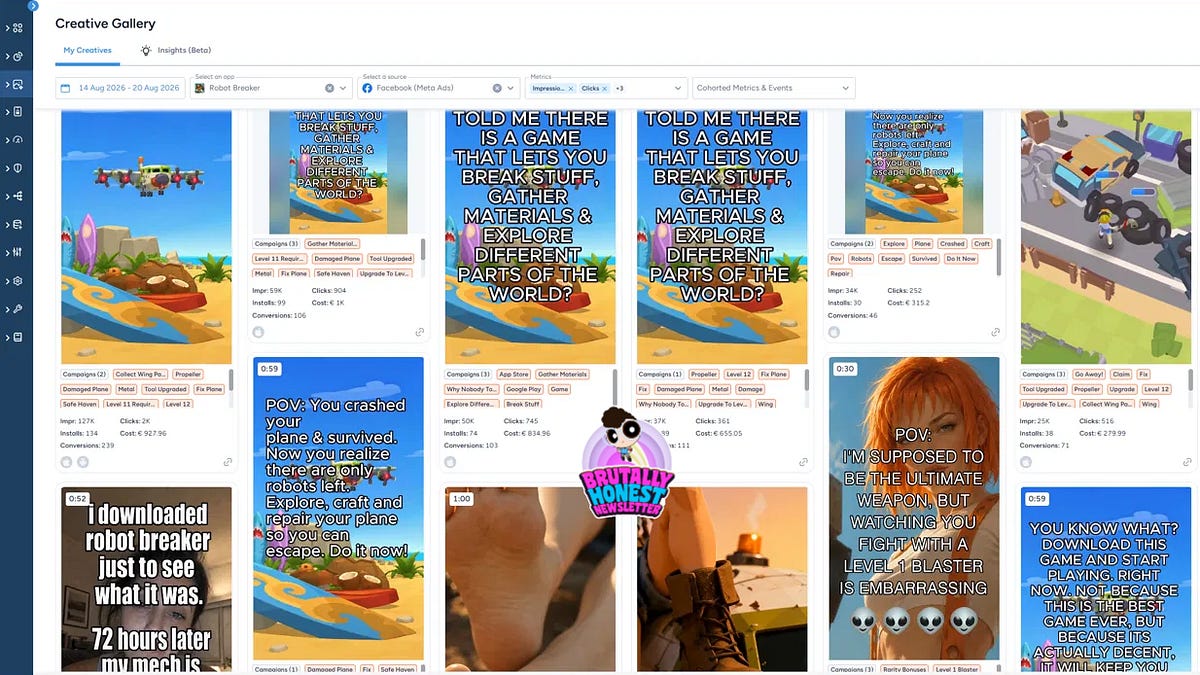
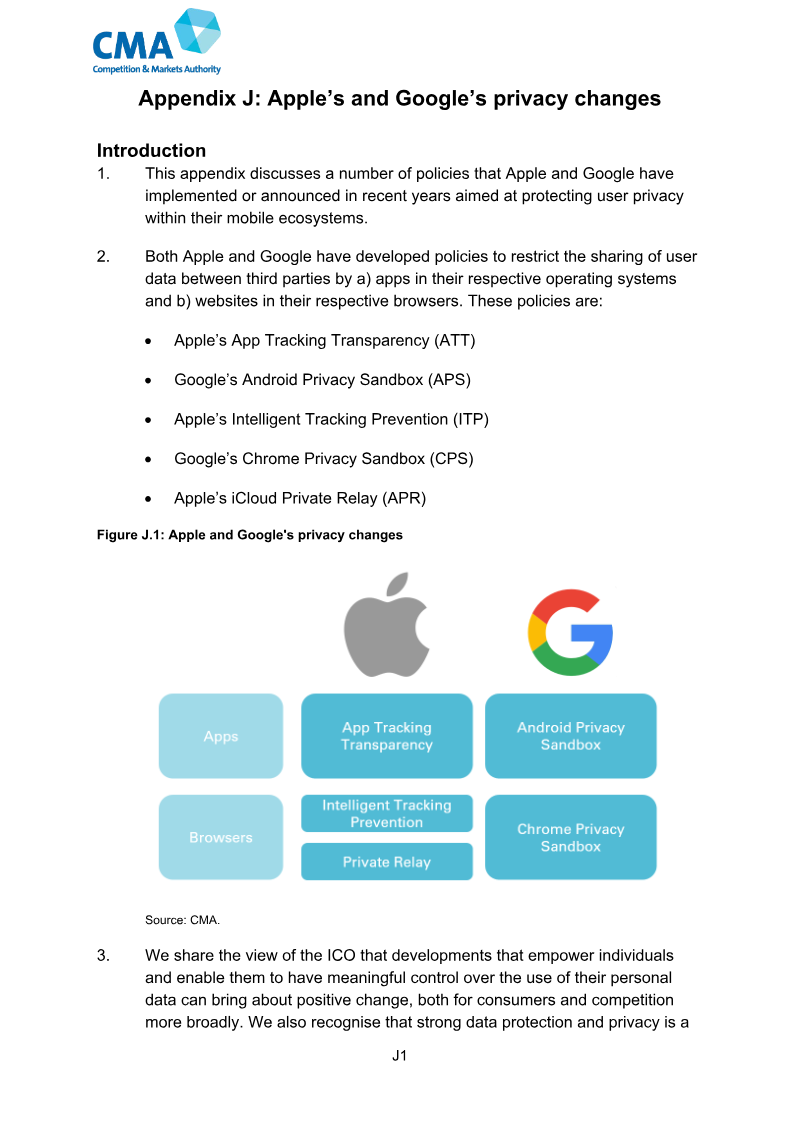
Success in the current market relies heavily on the continuous refreshment of ad creatives and the utilization of proven concepts established during earlier testing phases. A notable shift in industry strategy involves the evolution of fake ads into fake core gameplay, a trend identified as a primary driver for user engagement in the coming year. This tactical evolution reflects a broader necessity to adapt to privacy-related challenges, such as those introduced by iOS 14, which have fundamentally altered the user acquisition landscape.
The mobile gaming sector continues to benefit from a culture of knowledge sharing and community support, which serves as a vital resource for navigating technical hurdles like privacy thresholds and attribution. While monetization of industry insights is common, the free exchange of strategic data remains essential for professional development within the space. Ultimately, maintaining a robust pipeline of winning creative concepts and resisting reactionary financial pressures are the most reliable methods for sustaining growth during a global game launch.