ArticleBrutally Honest
Playable Ads Trends in Mobile Games & Apps: July 2026
18 Aug 20261 page~3 min full read
Key insights
6 slides
Strategic shift
Playable ads are the core backbone of user acquisition in 2026.
Interactive advertisements have moved from secondary creative assets to the primary foundation of mobile user acquisition strategies.
Mechanic sourcing
Developers adapt non-gaming mechanics to broaden audience appeal.
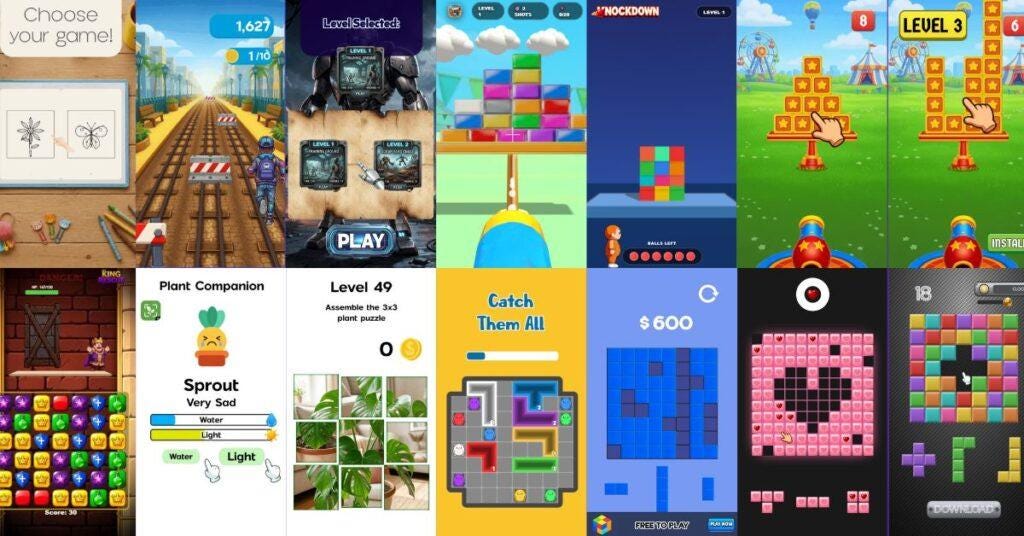
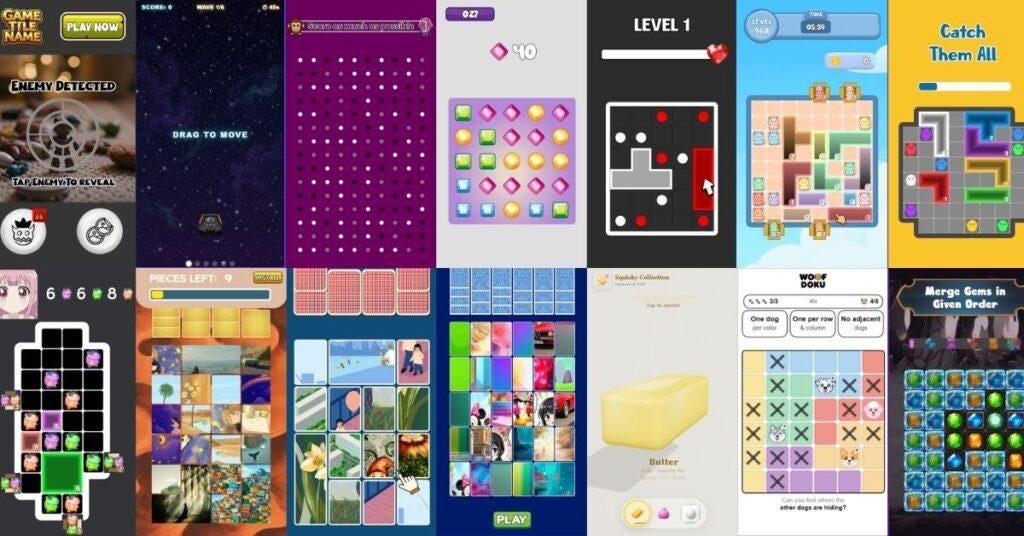
Developers are increasingly looking outside the mobile gaming sector for inspiration. They successfully adapt familiar, non-gaming mechanics, such as Tetris-style logic used in defensive strategy puzzles, to broaden audience appeal.
Cultural themes
Football-themed mechanics make unfamiliar gameplay feel instantly accessible.
Publishers integrate culturally relevant, non-gaming themes, such as football-inspired interactions, into disparate game genres. This creates a sense of familiarity and freshness for new users.
Multi-mechanic design
Multi-mechanic games isolate single satisfying loops for individual ads.
Games featuring multiple mini-games, such as Puzzle Page, gain a competitive advantage. Publishers isolate specific, satisfying gameplay loops for individual ads rather than attempting to represent the entire app experience.
Ecosystem scale
Applovin growth makes high-volume playable strategies essential.
The rise of Applovin and increased spending on SDK networks have made high-volume, diverse playable ad strategies essential. Publishers must rapidly iterate on diverse, tutorial-friendly mechanics to maintain a competitive advantage.
Conversion impact
Granular mini-game experiences lower barriers and improve conversion rates.
By focusing on granular, highly engaging mini-game experiences, publishers can effectively lower barriers to entry. This approach improves conversion rates by moving away from rigid, genre-specific templates toward a more fluid and experimental approach.
1 / 6
Ask AI about this report