1 free read left. Create a free account for unlimited reading + AI research.
Create free accountArticle Journal of Games Criticism
1 free read left. Create a free account for unlimited reading + AI research.
Create free accountArticleJournal of Games Criticism
Distilling the key insights…
The psychological connection between players and their digital avatars is frequently mischaracterized by the singular, reductive concept of identification. In reality, this relationship is a multifaceted spectrum encompassing empathy, sympathy, projection, and detachment. By moving beyond the umbrella term of identification, developers and researchers can better categorize how players navigate digital spaces, whether they are experiencing the game as an extension of the self or observing the avatar as a distinct, autonomous entity.
These psychological states are fundamentally shaped by the interplay between character depth and mechanical design. Characters range from zero-dimensional vessels to fully realized three-dimensional personas, and their impact is heavily mediated by the game’s narrative structure and camera perspective. When designers intentionally manipulate these variables, they gain the ability to dictate the emotional distance between the user and the character. For instance, specific viewpoints can foster a sense of embodiment, while others encourage a detached, strategic observation, directly influencing how players process and react to in-game events.
Ultimately, the goal of this framework is to provide a more precise vocabulary for game design that aligns player agency with intended emotional outcomes. By recognizing that players oscillate between various modes of engagement, creators can craft more sophisticated experiences that leverage the full range of human psychological response. This approach moves the industry toward a more nuanced understanding of interactive media, ensuring that narrative and gameplay mechanics work in concert to deepen the player’s immersion and emotional investment across diverse gaming genres and platforms.
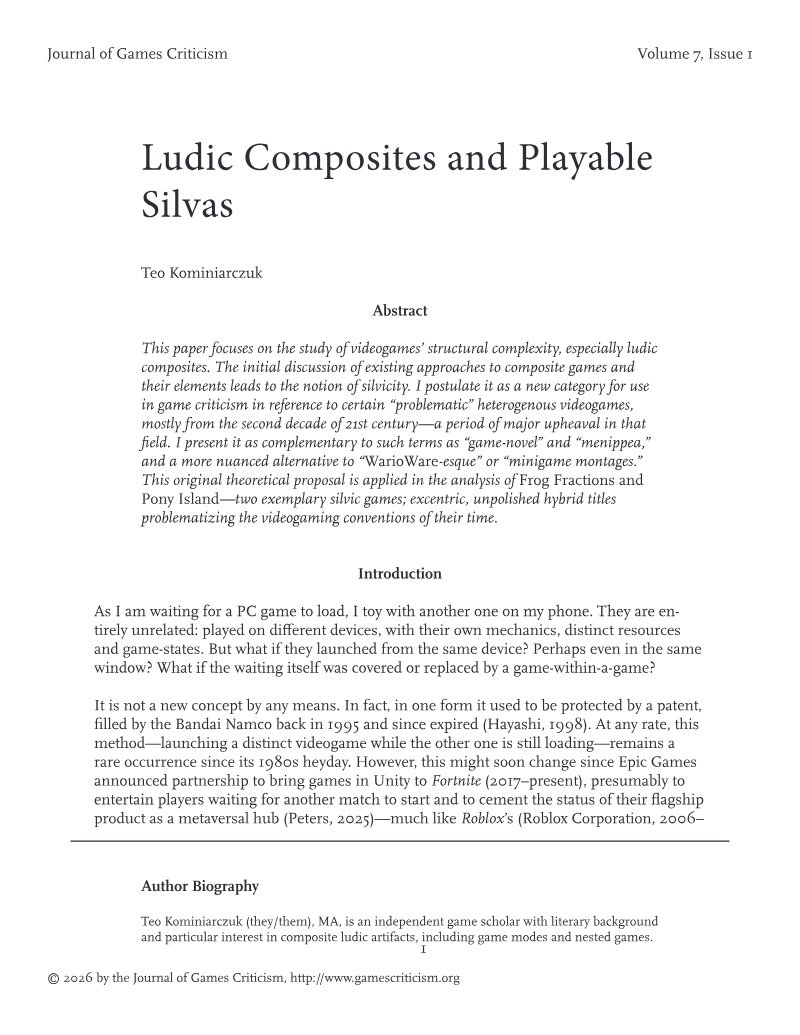
Journal of Games Criticism · 2026
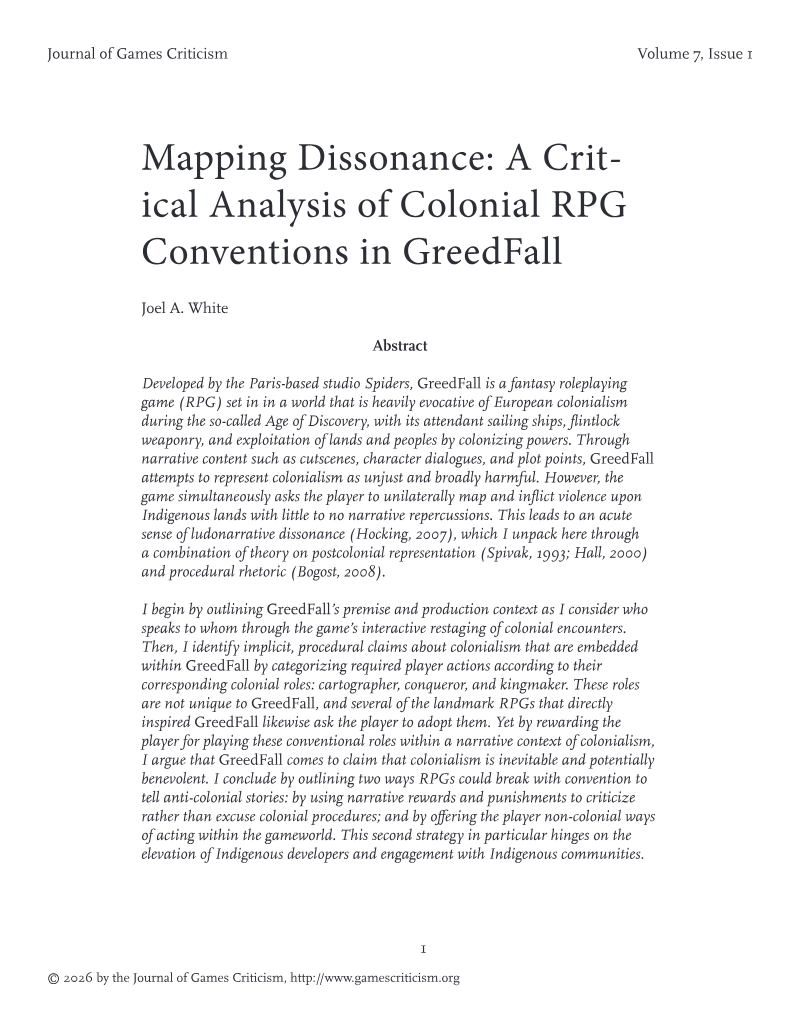
Journal of Games Criticism · 2026
Journal of Games Criticism · 2025



Journal of Games Criticism · 2025
Journal of Games Criticism · 2025
Journal of Games Criticism · 2025

Journal of Games Criticism · 2024
Journal of Games Criticism · 2024
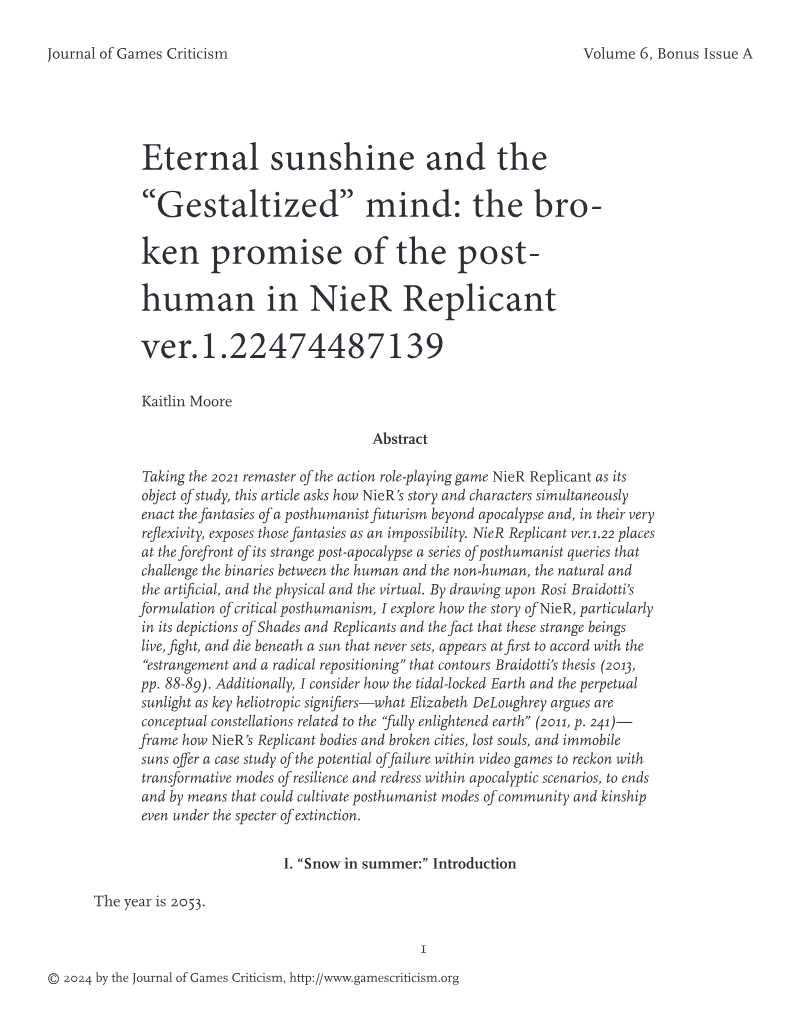
Journal of Games Criticism · 2024
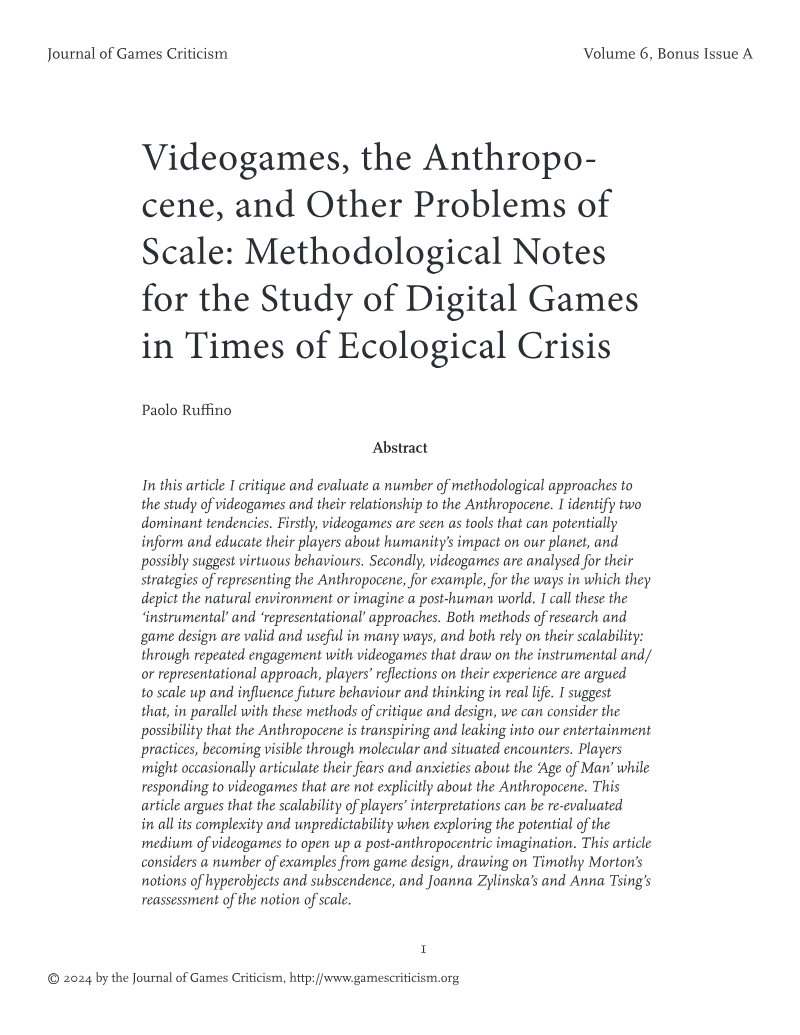
Journal of Games Criticism · 2024
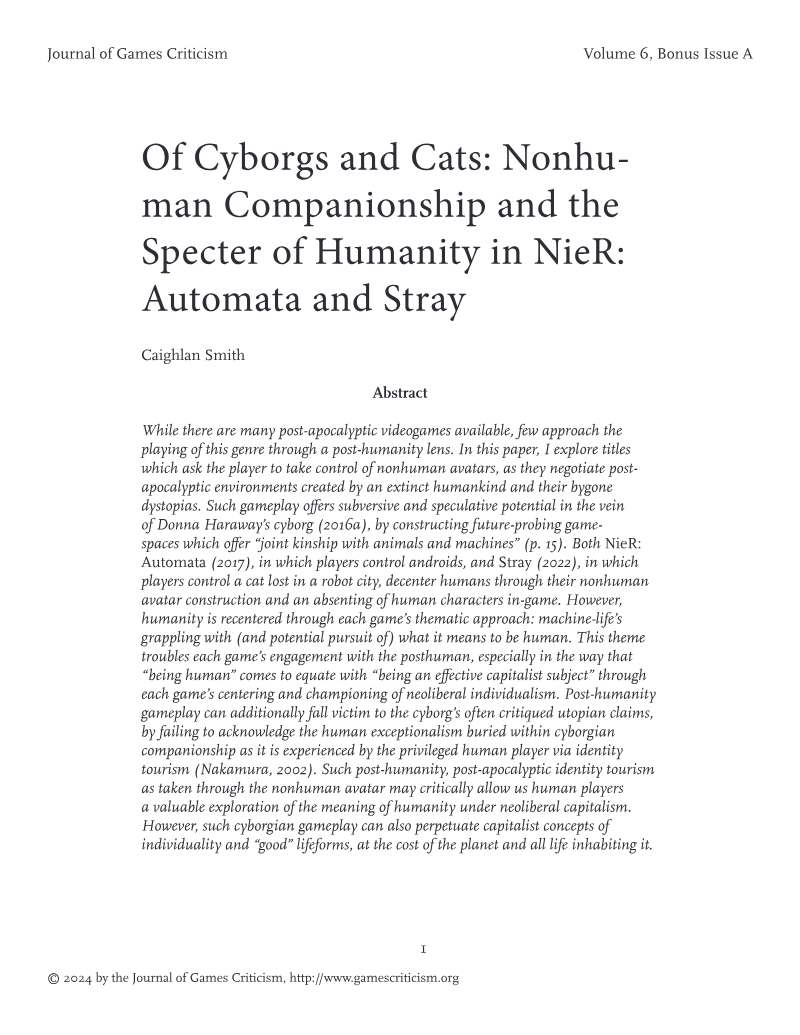
Journal of Games Criticism · 2024
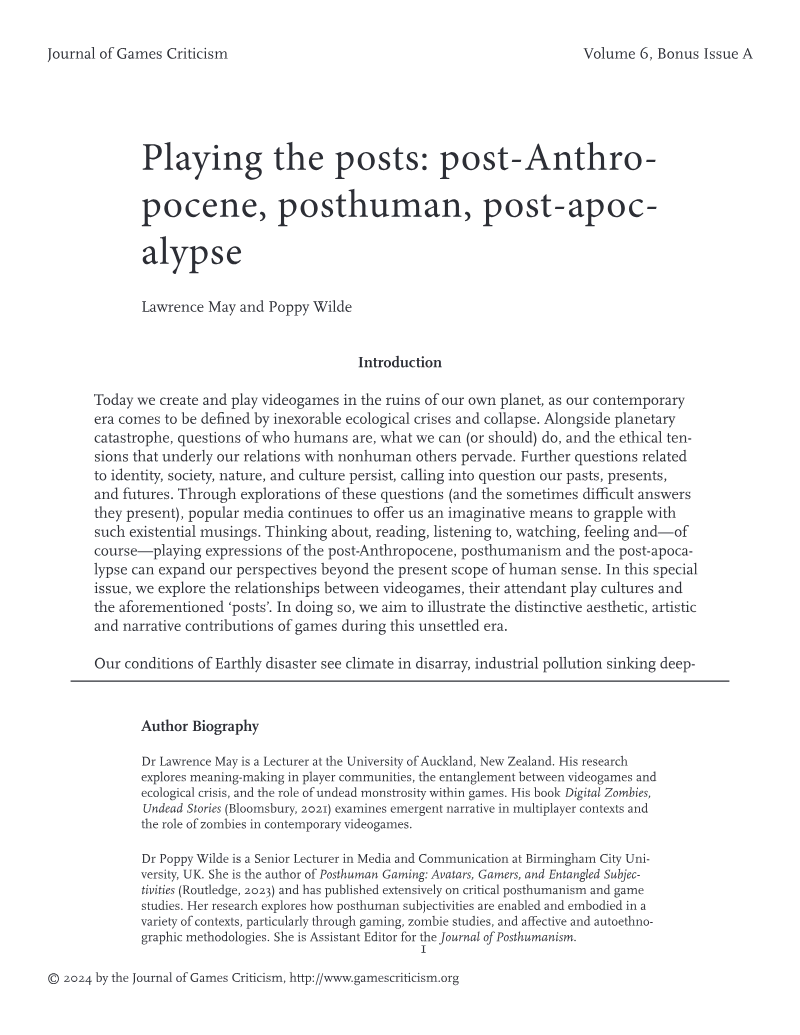
Journal of Games Criticism · 2024
DiGRA · 2026