1 free read left. Create a free account for unlimited reading + AI research.
Create free accountWhitepaper Northeastern University
1 free read left. Create a free account for unlimited reading + AI research.
Create free accountWhitepaperNortheastern University
The modern game industry is undergoing a fundamental shift toward data-driven development, a transition that necessitates a rigorous examination of the ethical implications inherent in algorithmic decision-making. The primary thesis posits that while data analytics offer unprecedented insights into player behavior, they simultaneously introduce significant risks, including the normalization of predatory monetization, the promotion of addictive engagement loops, and the marginalization of minority player groups through biased data aggregation. These challenges are exacerbated by the prevalence of opaque, black-box models that lack the transparency required for accountability and equitable design.
To mitigate these risks, the industry must move beyond purely automated systems and adopt human-in-the-loop methodologies. By integrating explainable AI and mixed-method approaches that prioritize qualitative player feedback alongside quantitative metrics, developers can create more nuanced models that respect individual differences and situational contexts. These strategies are essential for fostering long-term user trust and ensuring that design decisions are informed by a comprehensive understanding of the player experience rather than narrow optimization goals.
Covering the global landscape of contemporary game design and analytics, this analysis emphasizes that the path forward requires a delicate balance between commercial profitability and ethical responsibility. While current research into explainable AI and interpretability tools shows promise, achieving practical scalability remains a significant hurdle. Future development must prioritize the creation of robust ethical frameworks that safeguard player well-being without stifling innovation, ensuring that data-driven practices serve to enhance, rather than exploit, the diverse global gaming community.
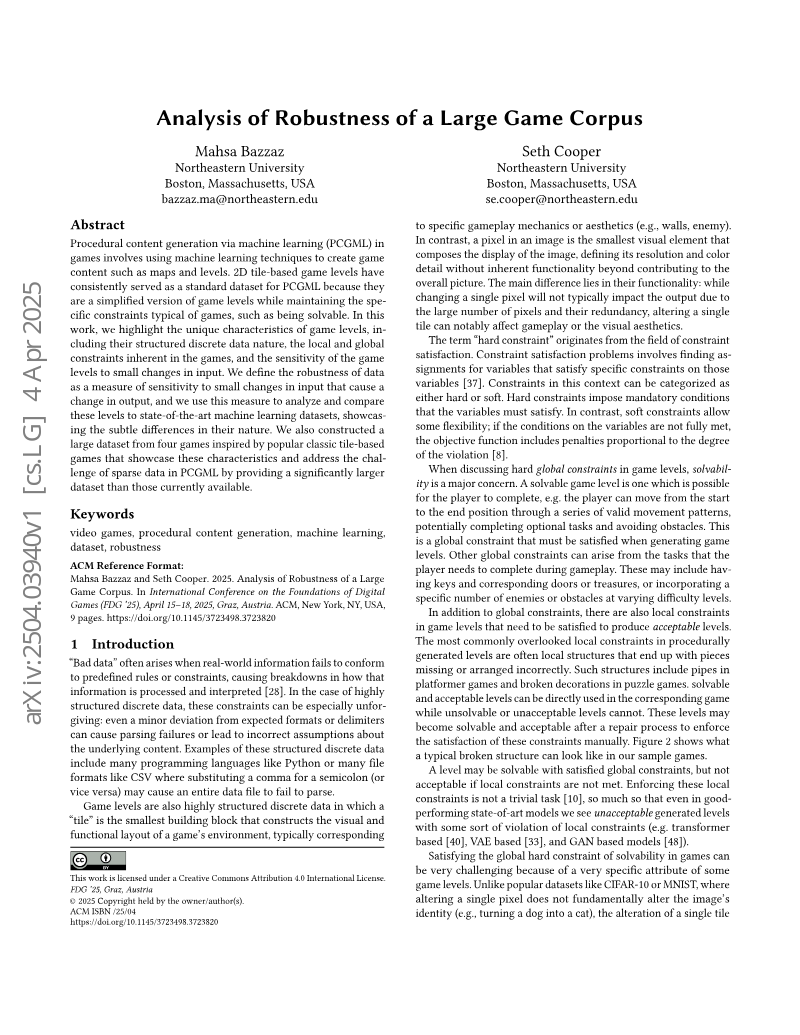
Northeastern University · 2025
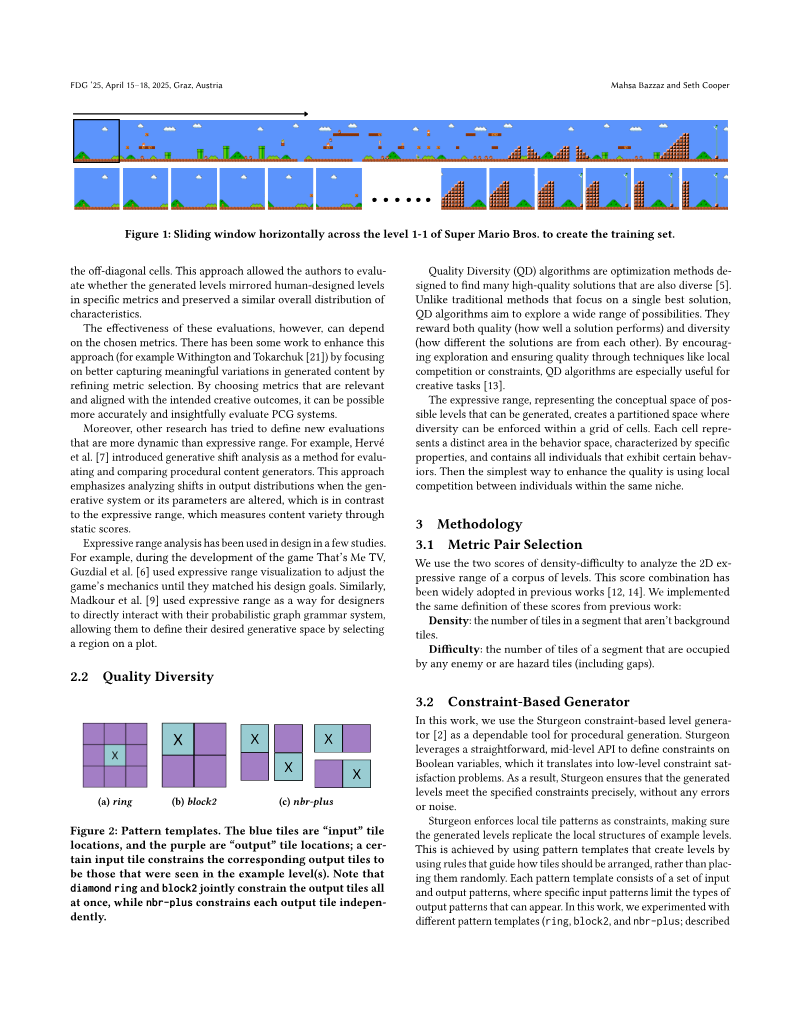
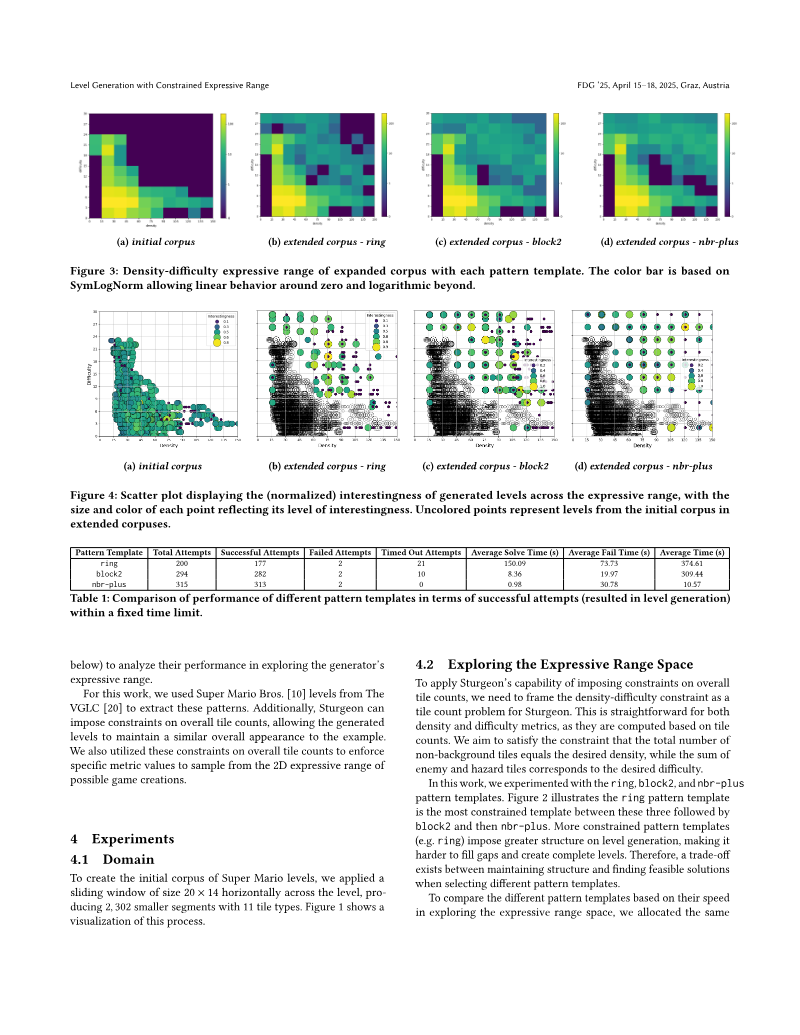
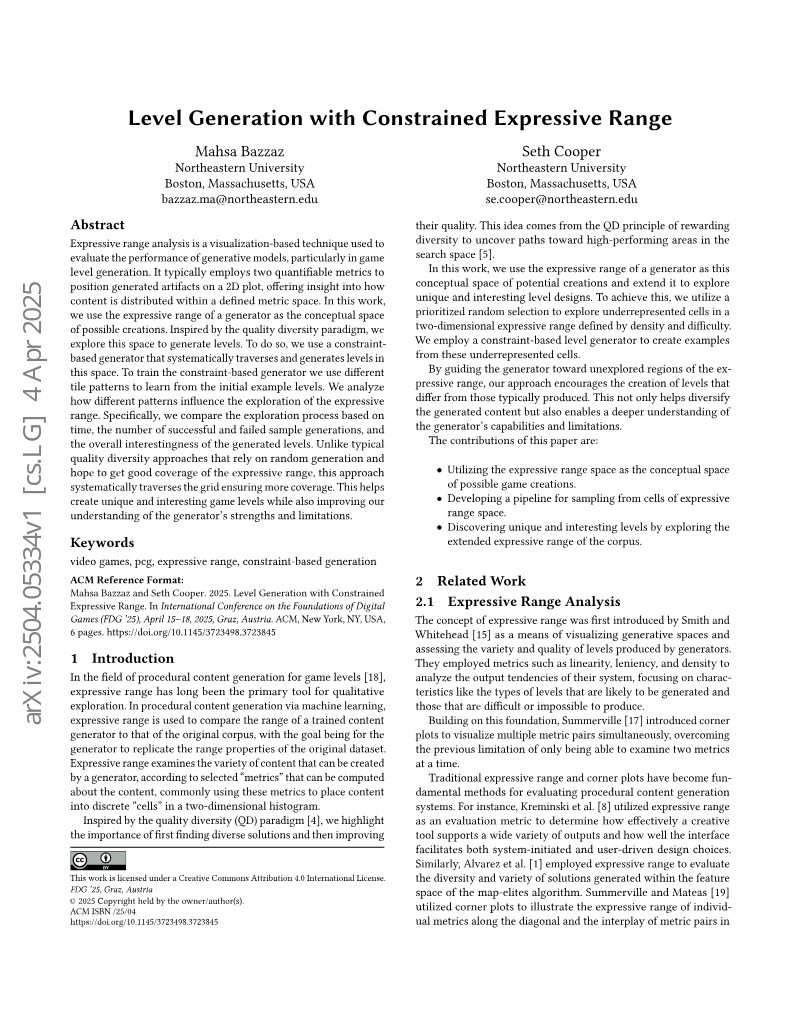
Northeastern University · 2025
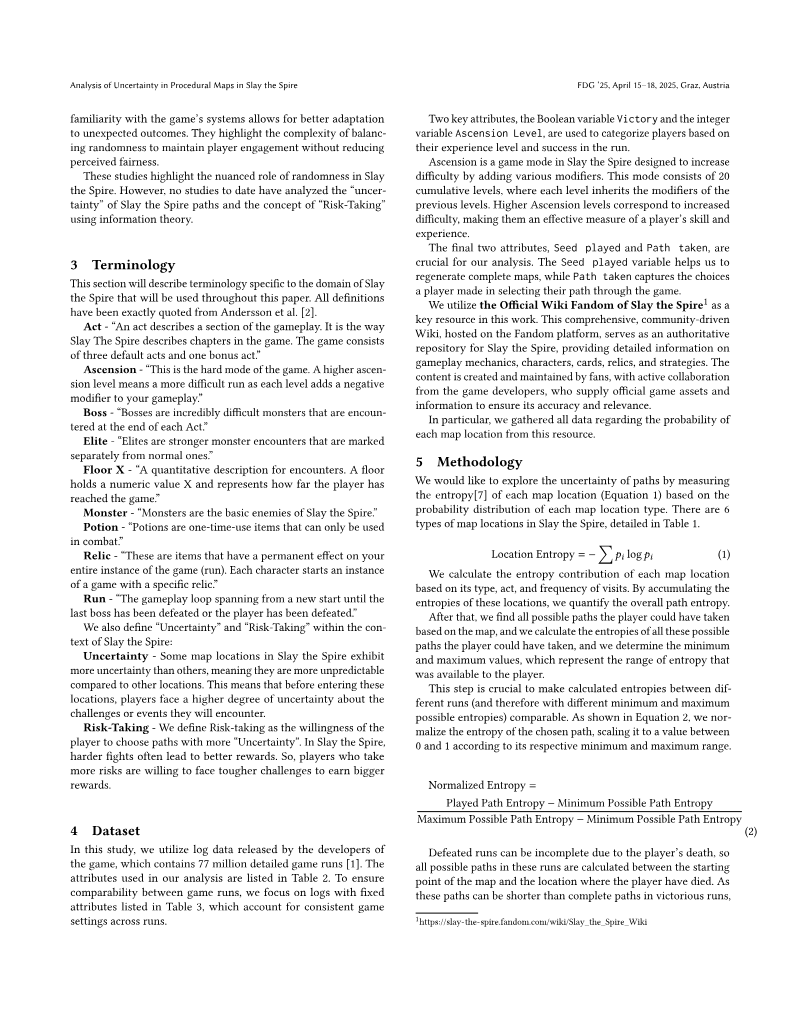
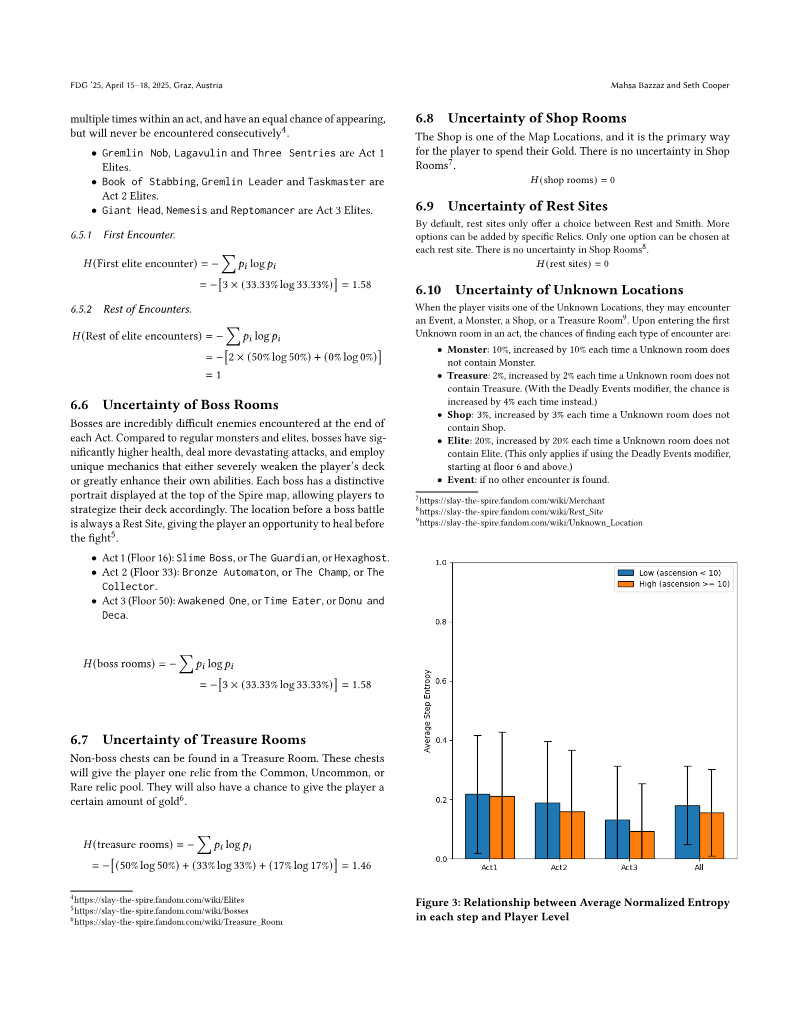
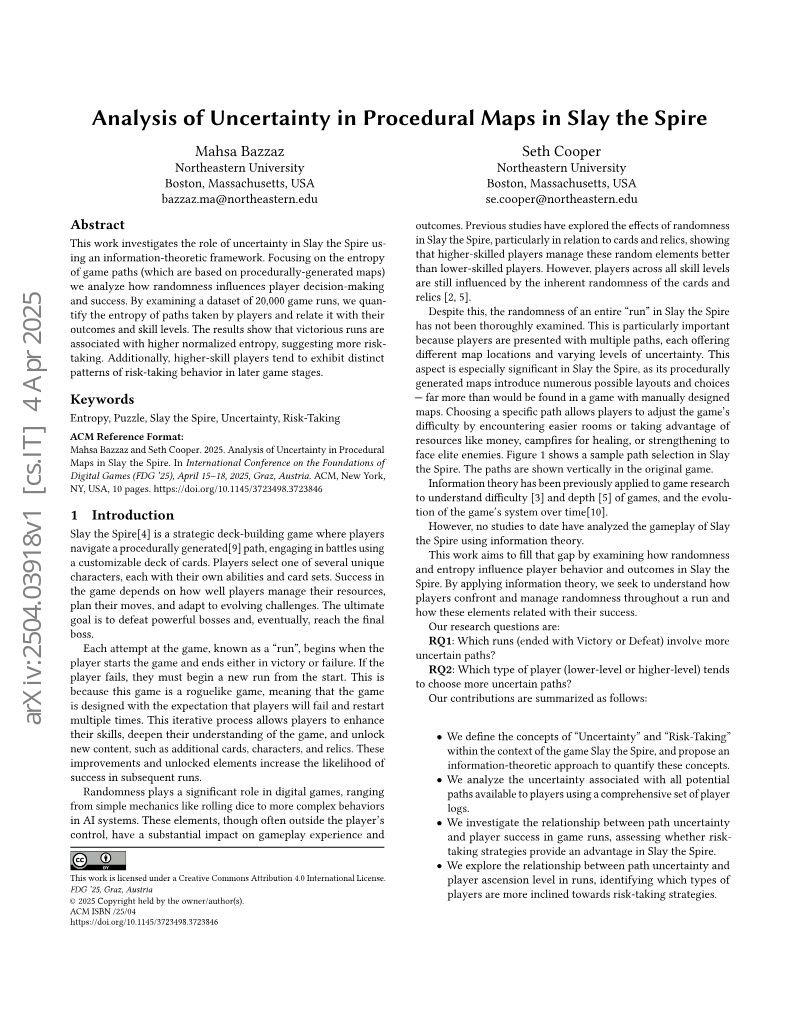
Northeastern University · 2025
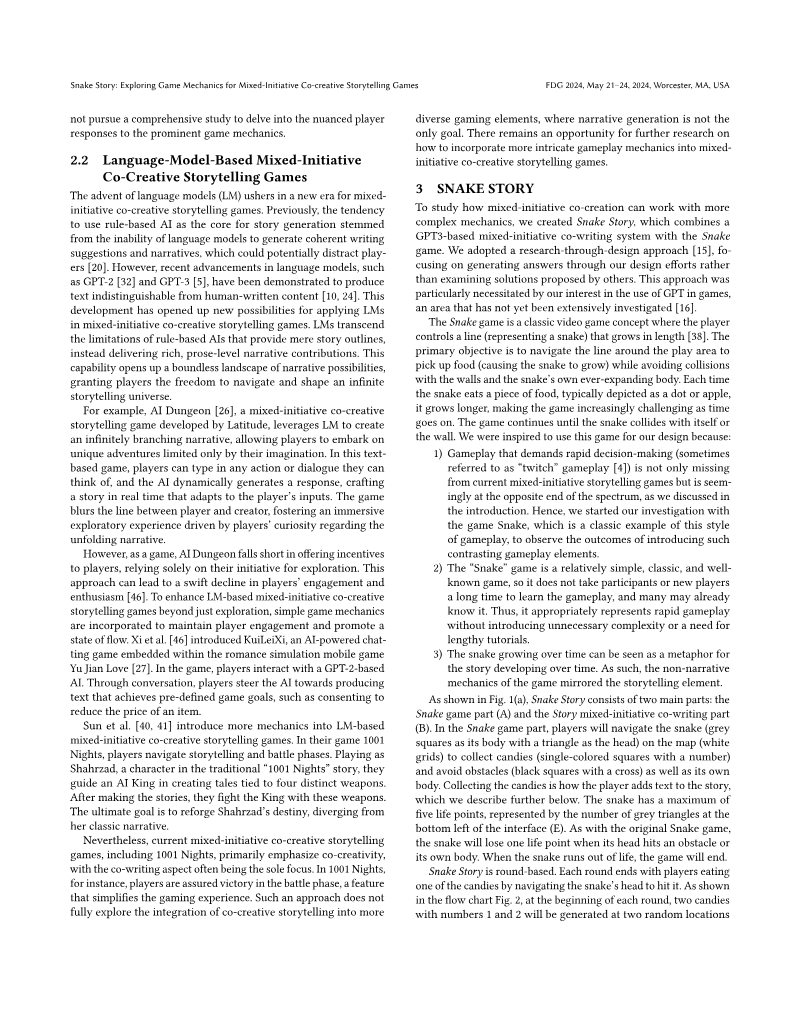
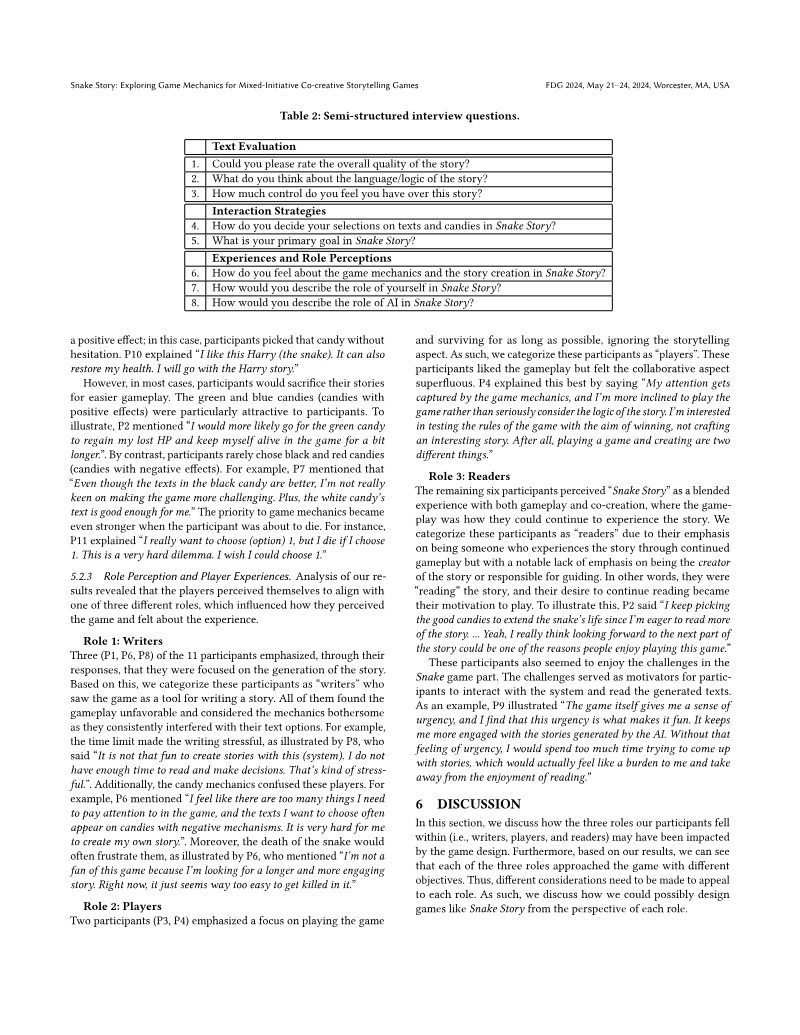
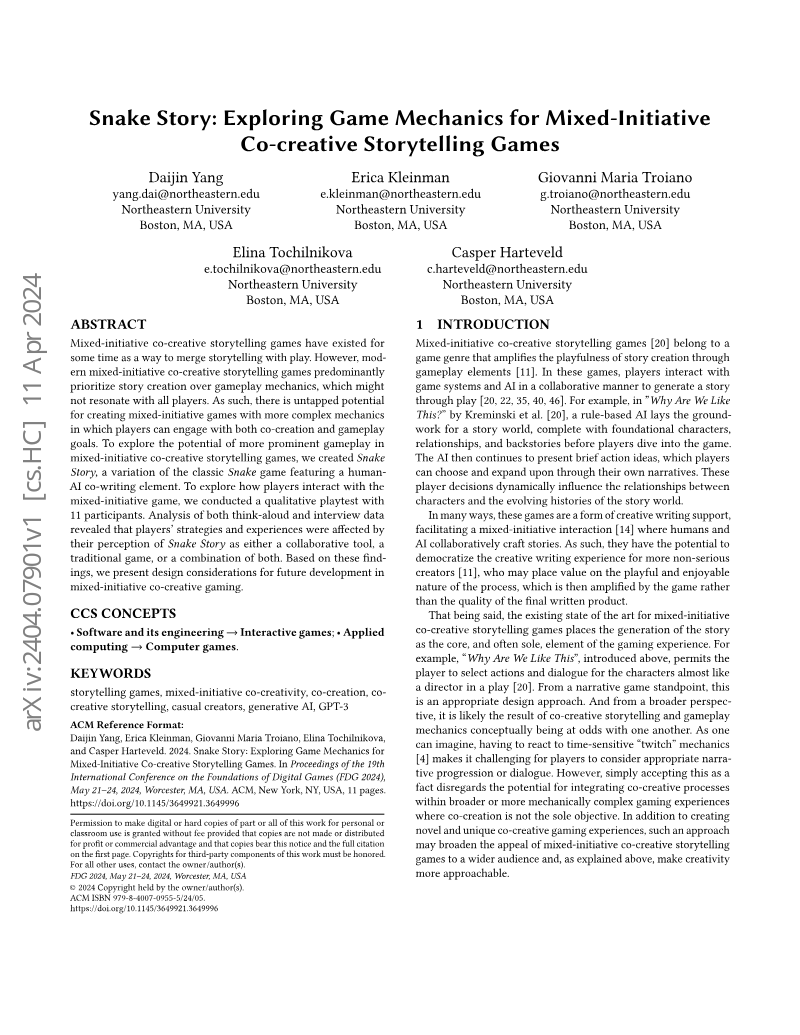
Northeastern University · 2024
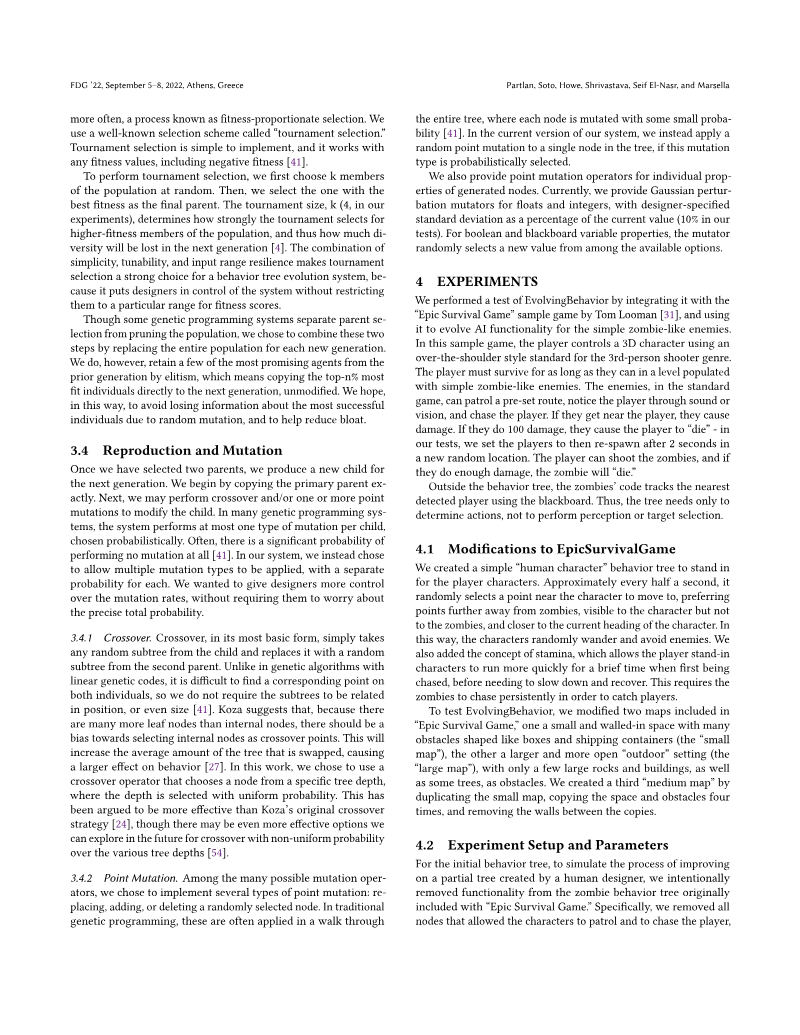
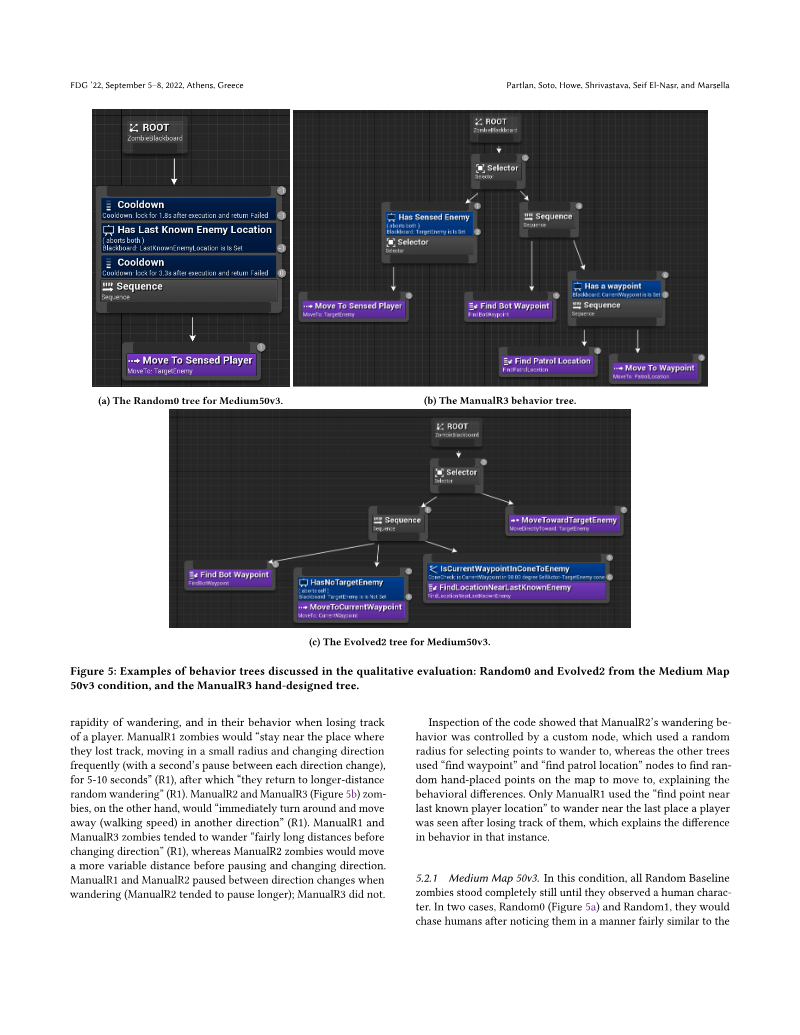
Northeastern University · 2022
Northeastern University · 2021
Northeastern University · 2021
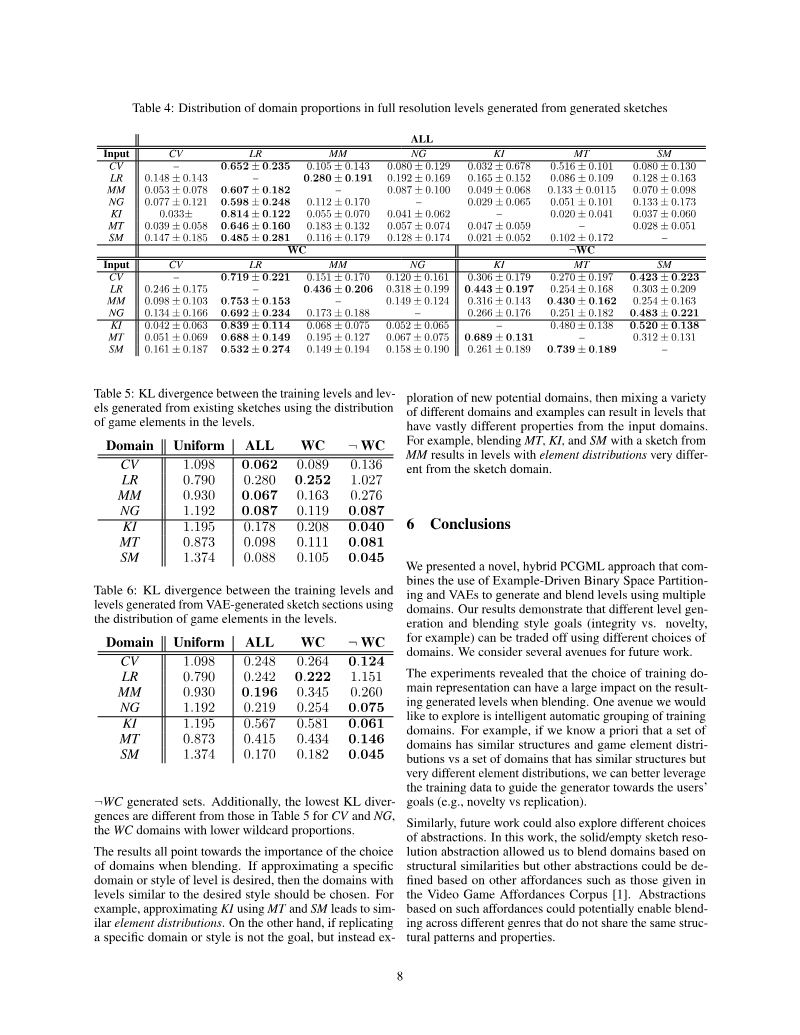
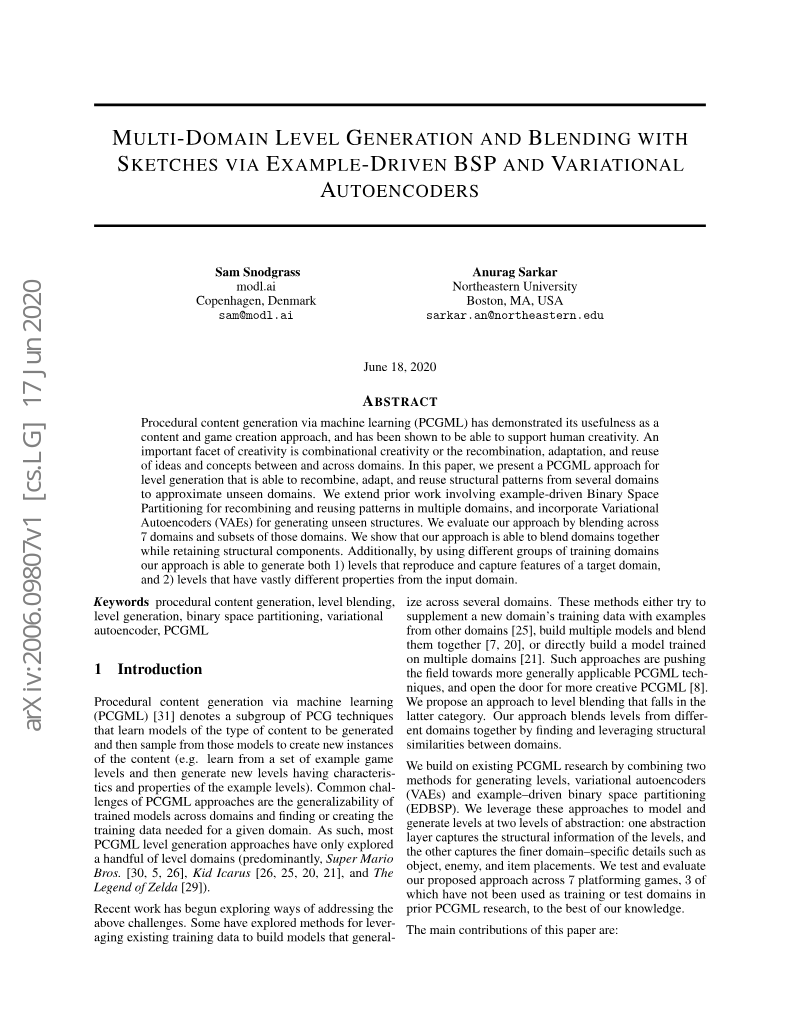
modl.ai · 2020
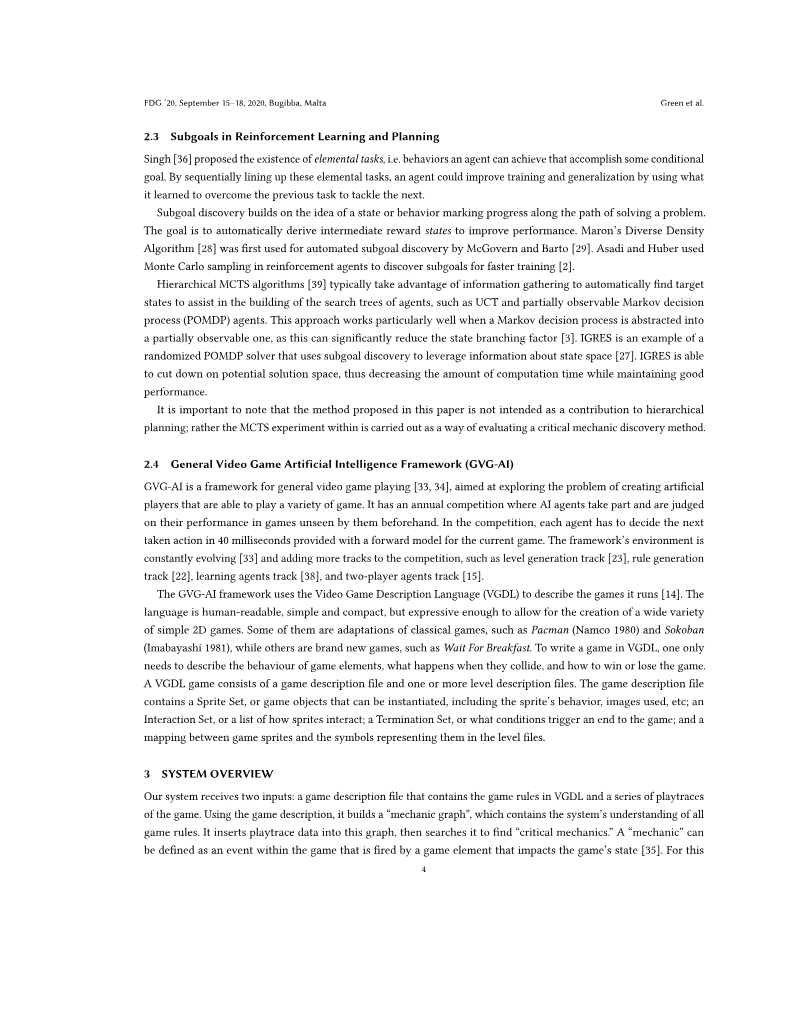
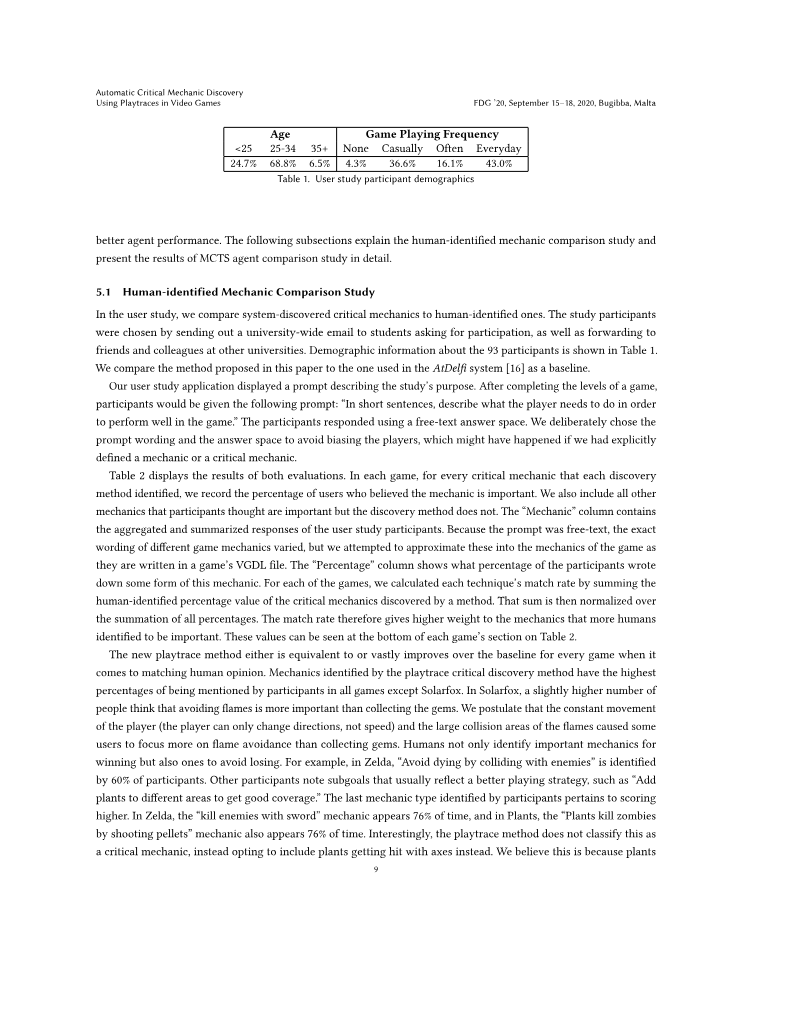
New York University · 2020
Drexel University · 2020
Northeastern University · 2020

PocketGamer.biz · 2026