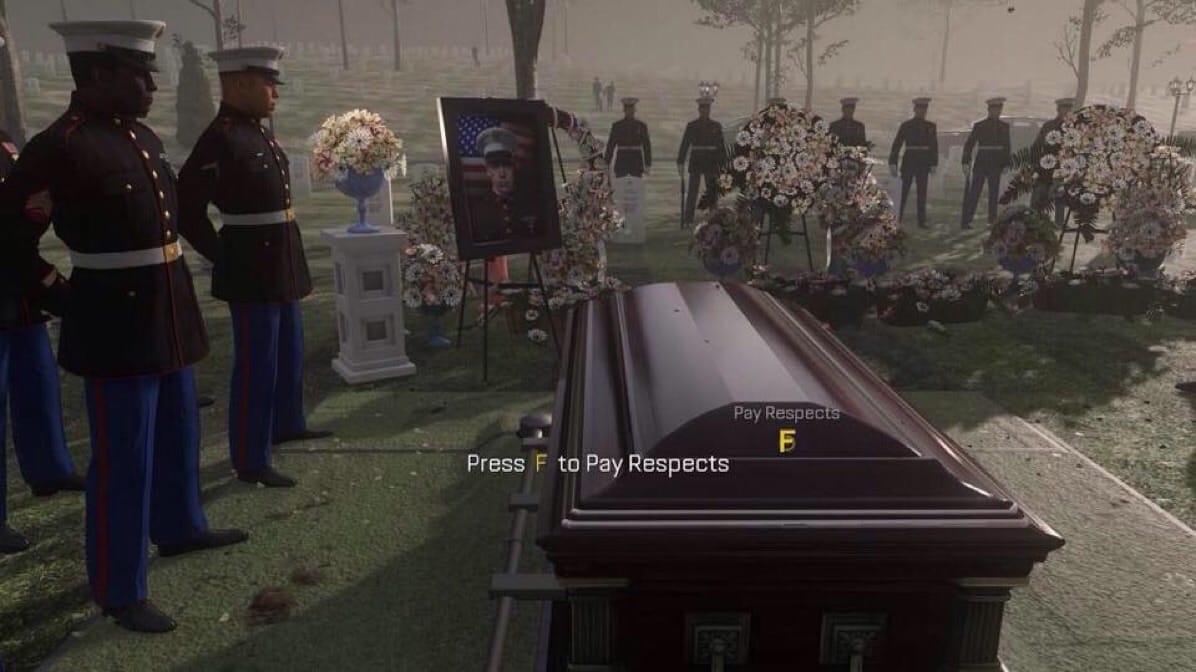
This crisis is driven by unsustainable budget inflation, ballooning team sizes, and a fixation on photorealism. These factors necessitate massive sales to achieve profitability.
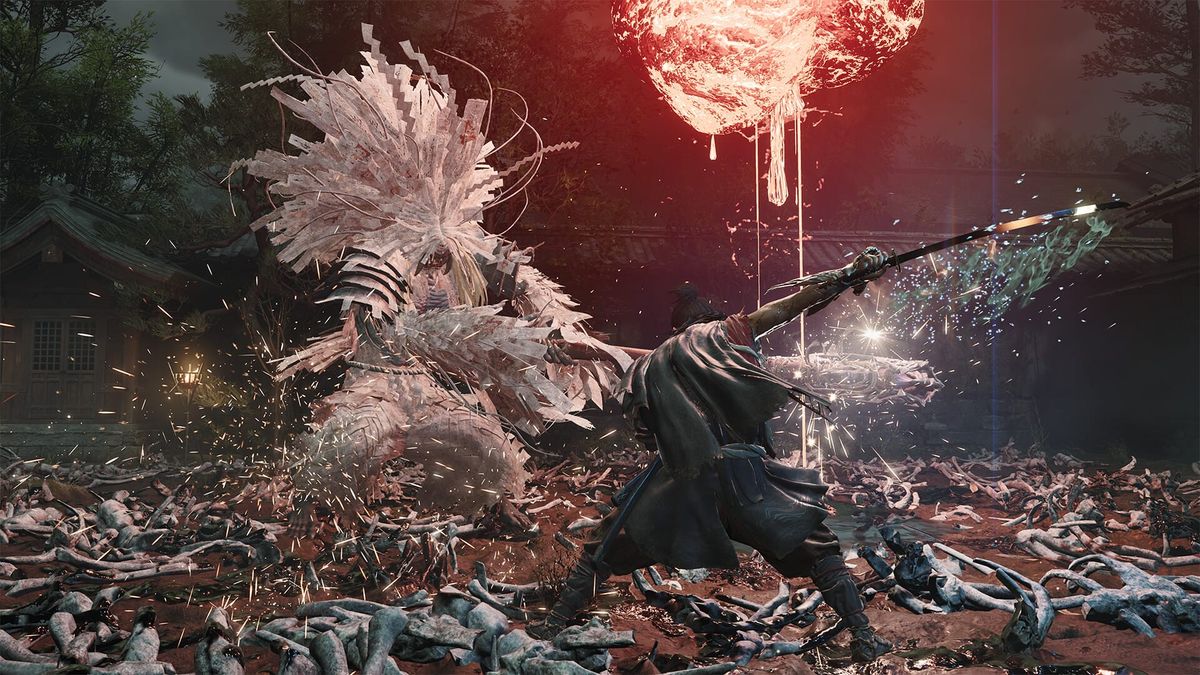
The Western triple-A game industry is currently facing an existential crisis characterized by unsustainable production costs, ballooning team sizes, and a rigid focus on photorealistic graphical fidelity. By prioritizing incremental technological advancements over innovative gameplay, major platform holders—specifically Microsoft and Sony—have trapped themselves in a cycle of diminishing returns. This strategy has necessitated massive budgets and long development timelines, effectively stifling creative risk and forcing a reliance on established intellectual property to justify the high costs of production.
The industry’s current trajectory is marked by frequent layoffs and a lack of strategic diversification. While Western titans struggle with these structural issues, the Japanese market and the emerging double-A sector offer potential paths forward. Japanese firms have successfully maintained high output by utilizing strategic outsourcing and maintaining leaner core creative teams, a model that contrasts sharply with the Western tendency to centralize production. Similarly, European double-A studios are demonstrating that high-quality, commercially successful games can be produced with significantly lower budgets, proving that innovation and visual fidelity are not mutually exclusive with fiscal restraint.
To navigate this downturn, the industry must shift its focus toward more sustainable development practices and a renewed trust in the player base. The current reliance on excessive hand-holding and focus-tested, bland design is alienating core audiences who value mechanical depth and friction. By adopting more flexible development models, embracing external co-development, and prioritizing creative risk, the industry may find a way to stabilize. Ultimately, the survival of the Western triple-A model depends on moving away from the pursuit of technological perfection and toward a more balanced, sustainable approach to game creation.

Hit Points · 2026
Hit Points · 2026
Hit Points · 2026
Hit Points · 2026

Hit Points · 2026
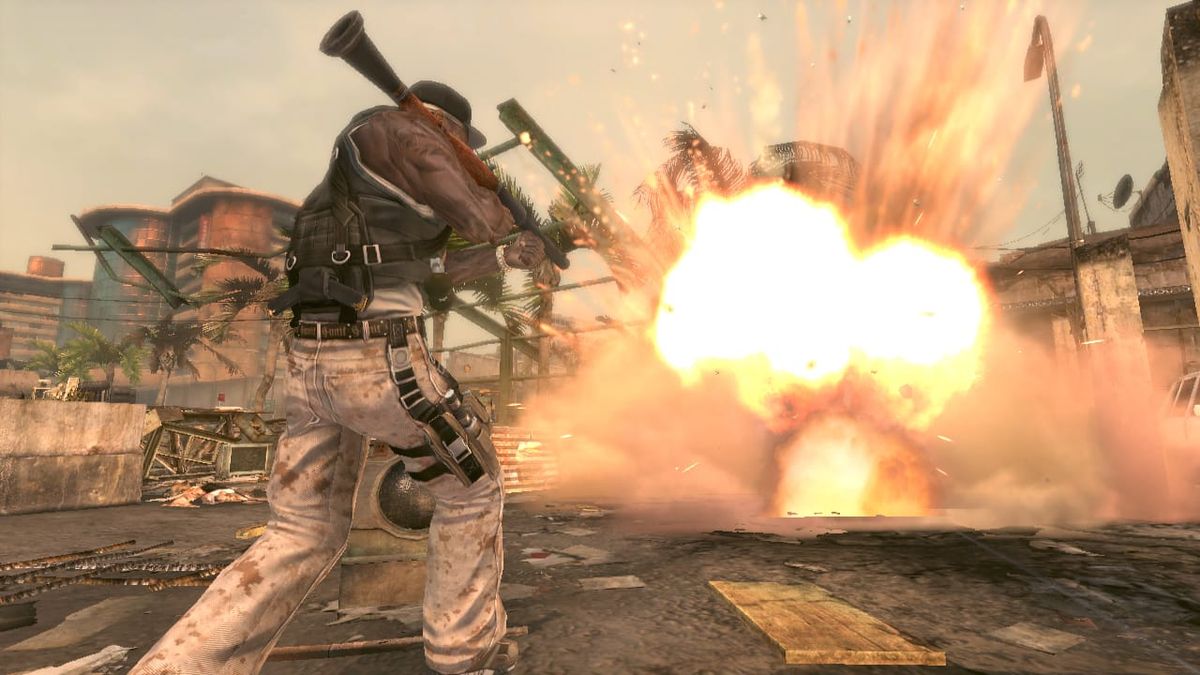
Hit Points · 2026
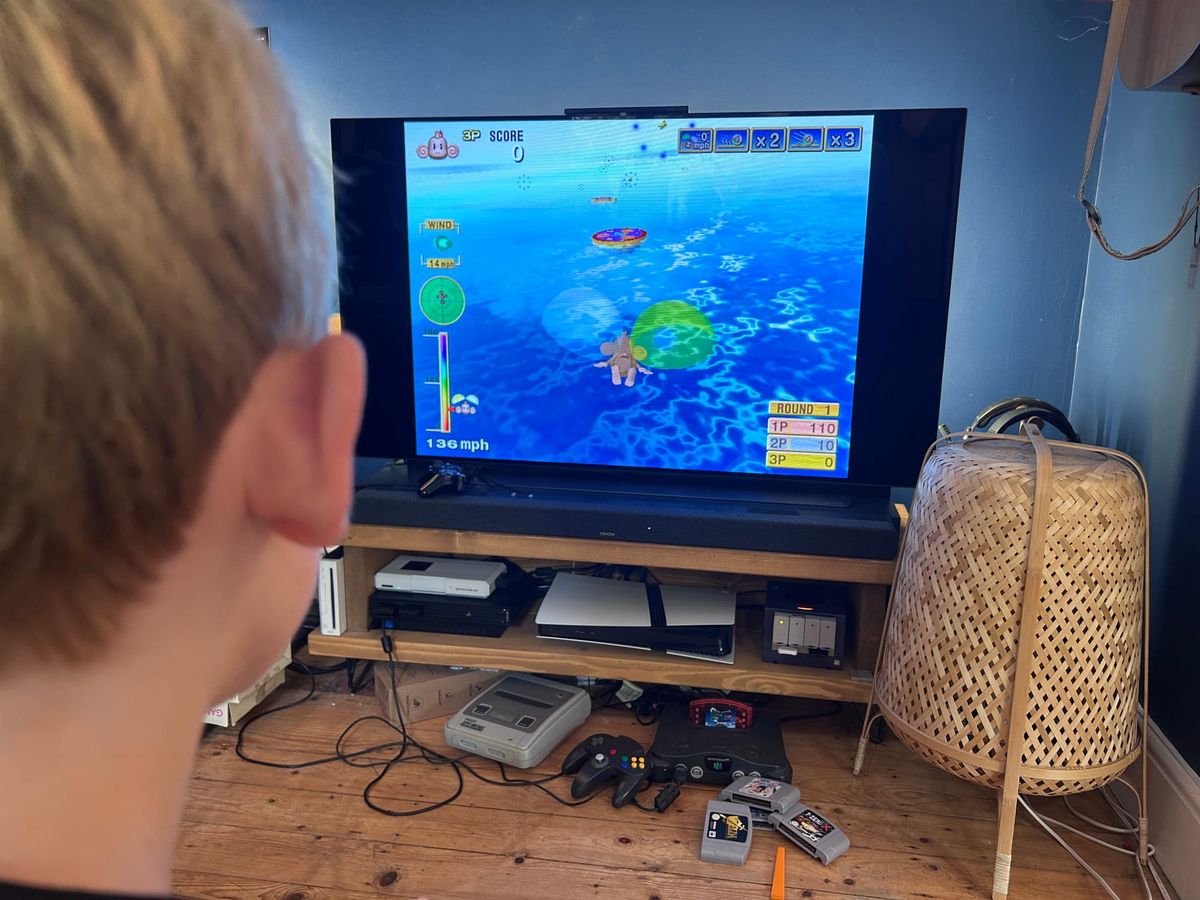
Hit Points · 2026

Hit Points · 2026
Hit Points · 2026
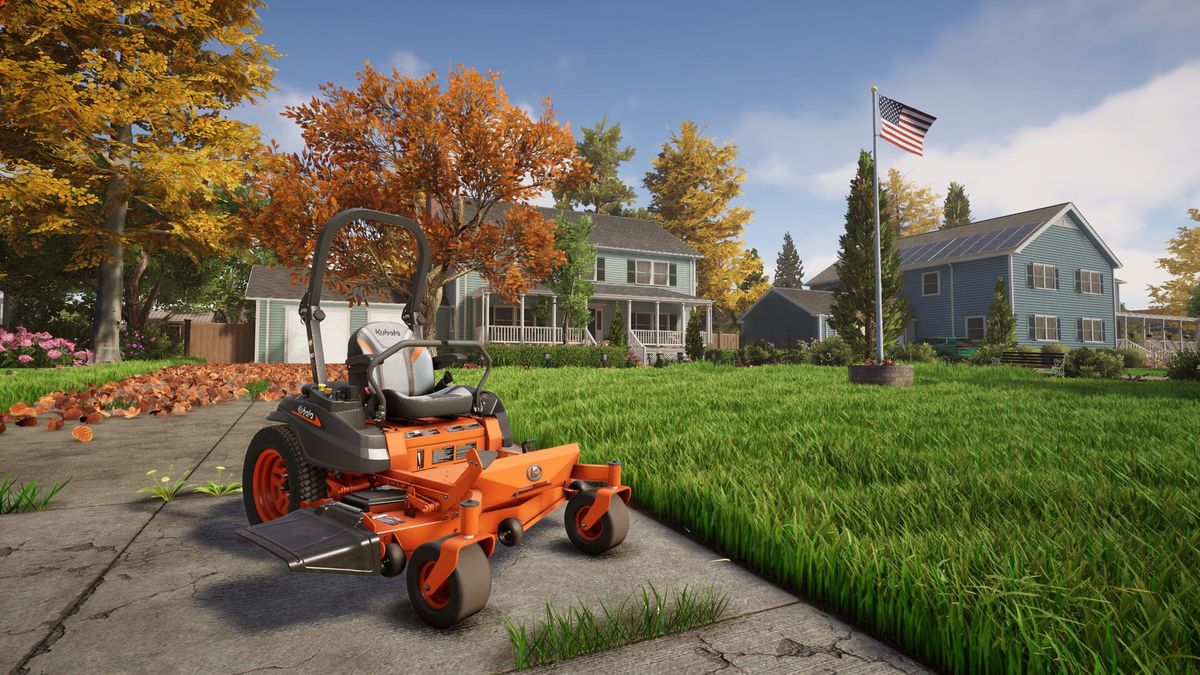
Hit Points · 2026

Hit Points · 2026

Hit Points · 2026

The Game Business · 2026

The Game Business · 2026

The Game Business · 2026

Jason Schreier · 2026

GameDiscoverCo · 2026
Jason Schreier · 2026

Deconstructor of Fun · 2026
Jason Schreier · 2026

Extra Credits · 2026

The Game Business · 2026
Jason Schreier · 2026
The Game Business · 2026
Comments