
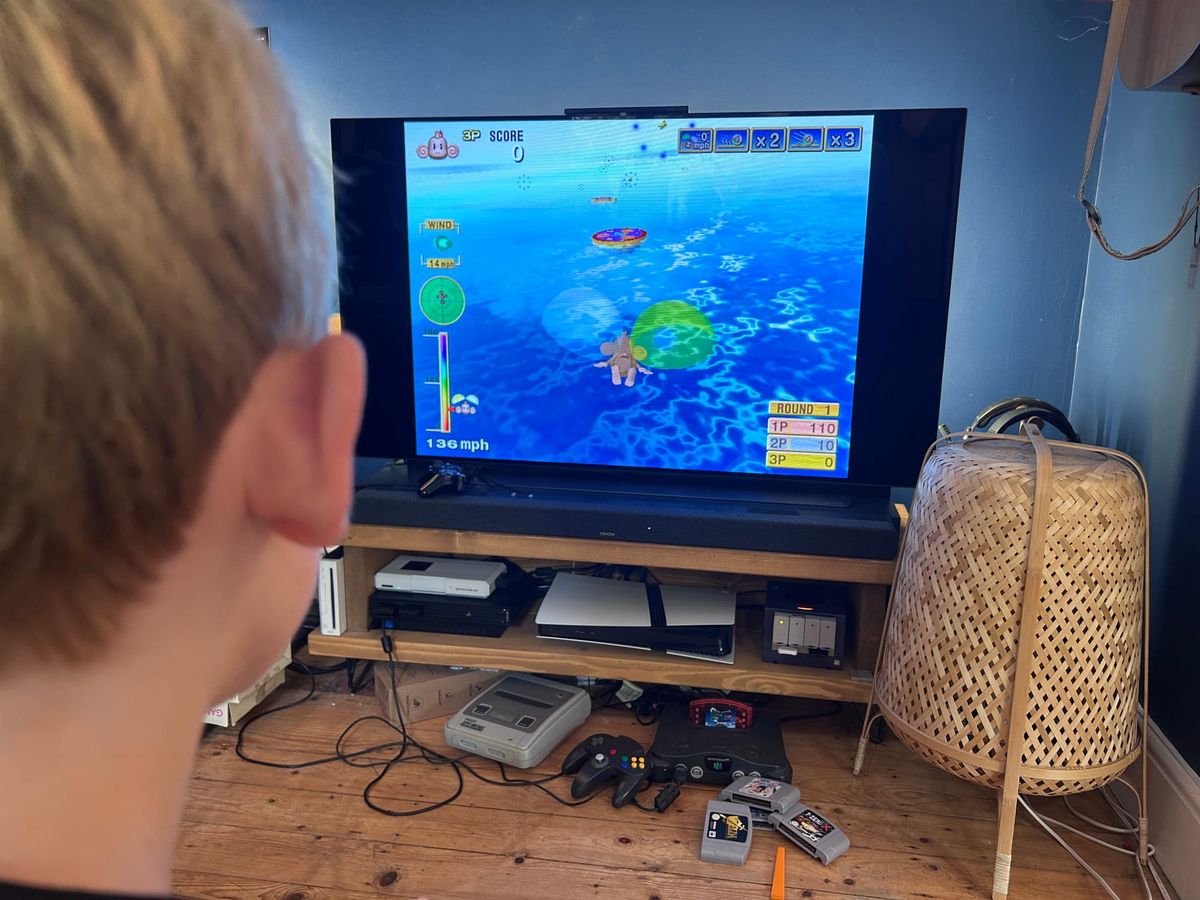
The gaming industry is undergoing a significant transition as Sony announced that, effective January 2028, it will cease the production of physical game discs for its consoles. This move represents the culmination of a long-term industry trend toward digital-only distribution, following similar shifts by competitors and the increasing prevalence of physical releases that contain only download codes. While the industry has been moving in this direction for years, the announcement underscores a broader decline in consumer ownership and the long-term accessibility of digital media.
The decision has drawn sharp criticism, particularly as it coincides with Sony’s recent actions to remove hundreds of purchased movies from its digital storefront and the planned closure of legacy online stores for the PS3 and PS Vita. These developments are viewed as evidence of a shift in corporate strategy that prioritizes digital control over consumer interests, contrasting with the company’s previous marketing emphasis on physical media and player-friendly policies. The industry landscape is further complicated by ongoing volatility, including Microsoft’s reported development of a disc-to-digital licensing scheme and continued organizational restructuring, layoffs, and project cancellations across major publishers.
Beyond the primary focus on Sony’s policy change, the industry continues to navigate a challenging environment characterized by legal disputes, such as the settlement between Krafton and Unknown Worlds, and aggressive intellectual property enforcement, exemplified by Valve’s intervention against Dbrand. As major publishers like Capcom adjust release schedules to avoid market saturation, the broader trend remains one of consolidation and a move toward a fully digital, service-oriented ecosystem that increasingly limits the traditional consumer experience of purchasing and retaining physical software.
Hit Points · 2026

Hit Points · 2026
Hit Points · 2026

Hit Points · 2026

Hit Points · 2026

Hit Points · 2026

Hit Points · 2026
Hit Points · 2026

Hit Points · 2026

Hit Points · 2026
Hit Points · 2026
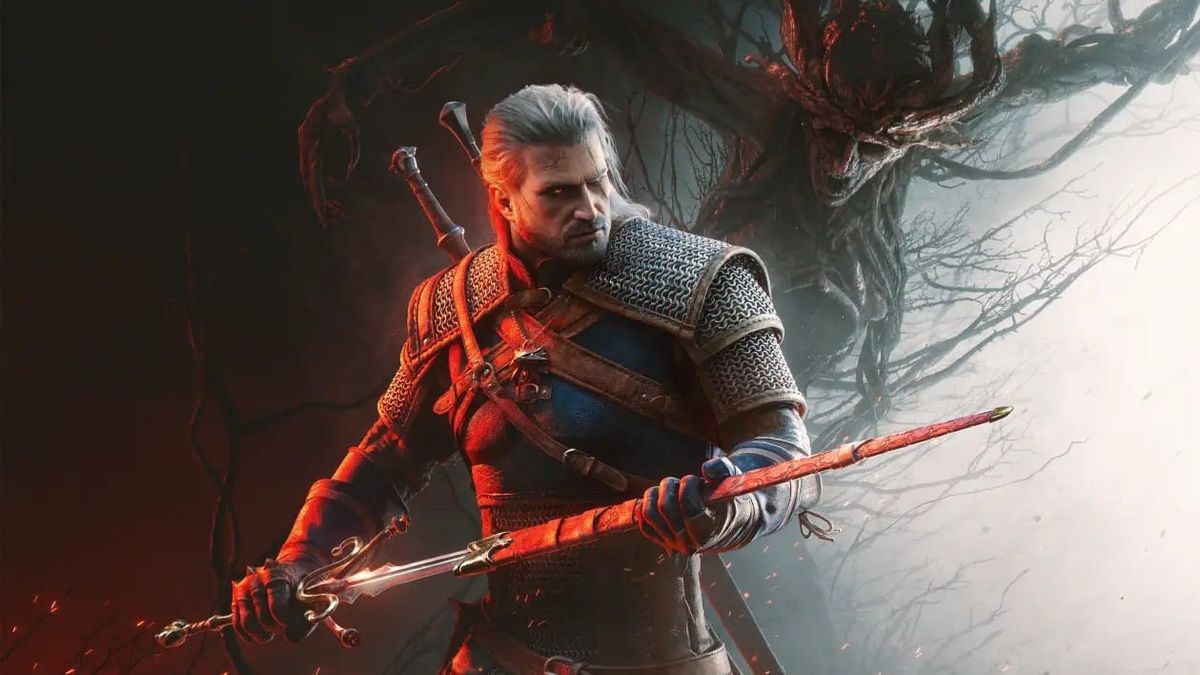
Hit Points · 2026

IGN Entertainment · 2026
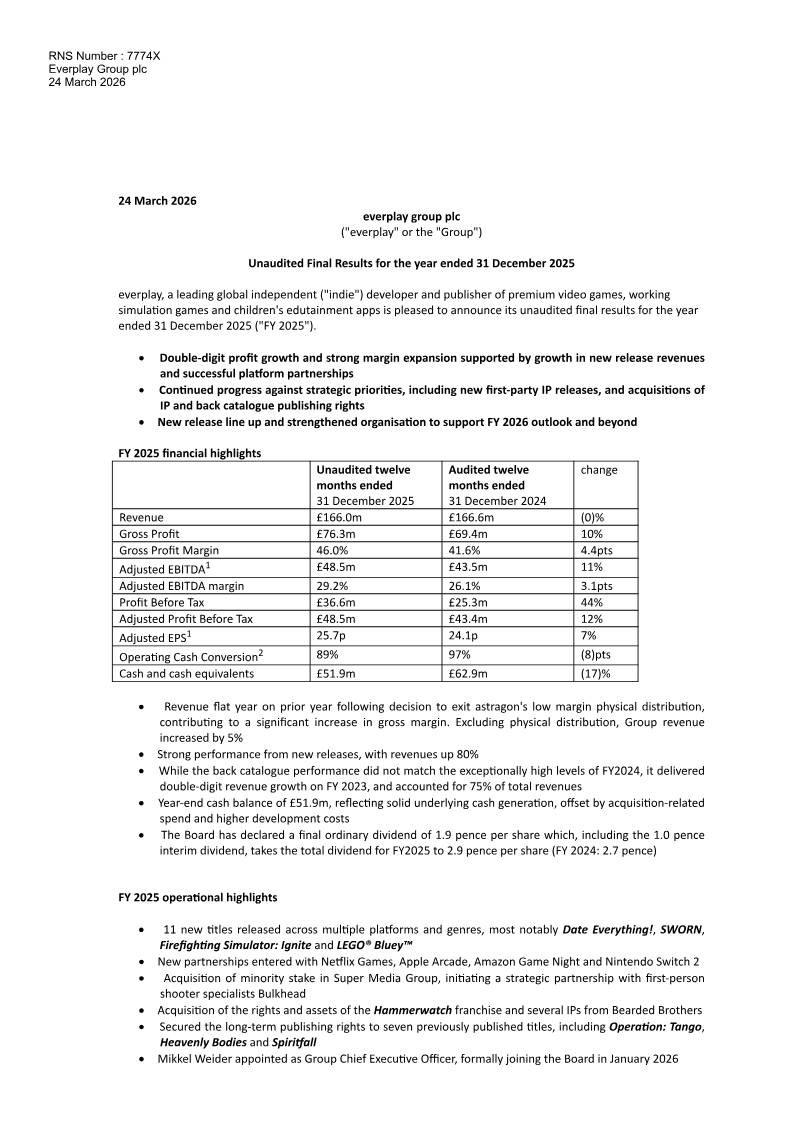
Everplay Group · 2026
Capcom · 2026

Square Enix · 2026

Coda · 2026
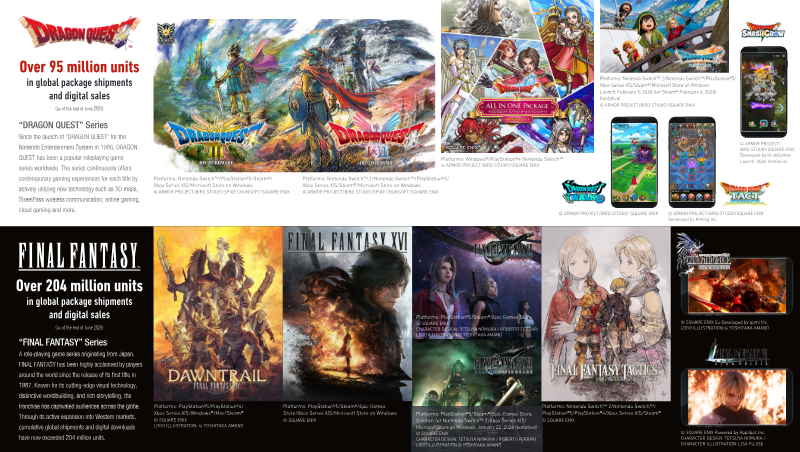
Square Enix · 2025
Rokky · 2025
CD Projekt · 2025

Thunderful · 2025
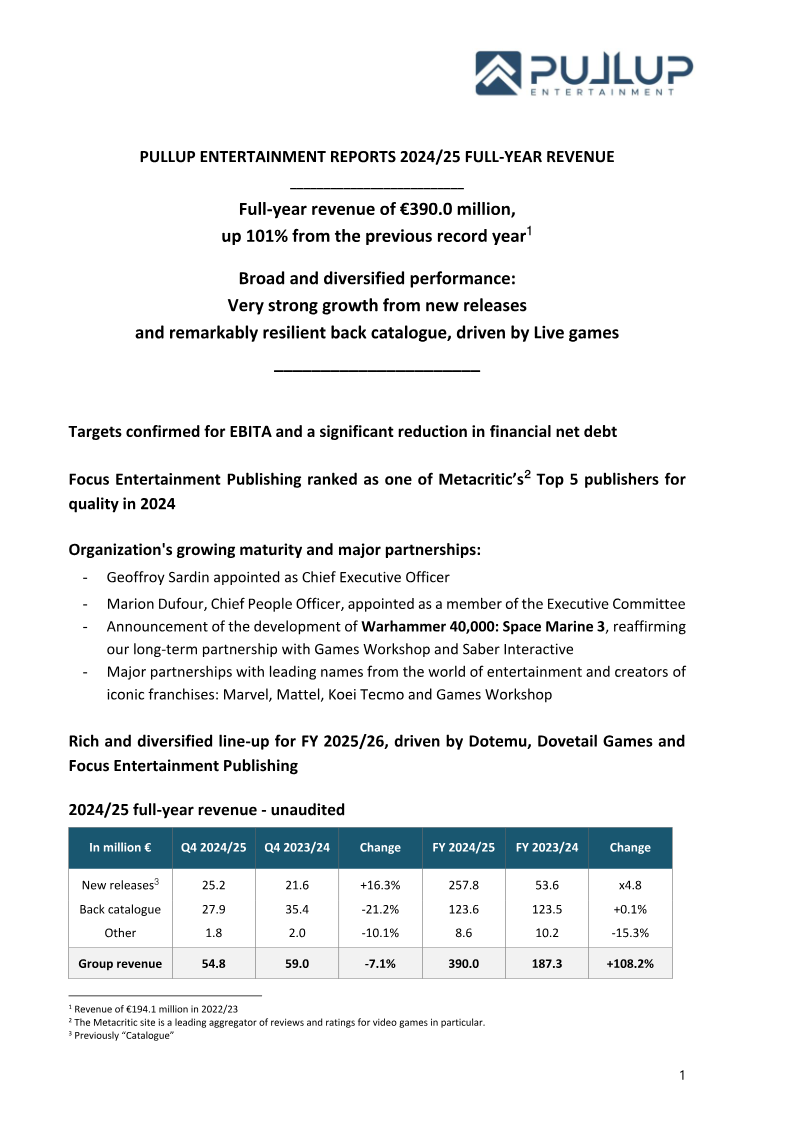
Pullup Entertainment · 2025

Koei Tecmo · 2025
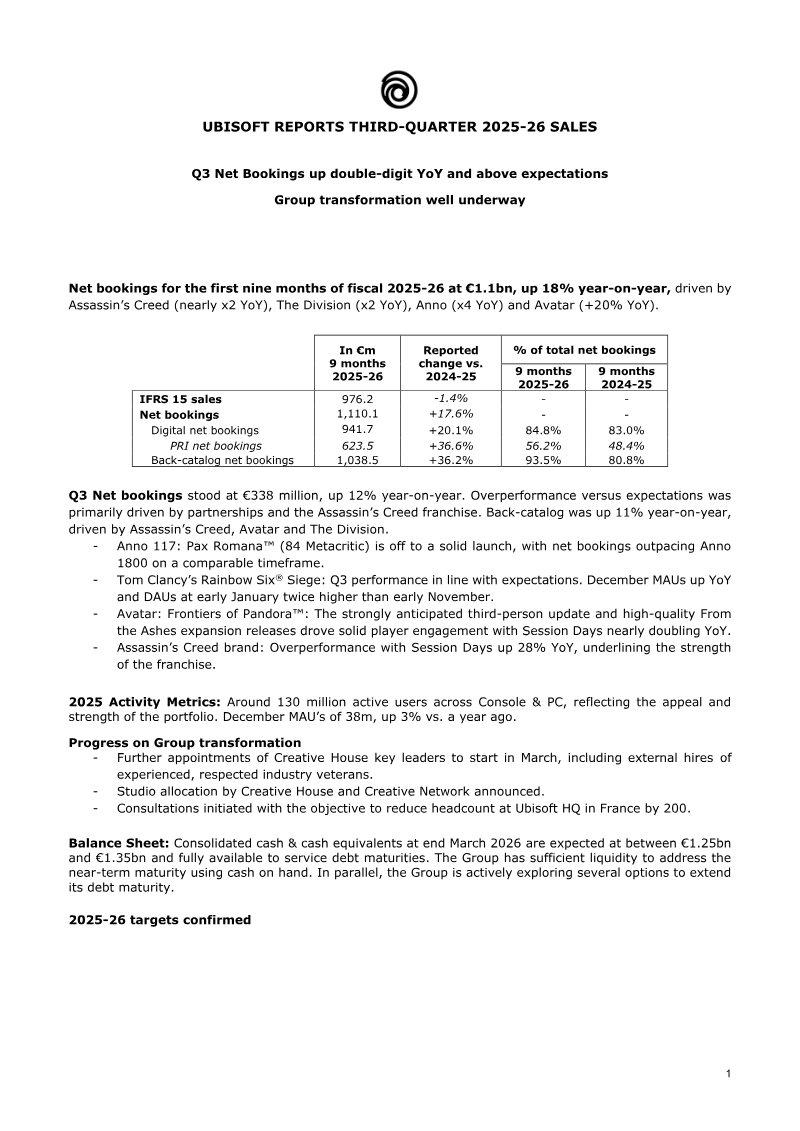
Ubisoft · 2025