Key insights
7 slides
The setting
Retro hardware interest resurfaces in 2026.
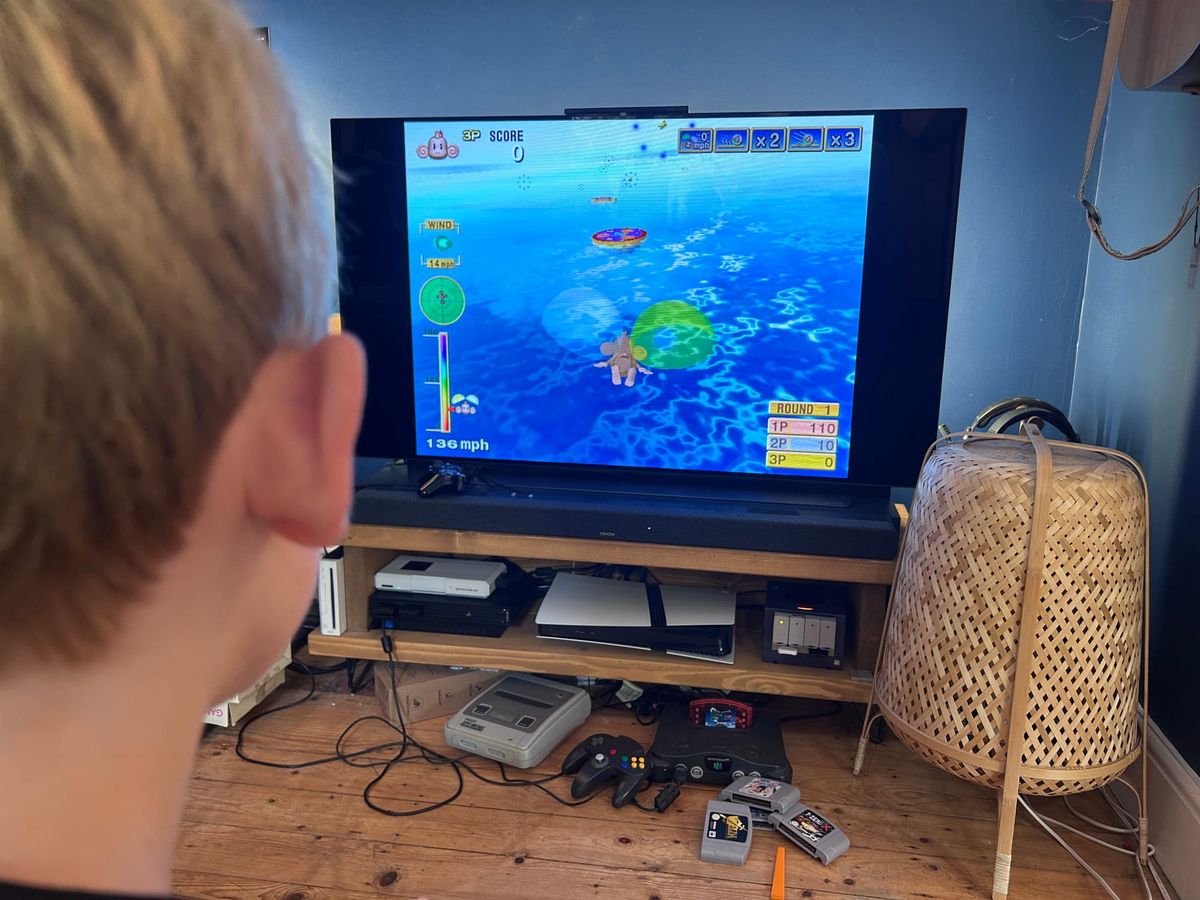
It examines the intersection of parenting, nostalgia, and gaming history preservation.
Key number
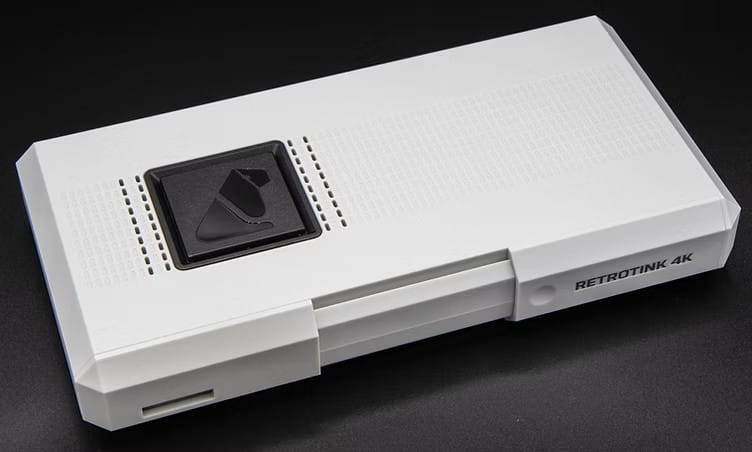
Retrotink 4K converts analog signals to 4K HDMI.
The device converts analog signals from older consoles to HDMI. It scales them to higher resolutions, up to 4K, with zero latency for modern TVs.
What it does
CRT emulation replicates the original look of classic games.
The device authentically replicates the original look of classic games. It includes CRT TV effects like scanlines and can mimic specific legendary CRT models.
CRT emulation. The Retrotink 4K can mimic specific legendary CRT models such as the Sony KV-FV310 or Toshiba AF44.
How it works
Users save video signal settings as profiles.
The device allows for extensive customization of video signals. Settings can be saved as profiles, with community-made profile bundles included on an SD card.
- 01Customize video signalsExtensive customization of video signals is available.
- 02Save as profilesSettings can be saved as 'profiles.'
- 03Use SD card bundlesCommunity-made profile bundles are included on an SD card.
Modernized storage
Legacy consoles use SD cards and hard drives.
The author has been actively upgrading older consoles. This includes adding an SD card for games to a GameCube and installing a 2TB HDD in a PS2.
The reprieve
Retro gaming offers a reprieve from modern complexity.
Playing retro games on original hardware with the Retrotink 4K has provided the author with significant enjoyment. This contrasts with the perceived bloat and cruft of modern gaming in 2026.
Future focus
Hit Points plans to revisit beloved classic games.
The author plans to dedicate future subscriber editions of Hit Points to revisiting beloved classic games.
1 / 7
Ask AI about this report