Key insights
4 slides
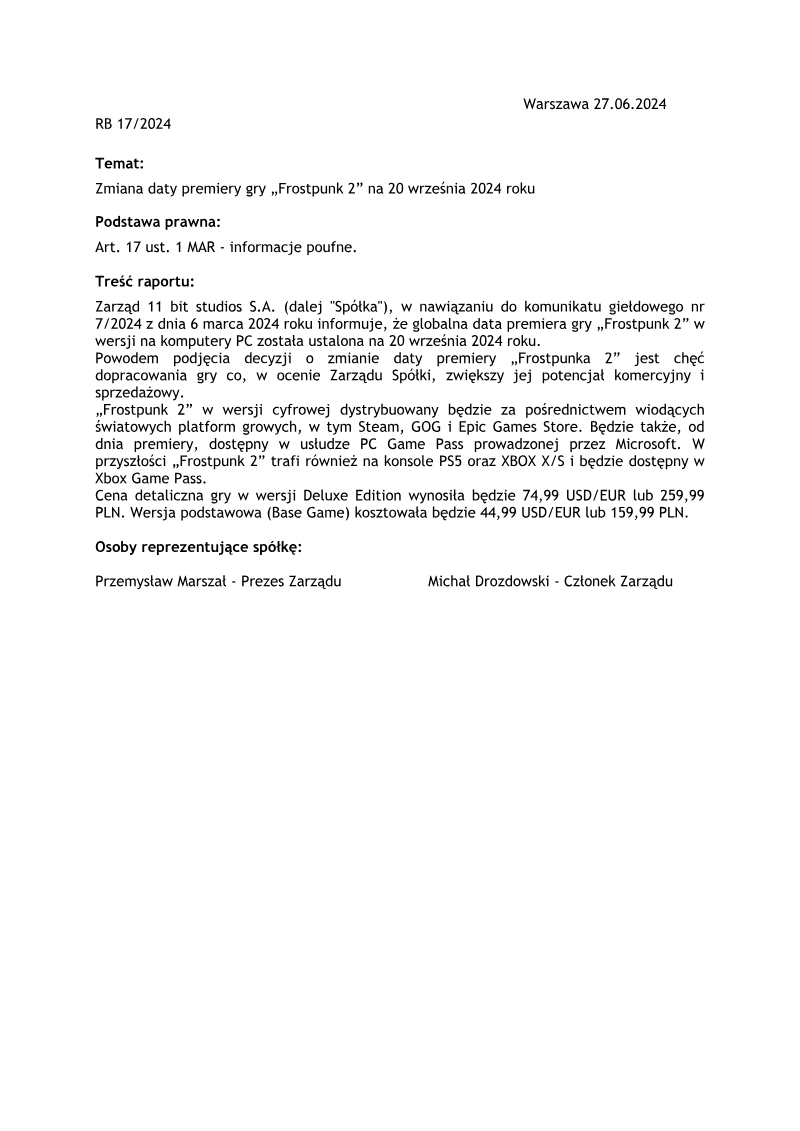
What changed
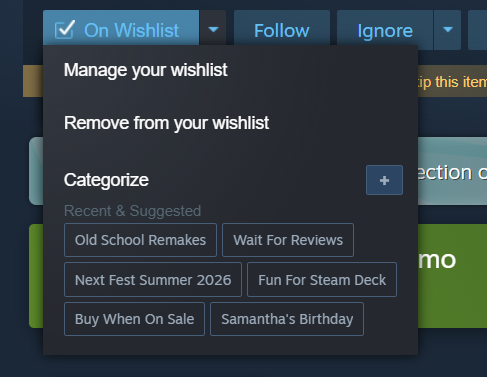
Valve introduced user-defined categories to Steam's wishlist functionality.
The update enhances the utility of wishlists, which remain a critical metric for gauging consumer interest and securing developer funding. Players can now organize titles based on personal criteria such as pricing, review status, or gifting intent.
User curation. Valve has introduced significant improvements to Steam's wishlist functionality, including better organization, filtering, and the ability to gift wishlisted games.
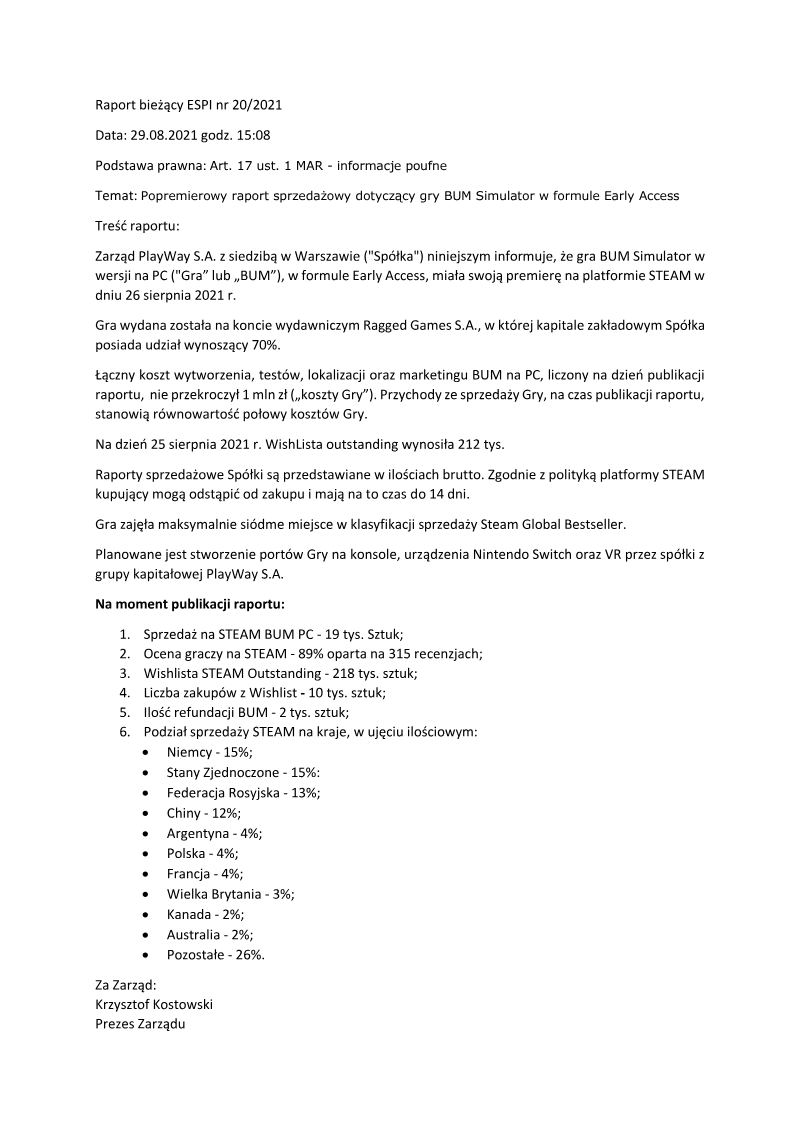
The gap
Sony's PlayStation Store lacks robust wishlist management and discovery tools.
The PlayStation platform is characterized as functionally inadequate for modern consumer needs.
Stagnant infrastructure. Sony's PlayStation Store is criticized for its poor functionality, particularly its wishlist feature which lacks essential notifications for sales or releases.
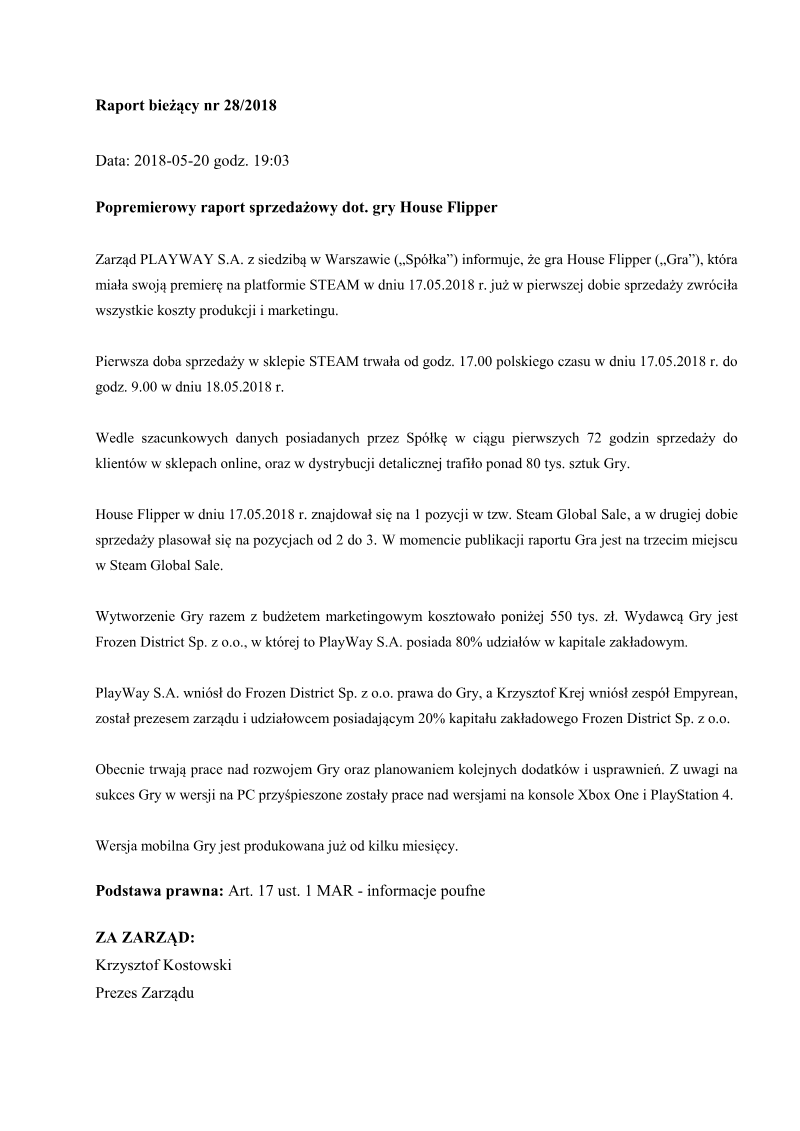
Xbox moves
Xbox is nearing release of an ad-supported cloud streaming service.
The service is for Xbox Insiders, allowing them to play owned games with ads only at the start of one-hour sessions.
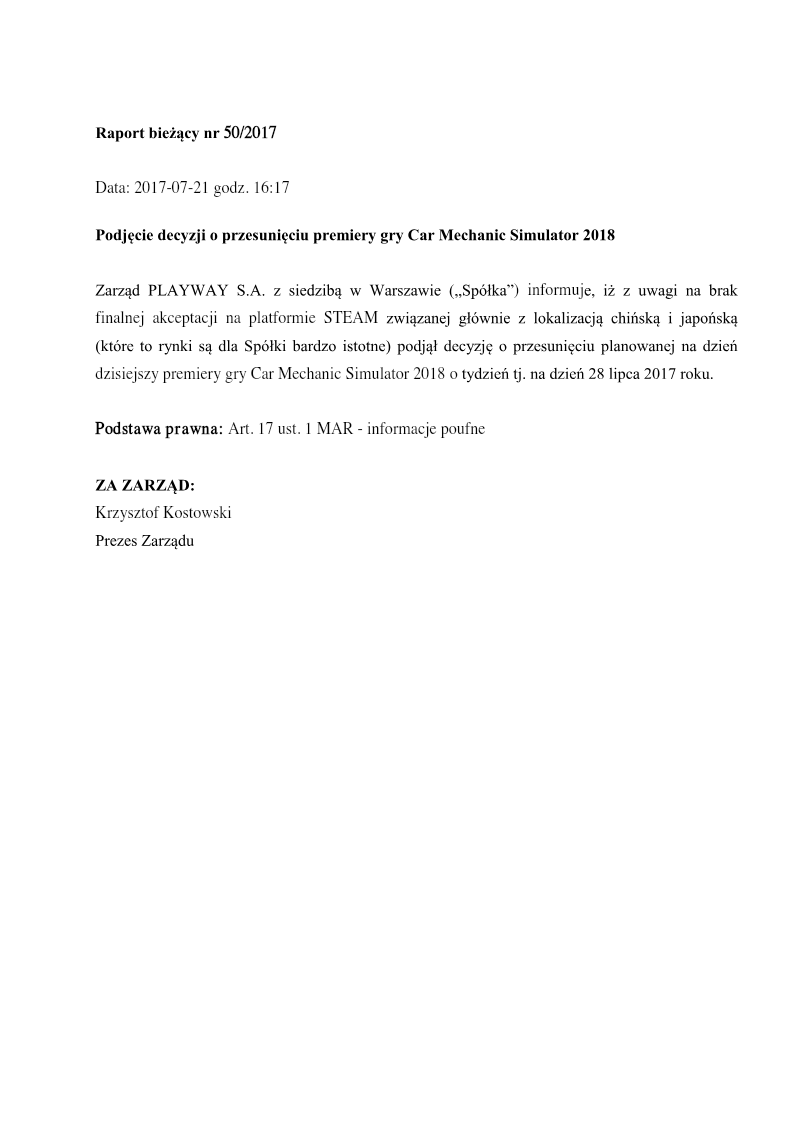
Long-term viability
Granular, user-centric features will likely determine storefront long-term viability.
The focus has shifted toward optimizing digital ecosystems to maintain engagement. The ability of storefronts to provide these features will likely determine their long-term viability in an increasingly crowded and competitive digital marketplace.
1 / 4
Ask AI about this report