Key insights
7 slides
Shifting Priorities
Major platform holders are increasingly risk-averse.
The gaming industry is undergoing profound instability, characterized by a shift toward extreme risk aversion among major platform holders.
Publisher Decisions
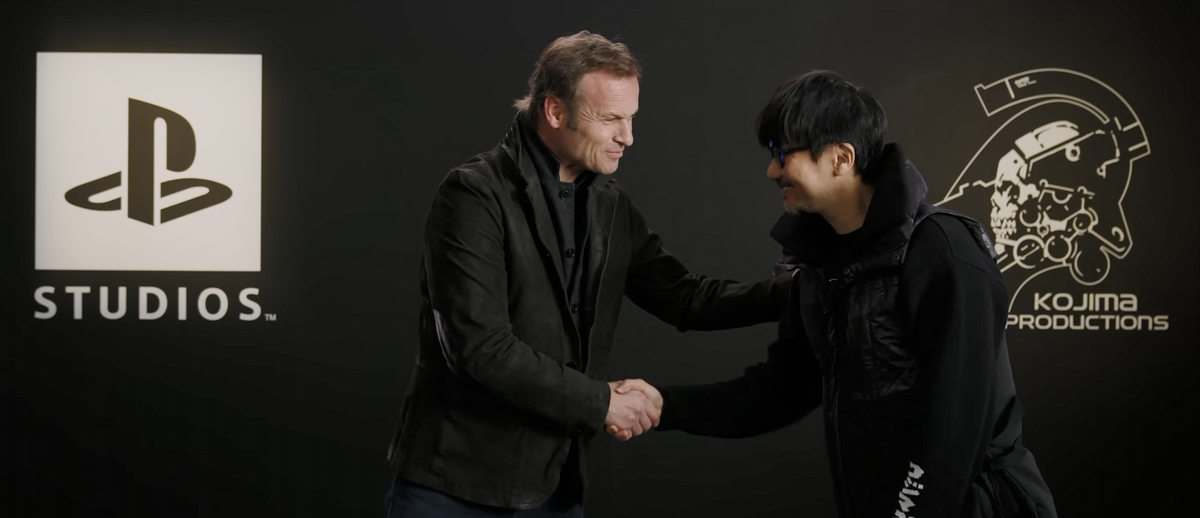
Sony cancelled its publishing deal for Hideo Kojima’s Physint.
Sony reportedly abandoned the project due to concerns over profitability and the high costs associated with Kojima’s development style. Microsoft has since stepped in to publish the game.
Project Shift. Sony cancelled its publishing deal for Hideo Kojima’s upcoming stealth-action game, Physint, leading Microsoft to pick up the project as an Xbox exclusive.
Performance Impact
Death Stranding 2's sales performance influenced Sony's decision.
Death Stranding 2 reached 2 million copies sold by June 2026.
2 million
Death Stranding 2 copies sold by June 2026.
- Original Death Stranding sales in first 18 months
- 5 million
Publisher Actions
Microsoft attempted to implement playtime caps on cloud-streamed games.
Microsoft was forced to walk back the policy for existing subscribers in certain regions. This was due to local legislation.
Studio Instability
Dontnod announced 90 staff layoffs and warned investors.
The developer of Life Is Strange warned investors that the company may not be able to continue operations past January 2027.
Technological Shifts
EA confirmed the use of generative AI voice technology in NHL 2027.
EA cited a partnership with broadcasters John Buccigross and Darren Pang.
Security Concerns
Valve experienced a significant data leak.
An automated database update exposed work-in-progress achievement lists for hundreds of unannounced games. This followed a separate incident involving 13TB of internal documentation.
1 / 7
Ask AI about this report