Mike
Company
Documents about Mike
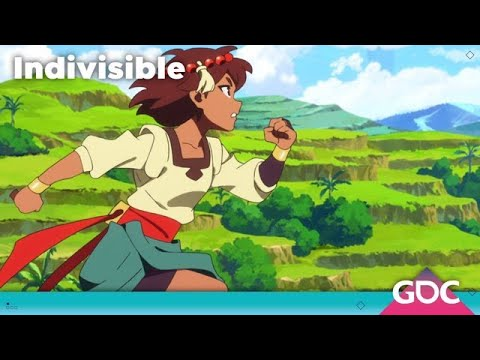
GDC Plays indivisible with Mike Z and Mariel Cartwright
The development of Indivisible serves as a case study in balancing ambitious creative vision with the practical realities of independent game production.
- Lab Zero Games chose IndieGoGo over Kickstarter for their crowdfunding campaign because IndieGoGo charged lower overhead fees, though they noted that Kickstarter holds significantly more brand recognition and reach in the industry.
- The team prioritized open development by hosting multiple backer previews, which provided valuable public feedback but required significant extra work to ensure early builds did not spoil the game's story.
- To optimize performance for the Nintendo Switch, the developers cut content and character screens to reduce memory usage, ensuring the console only needed to load active NPCs and party members rather than entire level assets.
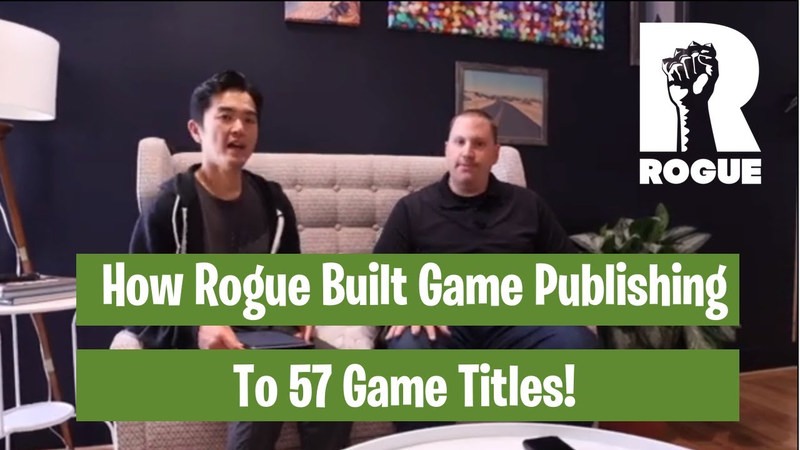
Rogue Games | Publishing 57 Game Titles!
Rogue Games, a mobile game publisher founded by industry veteran Mike DeLaet, has established a significant market presence by managing a pipeline of 57 game titles with a lean team of ten employees.
- Rogue Games manages a portfolio of 57 titles with a lean team of only ten employees, focusing on a licensing model rather than high-risk upfront development.
- The company utilizes a data-driven methodology that prioritizes iterative improvements, including rigorous critiques of first-time user experience, retention, and monetization before committing to worldwide marketing.
- By leveraging soft launches to gather analytics, the firm avoids the financial risks of large-scale, rigid marketing commitments common in traditional publishing.
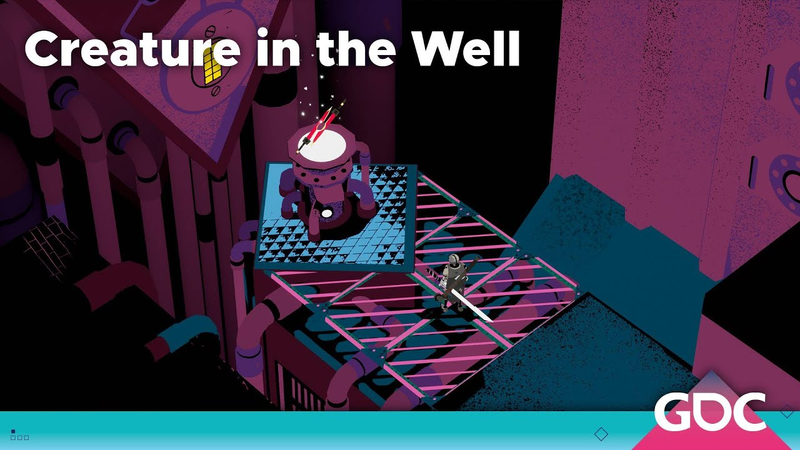
GDC Plays Creature in the Well with Adam Volker
Creature in the Well represents a distinct fusion of genres, blending traditional dungeon crawling with pinball mechanics to create a unique "pinbrawler" experience.
- Flight School Studio created a 'pinbrawler' genre fusion by replacing traditional combat mechanics with pinball-style energy ball launching to power a factory.
- The development team utilized a 70/30 design rule, blending familiar genre tropes with novel mechanics to ensure the game remained intuitive while offering a fresh challenge.
- To maintain mechanical depth and narrative cohesion, the studio rejected procedural generation in favor of a handcrafted, iterative design approach.

Mike Bithell on strategies for indie success
Independent developers achieve long-term sustainability by prioritizing unique, non-clonable experiences over chasing fleeting market trends.
- Prioritize unique, non-clonable game experiences over chasing market trends to ensure long-term studio sustainability.
- Maintain lean business structures by capping headcount to preserve agility and using rapid prototyping, such as game jams, to test core mechanics.
- Utilize platforms like Early Access to integrate player feedback throughout the production cycle, which aligns the final product with audience expectations and extends the game's lifecycle.
Mike Bithell on indie design - PG Connects Bangalore 2015
The definition of independent game development has shifted from a focus on production scale to a philosophy centered on creative autonomy and the willingness to take calculated risks.
- Indie development is defined by creative autonomy and calculated risk-taking, requiring a balance between a singular personal vision and rigorous, iterative playtesting.
- Small teams must adopt a jack-of-all-trades mindset to prioritize core mechanics and emotional resonance early, maintaining the agility that larger corporate studios often lack.
- Marketing and design must be integrated from the project's inception, utilizing channels like YouTube to capture authentic player reactions for actionable feedback.