LLC
Company
Documents about LLC
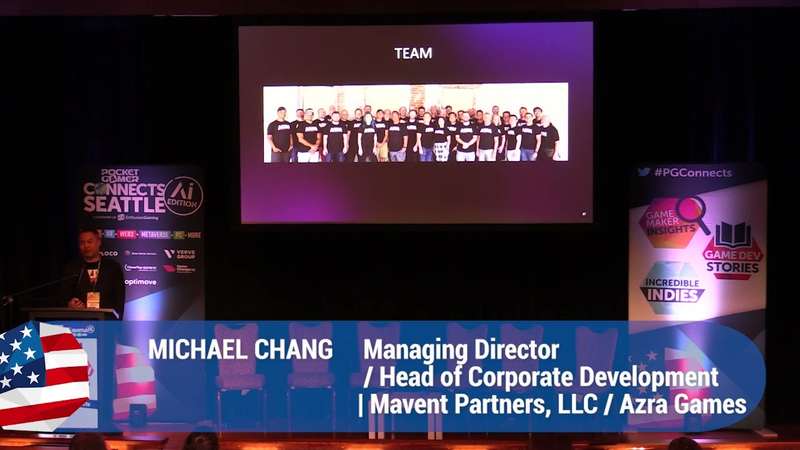
Session: How To Build The Next Forever Game Franchise - Michael Chang, Mavent Partners, LLC
Building a "forever franchise" in the modern gaming industry requires a strategic approach to development, market positioning, and team composition.
- Building a sustainable game franchise requires a 'Holy Trinity' of investment criteria: a resilient management team, a defensible position in a rapidly growing market segment, and a distinct competitive advantage.
- Modern game development has shifted to a high-stakes environment where mobile titles frequently require development and marketing budgets reaching tens of millions of dollars.
- Success in a saturated market necessitates an 'unfair competitive advantage,' such as proprietary technology, exclusive intellectual property, or unique distribution channels.
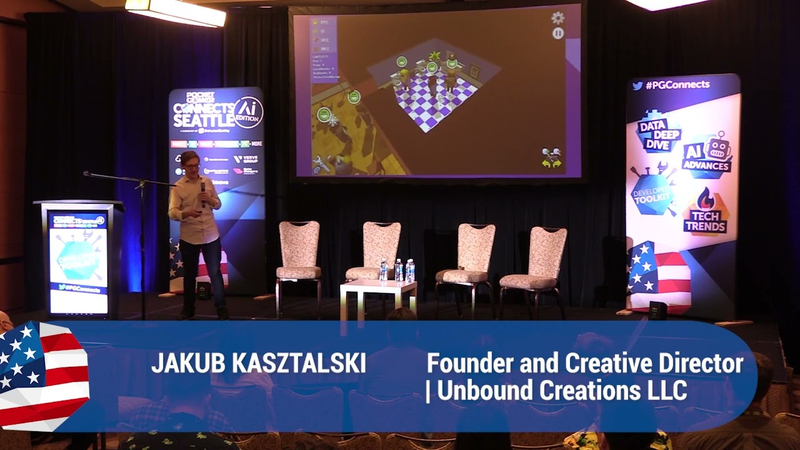
Session: Prototype Everything, Jakub Kasztalski, Unbound Creations LLC
The presentation advocates for a comprehensive approach to game development by applying prototyping techniques to every facet of a project, rather than focusing exclusively on gameplay mechanics.
- Prototyping must extend beyond gameplay mechanics to include art, sound, user interface, and marketing materials to validate the project's overall vision.
- Early prototyping of aesthetic and atmospheric elements helps identify design flaws and readability issues, preventing costly production changes later in the development cycle.
- Marketing assets such as GIFs, Steam capsules, and logos should be tested on social platforms during the prototype phase to gather data on audience engagement and refine target demographics.

How To Start A Game Studio (LEGALLY)
Establishing a game studio as a Limited Liability Company (LLC) serves as a critical step for independent developers to manage legal risks and tax obligations.
- Forming an LLC establishes a corporate veil that protects an owner’s personal assets from business-related lawsuits, including claims of negligence or tort liability.
- LLCs utilize pass-through taxation, which prevents the double taxation typically associated with corporations by taxing profits at the individual owner level.
- Developers can reduce their tax burden by deducting legitimate business expenses, such as game development costs, bug fixing, and operational overhead, from their gross income.
When to call it quits... (Indie Game Dev Q&A)
This analysis addresses the challenges of transitioning to full-time indie game development, focusing on narrative design, business sustainability, and the psychological aspects of creative entrepreneurship.
- Long-term indie success requires balancing artistic vision with a rigorous business strategy, treating financial sustainability as the necessary infrastructure for creative longevity.
- Financial viability is not an accidental byproduct of game quality but the result of intentional marketing and strategic revenue planning.
- Developers should adopt a hybrid revenue model, combining irregular capital injections like game sales and publisher advances with stable, recurring income from platforms like Patreon and YouTube.

Mailbag 3 - Questions About the Game Industry - Extra Credits
This analysis addresses common inquiries regarding the game industry, focusing on professional development, studio management, and market dynamics.
- Practical experience and project completion are the most effective credentials for career advancement, outweighing traditional management degrees for aspiring producers.
- Aspiring producers should prioritize studies in psychology or business over management-specific degrees to better navigate the interpersonal and operational challenges of game development.
- Launching an independent studio is a low-barrier process that requires only a core team, the formation of a legal entity like an LLC, and active promotion through public platforms and competitions.