indie
CompanyUnited States
Documents about indie

Making Your First Indie Game (5 Tips!)
Developing a first indie game requires a structured approach that balances creative inspiration with technical discipline.
- Allocate 40 percent of the total development timeline specifically for the polish phase to ensure the transition from a functional prototype to a professional-grade product.
- Define core gameplay mechanics and movement constraints early in the development cycle to prevent player confusion and minimize the need for costly rework.
- Utilize modular design and asset reuse throughout production to scale environments efficiently, reserving unique, high-effort assets for the final stages.

The #1 Trait Of A Great Game Developer
The core thesis of this discussion is that playfulness and genuine passion are the essential traits for successful indie game development, serving as the primary antidotes to the creative paralysis caused by perfectionism and fear of failure.
- Playfulness acts as the primary antidote to creative paralysis and perfectionism, allowing developers to overcome the fear of failure that often leads to stagnant, over-revised game mechanics.
- A developer's tendency to link their personal identity to their project creates counterproductive pressure that hinders progress and leads to constant, unnecessary revisions.
- The concept of 'quality' in game development is subjective and does not reliably correlate with immediate commercial success or critical reception.

How To Launch An Indie Game
The launch of an indie game is a high-stakes, emotionally taxing milestone that requires meticulous preparation to ensure long-term viability.
- The initial launch window on platforms like Steam is the primary opportunity for visibility and positive reviews, making immediate product polish critical despite the ability to patch post-release.
- Indie titles typically have a predictable sales shelf-life of approximately three years, necessitating a consistent release cadence to maintain long-term studio viability.
- To mitigate financial risk and avoid the complications of revenue-sharing models, studios should utilize project-based contracting for specialized tasks rather than hiring full-time staff prematurely.

"Indie" Is A Stupid Word
The term indie has become an increasingly imprecise and potentially damaging label within the game development industry.
- The term 'indie' has become an imprecise label that fails to reflect the professional reality of modern game developers who operate as legitimate businesses rather than hobbyists.
- Developers should transition to identifying as professional studios or startups to avoid the restrictive stereotypes associated with indie games, such as amateur production values or limited scope.
- The industry's persistent focus on the financial struggles of small-scale developers, often reinforced through self-deprecating social media content, is damaging to professional morale.

Will You Snail? - Q&A (Indie Game Devlog)
The development of the indie platformer Will You Snail centers on a unique core mechanic where an artificial intelligence tracks player movement to generate obstacles in real-time.
- The game features a core mechanic where an AI tracks player movement to generate real-time obstacles, creating a high-intensity, rage-inducing experience.
- The developer is prioritizing viral reach and streamer engagement over immediate monetization, with plans to release the title for free.
- The visual identity has been refined from a chaotic aesthetic to a polished, high-contrast red style to improve watchability and differentiate the game in the rage-platformer genre.
The 2016 Failure Workshop
The indie game development landscape is frequently defined by the psychological and operational hurdles that follow an initial success.
- Developers often trigger a 'sophomore slump' by over-engineering and succumbing to feature creep in an attempt to replicate previous successes.
- Avoiding early, unpolished feedback stifles the iterative process, leading to prolonged development cycles that lack a cohesive core.
- Strategic failure frequently results from a misalignment between a game’s core fantasy and its aesthetic presentation, causing target audiences to reject technically proficient products.
Anyone Can Make 2D Games! Here's How!
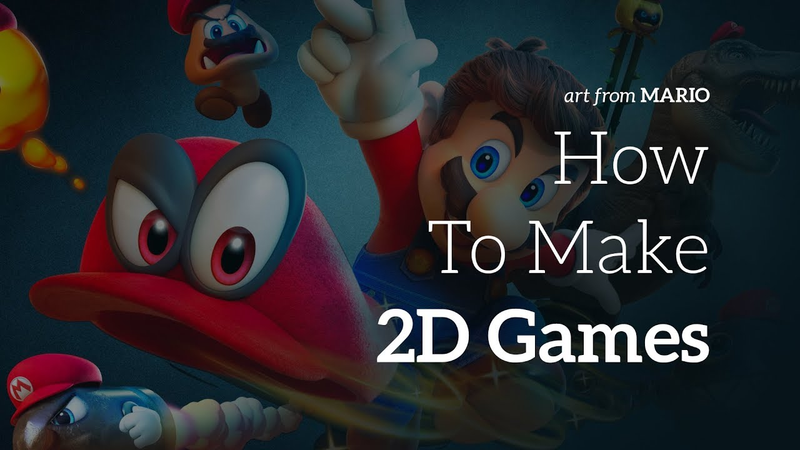
The primary objective of this guide is to provide an efficient, scalable workflow for indie developers to create high-quality 2D game environments.
- Indie developers can achieve professional-grade 2D environments by prioritizing modular design and asset reuse over creating unique illustrations for every game element.
- The 'stamp' technique utilizes reusable vector assets like moss, bricks, and foliage, which are modified through rotation, scaling, and color adjustments to maintain visual variety efficiently.
- Unity’s Z-axis arrangement enables a parallax system where movement speed is tied to depth, effectively simulating a 3D environment within a 2D space.

My Secret To 2D Game Character Animation
The primary objective of this technical demonstration is to outline an efficient workflow for animating 2D game characters using Adobe Photoshop and Spine.
- Achieve fluid, organic movement by staggering the timing and scale of individual bones relative to the root bone to avoid the rigidity of synchronized skeletal animation.
- Implement a hierarchical rigging structure by anchoring components like wings and necks to logical anatomical points after exporting layered assets from Photoshop into Spine.
- Utilize sine-wave motion patterns to simulate natural, continuous movement such as flight cycles.
Making the World Give a Damn About Your Game in 2018
Success in the 2018 gaming market requires a departure from passive strategies, demanding that developers actively engineer visibility through precise market positioning and community cultivation.
- Steam wishlists typically convert at a rate of 7% to 12% during the first month of a game's launch, making them a critical metric for predicting initial sales volume.
- Marketing strategies should prioritize building a dedicated Discord community early, using tactics like team-based challenges and exclusive rewards to foster long-term engagement before the game is even playable.
- Influencer coverage from YouTubers and Twitch streamers rarely causes immediate sales spikes and should be viewed as a tool for long-term visibility rather than a primary driver of launch-day revenue.
Obsessive-Compulsive Development: Retro/Grade Postmortem
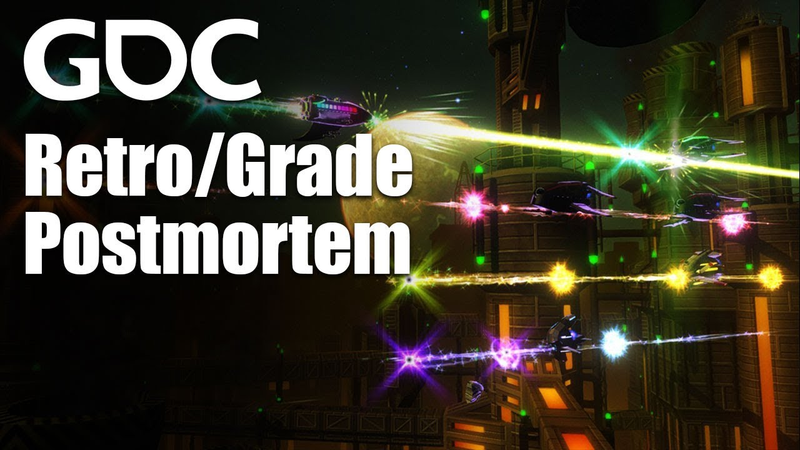
The four-year development cycle of the rhythm-shooter Retro/Grade serves as a cautionary study on the dangers of perfectionism within the independent game industry.
- The four-year development cycle of Retro/Grade resulted in a codebase of 750,000 lines, illustrating how unchecked perfectionism can lead to unsustainable project scope.
- Over-engineering technical features, such as complex 3D procedural systems, failed to generate a return on investment and did not align with actual market demand.
- Indie developers must prioritize core gameplay and project viability over technical excellence to avoid the financial strain caused by disproportionate resource allocation.
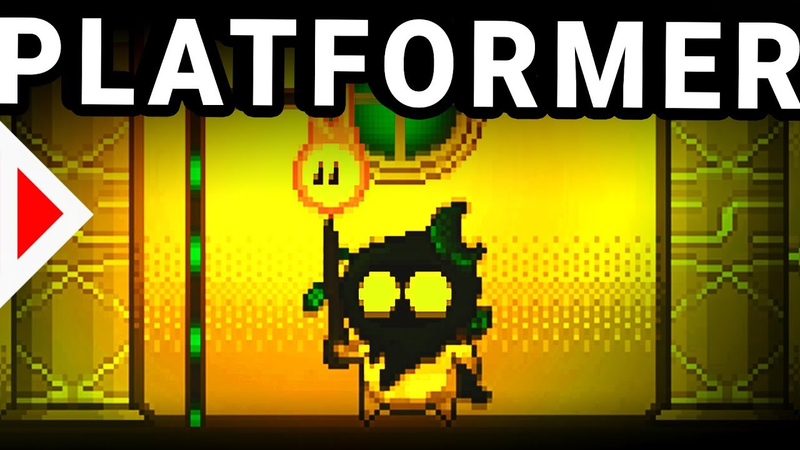
I Still Play Your Platformer Games!... #011
This analysis evaluates the design of the indie 2D platformer Branched, focusing on gameplay mechanics, level design, and world-building.
- The core fireball mechanic requires increased depth and non-combat utility, as it currently lacks the complexity needed to raise the skill ceiling.
- Combat design currently discourages player engagement by punishing interaction with enemies, which undermines the intended sense of progression.
- The game features strong Metroidvania-style level design that successfully encourages exploration and meaningful backtracking.

How I Destroyed My Anxiety For Good
The primary thesis of this account is that consistent, high-intensity physical exercise—specifically weightlifting—serves as a highly effective, non-pharmaceutical intervention for managing and eliminating chronic anxiety.
- High-intensity weightlifting serves as a primary, non-pharmaceutical intervention for managing chronic anxiety in sedentary, high-pressure creative professions.
- Physical exertion triggers the release of endorphins, providing mental clarity and a sense of power that the author finds superior to the dulling effects of traditional anxiety medication.
- Developing physical fitness provides a stable sense of control and self-worth that acts as an emotional anchor during periods of professional or personal instability.