Engine
Company
Documents about Engine
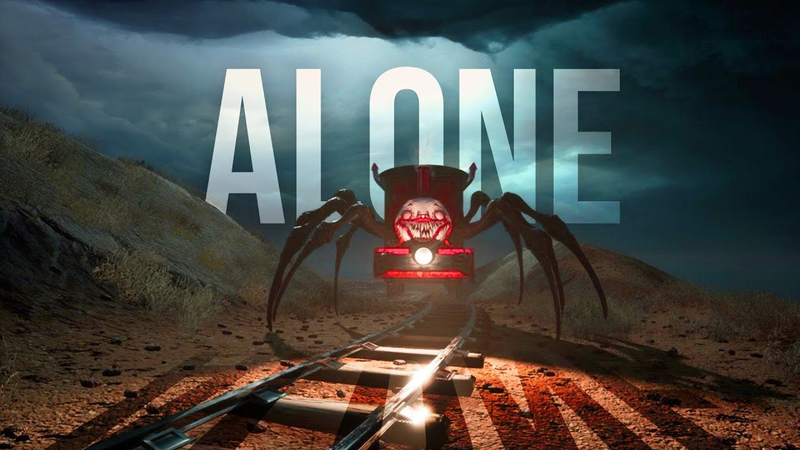
How To Make A Game Alone (In 2024)
The development of the viral indie title Choo Choo Charles serves as a case study for solo game development, emphasizing the importance of rapid prototyping, strategic asset utilization, and aggressive pre-launch marketing.
- Prioritize early market validation by creating a trailer and Steam page within the first month of development to gauge interest and accumulate wishlists, which reached 550,000 for Choo Choo Charles.
- Maintain a 'tools down' policy one month before launch, finalizing the game build early to dedicate the final weeks exclusively to marketing, press releases, and influencer outreach.
- Utilize a Game Design Document (GDD) to organize core mechanics and scope, focusing on a unique, viral hook—such as a horror-themed train—while leaving specific mission and AI details to be developed during production.

UEFN Studios: Boom, Bust, or Choose Roblox?
The Unreal Editor for Fortnite (UEFN) represents a transformative shift in the gaming industry, functioning as a high-efficiency incubation platform that bridges the gap between professional game development and user-generated content.
- UEFN serves as a high-efficiency incubation platform that allows studios to iterate on new intellectual property in months rather than years by leveraging an existing ecosystem of 250 million players.
- Epic Games currently dominates its own platform, with internal titles accounting for 81% of the top four games within the UEFN ecosystem.
- While UEFN offers superior graphical fidelity and professional development tools, it currently faces technical constraints on camera control, character movement, and core mechanics that limit design flexibility.

How This Game Dev Got 100 Million Views In 1 Day — Full Time Game Dev Podcast Ep. 005
The transition from solo hobbyist to professional game developer requires a shift from perfectionism toward market-driven production and sustainable workflows.
- A strong, marketable game concept is the foundation of success, as evidenced by the viral nature of Choo-Choo Charles, which achieved over 100 million views in a single day and reached the number four top-selling spot globally on Steam at launch.
- Game developers should prioritize creating a Game Design Document (GDD) for any project beyond a game jam to organize ideas, define the core gameplay loop, and identify the unique hook that drives marketability.
- Viral marketing can be achieved by making content creators part of the game, such as including them as characters, which provides them with a mutually beneficial reason to feature the game in their own thumbnails and videos.
Who's Lovin Applovin (APP) | Plus Unity Update
Unity is currently navigating a period of significant organizational transition following the retirement of CEO John Riccitiello.
- AppLovin’s software segment is currently driving performance with 28% growth and 67% EBITDA margins, largely fueled by controversial fingerprinting techniques for user acquisition.
- AppLovin faces significant regulatory risk as Apple intensifies enforcement against fingerprinting, which could lead to an App Store ban and the disruption of its primary revenue stream.
- Unity is undergoing major organizational restructuring and cost-cutting following the retirement of CEO John Riccitiello, though its dominant market share makes a mass migration to Unreal Engine unlikely in the near term.
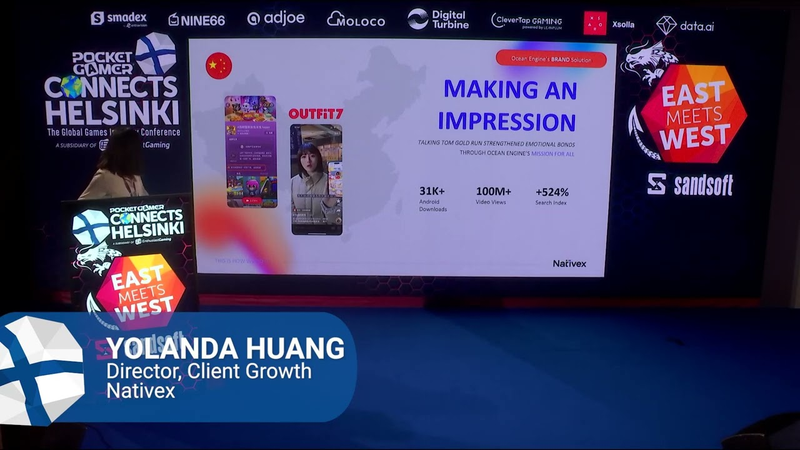
Exploring APAC: How to Market in a Flourishing Region - Yolanda Huang, Nativex
The Asia-Pacific (APAC) region represents 46 percent of global gaming revenue, yet it remains a complex landscape requiring highly localized marketing strategies.
- The APAC region accounts for 46 percent of global gaming revenue, necessitating highly localized strategies rather than standardized global approaches.
- Market entry in Japan is most effective when leveraging the country's anime and manga culture through offline-to-online marketing, such as physical events featuring influencers and cosplayers.
- Success in China requires utilizing the Ocean Engine ecosystem and implementing high-frequency creative testing, where thousands of assets are iterated to optimize performance.
Unity Software (U): Huge Problems, Negative Outlook, Big Changes Required
Unity Software currently faces a critical inflection point as it struggles to transition from a growth-at-all-costs strategy to a sustainable, profitable business model.
- Unity’s revenue model is now heavily dependent on its Grow segment, which accounts for two-thirds of total revenue following the acquisition of ironSource.
- Stock-based compensation has reached 38 percent of total revenue, resulting in significant shareholder dilution.
- The company’s core Create engine business has failed to generate meaningful profits, leaving the firm reliant on aggressive monetization tactics to meet short-term EBITDA expectations.

Why I'm Sticking With Unity (Unity vs. Unreal)
The decision to continue using Unity for game development, despite significant industry controversy regarding corporate leadership and pricing, rests on a strategic evaluation of platform versatility, existing infrastructure, and technical requirements.
- Unity remains the preferred engine for projects prioritizing cross-platform accessibility, specifically for mobile, Nintendo Switch, and low-end hardware, whereas Unreal Engine is better suited for high-end 3D graphical fidelity.
- Unity’s ecosystem offers superior third-party asset availability, extensive documentation, and a larger developer community, which significantly streamlines troubleshooting and cross-platform porting.
- The decision to remain with Unity is heavily influenced by sunk costs, as existing investments in proprietary codebases and established game kits make migrating to a new engine inefficient.

AAA’s Future / Epic Layoffs / Winners, Losers & Hidden Gems
The global gaming industry is currently navigating a period of profound structural instability characterized by ballooning production costs, shifting developer loyalties, and significant corporate restructuring.
- AAA development budgets have ballooned from approximately $2 million to over $200 million, forcing publishers to prioritize established intellectual property and aggressive monetization to offset financial risk.
- Corporate growth strategies are collapsing, evidenced by significant layoffs and divestitures at Epic Games and the failure of acquisition-led expansion at Embracer Group.
- Unity’s attempt to implement a controversial per-install fee has damaged developer trust, triggering a migration toward alternative engines like Godot and Unreal Engine.

Epic Games Has Massive Layoffs
Epic Games recently announced a significant workforce reduction, laying off approximately 830 employees, which represents 16% of its total staff.
- Epic Games has laid off approximately 830 employees, representing 16% of its total workforce, to address a long-standing financial imbalance where expenditures consistently exceeded earnings.
- CEO Tim Sweeney stated that the transition toward a creator-led ecosystem for Fortnite has resulted in lower profit margins, necessitating structural economic changes.
- Approximately two-thirds of the job cuts were concentrated in non-core departments, such as administrative functions and influencer relations, rather than core development teams.
New Unity Pricing Has Leaked
Unity’s recent attempt to overhaul its pricing structure has triggered significant industry backlash, forcing the company to backtrack on controversial elements of its proposed runtime fee policy.
- Unity is revising its runtime fee policy to include a fee cap of 4% of revenue for customers earning over $1 million annually.
- The company has confirmed that installation counts will not be applied retroactively to existing game titles.
- Unity is shifting toward a self-reporting model for revenue thresholds to address developer concerns regarding transparency and tracking.

After Using Unity For 10 Years, I Have Some Thoughts
The primary purpose of this analysis is to evaluate the impact of Unity’s controversial 2023 pricing policy changes on the game development community.
- Unity’s 2023 pricing policy changes caused a critical erosion of developer trust, primarily due to the introduction of opaque, install-tracking technology perceived as invasive.
- A survey of nearly 7,000 developers revealed a significant shift in engine preference, with 42% favoring Unreal Engine for future projects compared to only 22% for Unity.
- The shift to install-based fees poses an existential financial risk to mobile developers and those using subscription models like Game Pass, where fees could disproportionately consume revenue.
How 'Fortnite' Designers Made Their Own Tools
The development of Fortnite necessitated a fundamental shift in workflow strategy when traditional, spreadsheet-based quest editing systems proved too error-prone and inefficient for the game’s rapid production cycle.
- To resolve a production bottleneck where quest creation took days and was prone to errors, Fortnite's quest team empowered designers to build their own tools using Unreal Engine's Blueprint-driven Editor Utility Widgets.
- By shifting tool development to designers, the team reduced the complexity of the quest editor from six pages of tightly packed properties to a more user-friendly two-page interface.
- The new designer-centric workflow allowed for the creation of quest templates, which enabled fine-grained control and automated the addition of specific event rewards across multiple quest types.