
Twitch
Twitch is a livestreaming service for gaming, entertainment, sports, music and other content. It publishes articles aimed at brands, such as one on the business outcomes of advertising in gaming.
Documents
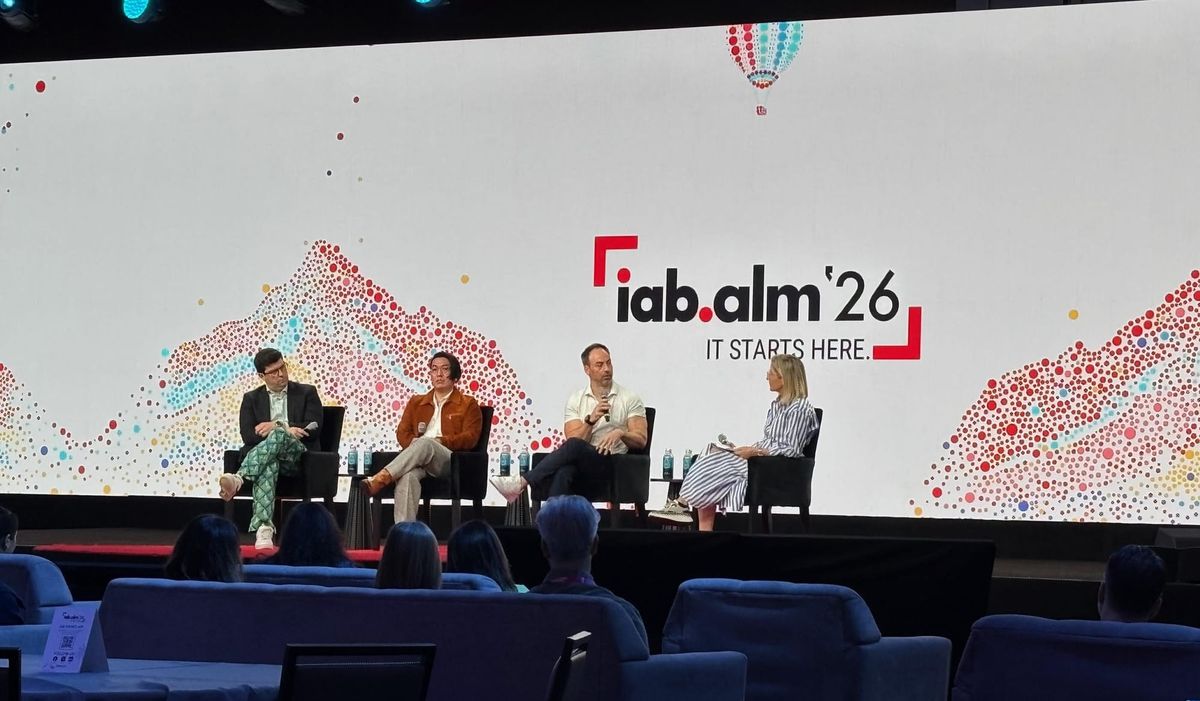
How Gaming Is Delivering Real Business Outcomes for Brands
The presentation demonstrates that gaming has become a strategic channel for brands seeking measurable marketing impact.
- Gaming has transitioned into a performance-marketing channel capable of tracking the full funnel from initial brand awareness to final conversion.
- Overwolf serves as a major advertising hub, reaching over 113 million monthly gamers and ranking as the second-largest U.S. gaming property according to Comscore.
- Global brands including Universal Pictures, P&G, Lancôme, AMD, Monster Energy, Nissan, and KFC are actively utilizing gaming platforms to achieve measurable business outcomes.
Reports about Twitch
563 documents by other writers name Twitch in the title or summary.
Biggest Takeaways from E3 2019 | Games ReCAP Episode 005
E3 2019 served as a critical lens for evaluating the current state of the global gaming industry, highlighting a stark divide between successful creative strategies and systemic operational failures.
- Amazon Game Studios faces potential dissolution due to a lack of coherent leadership and the strategic failure of mandating the proprietary Lumberyard engine over industry-standard tools like Unreal or Unity.
- The gaming industry is increasingly pressured to abandon 'crunch' culture in favor of sustainable development models that utilize tighter project scopes to mitigate burnout in AAA production.
- Square Enix and Nintendo demonstrated that leveraging established nostalgia and innovative mechanics remains a highly effective creative strategy for market success.
2014 vs. 2018: The Shape of Financial Success Before and After the Indiepocalypse
The independent game industry has undergone a fundamental structural shift, moving away from a centralized, press-driven launch model toward a decentralized ecosystem defined by long-term community engagement.
- The independent game industry has shifted from a centralized, press-driven launch model to a decentralized ecosystem reliant on long-term community engagement.
- Market saturation following the transition to open-access storefronts has replaced traditional platform-vetted visibility with discovery driven by YouTube and Twitch.
- Financial success in the post-2018 market is increasingly tied to 'infinite situation generators' that foster ongoing player expression rather than short, consumable experiences.
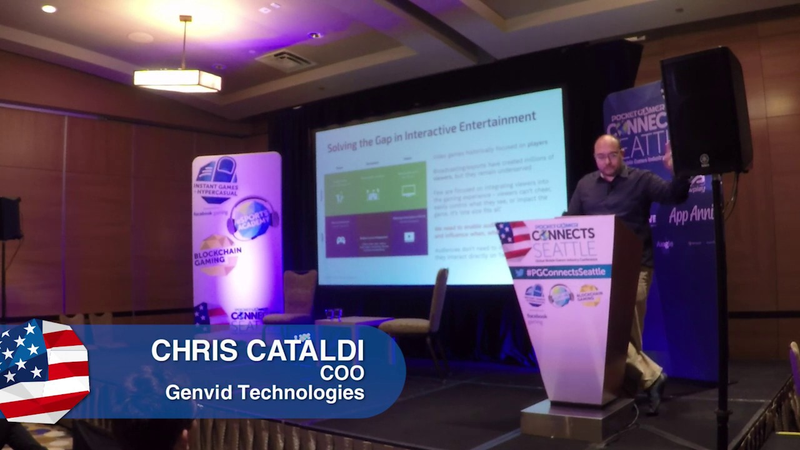
Interactive livestreaming and the future of esports
The future of esports lies in the evolution of interactive streaming, where game developers shift their focus from exclusively serving players to intentionally designing experiences for viewers.
- Game developers currently prioritize the player experience over the spectator experience, often disabling advanced camera tools and data access in live builds to prevent potential cheating or distraction.
- Interactive streaming technology, such as Genvid’s overlays, allows viewers to access real-time game data—like weapon loadouts, hitboxes, and win-loss probabilities—that is typically hidden from players to maintain competitive integrity.
- Future esports growth requires shifting from a player-only focus to a 'digital stadium' model where the broadcast medium is designed to be viewer-friendly for non-players, similar to how traditional sports evolved alongside radio and television.
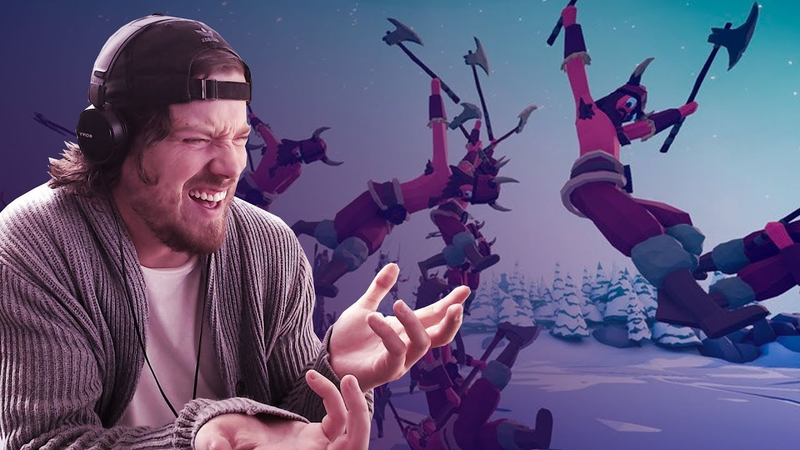
Game dev reacts to INSANE PHYSICS game | Totally Accurate Battle Simulator
Totally Accurate Battle Simulator (TABS) serves as a case study for successful indie game development, emphasizing the importance of physics-based mechanics, strategic art direction, and high streamability.
- Landfall prioritized long-term product viability over rapid release cycles by choosing to scrap and rebuild core game components to ensure evergreen engagement.
- The game’s high streamability and sandbox design facilitate organic, free marketing on platforms like Twitch, serving as a primary driver for profitability.
- Developers achieved an economical, trendy aesthetic by using stylized polygon art and a warm, yellow-tinted pastel palette, which avoids the need for high-end graphical assets.

Virtual Reality Is Just That: A 5% Attach Rate Does Not Make a Platform
The current state of the video game industry is defined by a significant period of transition, marked by structural layoffs at major publishers like Activision and EA despite record revenues.
- Major publishers like Activision and EA are implementing structural layoffs as a strategic risk-mitigation measure ahead of a weak release slate and the next console generation.
- Virtual reality remains a niche accessory rather than a platform, evidenced by PSVR’s 4.2 million units sold representing an attach rate of less than 5% of the PS4 install base.
- Nintendo is shifting its retail strategy away from traditional physical retailers like GameStop—where its products account for 25% of revenue—toward digital partnerships like Twitch Prime.

I'M. FREAKING. OUT.
The primary objective of this initiative is to maximize the visibility of the indie game Pinstripe by leveraging Steam’s internal broadcasting platform to secure a featured position on the storefront.
- Indie developers can leverage Steam’s internal broadcasting platform to trigger engagement algorithms and secure a featured position on the storefront's daily deal section.
- Concentrating high concurrent viewership directly on a Steam store page serves as a strategic lever to manipulate platform discoverability and extend the lifecycle of promotional events.
- The campaign strategy relies on migrating an existing audience away from external platforms like Twitch and YouTube to consolidate all engagement metrics within the Steam ecosystem.
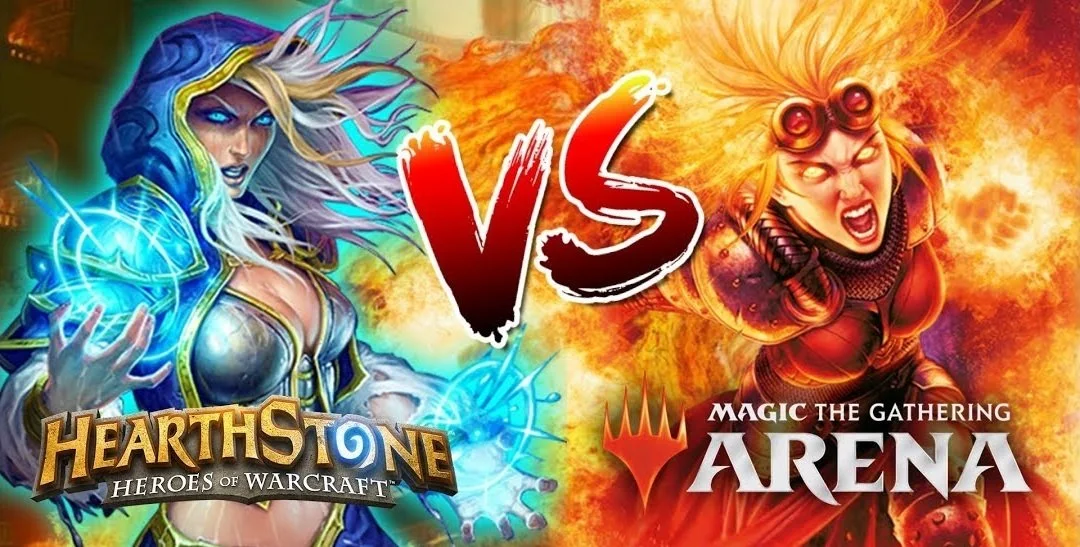
2019 Predictions: The Magical Storm Gathers Around Card Battlers
The mobile card battler market experienced a period of stagnation in 2018, characterized by a 46% year-over-year decline in downloads and a 4% decrease in revenue.
- Hearthstone currently dominates the mobile card battler market with a 35% share of downloads and a 46% share of revenue.
- Magic: The Gathering (MTG) Arena is positioned to challenge Hearthstone's market leadership in 2019, supported by a $10 million eSports prize pool that is 2.5 times larger than Hearthstone's.
- Hearthstone's daily Twitch viewership has declined by 50% since Q1 2017, falling from approximately 50,000 to 25,000 viewers due to infrequent content updates and meta-game stagnation.
Games Are the Antidote to Covid-19
The global pandemic has fundamentally shifted the perception of video games, transforming them from a criticized form of escapism into a vital tool for mental health and social connection.
- Video games have transitioned into critical social infrastructure, serving as essential digital third places for connection during periods of physical isolation.
- Major industry players are pivoting toward experiential platforms, exemplified by Epic Games hosting massive social events like the Travis Scott concert series in Fortnite.
- The cloud gaming sector is experiencing content volatility as major publishers, including Warner Bros. and Xbox Game Studios, withdraw titles from NVIDIA’s GeForce Now due to revenue-sharing disputes.
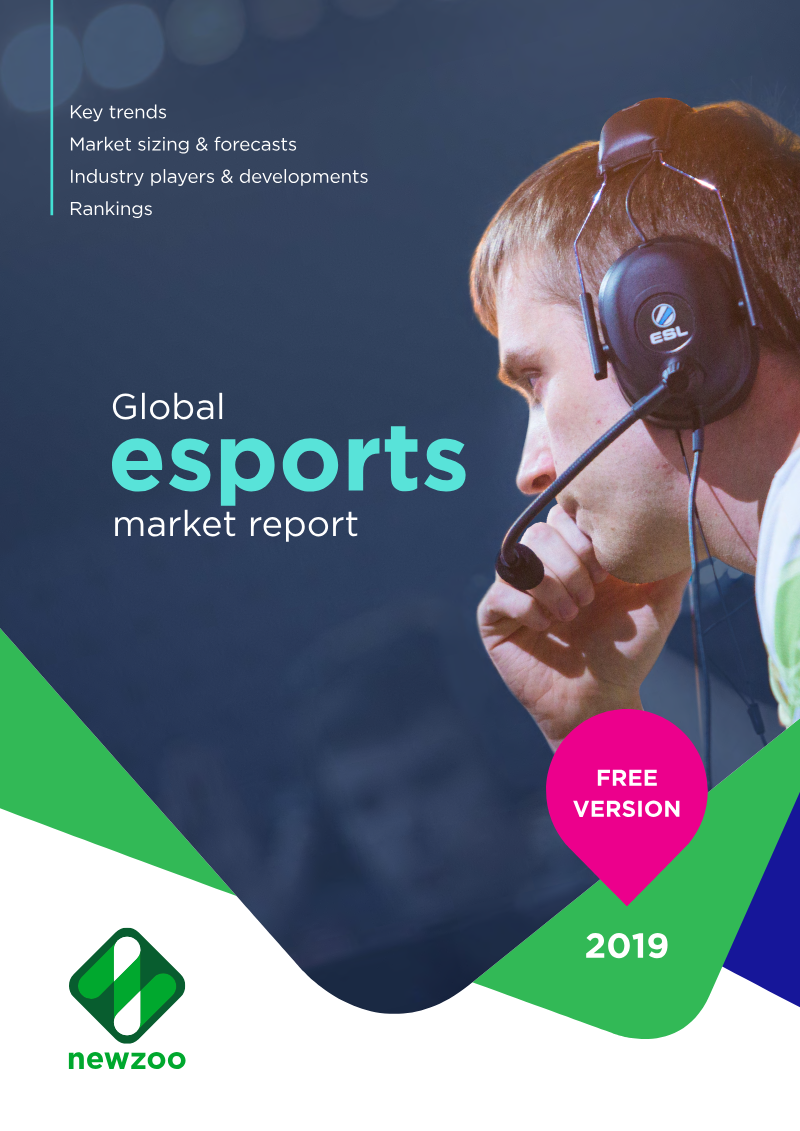
Global Esports Market Report 2019
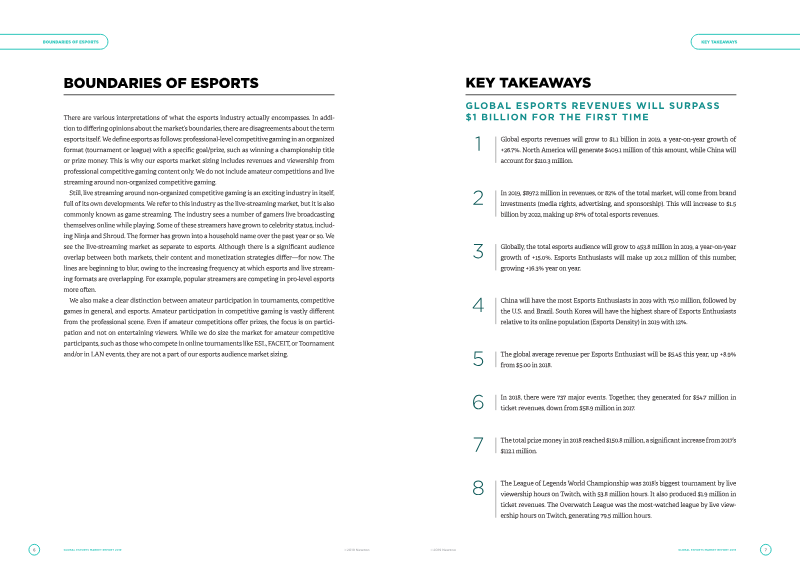
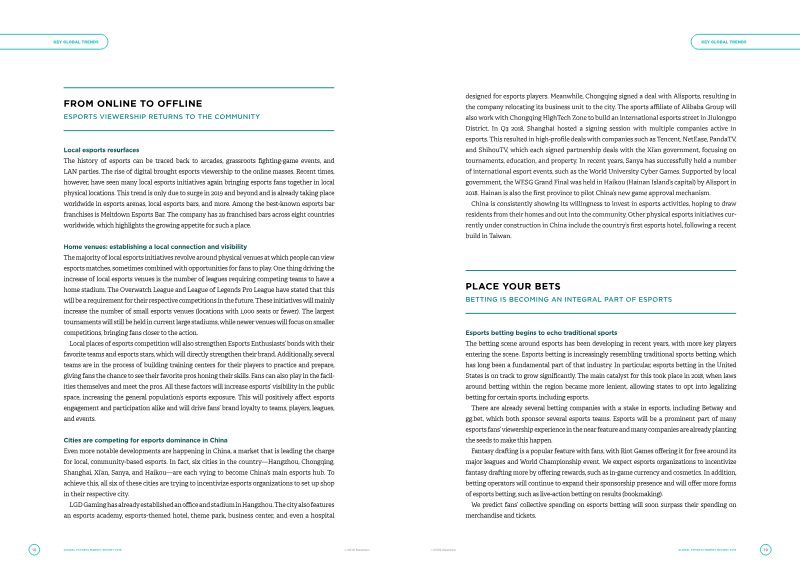
The global esports industry reached a significant financial milestone in 2019, surpassing $1 billion in total revenue for the first time.
- The global esports industry surpassed $1 billion in total revenue in 2019, marking a 26.7% year-on-year growth rate.
- Sponsorships, advertising, and media rights represent 82% of total market earnings, reflecting a shift toward professional sports monetization models.
- The global esports audience reached 453.8 million people in 2019, demonstrating a broad and highly loyal consumer base.

5 Reasons Why Game Development Is SO HARD!
Game development is a demanding professional pursuit that requires navigating significant psychological and operational hurdles.
- Developers must balance diverse, non-creative operational roles—including accounting, marketing, and community management—alongside core development, which frequently disrupts schedules and project deadlines.
- The rapid pace of technological evolution in the gaming industry forces developers into a perpetual cycle of entrepreneurship and continuous learning to maintain professional relevance.
- The iterative nature of skill acquisition often leads developers to view their past work with disdain, resulting in perfectionism that causes project abandonment.
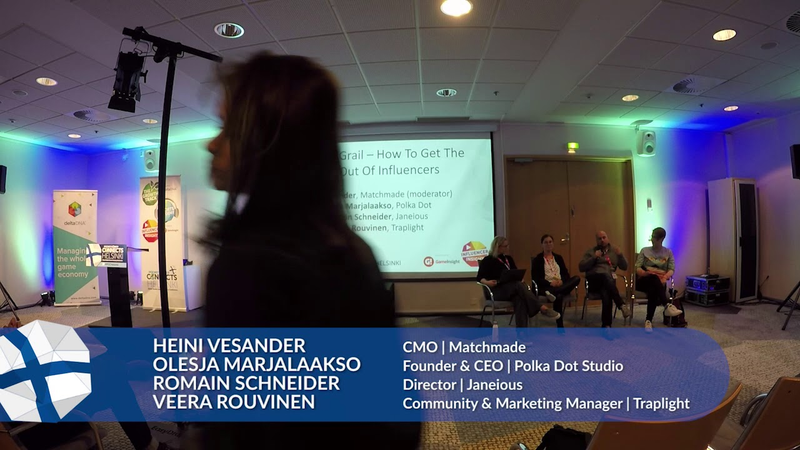
The Holy Grail: How to get the best out of influencers
Influencer marketing has emerged as a critical pillar of modern game promotion, with the sector projected to reach a $10 billion valuation by 2020.
- Prioritize long-term partnerships over transactional, one-off advertisements to lower customer acquisition costs and build sustainable community trust.
- Identify influencers whose specific audience demographics and interests align perfectly with the game’s core mechanics to ensure content feels organic.
- Indie developers should leverage micro-influencers and revenue-share models to maximize impact within limited budget constraints.
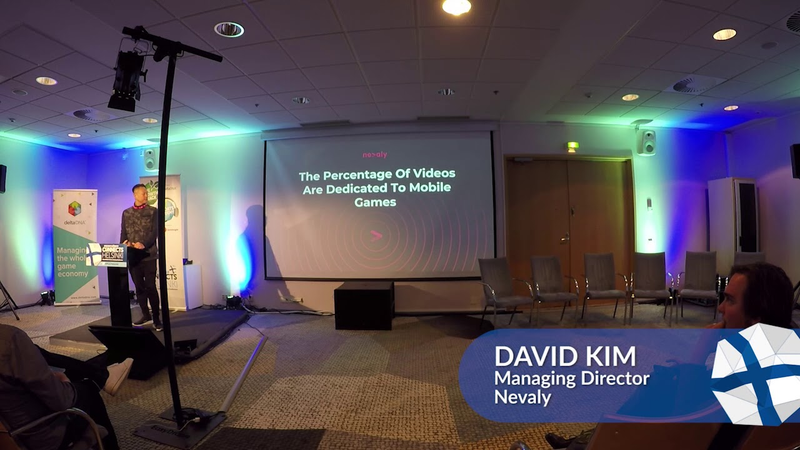
Games industry influencer campaigns: Facts and figures from the trenches
Influencer marketing has emerged as a critical component of the gaming industry, driven by increasing price competition and saturation in traditional mobile advertising.
- Influencer marketing for games achieves a 6.3% average engagement rate and a 2.2% click-through rate, both of which outperform traditional display and search advertising.
- There is a 36% probability that an influencer will continue to feature a game organically following the conclusion of a paid sponsored engagement.
- The majority of a campaign's total impact is typically realized within the first three days of the influencer's content release.