
Supercell
Supercell is a Finnish mobile game developer and publisher behind Clash of Clans, Clash Royale and Brawl Stars. It is represented here by an article on live operations for Brawl Stars.
Documents
Supercell 2024 Financial Results
Supercell achieved record financial performance in 2024, reporting $3 billion in revenue and $947 million in EBITDA, representing year-over-year growth of 77% and 78%, respectively.
- Supercell reported record 2024 financial results with $3 billion in revenue, representing a 77% increase over 2023.
- EBITDA grew by 78% year-over-year to $947 million, with the company shifting to reporting figures 'before deferral' for greater transparency.
- Brawl Stars served as a primary growth driver, with the six-year-old title seeing significant increases in players, engagement, and revenue.
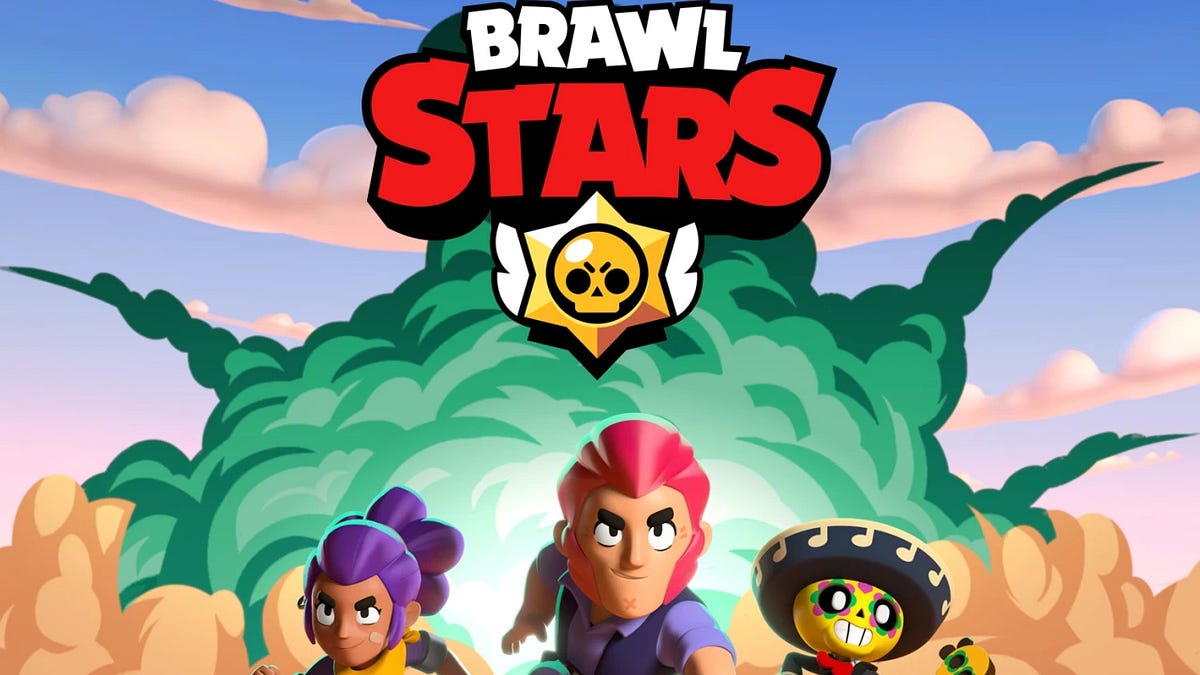
Brawl Stars: Driving Massive Liveops Success
Supercell’s mobile title, Brawl Stars, has achieved a significant performance resurgence more than five years after its initial December 2018 launch.
- Supercell’s Brawl Stars experienced a significant performance resurgence, with daily net revenue increasing nearly 6x from approximately $435,000 on December 7, 2023, to $2.4 million by February 1, 2024.
- The game’s recent performance metrics, including revenue and downloads, have returned to levels not seen since May 2021.
- The revenue surge is attributed to a combination of strategic live operations updates, product strategy shifts, and a substantial holiday-driven spike.
Reports about Supercell
389 documents by other writers name Supercell in the title or summary.
China is already the #3 mobile gaming market for iOS
The Chinese mobile gaming market has emerged as a critical global force, securing its position as the third-largest market for iOS revenue as of late 2013.
- As of late 2013, China is the third-largest global market for iOS gaming revenue and the second-largest for iOS game downloads.
- The Chinese Android market is estimated to be at least as large as the iOS segment and is projected to experience faster growth, despite its fragmented ecosystem.
- Domestic giant Tencent achieved top-tier download and revenue rankings within six months of entering the mobile gaming market.

Free-to-Play 2.0
The mobile gaming industry reached a critical juncture in early 2014, where the freemium model established itself as the dominant monetization strategy, accounting for 92% of Apple App Store revenue and 98% of Google Play revenue by late 2013.
- Freemium is the dominant mobile monetization model, accounting for 92% of Apple App Store revenue and 98% of Google Play revenue as of November 2013.
- Free-to-play games must evolve beyond the current trend of cloning to achieve the scale of social platforms, as top games like Candy Crush Saga (250 million MAUs) still trail major apps like WeChat (600 million users) and WhatsApp (400 million MAUs).
- Developers should prioritize global distribution by removing geographic barriers, utilizing tools like automatic in-game chat translation as seen in Machine Zone's Game of War.
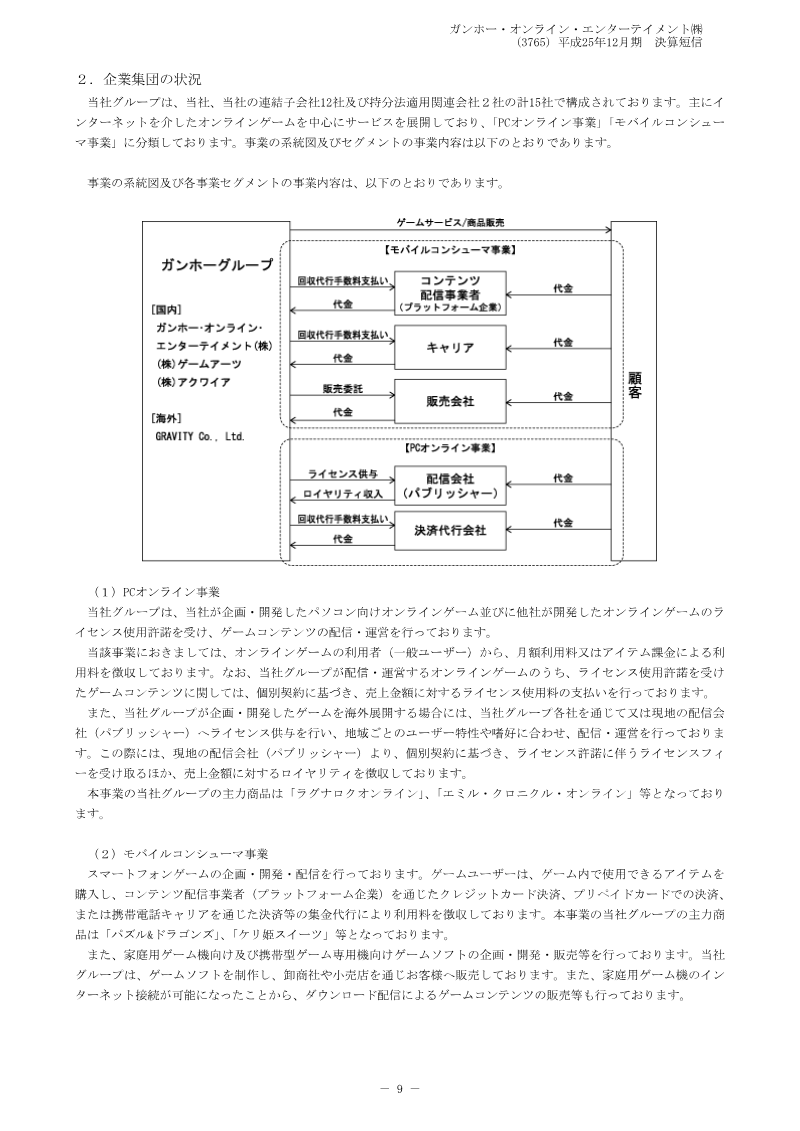
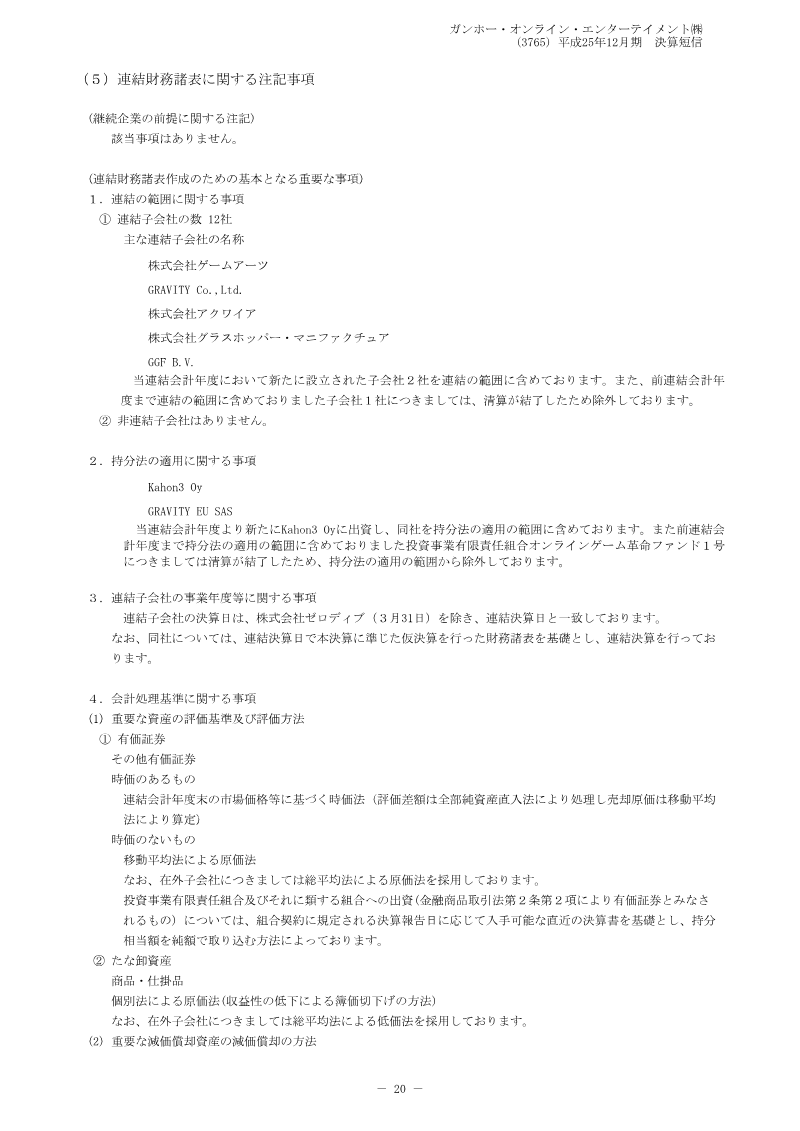
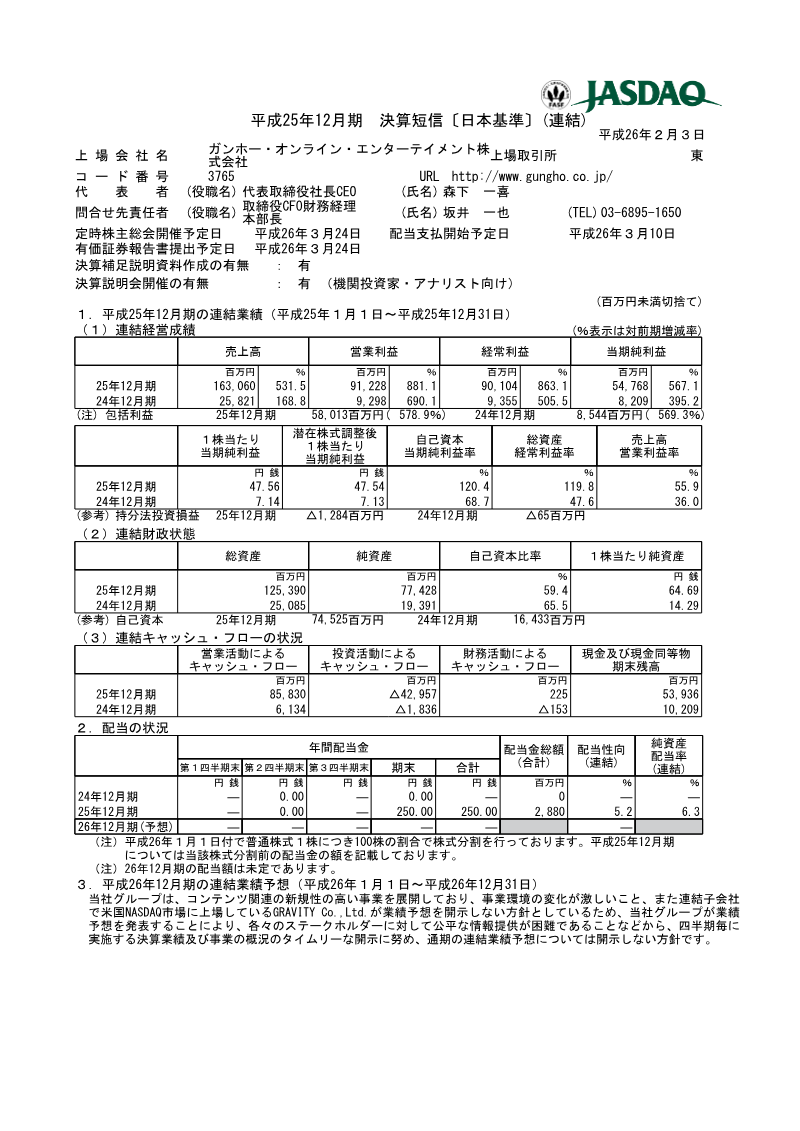
GungHo Online Entertainment FY2013 Financial Results
GungHo Online Entertainment achieved unprecedented financial expansion during the 2013 fiscal year, characterized by a 531.5% increase in net sales to 163 billion yen and an 881.1% surge in operating profit to 91.2 billion yen.

What Is Supercell’s Strategy with Boom Beach?
Supercell’s release of Boom Beach represents a calculated strategic shift toward user retention rather than portfolio diversification.
- Supercell is prioritizing the retention of its existing high-value user base over portfolio diversification by releasing Boom Beach as an improved, structurally similar alternative to Clash of Clans.
- The strategy aims to mitigate the rising costs of re-acquiring churned players by keeping them within the Supercell ecosystem through familiar but refined gameplay mechanics.
- Boom Beach introduces several mechanical shifts from Clash of Clans to improve long-term retention, including automated resource harvesting, non-consumable troops, and a more complex four-currency economy.

Monetizer: Backyard Monsters: Unleashed
Backyard Monsters: Unleashed represents the mobile transition of a foundational Facebook real-time strategy title.
- Backyard Monsters: Unleashed adapts a legacy Facebook real-time strategy title for the mobile market, testing whether brand heritage can compete against established mobile-native leaders like Supercell and Kabam.
- The monetization model utilizes a dual-currency system centered on 'shiny' hard currency, which is used to accelerate construction timers, bypass wait times, and offset resource deficits.
- The in-game shop features five distinct price tiers for hard currency, ranging from approximately $5 to $100.

News roundup: Opinions on GTA V and the rise of iOS 7
This industry analysis examines the shifting landscape of mobile monetization and platform adoption as of September 2013, contrasting the traditional console model with the prevailing free-to-play (F2P) paradigm.
- Top-grossing mobile titles like Candy Crush Saga achieve an average revenue per paying user of approximately $40 annually, matching the upfront retail cost of many premium console games.
- Mobile developers such as GungHo Online and Supercell are demonstrating that high-frequency monetization strategies often outperform the traditional one-time purchase model used by console releases like Grand Theft Auto V.
- Mobile gaming is increasingly adopting complex monetization mechanics, including dual hard currencies, randomized item drops, and time-gated progression, even within premium-priced titles like Infinity Blade III.
GungHo's Stock Price Rollercoaster and Hit-Driven Valuations
GungHo Online Entertainment’s financial performance in mid-2013 highlights the inherent volatility of mobile gaming companies heavily reliant on a single hit title.
- GungHo’s stock price dropped nearly 40% between July 29 and August 9, 2013, despite reporting massive year-over-year growth in net income and sales.
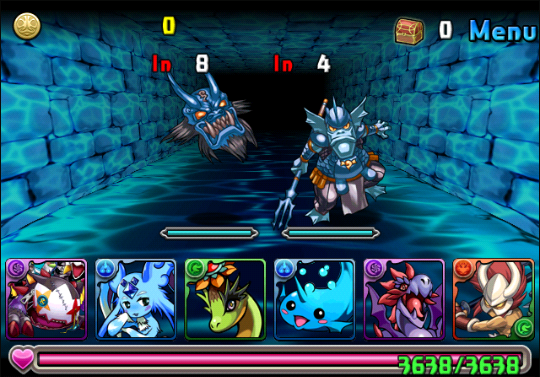
- Approximately 85% of GungHo’s total sales are generated by a single title, Puzzle & Dragons, highlighting a critical dependency on one hit product.
- The poor performance of GungHo’s new title, Freak Tower, which ranked #490 in downloads and #424 in grossing in Japan shortly after release, led investors to doubt the company's ability to replicate its success.

The Logic and Sorcery Behind Mobile Game Company Valuations
The valuation of mobile game companies is driven by a combination of strategic business models and the extreme revenue disparities inherent in the freemium market.
- Mobile game company valuations follow a Pareto distribution where revenue scales exponentially with chart position, leading to a valuation range of $600M–$800M for Top 20 companies and $100M–$200M for Top 30 companies.
- Kabam achieved a $700M valuation by evolving into a development-publishing hybrid, which offers more scalable cash flow than pure content-focused studios.
- Hasbro acquired a 70% stake in Backflip Studios for $112M, valuing the company at $160M, a figure that reflects the market's assessment of a consistent Top 30 grossing developer.

What’s the Consensus on VC Financing for Gaming?
The debate surrounding venture capital investment in the gaming industry centers on whether gaming companies represent viable targets for high-growth equity financing or if alternative models, such as revenue sharing, are more appropriate.
- Venture capital remains a valid financing model for gaming, provided the target company aims for industry disruption or possesses a sustainable competitive advantage rather than focusing solely on content creation.
- Gaming companies that function as platforms or exploit genuine technological shifts, such as the transition to tablets and smartphones, are better suited for VC investment than pure content studios.
- The historical failure of some VC-backed gaming investments was due to misapplication during the 2008–2011 period, when the freemium model was incorrectly viewed as a guaranteed path to explosive growth.

Supercell CEO Ilkka Paananen talks humble success
The mobile gaming industry is characterized by a unique paradox where intense global competition coexists with a highly collaborative and friendly developer community.
- Supercell maintains a rigorous innovation strategy where the frequent cancellation of underperforming projects is a standard, expected component of the development lifecycle.
- The company’s commitment to high standards is evidenced by a high failure-to-launch ratio, exemplified by the cancellation of four projects in the same year that only two successful titles were launched.
- Supercell prioritizes long-term stability by dedicating the majority of its company resources to refining and supporting existing flagship titles rather than focusing solely on new releases.

The industry is still learning about F2P says PlayHaven's Ville Heijari
The free-to-play business model represents a significant evolution in game accessibility, shifting the industry toward a framework that prioritizes user engagement and lifetime value maximization.
- The free-to-play model functions by segmenting users into non-paying players and high-value spenders, allowing developers to sustain operations through tiered engagement strategies like ad-supported gameplay or optional purchases.
- While industry leaders such as Supercell, Gung-Ho, and King have achieved significant commercial success, the broader development community is still in a formative learning phase regarding sustainable monetization.
- The primary challenge for developers is moving beyond simple revenue extraction to creating high-quality game experiences where monetization is integrated naturally into the gameplay.

E3 2013: The Pocket Gamer conclusion
The 2013 Electronic Entertainment Expo (E3) served as a transitional period for the gaming industry, characterized by a notable shift in focus back toward traditional console hardware while mobile gaming maintained a significant, albeit less centralized, presence.
- E3 2013 served as a transitional event defined by the high-profile reveal of next-generation consoles, specifically the PlayStation 4 and Xbox One, which re-centered the industry on traditional hardware.
- The mobile gaming sector faces a saturated market dominated by free-to-play titles, forcing developers to struggle with product differentiation.
- Major mobile players like GungHo, Supercell, and King lacked prominent showcases at E3, sparking industry debate over whether the event is an appropriate venue for mobile gaming compared to a dedicated mobile-focused show.