
Supercell
Supercell is a Finnish mobile game developer and publisher behind Clash of Clans, Clash Royale and Brawl Stars. It is represented here by an article on live operations for Brawl Stars.
Documents
Supercell 2024 Financial Results
Supercell achieved record financial performance in 2024, reporting $3 billion in revenue and $947 million in EBITDA, representing year-over-year growth of 77% and 78%, respectively.
- Supercell reported record 2024 financial results with $3 billion in revenue, representing a 77% increase over 2023.
- EBITDA grew by 78% year-over-year to $947 million, with the company shifting to reporting figures 'before deferral' for greater transparency.
- Brawl Stars served as a primary growth driver, with the six-year-old title seeing significant increases in players, engagement, and revenue.
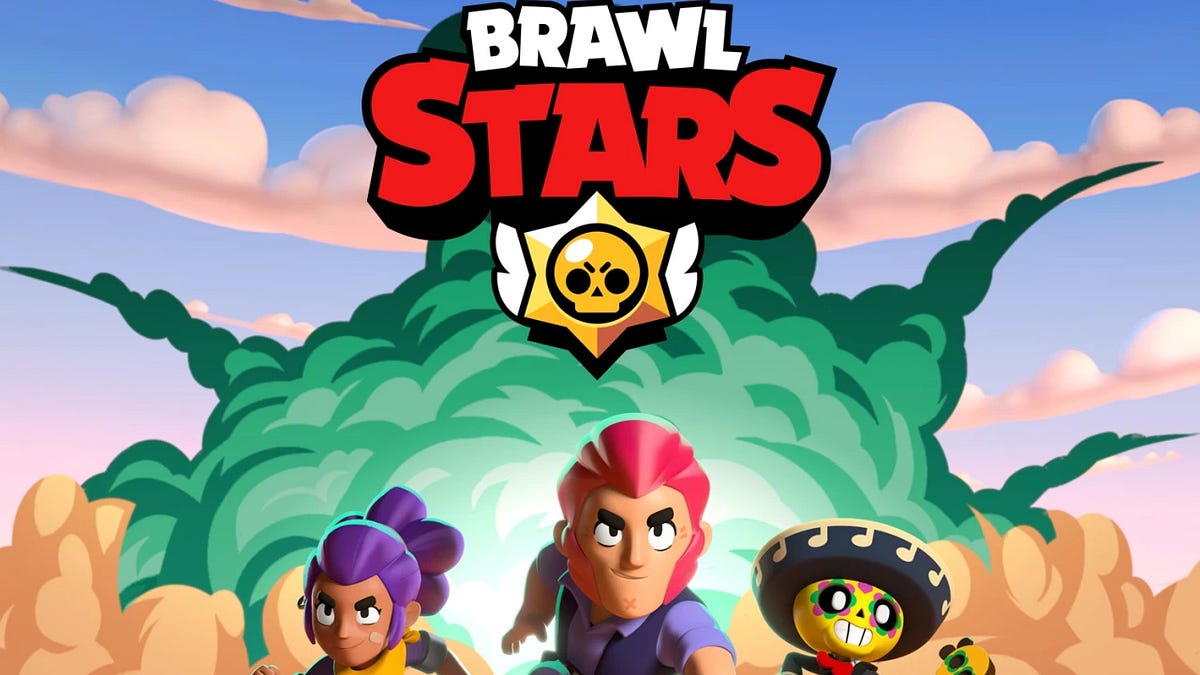
Brawl Stars: Driving Massive Liveops Success
Supercell’s mobile title, Brawl Stars, has achieved a significant performance resurgence more than five years after its initial December 2018 launch.
- Supercell’s Brawl Stars experienced a significant performance resurgence, with daily net revenue increasing nearly 6x from approximately $435,000 on December 7, 2023, to $2.4 million by February 1, 2024.
- The game’s recent performance metrics, including revenue and downloads, have returned to levels not seen since May 2021.
- The revenue surge is attributed to a combination of strategic live operations updates, product strategy shifts, and a substantial holiday-driven spike.
Reports about Supercell
389 documents by other writers name Supercell in the title or summary.
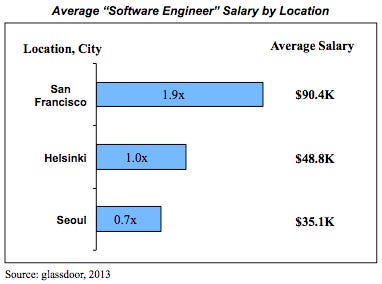
Silicon Valley Mobile Game Companies Can't Compete
Silicon Valley-based mobile game companies face significant structural disadvantages that hinder their ability to compete in the global market.
- Silicon Valley mobile game companies face a significant competitive disadvantage due to high labor costs and a severe shortage of specialized talent, particularly for server-side and 3D Unity development.
- The talent crunch in Silicon Valley is so acute that some companies report needing to interview 100 candidates to successfully hire just three engineers.
- Successful international competitors, such as Supercell, utilize a hybrid model that combines lower-cost foreign development teams with a small local presence in Silicon Valley to capture industry information and distribution trends.
Beating Candy Crush Saga
The mobile gaming industry has undergone a profound transformation between 2021 and 2026, characterized by a shift from rapid, volume-based growth to a focus on sustainable monetization, operational efficiency, and technological integration.
- The game industry is shifting from traditional outsourcing to co-development models, which studios are increasingly using to scale operations without the overhead of direct hiring.
- Merge-2 mechanics have emerged as a significant competitive threat to the long-standing dominance of Match-3 games in the mobile puzzle market.
- Game development is undergoing a fundamental transition from logic-based programming to the use of world models, exemplified by ventures like Pim De Witte’s $134 million funding round.
Behind the Success of Hay Day
The gaming industry is currently navigating a period of significant structural transformation, characterized by a shift in capital allocation and the rapid integration of artificial intelligence into development workflows.
- Major studios are shifting approximately one-third of their media budgets toward loyalty platforms, which have evolved from a source of low-quality installs into a primary user acquisition channel.
- The role of User Acquisition (UA) is undergoing a fundamental rewrite, requiring growth leaders to build proprietary systems that go beyond standard platform-provided tools.
- Game development is shifting from logic-based systems to 'world models' that allow virtual environments to learn and react, exemplified by startups like those led by Pim De Witte, who raised $134 million to advance this technology.
Checklist for a Free App
The gaming industry has undergone a period of profound transformation between 2022 and mid-2026, characterized by a shift toward hybrid monetization models, the integration of artificial intelligence, and a cooling of venture capital investment.
- Mobile gaming success is increasingly driven by iterative product development, as evidenced by Voodoo’s model of testing 2,000 prototypes annually to identify hits.
- User acquisition (UA) strategies frequently collapse during the scaling phase, requiring systems that go beyond standard platform-provided tools to maintain performance.
- In a privacy-centric advertising landscape, the quality and optimization of ad creatives have become the primary drivers of marketing effectiveness.
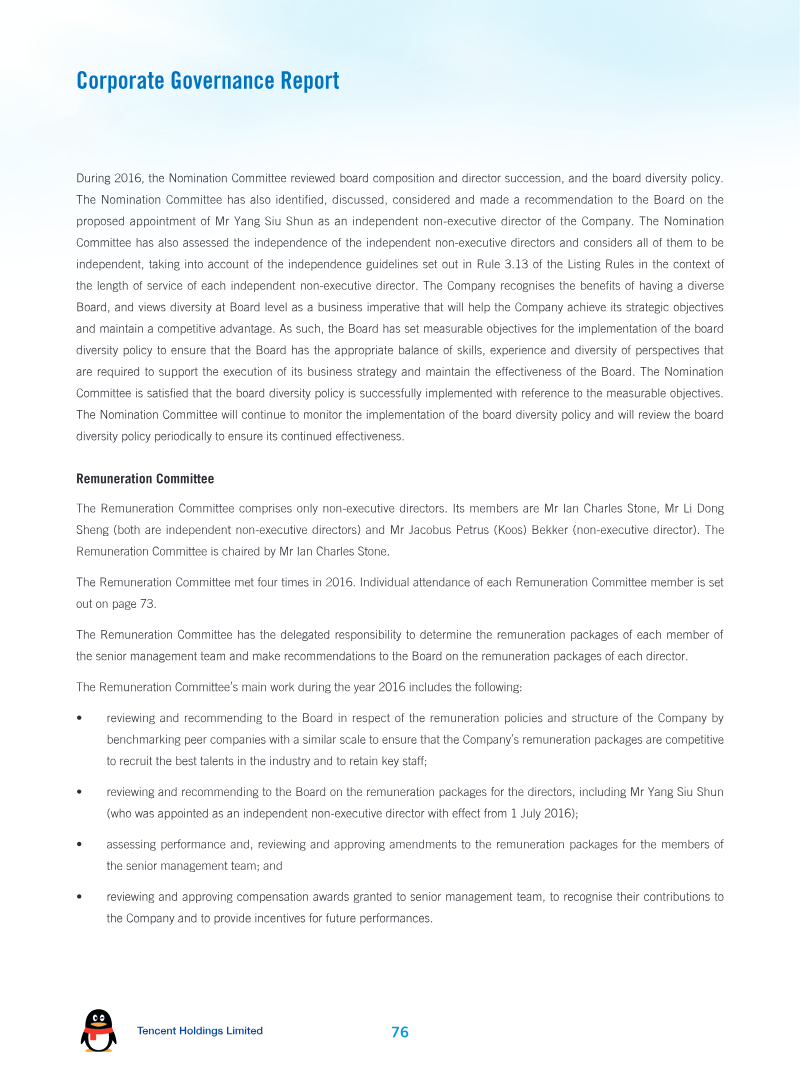
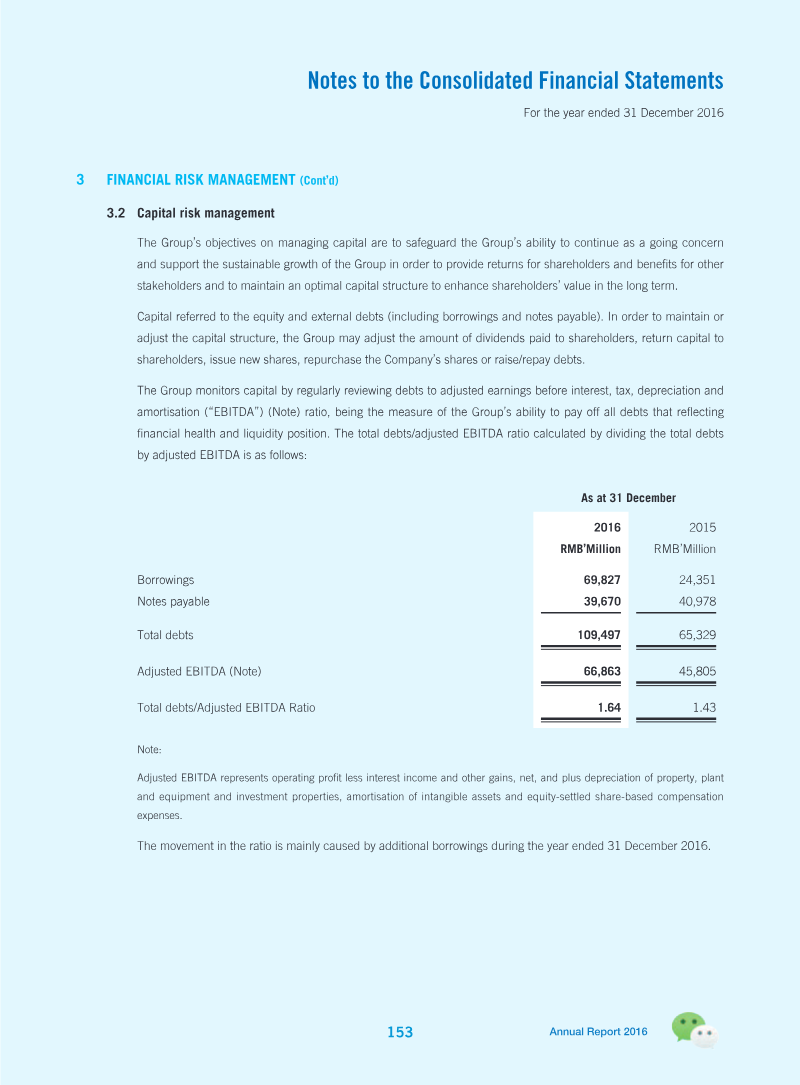
Tencent Holdings Limited 2016 Annual Report
Tencent Holdings Limited’s 2016 annual report details a period of robust financial expansion and strategic consolidation, characterized by a 48% year-on-year revenue increase to RMB 151.9 billion.