1 free read left. Create a free account for unlimited reading + AI research.
Create free account
The industry is still learning about F2P says PlayHaven's Ville Heijari

Key insights
6 takeaways- 01The free-to-play model functions by segmenting users into non-paying players and high-value spenders, allowing developers to sustain operations through tiered engagement strategies like ad-supported gameplay or optional purchases.
- 02Successful F2P management requires sophisticated tools that handle the entire user lifecycle, including initial acquisition, cross-promotion, long-term retention, and targeted segment management.
- 03While industry leaders such as Supercell, Gung-Ho, and King have achieved significant commercial success, the broader development community is still in a formative learning phase regarding sustainable monetization.
- 04The primary challenge for developers is moving beyond simple revenue extraction to creating high-quality game experiences where monetization is integrated naturally into the gameplay.
- 05Modern technological platforms are lowering the barrier to entry for indie studios by providing professional-grade analytics and advertising networks at no cost.
- 06The industry is shifting its focus toward refining monetization tools to ensure that F2P mechanics enhance, rather than detract from, the overall player experience.
Ask AI about this video
Transcript
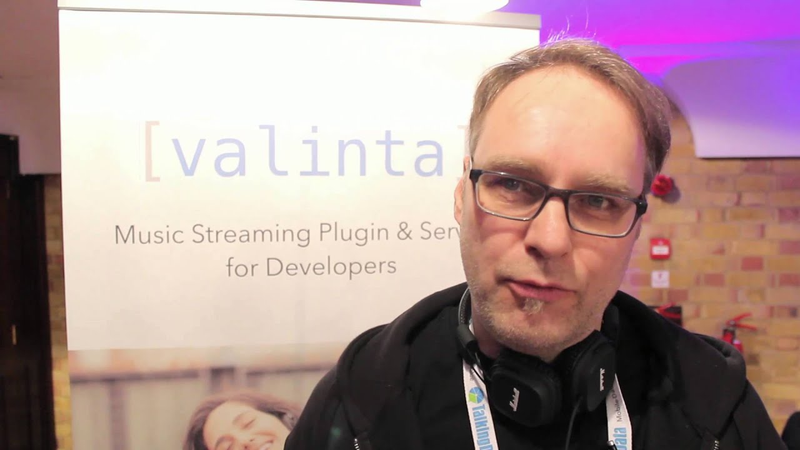
okay so gamer lottery win III now we're in Helsinki it's almost little of summer summer sucks this and be the conference called free my play yeah it's a party but we're hanging out with a some of the cool finish developers and technology people when we found it I've cool finish developer tell you first knew you tell us so I'm my name is Leela heron I'm the general manager for Europe for playing okay so quaint Haven you don't like games I'm not heard of you know we make muak services for game developers and we're a technology company and our product we like to refer us the lifetime value maximization platform sounds complicated what does that actually mean well I mean it's if you if you're making games and if you're especially making free-to-play games we basically help you engage with your users grow your retention one of those your users better so it's we have this all-encompassing end-to-end service for developers so I understand kind of that is until the Hat pounds action type of what's that what's the nuts and bolts using a play Haven
SDK yeah so best like like we play him and we cover you from user acquisition basically like advertising getting users into your game who actually like engaging with them outside the game as well and with us you can also target segments of your user base so basically like you you will always have a different service for non-paying customers your highest playing your highest engage players and so on so so it's it's the whole deal so if tell you lots of gamers or some games think that fruits play is evil yeah you'll be billed now i don't know i mean if i were here like we first of all like in this event there's been a really positive tone on the free-to-play there's been hugely successful companies here supercell gung-ho king so so basically if you ask these guys and their have their businesses are doing they were probably say that they're doing doing the work of the devil there with their evil evil games so basically i can i would say that like free-to-play
enables games for everybody maximum accessibility easy access to casual games but then what's the experience for for if you don't want to pay for your games maybe they will be advertising if you if you then if you are spending if you are playing to sort of enhance your gameplay you need to have like a meaningful experience there are not just not just cashing in and i think they're like basically like if you look at like what guys like supercell king and doing today i think that we're still like pretty much in the in the learning phase and stopping so a lot of lot of developers are just like getting there and seeing like how can we use this business model to make meaningful game experiences for our players okay and so one thing up see like the sleeper cells on the Kings and message companies with tens of millions of players I mean this stuff my playing is that working from a local small developer yeah so we're basically yeah so so our core core platform and our core tools are free so we care much for indie developers feel free to develop it yeah exactly and then exactly we're sort of free-to-play
service so then if you decide to use the advanced services there will be premium services as well but basically like we cater for to everybody from any developers to bigger houses to publishers anybody who has bunch of games to cross-promote we do advertising we have our own ad network so end-to-end solution lovely thank you son thanks very much you
Summary
The free-to-play business model represents a significant evolution in game accessibility, shifting the industry toward a framework that prioritizes user engagement and lifetime value maximization. Rather than viewing monetization as a predatory practice, the model is increasingly recognized as a mechanism for democratizing gaming, allowing developers to provide content to a broad audience while sustaining operations through tiered engagement strategies. By segmenting user bases into non-paying players and high-value spenders, developers can tailor experiences that remain meaningful for all participants, whether through ad-supported gameplay or optional enhancements.
Despite the commercial success of major industry leaders like Supercell, Gung-Ho, and King, the broader development community remains in a formative learning phase. The primary challenge for developers is transitioning from simple revenue extraction to the creation of sustainable, high-quality game experiences that integrate monetization naturally. This shift requires sophisticated tools capable of managing the entire user lifecycle, from initial acquisition and cross-promotion to long-term retention and targeted segment management.
Technological platforms now provide end-to-end solutions that bridge the gap between indie developers and large-scale publishers. By offering core services at no cost, these platforms lower the barrier to entry for smaller studios, enabling them to utilize professional-grade analytics and advertising networks. This infrastructure supports a diverse ecosystem where developers of all sizes can experiment with monetization strategies, ultimately aiming to balance profitability with player satisfaction. As the industry matures, the focus continues to move toward refining these tools to ensure that free-to-play mechanics enhance, rather than detract from, the overall player experience.