1 free read left. Create a free account for unlimited reading + AI research.
Create free accountArticle Replay. The Polish Journal of Game Studies
1 free read left. Create a free account for unlimited reading + AI research.
Create free accountArticleReplay. The Polish Journal of Game Studies
Distilling the key insights…
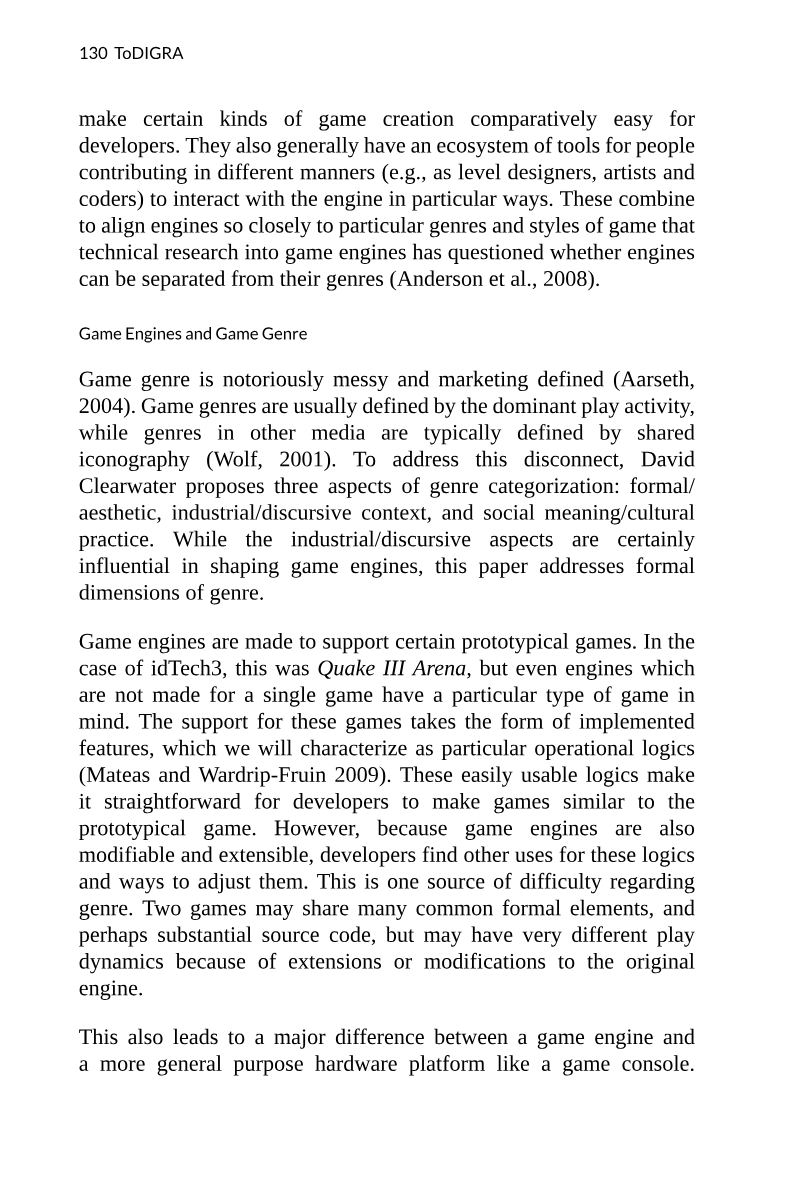
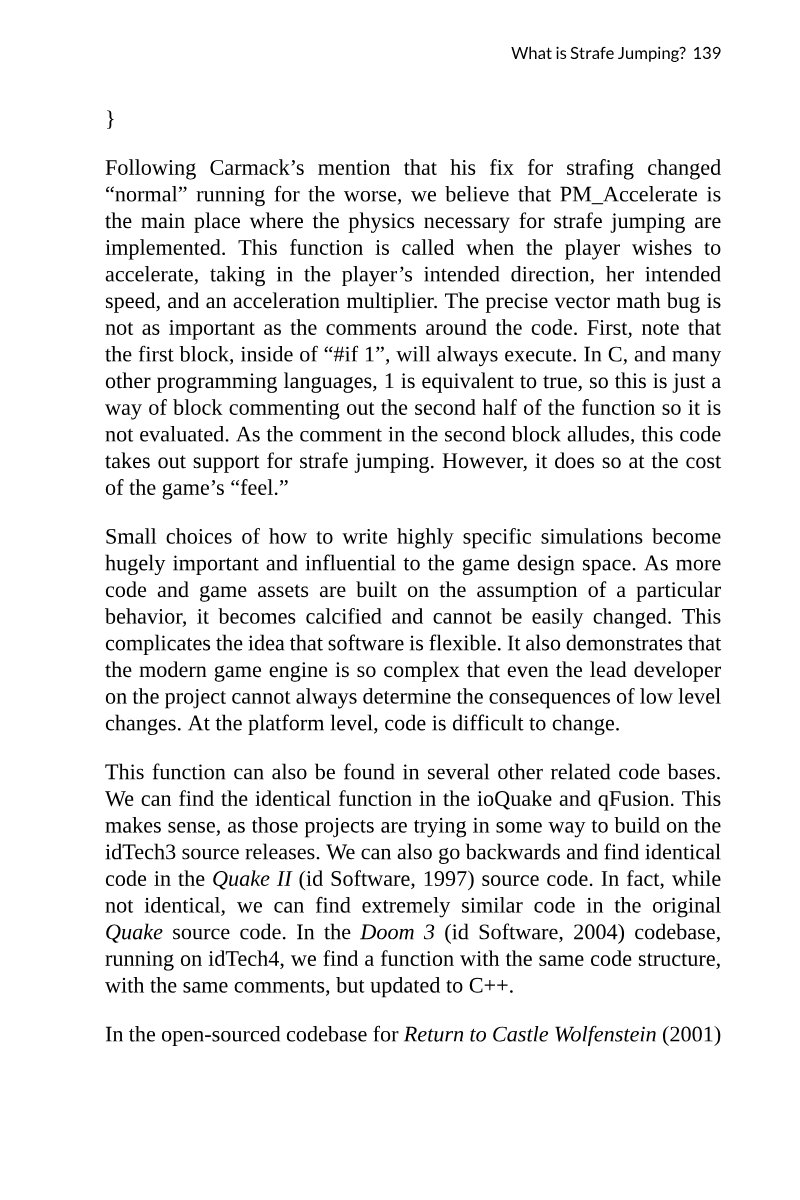
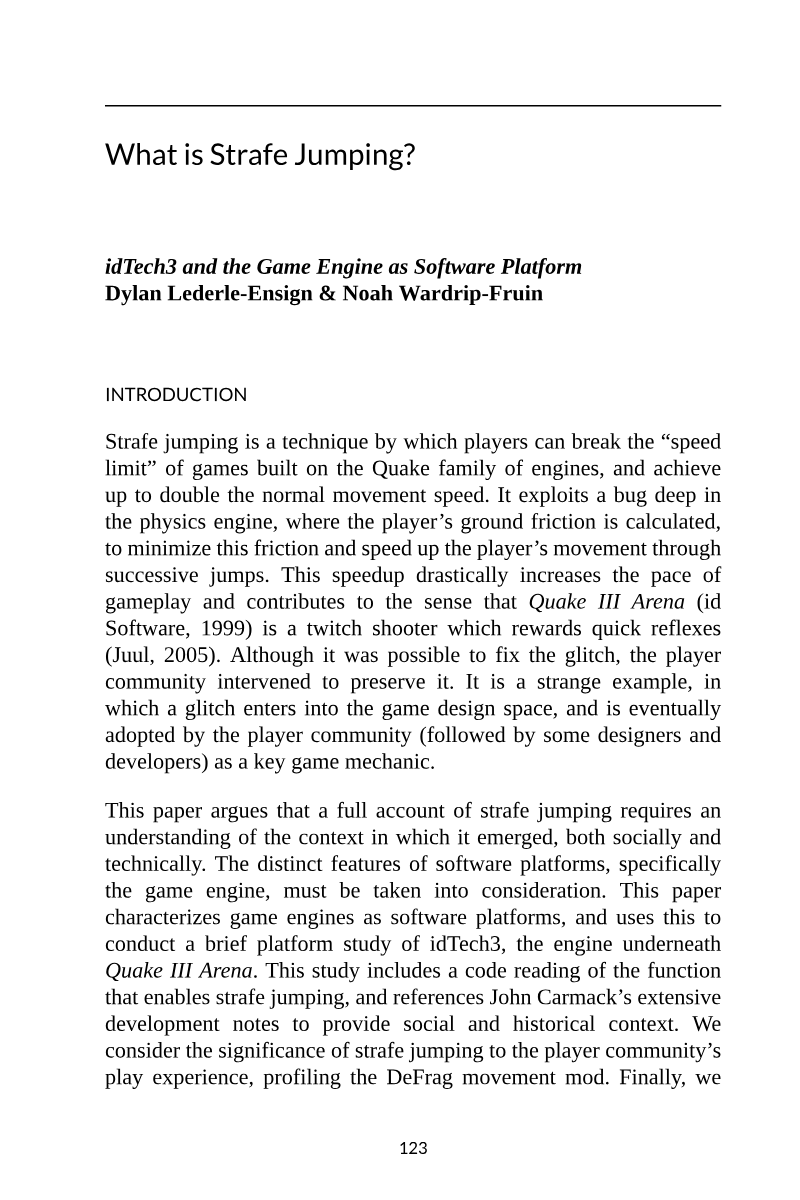
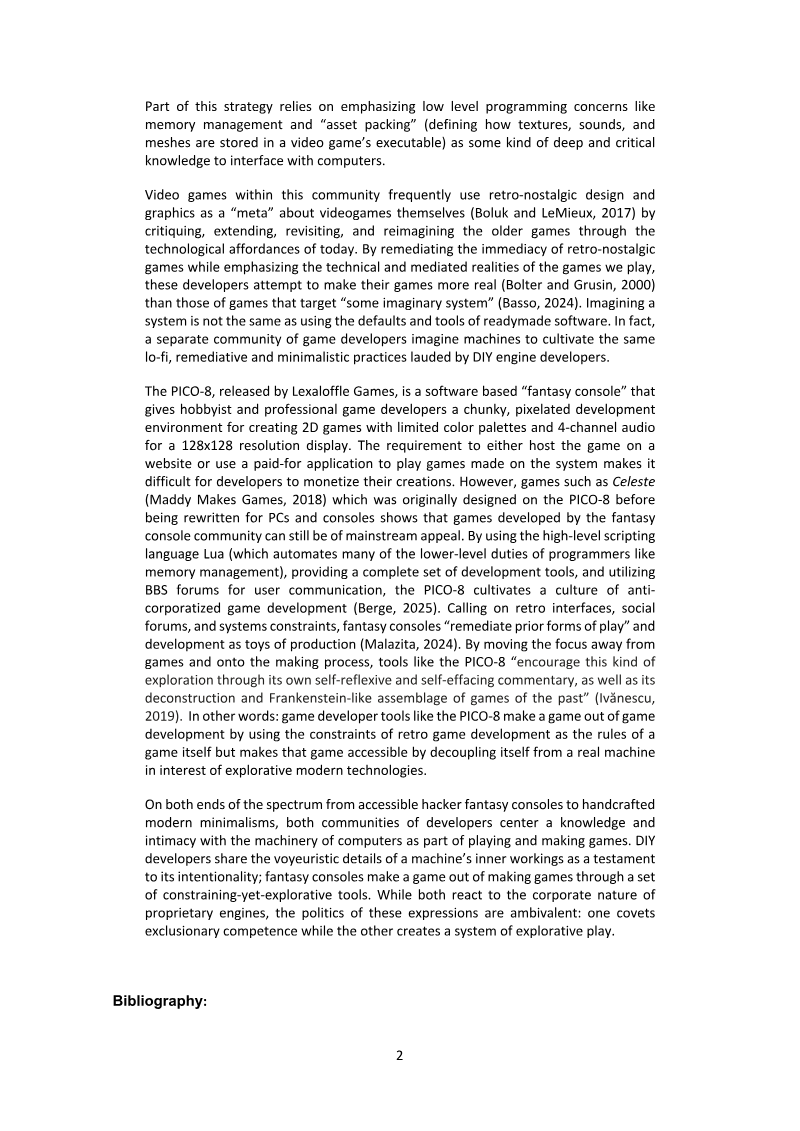
Consumer-grade game engines function as dual-purpose entities, acting simultaneously as creative enablers and restrictive frameworks that dictate the artistic and narrative boundaries of digital projects. By imposing specific technical canons, these tools shape the output of user communities, often steering developers toward predictable design patterns. However, a significant subset of creators engages in the deliberate subversion of these engine-imposed constraints. This practice functions as a form of metacommentary, where the act of pushing software beyond its intended functional limits serves as a creative puzzle and a method for probing the technological boundaries of the medium.
Within specialized niches, such as the URQ text-adventure community, this subversive experimentation acts as a vital social mechanism. Developers who successfully manipulate engines to perform tasks for which they were not designed gain status as technical experts, effectively using their ingenuity as social currency. This behavior fosters community loyalty and provides a platform for self-expression, as creators treat the limitations of their tools as a primary site of play. These efforts are not merely technical anomalies; they are deliberate, skillful acts that challenge the status quo and influence the long-term evolution of the software itself.
Ultimately, the tension between engine conventions and developer subversion drives innovation within the industry. While these experimental projects frequently remain outside the purview of mainstream audiences, they are essential to the health of developer ecosystems. By treating engine constraints as obstacles to be overcome rather than rules to be followed, creators expand the perceived possibilities of their platforms. This ongoing dialogue between tool and user ensures that game engines remain dynamic, evolving environments rather than static, prescriptive systems.
Replay. The Polish Journal of Game Studies · 2026
Replay. The Polish Journal of Game Studies · 2026



Replay. The Polish Journal of Game Studies · 2026
Replay. The Polish Journal of Game Studies · 2026
Replay. The Polish Journal of Game Studies · 2026
Replay. The Polish Journal of Game Studies · 2026
Replay. The Polish Journal of Game Studies · 2024
Replay. The Polish Journal of Game Studies · 2024
Replay. The Polish Journal of Game Studies · 2024
Replay. The Polish Journal of Game Studies · 2024

Replay. The Polish Journal of Game Studies · 2024
Replay. The Polish Journal of Game Studies · 2024
DiGRA · 2026