1 free read left. Create a free account for unlimited reading + AI research.
Create free accountWhitepaper Journal of Games, Game Art, and Gamification
1 free read left. Create a free account for unlimited reading + AI research.
Create free accountWhitepaperJournal of Games, Game Art, and Gamification
It is used to enhance human resource management, recruitment, and marketing efforts. This aligns individual employee behaviors with broader business objectives.
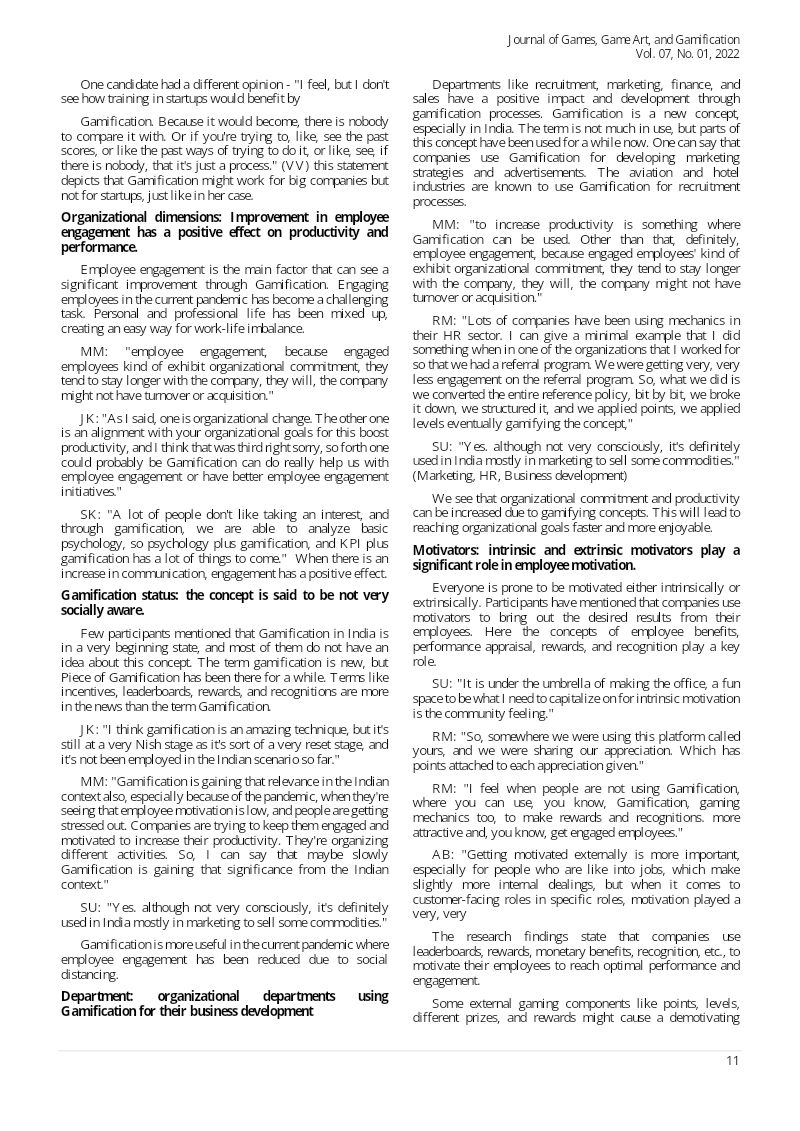
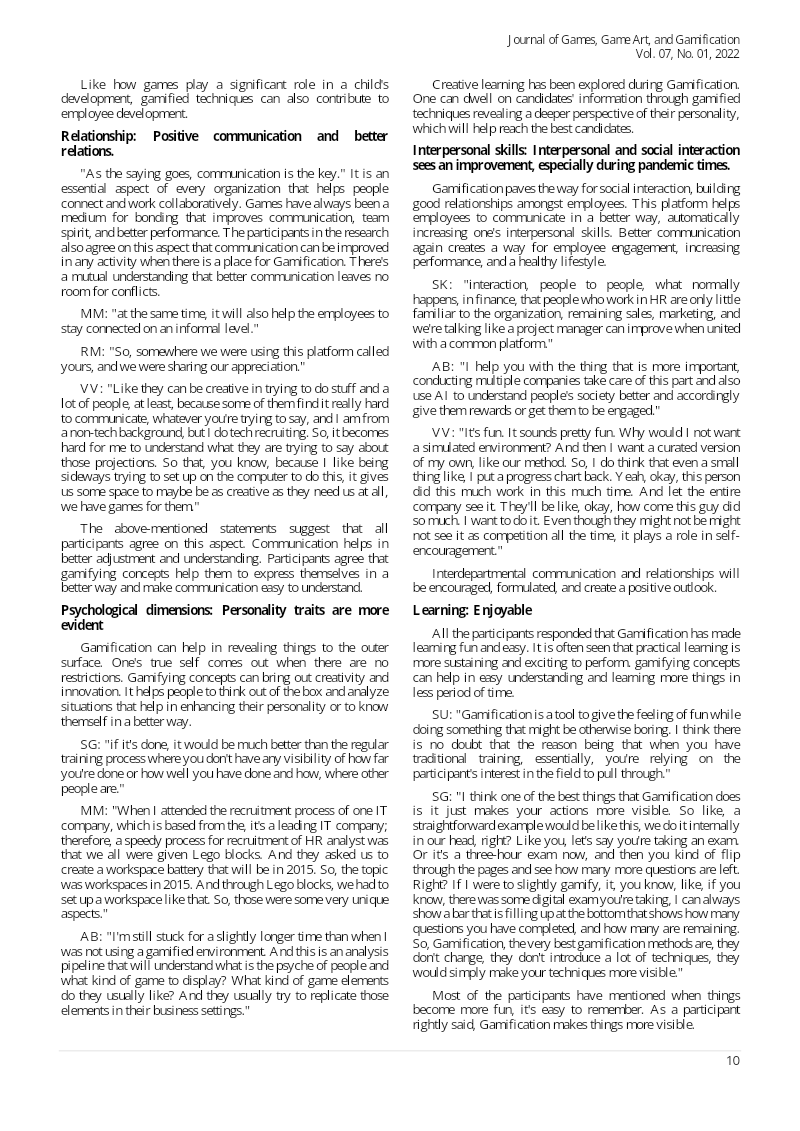
Gamification serves as a transformative tool within the Indian corporate landscape, functioning primarily as a strategic mechanism to enhance human resource management, recruitment, and marketing efforts. By integrating game-based elements such as rewards, real-time feedback, and structured competition, organizations successfully foster more interactive and engaging work environments. These initiatives effectively leverage a combination of intrinsic and extrinsic motivators, aligning individual employee behaviors with broader business objectives to drive measurable improvements in productivity and organizational commitment.
The adoption of these practices in India remains in a developmental phase, with historical data indicating that implementation rates were below 10 percent as of 2014. Despite this nascent status, qualitative analysis confirms that when gamification is thoughtfully designed, it significantly bolsters interpersonal communication and personal development. The core thesis posits that the efficacy of these systems depends heavily on the quality of implementation; a balanced approach that integrates gamified elements with traditional learning methodologies is essential to avoid the pitfalls of poor design, which can render such tools ineffective.
Ultimately, the integration of game mechanics into the workplace represents a shift toward more dynamic organizational cultures. While the practice is still gaining traction across the Indian industry, the evidence suggests that well-executed gamification strategies are instrumental in cultivating a motivated workforce. Future success in this domain requires a nuanced understanding of how to sustain engagement without compromising the professional integrity of established corporate processes, ensuring that gamification remains a practical and sustainable asset for long-term organizational growth.
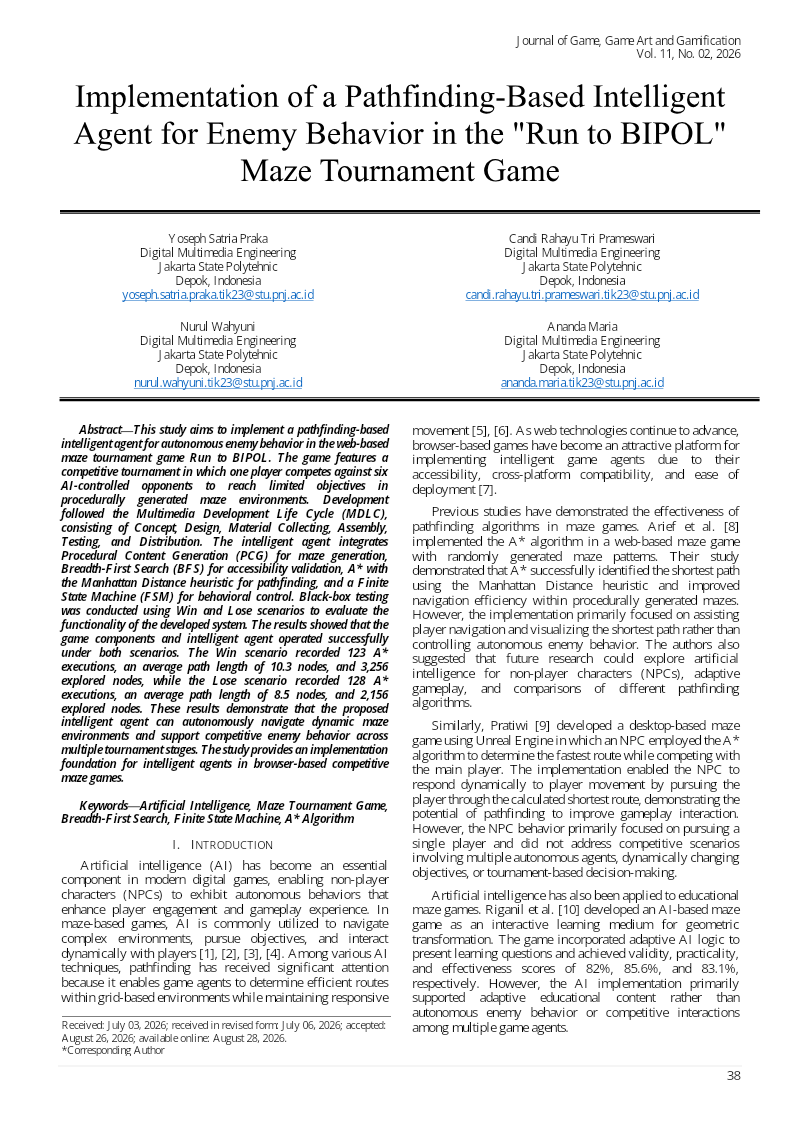
Journal of Games, Game Art, and Gamification · 2026
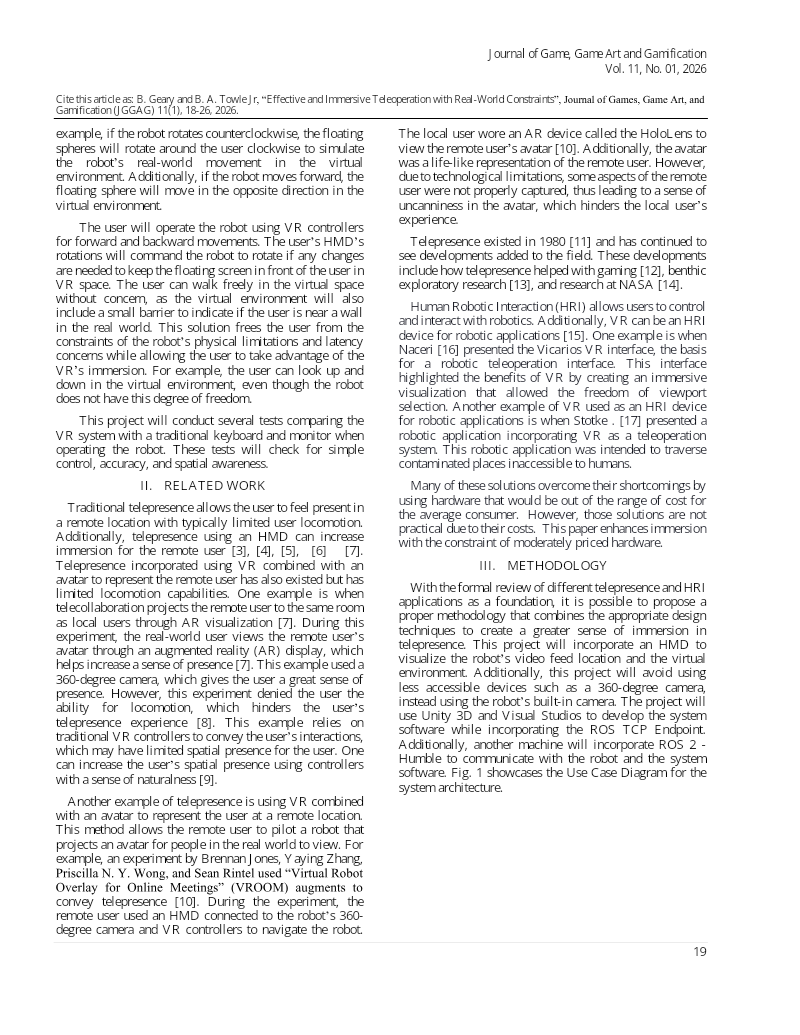
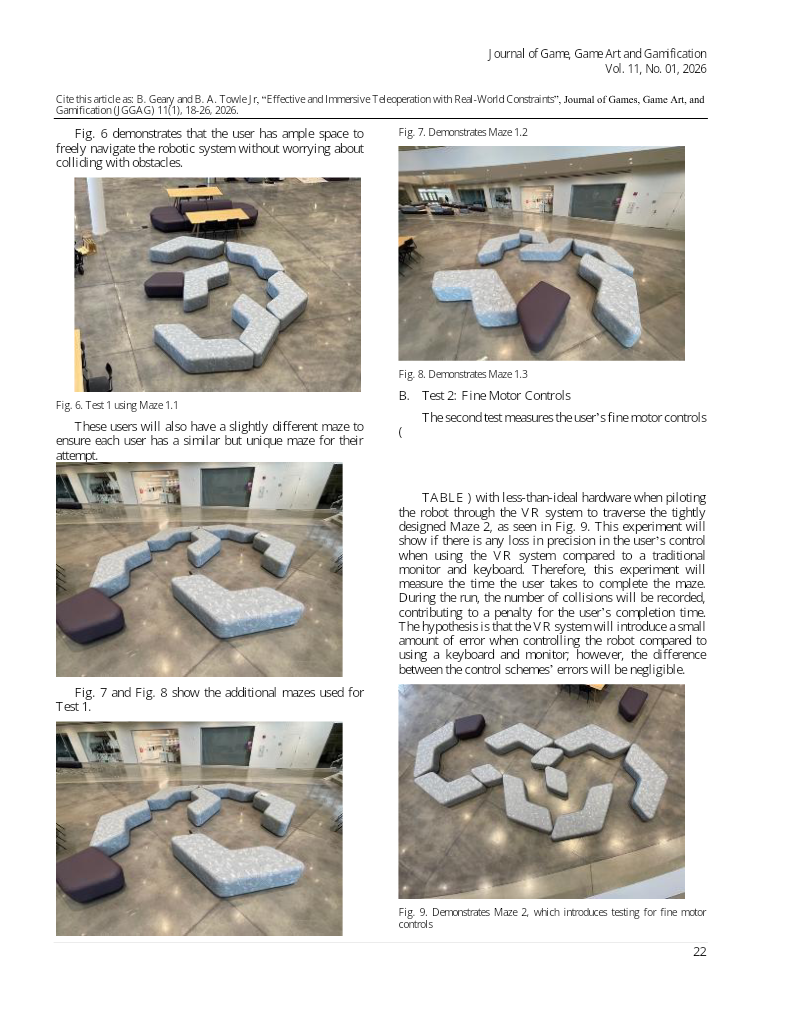
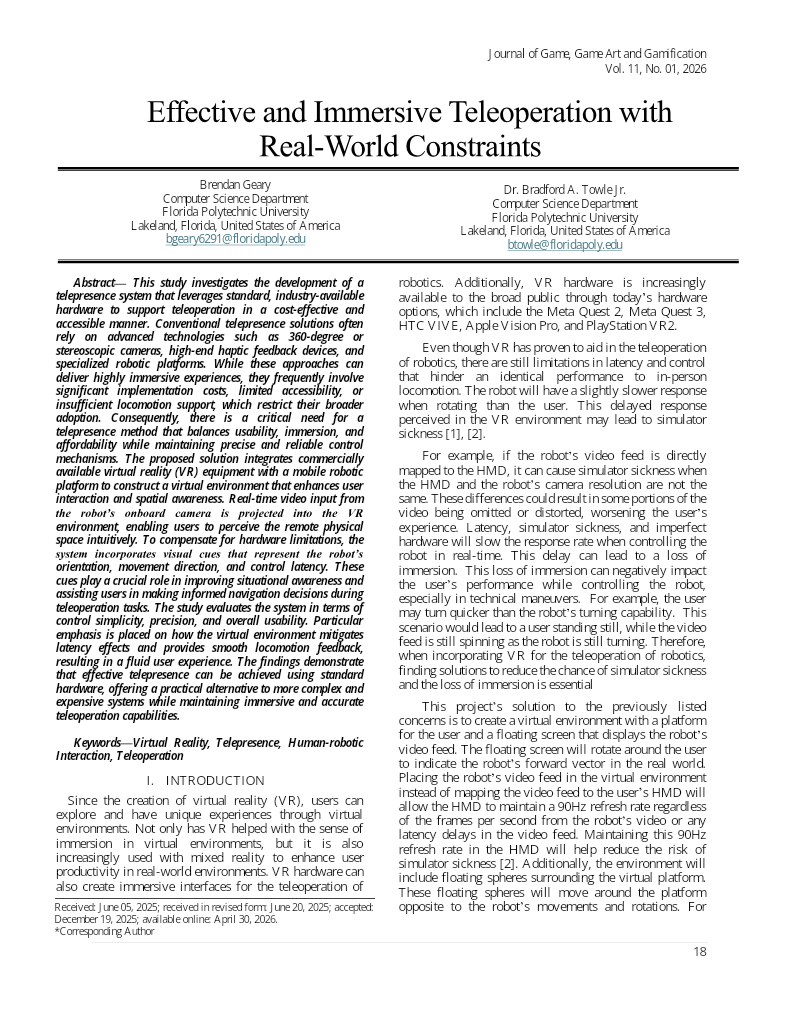
Journal of Games, Game Art, and Gamification · 2026
Journal of Games, Game Art, and Gamification · 2025
Journal of Games, Game Art, and Gamification · 2025
Journal of Games, Game Art, and Gamification · 2025
Journal of Games, Game Art, and Gamification · 2025
Journal of Games, Game Art, and Gamification · 2025
Journal of Games, Game Art, and Gamification · 2025
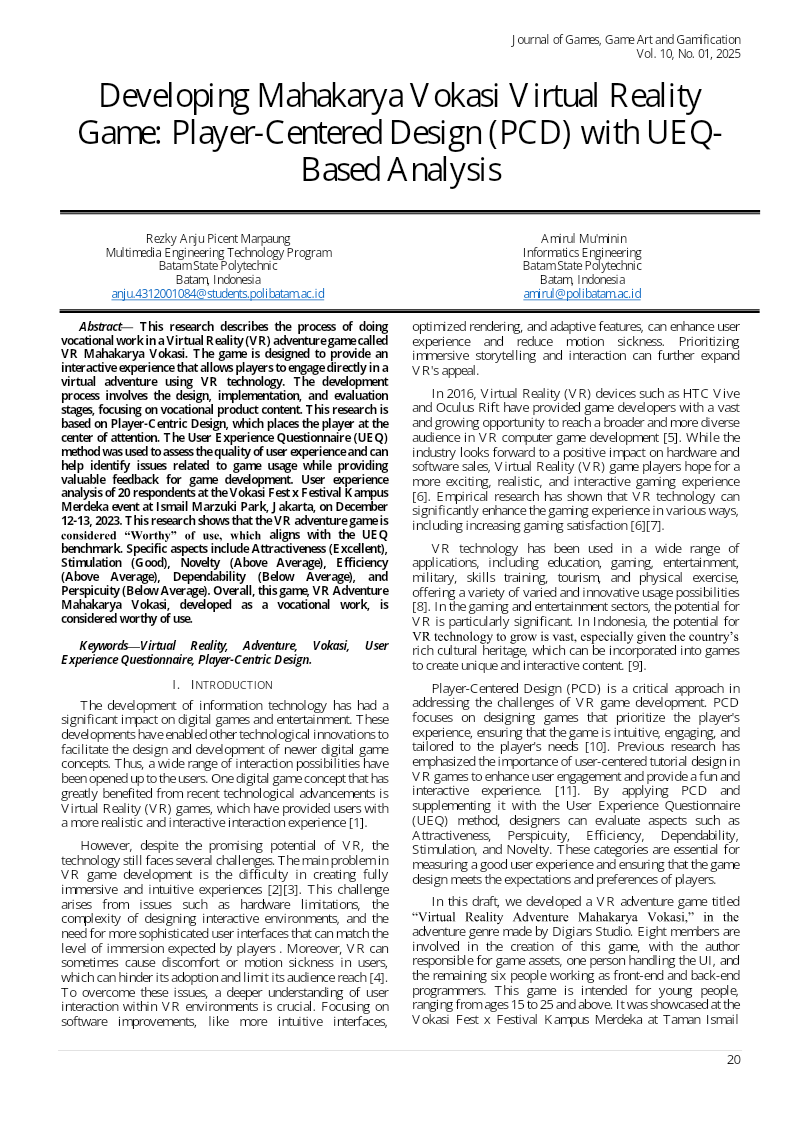
Journal of Games, Game Art, and Gamification · 2025
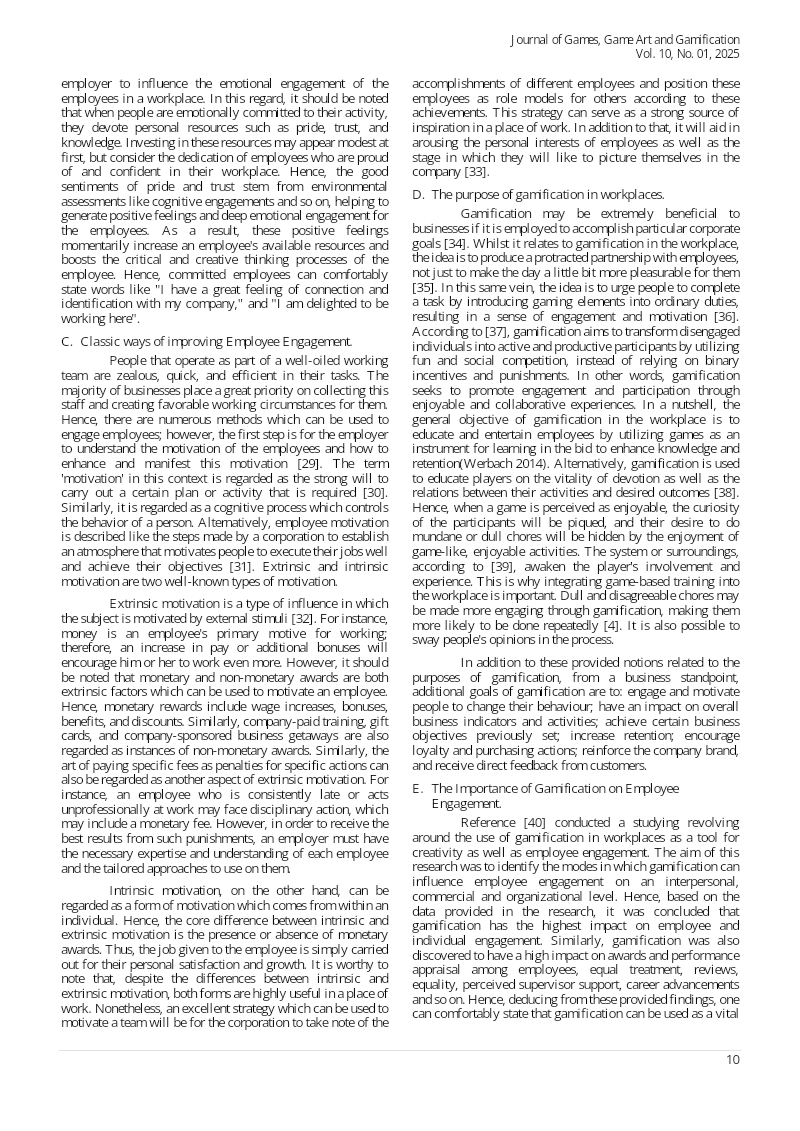
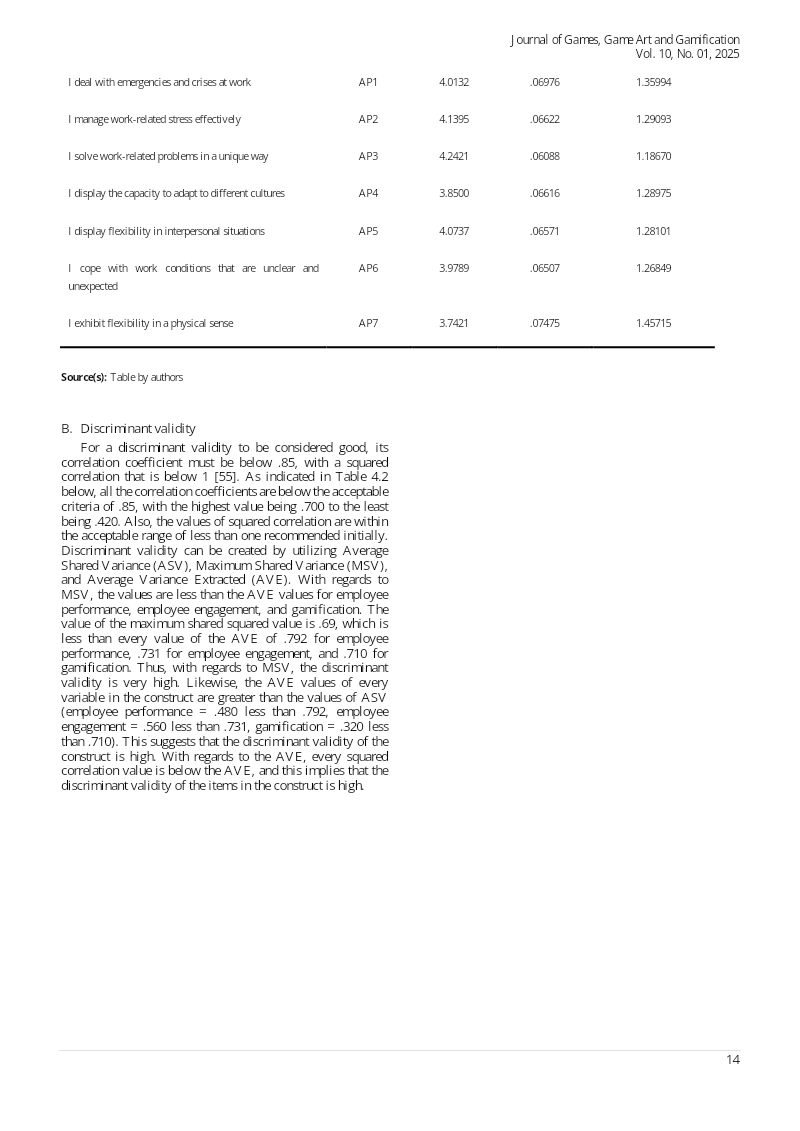
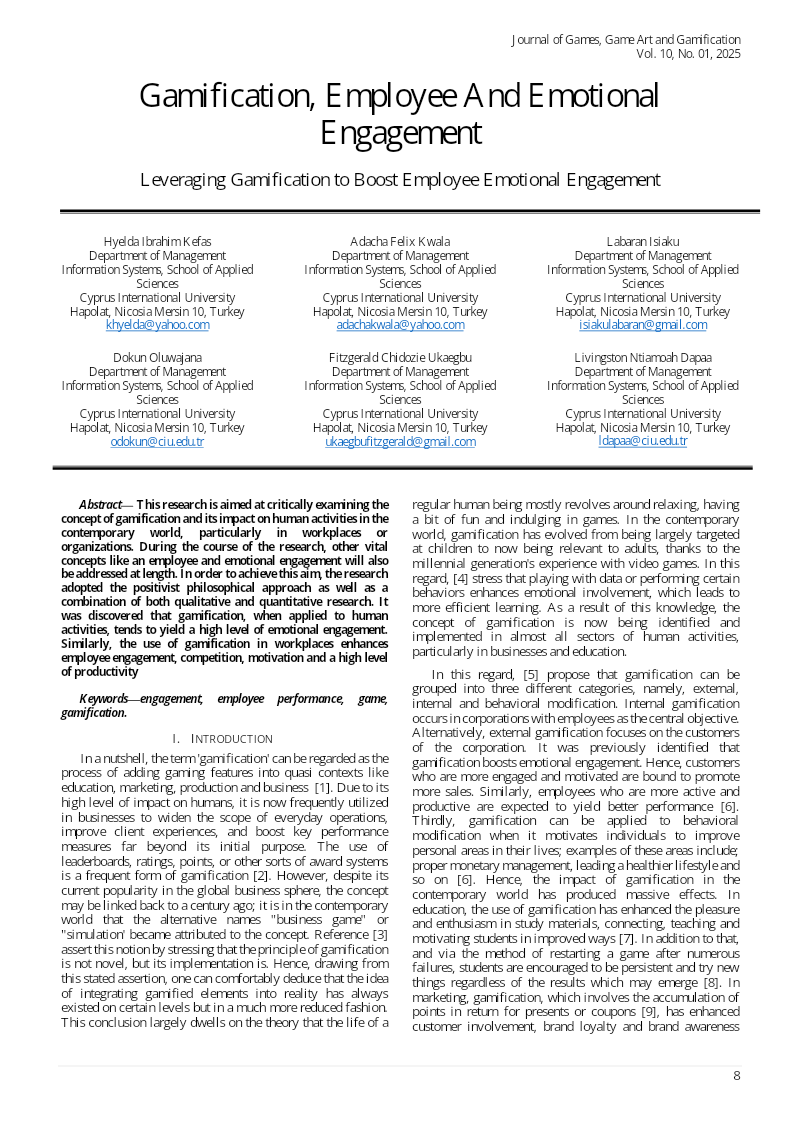
Journal of Games, Game Art, and Gamification · 2025
Journal of Games, Game Art, and Gamification · 2024
Journal of Games, Game Art, and Gamification · 2024
Swedish Defence University · 2026