1 free read left. Create a free account for unlimited reading + AI research.
Create free accountWhitepaperJMIR Serious Games
Distilling the key insights…
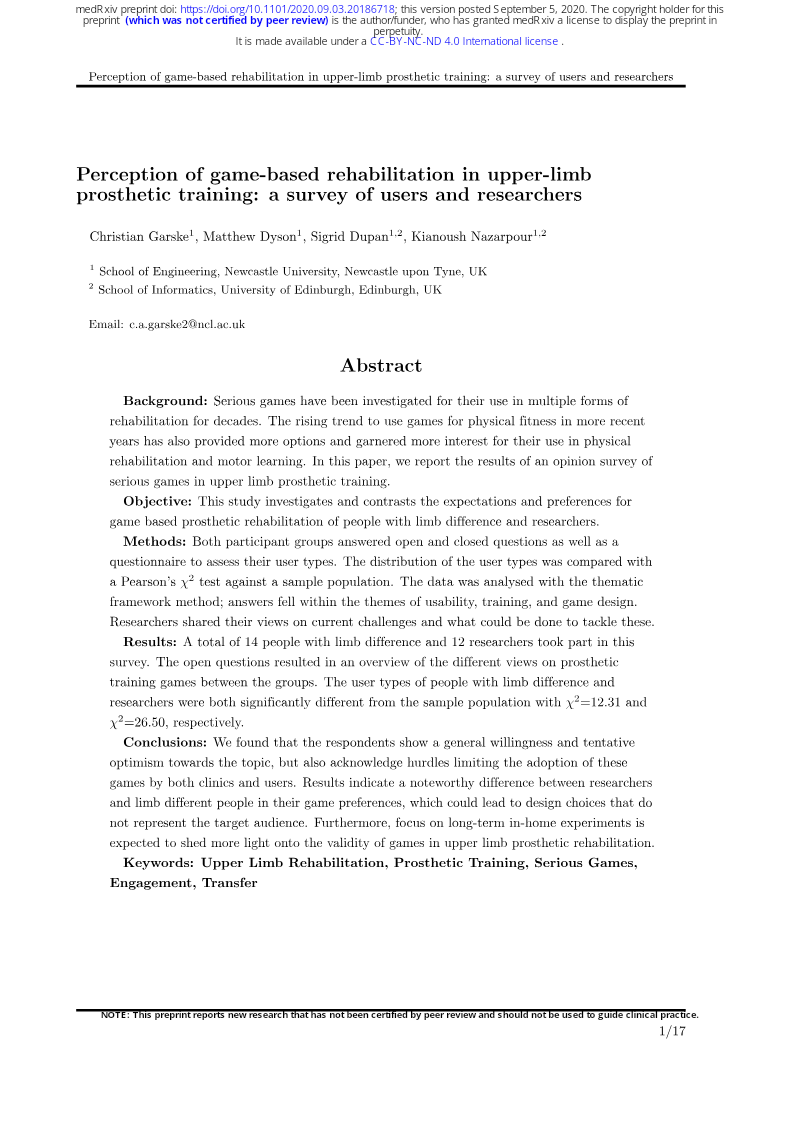
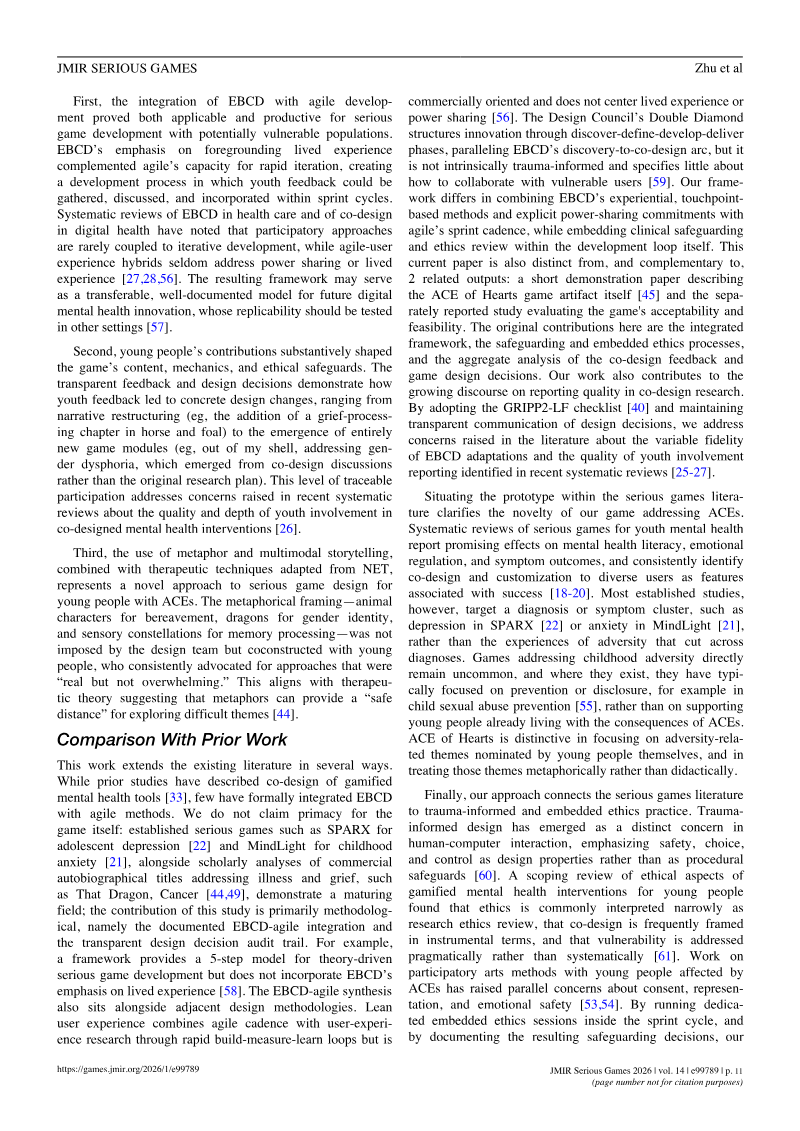
Game-based rehabilitation for upper-limb prosthetics represents a promising frontier in motor learning, leveraging intrinsic motivation and external focus to enhance patient outcomes. By integrating serious games into clinical and home-based training, practitioners aim to improve user adherence and skill acquisition. However, the successful implementation of these tools depends on bridging the gap between clinical requirements and engaging, personalized game design. While both users and researchers express optimism regarding the potential for home-based training, significant disparities in design priorities and game preferences currently hinder the development of effective, widely adopted solutions.
The primary obstacles to widespread adoption include a lack of accessible, low-cost electromyography hardware and persistent skepticism regarding the clinical validity of game-based interventions. Academic research teams often struggle to balance technical clinical needs with the high-quality design standards necessary to maintain long-term user engagement. Consequently, collaboration with professional game developers is essential to create experiences that are both clinically rigorous and sufficiently compelling to sustain patient interest. Furthermore, there is a critical need for longitudinal studies to determine whether improvements in in-game performance successfully transfer to real-world prosthetic functionality.
Future efforts must prioritize the active involvement of individuals with limb differences throughout the design process to ensure that rehabilitation tools align with user needs and expectations. By shifting the focus toward long-term home-based trials, the field can better evaluate training adherence and the practical utility of these digital interventions. Ultimately, the integration of user-centered design and robust clinical validation is required to transform game-based training from a theoretical benefit into a standard, effective component of prosthetic rehabilitation.
JMIR Serious Games · 2026
JMIR Serious Games · 2026
JMIR Serious Games · 2026
JMIR Serious Games · 2026
JMIR Serious Games · 2026
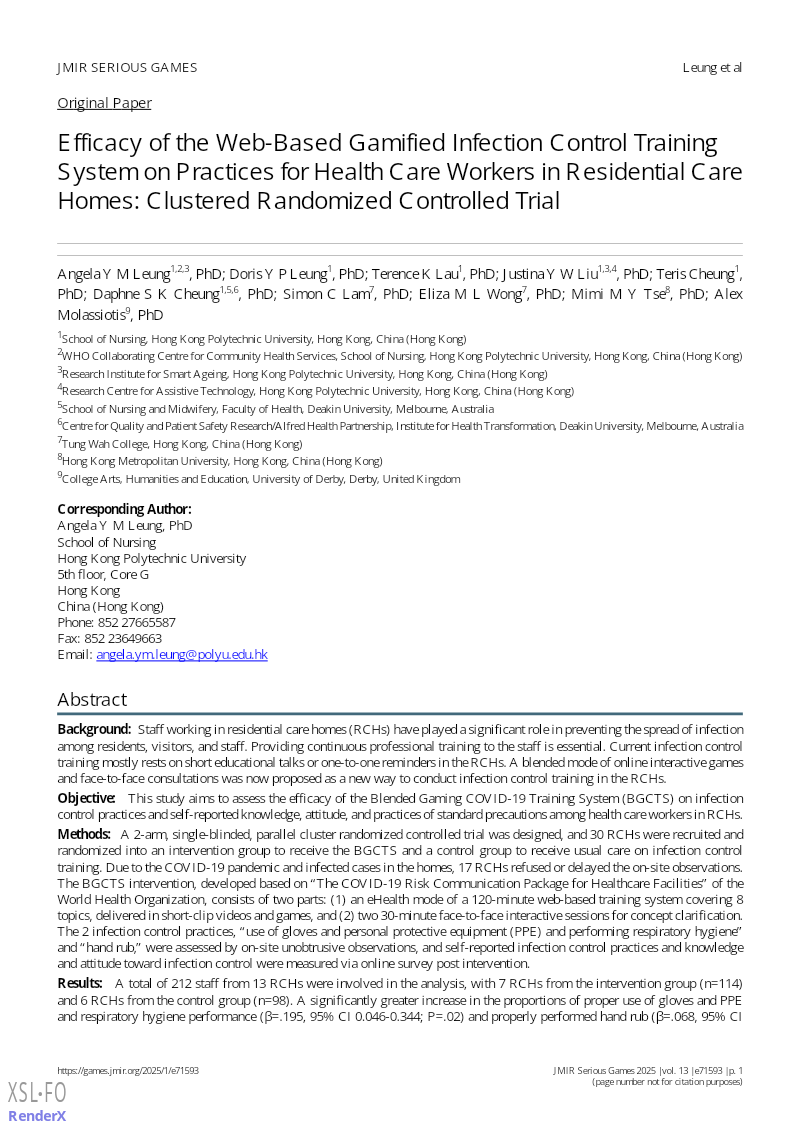
JMIR Serious Games · 2025
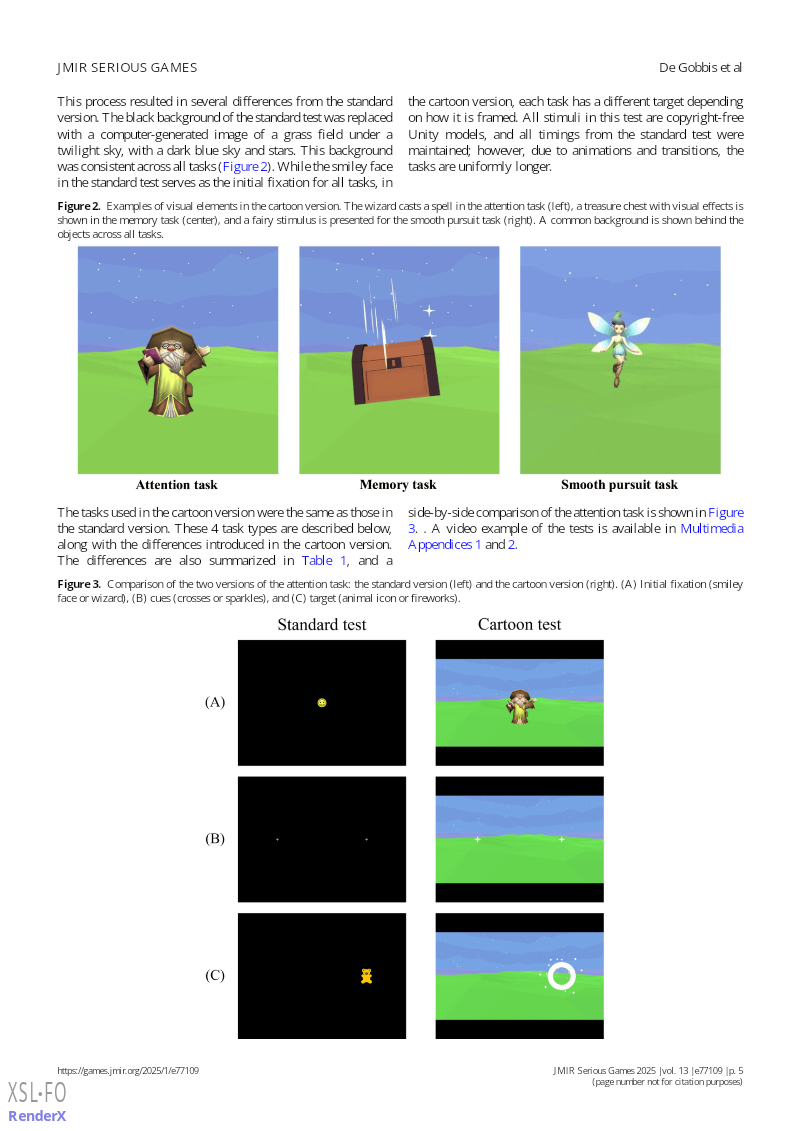
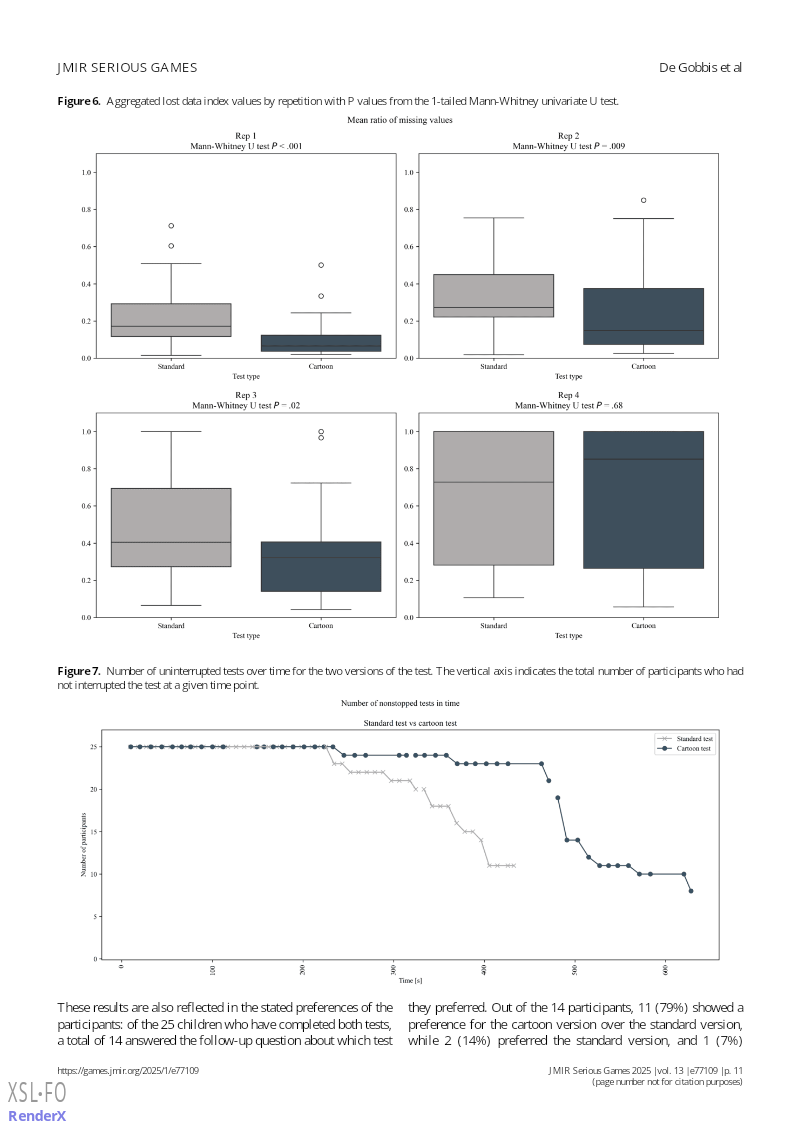
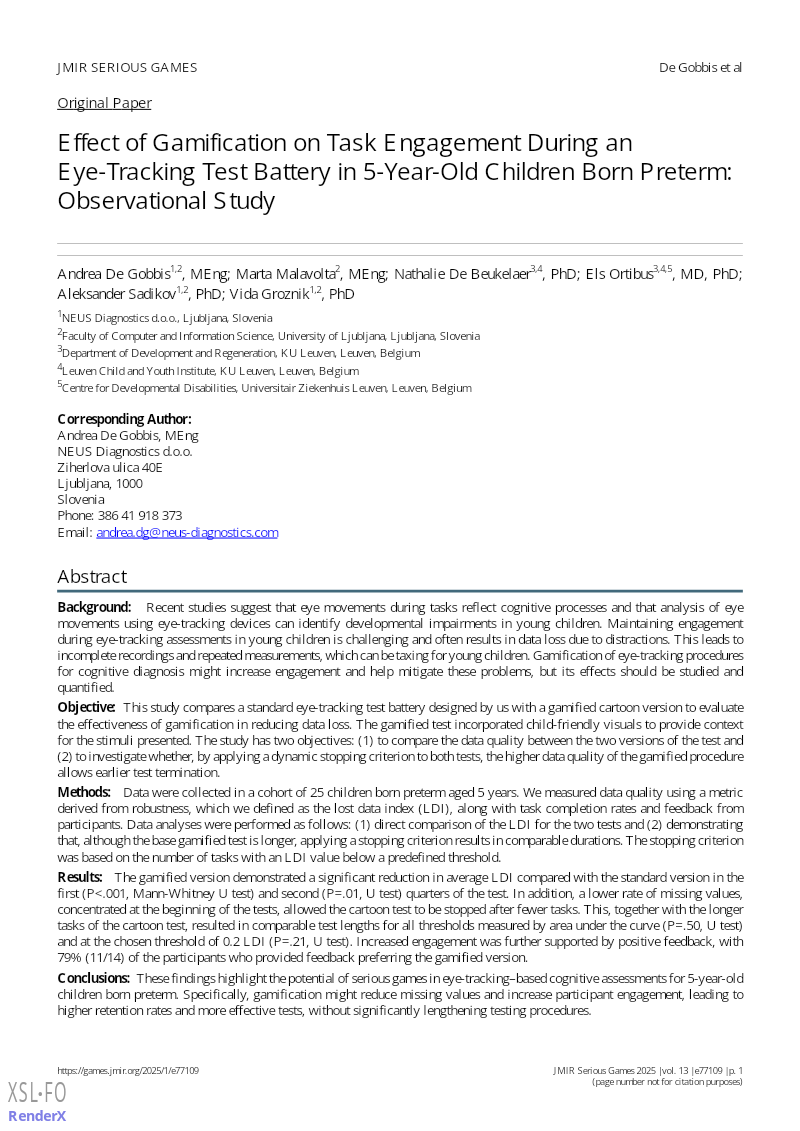
JMIR Serious Games · 2025
JMIR Serious Games · 2025
JMIR Serious Games · 2025
JMIR Serious Games · 2025
National Research Council Canada · 2025
JMIR Serious Games · 2024
International Journal of Serious Games · 2026









Comments