1 free read left. Create a free account for unlimited reading + AI research.
Create free accountWhitepaperJMIR Serious Games
Distilling the key insights…
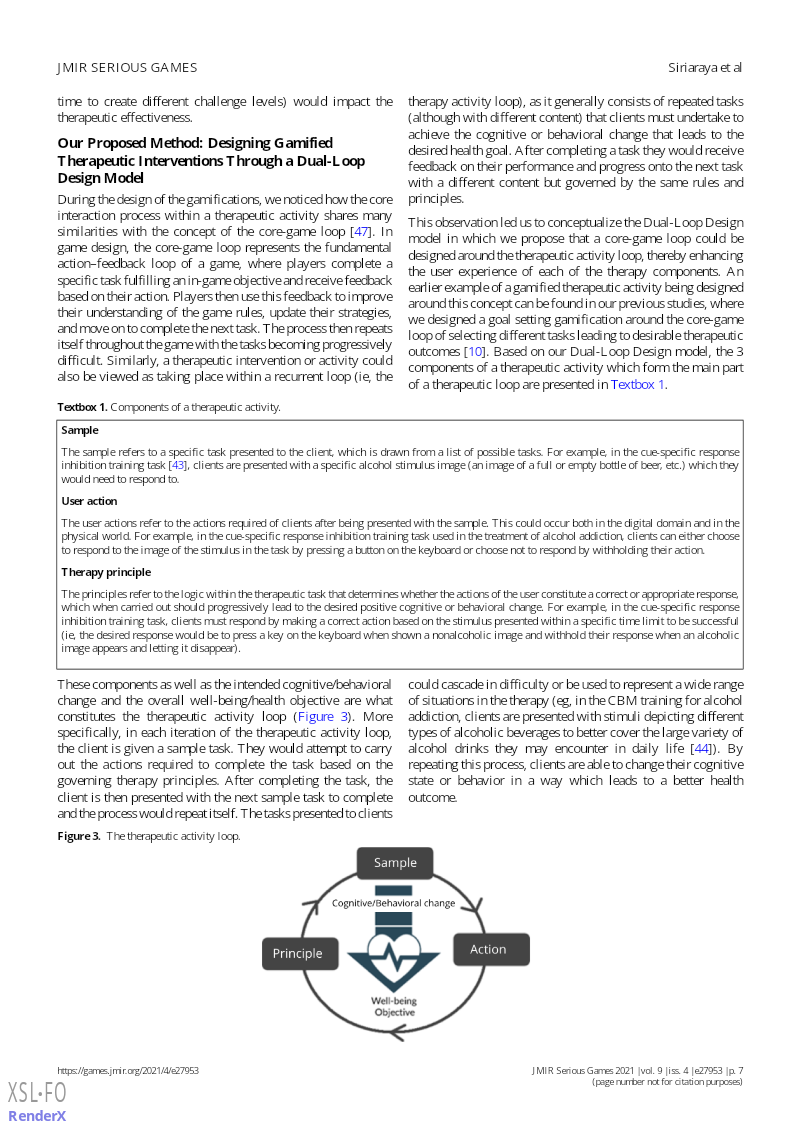
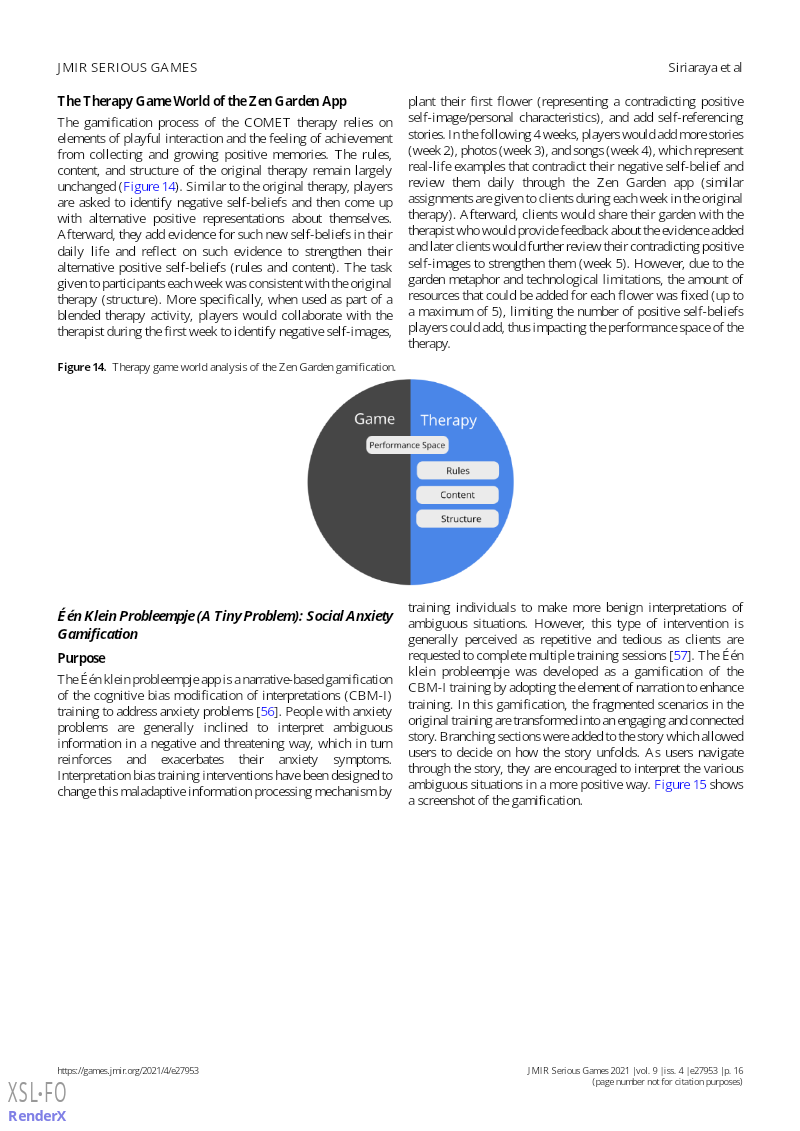
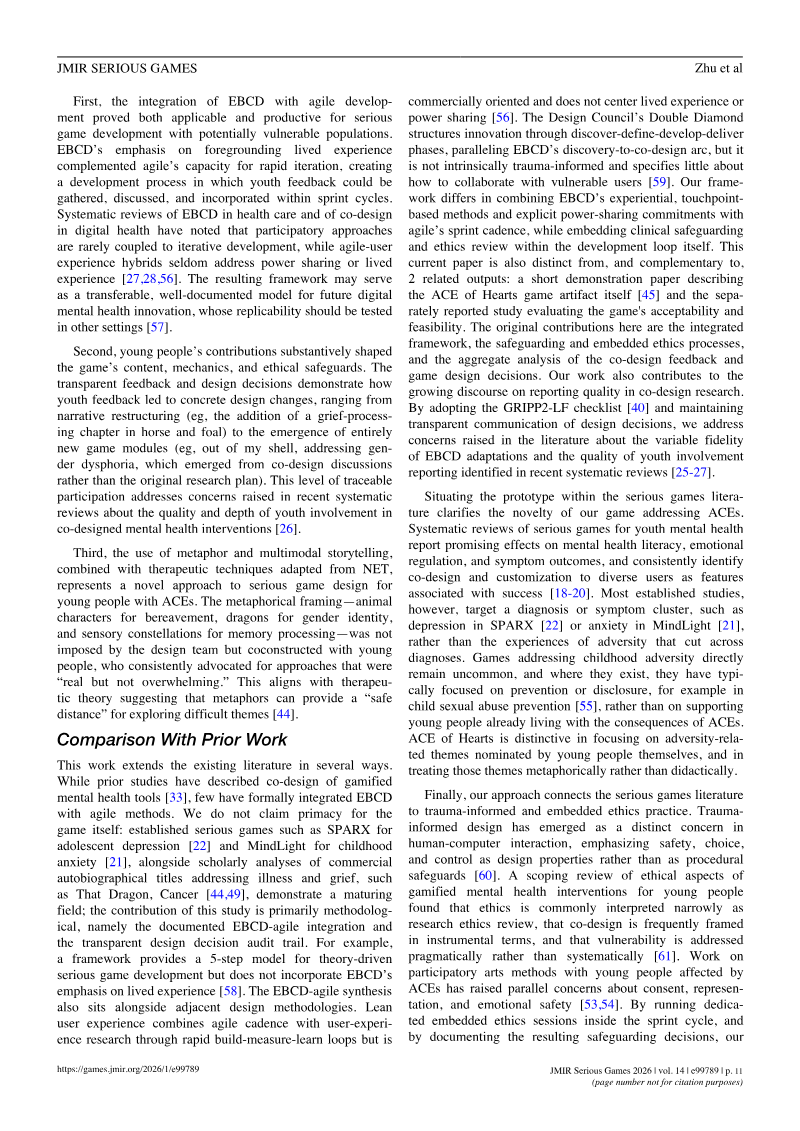
The integration of game design into mental health care serves as a strategic methodology to bolster patient engagement and treatment adherence. By utilizing a Dual-Loop Design model, practitioners can effectively map therapeutic components—such as clinical principles, actions, and feedback—onto core game mechanics like progression systems, narrative arcs, and interactive logic. This approach creates a structured environment where the therapeutic process is enhanced by game-based motivation without compromising the integrity of the underlying clinical intervention.
The framework distinguishes between creating discrete game worlds that support therapy and embedding game elements directly into existing clinical activities. Successful implementation relies on balancing these two domains, ensuring that mechanics like wagering, rhythm-based interaction, or branching narratives do not inadvertently trigger addictive behaviors or undermine the clinical goals. Empirical validation through case studies, including applications for anxiety, addiction, and self-esteem, demonstrates that this synthesis can transform repetitive or fragmented therapeutic exercises into compelling, goal-oriented experiences.
Spanning a diverse range of mental health interventions, this research provides a practical toolkit for deconstructing therapeutic content to identify optimal design strategies. The findings indicate that when game design is applied with clinical precision, it significantly improves user motivation and persistence. Ultimately, the research establishes that the successful gamification of mental health care requires a rigorous, evidence-based approach that prioritizes therapeutic efficacy while leveraging the psychological benefits of game-based interaction to foster better patient outcomes.
JMIR Serious Games · 2026
JMIR Serious Games · 2026
JMIR Serious Games · 2026
JMIR Serious Games · 2026
JMIR Serious Games · 2026
JMIR Serious Games · 2025
JMIR Serious Games · 2025
JMIR Serious Games · 2025
JMIR Serious Games · 2025
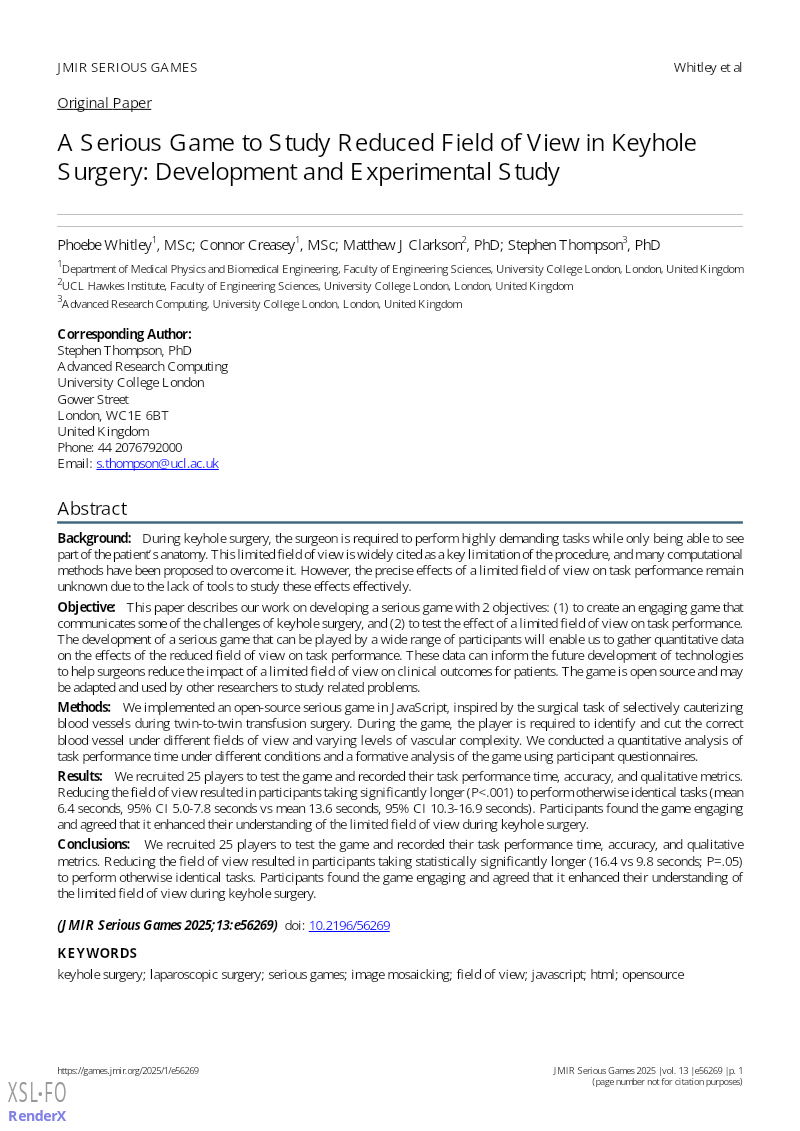
JMIR Serious Games · 2025
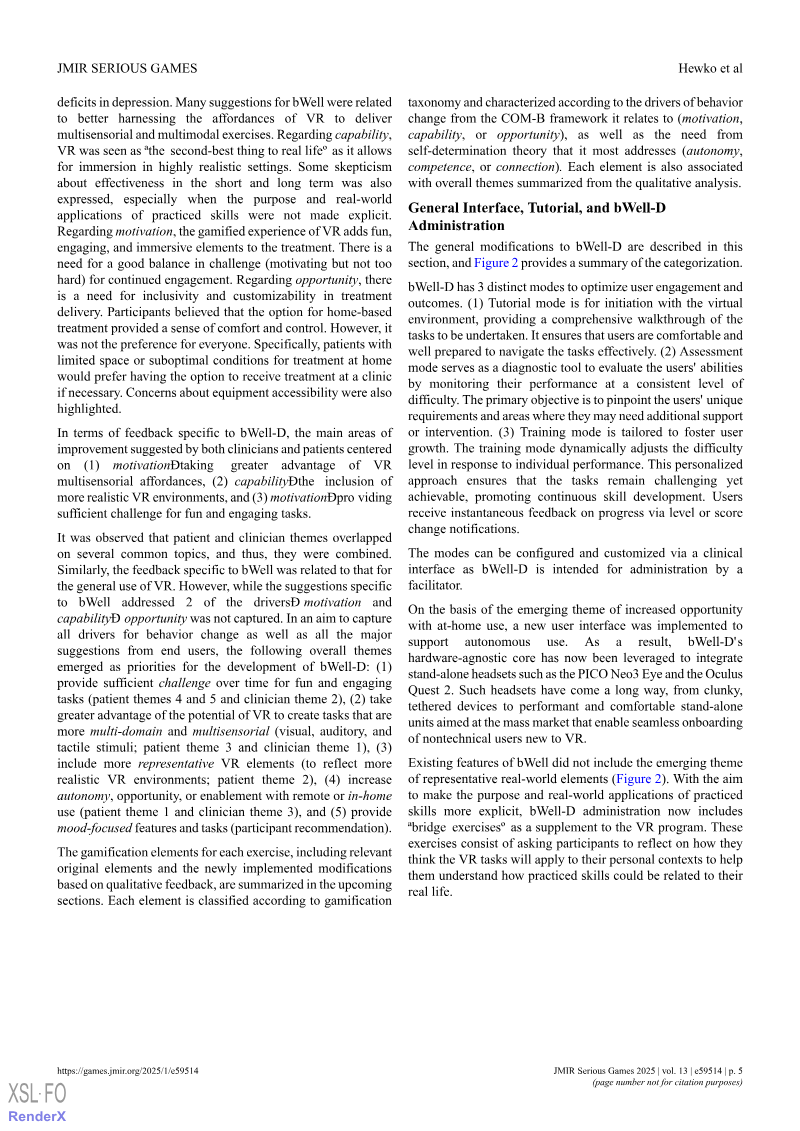
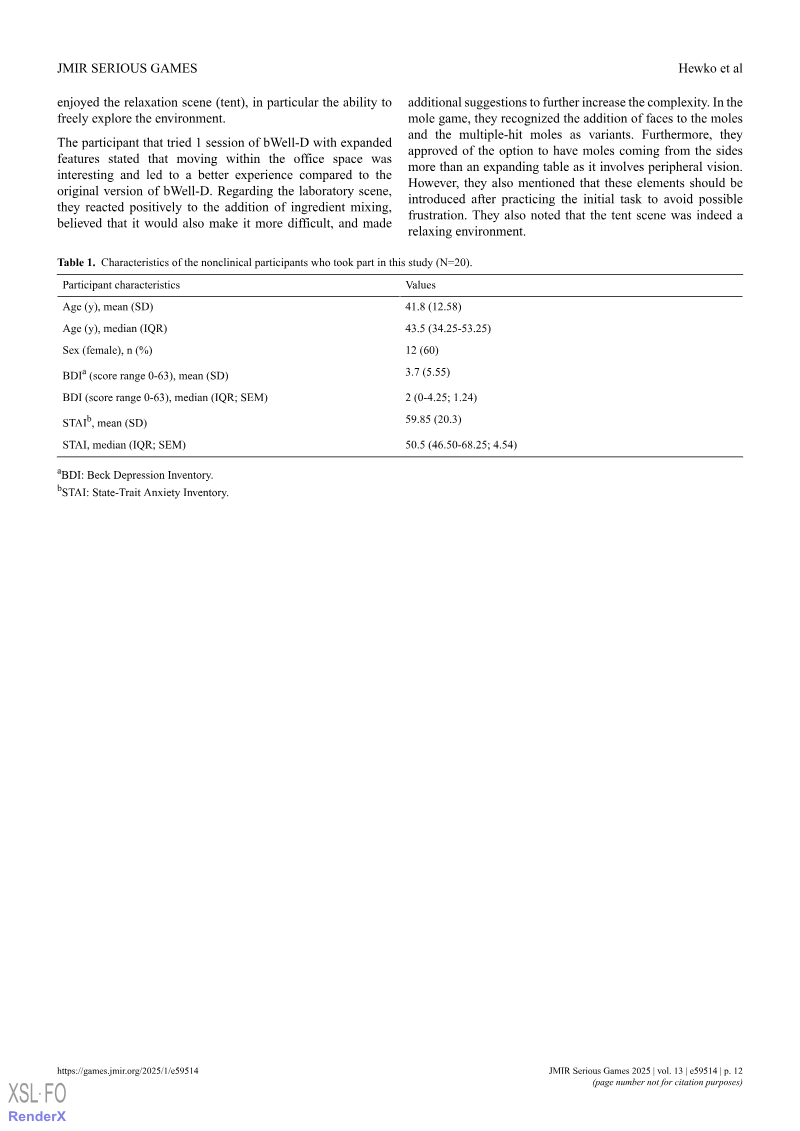
National Research Council Canada · 2025
JMIR Serious Games · 2024
International Journal of Serious Games · 2026















Comments