The current economic climate in the video game industry is forcing a shift in consumer behavior and development strategy, characterized by rising hardware costs and a pivot toward long-term support for established single-player titles. As hardware prices climb, the industry is increasingly signaling that consumers must rely on existing technology rather than anticipating frequent, affordable upgrades.
A primary example of this trend is Valve’s recent decision to increase the price of the Steam Deck OLED, with the 1TB and 512GB models seeing price hikes of 46% and 43%, respectively. This move highlights that even private, highly profitable companies are prioritizing margin protection over maintaining accessible entry points for consumers. These rising costs, coupled with the aging nature of current hardware, suggest a period of stagnation for the average gamer who is not prepared to absorb significant financial increases.
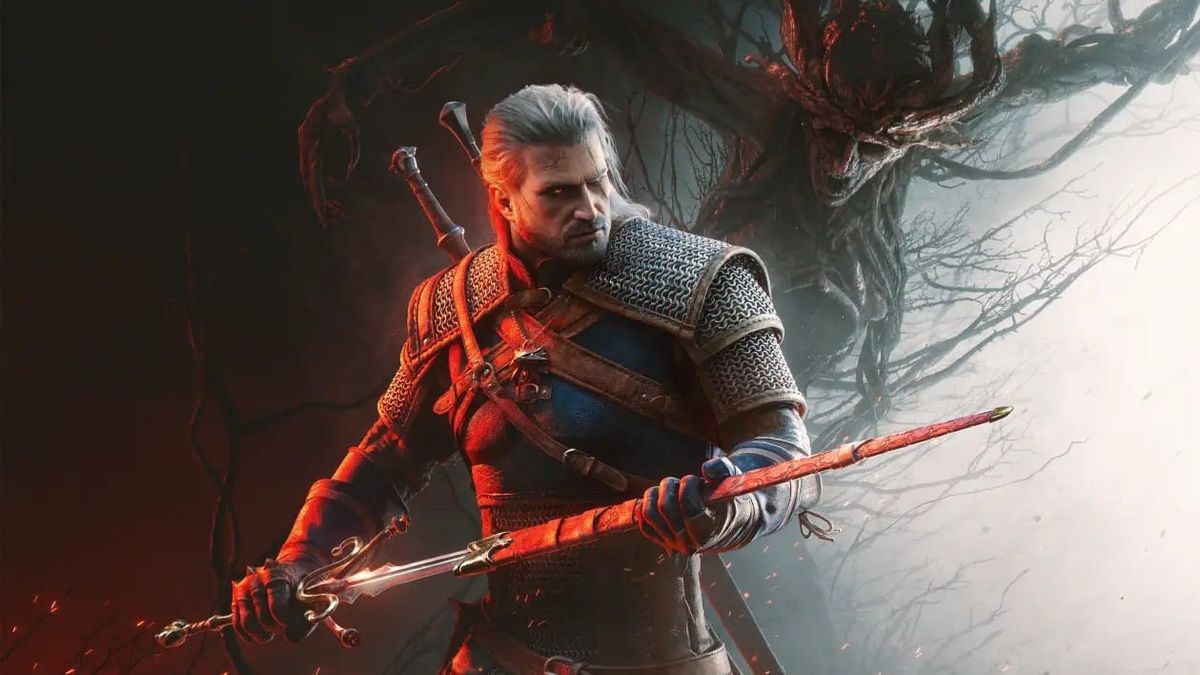
In response to these economic pressures, developers are finding value in extending the lifecycles of older, successful single-player games. The announcement of a new expansion for The Witcher III: Wild Hunt, eleven years after its initial release, serves as a case study for this strategy. By re-engaging established player bases with new content, developers can maintain relevance and revenue without the high risk of new hardware development or the overhead of live-service models. This approach offers a sustainable path for both creators and consumers to navigate an increasingly expensive market, suggesting that the future of gaming may rely more on deepening existing experiences than on the constant acquisition of new, high-cost technology.