1 free read left. Create a free account for unlimited reading + AI research.
Create free accountArticle Hit Points
1 free read left. Create a free account for unlimited reading + AI research.
Create free accountArticleHit Points
This shift is driven by advanced large language models capable of rapid code decompilation and recompilation. This has empowered hobbyist developers to create unauthorized projects.
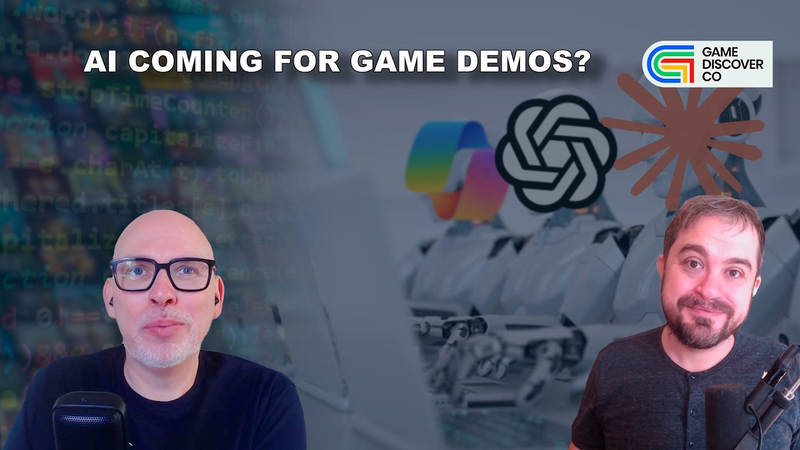
The video game industry is currently experiencing a significant shift in the discourse surrounding generative AI, moving from theoretical discussions of potential to aggressive, practical implementation. This transition is largely driven by the release of advanced large language models capable of rapid code decompilation and recompilation, which has empowered hobbyist developers to create unauthorized projects and emulations. While this trend has triggered widespread copyright concerns and legal takedowns, major industry players are increasingly viewing these tools as essential for future development workflows.
Epic Games serves as a primary example of this pivot, with leadership mandating an AI-first approach for upcoming projects, including an unannounced online shooter featuring major intellectual properties. This strategy requires the replacement of traditional hand-written code and manual asset creation with generative workflows. Such moves have sparked intense debate among developers and the gaming public, highlighting a growing divide between corporate adoption and community sentiment.
The industry is now approaching a critical juncture where a high-profile, fully AI-generated game will serve as a definitive test case for the technology's viability. Historical precedents, such as the rapid rise and fall of play-to-earn models and metaverse initiatives, suggest that market success is not guaranteed for industry-wide pivots. Whether this shift toward AI-driven development becomes a transformative standard or a cautionary tale remains to be seen, but the outcome will likely determine the long-term trajectory of game production and the sustainability of current industry business models.
Hit Points · 2026

Hit Points · 2026
Hit Points · 2026

Hit Points · 2026

Hit Points · 2026

Hit Points · 2026

Hit Points · 2026
Hit Points · 2026

Hit Points · 2026
Hit Points · 2026
Hit Points · 2026

Hit Points · 2026
PocketGamer.biz · 2026