
Game Developers Conference
Game Developers Conference (GDC, now the GDC Festival of Gaming) is the professional event for the games industry. It publishes recorded talks and interviews, annual industry survey reports such as the State of the Game Industry, and news articles.
Documents

Games, Psychology, And UX With Celia Hodent
User experience in game development functions as a critical design mindset that prioritizes human cognitive limitations over developer convenience.
- Game UX is a design mindset that prioritizes human cognitive limitations—such as flaws in perception, attention, and memory—over developer convenience to reduce unnecessary friction.
- Developers often suffer from 'curse of knowledge' bias, leading them to incorrectly assume players will tolerate confusing mechanics that the developers themselves find intuitive.
- Effective player onboarding and clear affordances are essential to mitigate the forgetting curve and interference of procedural memory, which otherwise lead to increased player attrition.
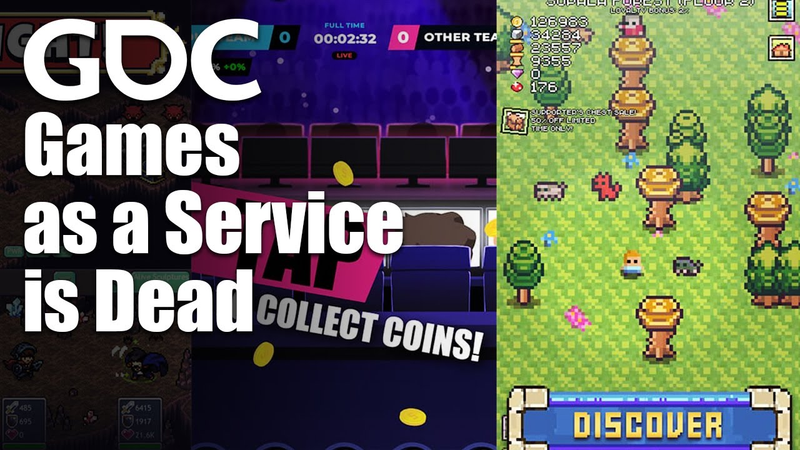
Games as a Service is Dead
The Games as a Service model is increasingly unsustainable for the majority of mobile developers, as the industry has shifted away from the organic virality that once defined early social gaming.
- Success in the current mobile market is determined by front-loaded store performance and initial install velocity rather than long-term iterative retention strategies.
- Developers must maximize conversion metrics during the first 30 days of a global launch, as organic visibility inevitably declines after this window.
- The pre-launch open beta phase is the most critical period for optimizing store conversion rates through constant A/B testing of icons, preview videos, and feature graphics.
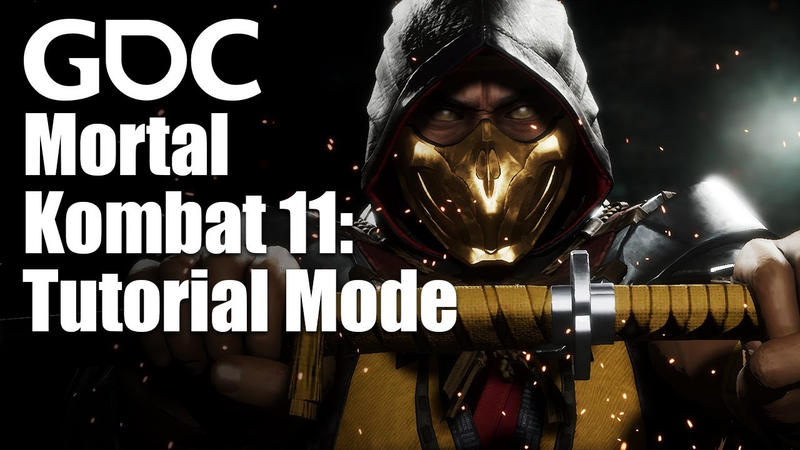
Mastering Kombat: Designing Mortal Kombat 11's Empowering Tutorial Mode
Fighting games often suffer from high player dropout rates due to steep learning curves and exclusionary design.
- NetherRealm improved player retention in Mortal Kombat 11 by segmenting their audience into four categories—campaigners, dabblers, connoisseurs, and PvP players—and building a tiered tutorial roadmap that maps specific skills to each group's needs.
- To combat player frustration and drop-off, the studio moved away from a flat tutorial structure to a hierarchical system that allows for incremental rewards, such as premium currency and exclusive character gear, at the end of every lesson and category.
- The tutorial design utilizes 'Show and Tell' visual aids, such as freezing the game world and color-coding character meshes, to help players identify complex, time-sensitive situational mechanics that were previously difficult to recognize.
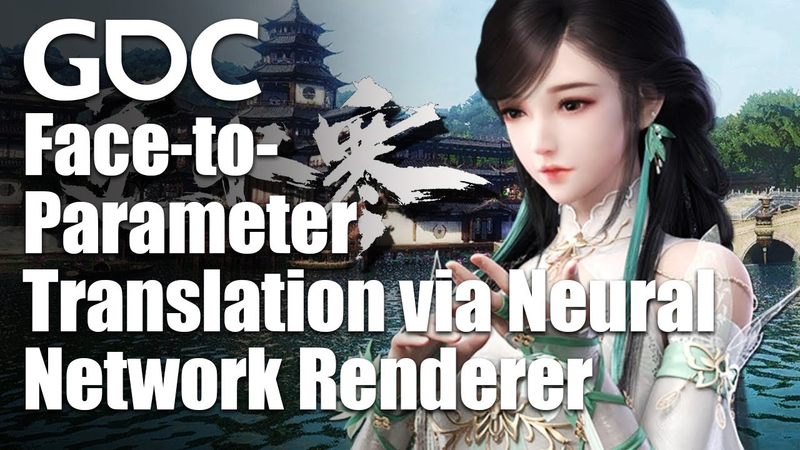
Face-to-Parameter Translation via Neural Network Renderer
The face-to-parameter translation technology addresses the labor-intensive nature of character customization in role-playing games by automating the creation of in-game avatars from a single user-provided photograph.
- The technology automates character creation by translating a single photograph into game-engine-compatible parameters, significantly reducing the labor required for avatar customization.
- The system utilizes a three-part neural network architecture, including an 'imitator' trained on 20,000 randomly generated parameter sets to replicate game engine rendering behavior.
- By combining a face recognition network and a semantic segmentation network, the framework uses gradient descent to iteratively optimize facial parameters until the digital character matches the input photo.
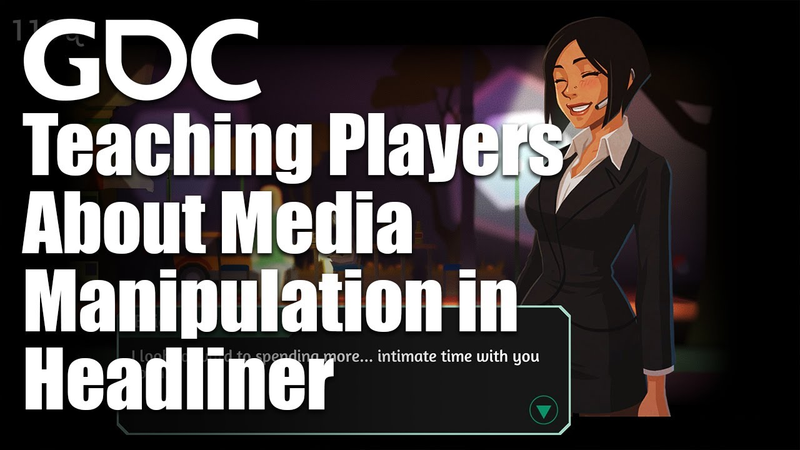
Stop & Think: Teaching Players About Media Manipulation in Headliner
Headliner and its sequel, Headliner: Avenues, function as interactive simulations designed to cultivate player awareness regarding media manipulation and the influence of personal bias.
- The Headliner series uses interactive simulation to teach media literacy by placing players in the role of a news editor who shapes public perception through editorial choices.
- Development of the games relied on mining actual social media advertising data and analyzing real-world news rhetoric to ensure narrative authenticity.
- The games avoid a preachy tone by using a fictional setting as a buffer, which reduces player defensiveness and encourages engagement with sensitive, divisive social issues.

Dead by Daylight: When Creative and Business Minds Are Cooking with GAAS
Dead by Daylight serves as a definitive case study for the successful implementation of Games-as-a-Service models, demonstrating that long-term profitability is best achieved by aligning creative vision with player-centric monetization.
- Monetization in Games-as-a-Service (GaaS) should be additive to the player experience rather than subtractive; by focusing on optional cosmetic items, developers can generate revenue while enhancing player engagement and character customization.
- Behaviour Interactive rejected loot boxes in favor of an 'a la carte' store model to maintain player trust, opting for lower immediate revenue in exchange for long-term brand health and player respect.
- Generosity in GaaS, such as allowing players to unlock 60-70% of store content and all original characters using a grindable 'soft currency,' directly correlates with increased average session duration and player retention.
Job Stability, Quality Of Life, Windjammers With Dave Lang - GDC Podcast
The game development industry has undergone a significant transformation over the past two decades, shifting from a landscape defined by high-risk volatility and frequent studio closures to one that increasingly prioritizes sustainable business models and improved quality of life.
- Iron Galaxy Studios mitigates financial risk by maintaining a diverse portfolio of ten to twelve simultaneous projects, focusing on technical consulting, co-development, and porting.
- The studio prioritizes long-term job security and a strict forty-hour work week, explicitly rejecting the industry-standard 'crunch culture' to improve employee retention and quality of life.
- A reputation for high-quality delivery allows Iron Galaxy leadership to negotiate more favorable project timelines with industry partners, further stabilizing the studio's operational framework.
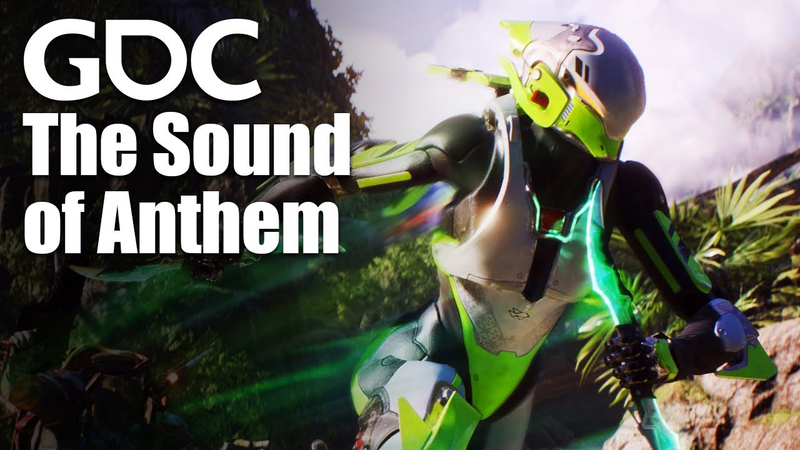
The Sound of Anthem
The development of Anthem’s audio landscape centers on the integration of high-tech, heroic action within a grounded, science-fantasy environment.
- The audio team utilized the Frostbite engine’s dynamic mixing capabilities to integrate mechanical precision with organic immersion across the game's science-fantasy environment.
- Javelin exosuit audio is generated through a layer-based system that maps real-time game parameters like velocity, pitch, and surface interaction to mechanical servos and thrusters.
- The modular design philosophy for the four Javelin classes—Colossus, Storm, Interceptor, and Ranger—enables high-fidelity movement feedback without requiring manual, bespoke editing for every animation.
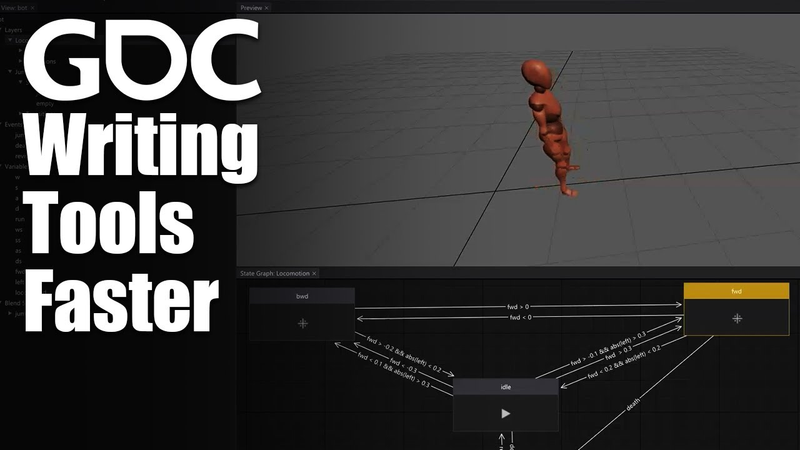
Writing Tools Faster: Design Decisions to Accelerate Tool Development
Game engine tool development often suffers from architectural bloat, where frequent transitions between volatile frameworks like WinForms, WPF, and web-based technologies create fragmented, unmaintainable codebases.
- Architectural bloat in game engine tools is primarily driven by fragmented, multi-layered stacks like WinForms, WPF, and web-based frameworks, which increase maintenance costs and debugging complexity.
- Implementing a unified, schema-driven data model—the 'truth'—enables automation of serialization, undo/redo functionality, and real-time collaboration through atomic pointer swaps.
- Transitioning to an immediate-mode UI system powered by C and Vulkan eliminates the need for complex state synchronization, as the interface is rendered directly from the data each frame.
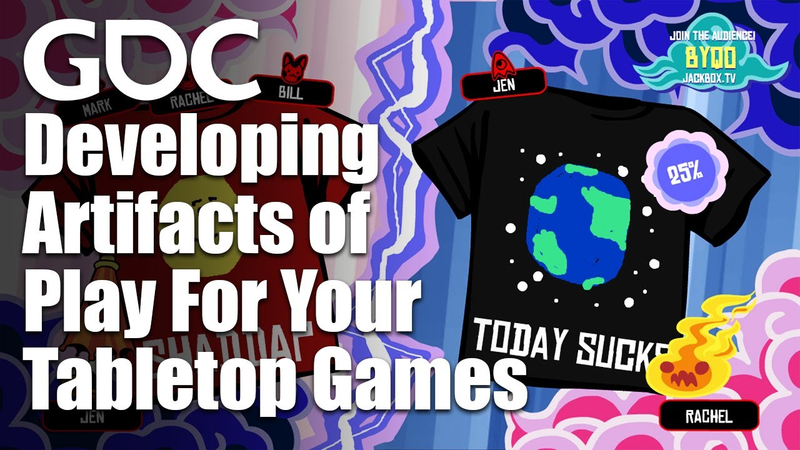
Developing Artifacts of Play For Your Tabletop Games
Artifacts of play are defined as items created during a game session that outlive the experience itself, serving as tangible or intangible mementos of the players' specific choices and interactions.
- Artifacts of play are items created during a session that serve as tangible or intangible mementos, effectively extending the game's emotional resonance and marketability beyond the initial experience.
- Designers should integrate artifact creation directly into the game's rules, ensuring that the act of playing inherently produces a unique, personalized object.
- Successful implementation requires designers to relinquish some control, allowing players to act as co-authors who shape the game's narrative or physical state.
Building An Intelligent Game Testing System in Netease MMORPG Games
The rapid evolution of large-scale MMORPGs like Justice has rendered traditional manual and script-based regression testing increasingly unsustainable.
- Netease transitioned from manual and script-based testing to an autonomous AI architecture to manage the complexity of over 15,000 quest steps in the MMORPG 'Justice'.
- The system utilizes Markov decision processes, Monte Carlo Tree Search, and Upper Confidence Bound algorithms to autonomously navigate game environments and generate optimal testing paths.
- Integrating Natural Language Processing to extract intent from quest descriptions allows the AI to prioritize player actions, resulting in a threefold increase in search speeds.
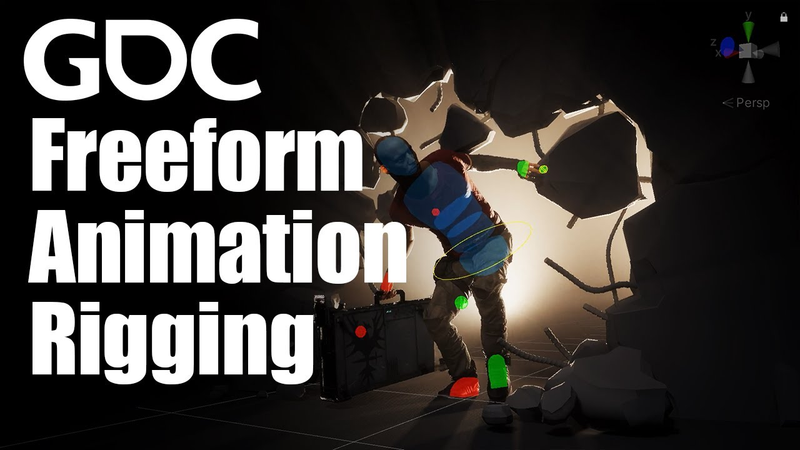
Freeform Animation Rigging: Evolving the Animation Pipeline
Modern animation pipelines are undergoing a fundamental shift toward freeform rigging, a methodology that prioritizes non-destructive, in-scene modifications over traditional, rigid workflows.
- Freeform rigging decouples control rigs from skeletal structures, allowing animators to dynamically adjust character proportions and rig configurations without losing existing animation data.
- The shift toward modular, reusable rigging systems replaces monolithic, one-size-fits-all workflows, enabling artists to iterate on complex motions independently of technical support.
- Bi-directional motion transfer facilitates the seamless movement of skeletal data into control rigs and back, supporting efficient refinement of motion capture through keyframe reduction and layered animation.