Developing Artifacts of Play For Your Tabletop Games
29 May 202024 min video
Transcript
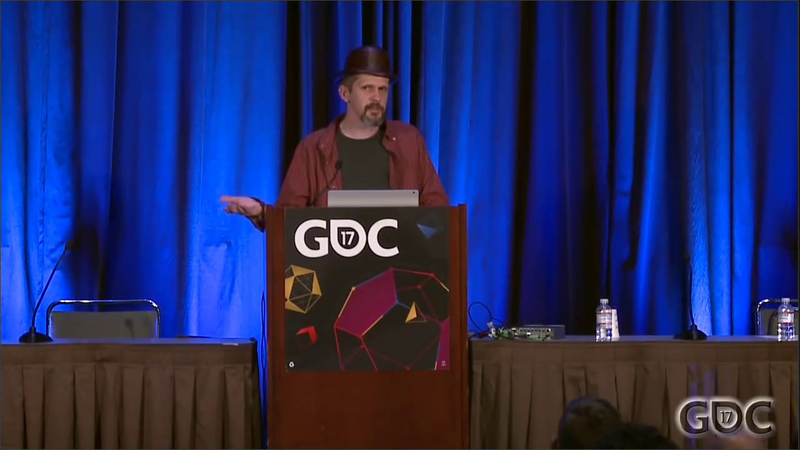
[Music] hi there I'm Katherine Hines I am equal parts designer player and big ol fan too many tabletop games when I play something it is often a dicey split between enjoyment in the moments and over analysis to try and figure out what makes this game tick I love collecting mechanics for my game design toolbox as a way to home craft and answer the ultimate question why is this fun with that in mind I want to offer up a neat mechanic for study and inspiration that has had a recurring role in a growing number of recent tabletop games today I'm here to talk to you about games that make things as you play them there is a fascinating line of titles over the last decade across many formats
that tinker with the notion of artifacts of play by that I mean items we create by virtue of playing the game think the final map of a game of pandemic legacy or the mingled drawing out living a session of exquisite corpse these artifacts stick with the players long after the game session itself is over and bring with them a whole lot of opportunity to increase the long-term impact of a tabletop game so at the end of this talk you should have a taste of how artifacts of player being used in games across many formats how they can be used to make games more intimate more personal and more marketable and how you two might incorporate them into your board game design practice for more resonance and impactful experiences a little more about me as backgrounds I'm a co-founder of thorny games where a game studio out of Berkeley California we specialize in tabletop role-playing and live action games our games often
deal with the more intimate and human sides of language and cryptography we've been lucky to have won a few awards including tabletop game of the Year categories at IGN Gen Con Sony's and indicate Europe all of that is just to say that like many folks at GDC games are an important part of my life and work and I spend a healthy chunk of my energy on them both in play and design which sometimes leads to the late night question what do we keep from games what do we keep from play as game inclined folks we spend large parts of our lives in play around the table or online will not end up being the keepsakes for all of this and how do we remember the experience one answer is through how we document play through all the tools at our disposal to record and capture moments
we record video and stream live play we take photos or a table top spreads for example this is a personal favorite a gift of the mighty Lisa doll playing alphago as humanity's last hope in a human AI showdown this captures the exact moment we release it all places his hand of God moves ultimately winning the game this is an epic snapshot of an historical game that is worth capturing sure and not quite the same stakes but I've played out lots of games that are important in my life that I want to keep - and by documenting play we're acknowledging that play is meaningful and that playful experiences are things that deserve to be kept and revisited documentation can act as mementos to take us back to the table and help us hold on the game experiences like we would hold on to any other momentous thing
so that I'd like to introduce the idea of an artifact of play and its broadest sense an artifact of play is something created during a game that outlives the session itself simple this is a wide definition that welcomes lots of the ways that we document play beyond documentation just lots of what we keep from play many things fall under this definition there is a wide world of artifact supply examples like recordings with live streams actual play the throne of twitch play preparation think of all of those detailed GM notes and nifty maps for your D&D campaign note-taking like character sheets for pads filled out crossword puzzles even moved by move transcription we have tables of recreated chess games and go matches that we can pour over centuries after those games have been played animalist goes on to the many things that we keep
from play but within that wide world of artifacts of play there is one particular category where I'd like to focus this talk a subset of artifacts of play that deserves particular attention and where there is a lot of exciting design to tread and we'll do that by adding one more piece to the definition so from here on out we'll focus on artifacts of play that are directed by the rules of the game there is a growing class of games that are designed to create things as you play them these are games that include an artifact by design to play the game is to make the artifact this is different from our epic go photo livestreams DM notes those are player driven and not inherent to the game itself so under this narrower definition this means that an artifact is reliably produced by a game session and also reflective of the choices in that game
session unique to the particular time space and people who are part of making it from here on out this is what we'll focus on when we say artifacts like we have some shared language now let's dig into what makes artifacts of play fun and effective and how they can be a powerful tool for tabletop game design so to do this follow me on a small tour of artifacts of play will name a few standout artifacts and how they have been used to up the fun and deepen the emotional and narrative resonance of their design I'll offer a quality and an artifact that exemplifies it and along the way singing the praises of a few great games you artifacts is playful documentation artifacts of play can be a form of documentation as we can see and it can be how you remember the experience but unlike a photo say they are inherently more playful and true to the particular
experience created at the table since they are born out of it they are keepsakes and mementos that are directly produced from the game so more than a photo that character of a game is better captured by an artifact a great example of this is the shared drawing pad in the fantastic party game a fake artist goes to New York by twink games dick artist is a hidden role game between real artists and one fake who is trying to stay under the radar in this game everyone draws a single picture together on a pad of paper based on the front every round there's an artist adding something to the picture bit by bit a leg here circled there squiggle over here but the fake artist goes in blinds not knowing what's being drawn at all and it's their dirty job to bungle their way through without being detected so the artifact in this game is the shared drawing pad that becomes the canvas for this weird
and collaborative art that you make together the artifact is the mattock to the game itself or you just see these snooty artists stroking their beards around the canvas assessing each other outs but the drawing also contains so much relevant information about what happened here you can see the fake artists hedge you can almost right out stroke by stroke where the fake artist blew it it becomes a log for the silly hijinks among friends all captured in just one drawing so now every time that you open the box you can flip to that pad and smile at the ridiculous arch that you've created and all the good times you had with your friends and that makes it pretty magical artifacts of play are immersive they forged a link between the game world and the real world and because an artifact is something you create from within the context of a game they can help blur the
lines of what is play and what is it and because they last beyond the end of a session interacting with them can bring you more deeply back into the worlds that was created at the table a fantastic example of immersive artifacts comes from the role-playing game thousand-year-old vampire by Tim Hutchings thousand-year-old vampire is a solo role-playing game where you wallow in the inner musings and the McCobb life events of an ancient vampire the rulebook is a beautiful and immersive product itself it uses all the trappings of old down journals and the intricacies of prints but ultimately it's a model for the artifacts that you make by playing the game which is the rules leads you to create your own sad and twisted vampires journal chronicled over years in vampire time you detail events you've gained attributes and stats you encounter old loves and grudges and you
do this playing out the game through a journal of your own making in the end you have created this glitch testimony of an old vampire and have a lasting artifact of the experience this journal lives in the physical space the players occupy as human beings which gives it a more visceral and physical relationship with the game itself you can't touch it you can fold it doodle on it interact with it and having this physical journal artifact bridges the worlds and then puts you back in vampire mode each time you return to play you can totally imagine a version of this game played with verbal prompts or without writing but it would be a poor experience for it the artifacts itself makes the game more impactful friendly warning for anyone who is in the middle of their risk legacy campaign and avoiding spoilers just skip to the next slide you so artifact supply can help to
personalize a game they can make the game particular to a time and place and the people who are part of it they become a vector for how to leave your mark on the game choices you make are funneled into the artifact and that means in big or small ways the end product will reflect you you feel like you have given something of yourself to the game every game is different and there's a clarity that you in particular not just some generic set of standards actually played this game so a great example of this is from tabletop board games in the finished map from a game of Risk the legacy in particular the artifacts that is built from the win reward in risk legacy so risk legacy is a campaign game multiple sessions where rules are added buns and molded over the course of play there are many interesting and transgressive things that you're allowed to do over the course of a campaign but one of the
winning conditions in particular transforms the board from a more generic map into an artifact of life when you win a session of risk you get the reward of naming a portion of the map and writing it on the board it lives there then as a record for your past success and lasts in subsequent games and along with the other choices you make that permanently affect the board the board then becomes an artifact of your campaign that is a capstone of this epic multi-session experience a quick google search for risk legacy boards will bring you many framed versions like you see here - keeping it as a trophy of a personal world takeover is a common inclination artifacts of play can affect who has control in a game by empowering players to create something as they follow the rules you are giving them choices offering them
more authority as free agents to shape play how you build artifacts of play can set the contract for how players should also interact with one another a shining example of an artifact that channel's control is the collaborative map from the quiet year this is avery alders game about telling the story of a community in a lone quiet year before the end times so the quiet air is a story game but with no central game master so no single player that is in charge of world building or what happens it's fundamentally collaborative every turn the active player turns over card which asks them a question which they answer about what's happening to the community and they take an action and every answer is reflected on the map that the players collaboratively draw and creates during play the map that you build together ends up being a reflection of choices that you make and how they interact with
the choices of your fellow players as an artifact then the map itself becomes a different canvas for play and a means to portion out to control on your turn you make a choice and you change the map but the map is this living record and forces you to acknowledge the choices from the past and then build on them in this way the map almost becomes a filter for collaborative control this isn't to say every artifact of play forces collaboration but rather it can be a lens to emphasize who has control at a given points in a game artifacts of play can be compelling marketing tools if something is made out of fun or part of a playful experience it often just makes for an intriguing and attention-grabbing object that people will want to know more about it invites conversation if an artifact is well designed it's also something that people will choose to keep display and show us and that can be
marketing gold an example artifact that does this nicely is from TKO that's one of the jack box games chick arrow is a digital party game which makes it choice for playing with friends and family remotely gameplay is about smashing together silly puns and awkward drawings made by the players and funneling that mess into t-shirt designs which then go head to head in battle it's a great time that just guarantees laughter but there's a brilliant stroke at the end of the game where you have the option to take it with you by actually buying physical shirts from your own knock out t-shirt design this shirt is a sweet marketing artifact of play as a player I feel compelled to wear it because it's something I made while having fun with my friends it's an inside joke comes a life night and day from some generically branded game shirt with this you just get the fun by seeing the artifact and while wearing it it
naturally invites the question for people who I encounter what the heck does that mean and that is a choice marketing moments if I know one artifacts of play can also make games feel more intimate co-creation is a bonding experience and funneling that energy into an artifact can create a deeper connection between players let's talk about the artifact at play in one of our games dialect a game about language and how it dies this is a tabletop role-playing game where you tell the story of an isolated community by building their language in the game you gradually build up elements of language among players as you tell the story of this community and what happened to them that means that people gain fluency in their own dialect over the course of play the artifact in dialects is the language you create as the game unfolds its intangible unlike
many of the other artifacts that we've highlighted but it's sticky in the minds of players who make up words to mark these story beats we found players really loved using their dialect long after a session has ended the artifact of language drives a really interesting connection among players in the game you use words you make together which leads you to play with the artifact as it's being made it offers this stealthy way of connecting the players to both the story and each other all the while tying up their choices into their dialect co-creation is moving on its own but it packs an extra punch when it's captured in a word this plays on the same dynamics and intrigue of a secret handshake you are creating your own language for an in-group and that is a great way of accelerating a feeling of intimacy artifacts apply offer a lot for tabletop
design this is a small helping of example games and artifacts but it should give a taste in how varied they can be across type and tone artifacts can amplify the underlying feeling of the game be it silly or serious they make games feel more personalized and intimate from social party games big feelings RPG session strategy campaign tabletop all can benefit from well-designed artifact so if your interest is piqued after this tiny tour and you're eager to start designing these into your next tabletop project let me offer a few words of advice to clear the way the first point make it immersive in my opinion this is an artifacts most exciting property it is the biggest reason you should care sometimes people
will use the term the magic circle to talk about the space within which a game takes place and where meanings change and the rules and social conventions of the game are accepted as true artifacts of play as we've defined them are made within the magic circle and will emphasize the meaning that you create there this is really powerful it means that you can keep a lasting taste of an experience that typically ends when a game stops as a designer you should ask yourself what part of the game's fiction do you want to spotlight where do I want to bridge the game world in the real world let that guide how you design the artifact next where's the fun in your game such a simple and important question what makes your game interesting and worth playing what is the main point in any project you should have a clear answer and as a designer to me it is always surprising how that
straightforward question can get muddled and pushed aside as you deal with the many other moving parts of tabletop design in your game you should clearly know where the fun is and what is scaffolding for the fun once you can name where the fun is in your game that's a great place to consider how an artifact could be used to amplify it if the fun is making silly puns with friends put it there if it's the sweet taste of victory and head-to-head combat across the world map but it there if it's big feelings RPG session where you grapple with your own monstrosity put it there so if you're looking for where an artifact to play may fit into your design tie it to where the fun is a good artifact will amplify what it points do and it will be a keepsake of the game as a whole so make sure you do that for the fun of your game and not the scaffolding artifacts last beyond the session of the
game they are for keeps when designing an artifact into your game ask yourself what is something a player would want to keep for one there is an aesthetic consideration an artifact turkic should be something interesting to look at something playful or evocative up the experience something that people will want to show off depending on how heavily gameplay features the artifacts this may also influence how important the related crafted nosov it is also consider the practicalities of keeping it is the artifact something people can store something they would display is it something tangible at all on the flipside as designers we should ask ourselves what we want players to keep about the game things that last have a way of dominating the memory of an experience so a photo really might be all you remember about that birthday party or vacation if an artifact is for keeps as designers we should make sure it's built in such a way that I can stand in place for the game
designing with artifacts of play is an act of giving up control in big or small ways you are ceding control to your players to leave their mark on the game in some ways it's empowering players to be co-authors and that means you won't have full control on the ins and outs of the system that you design an artifact forces you to make space in your design so that players can make something that's unique to their session this creates almost a built-in conversation between designer and player when you design to include an artifact to play it can become a catalyst to relinquished Authority as a designer and give more to the players so ask yourself where can you give up control to your players let that guide your choices so if you design tabletop games and are looking to push the emotional resonance of their experience further to make your
games more intimate and memorable consider artifacts of play as part of your design toolkit at thorny games we have grown as a studio by grappling with some of these questions and finding a place for artifacts of play in our work we feel like there is so much rich design space to tread and making games that make things thanks a bunch
Auto-generated captions from YouTube — names and numbers may be misheard.
Key insights
Distilling the key insights…
Ask AI about this video
Cite this video
Citation
Generating citation…















Comments