
European Conference on Games Based Learning (ECGBL)
Annual European conference on game-based learning and serious games; its proceedings are published open access (CC BY) by Academic Conferences International.
Documents
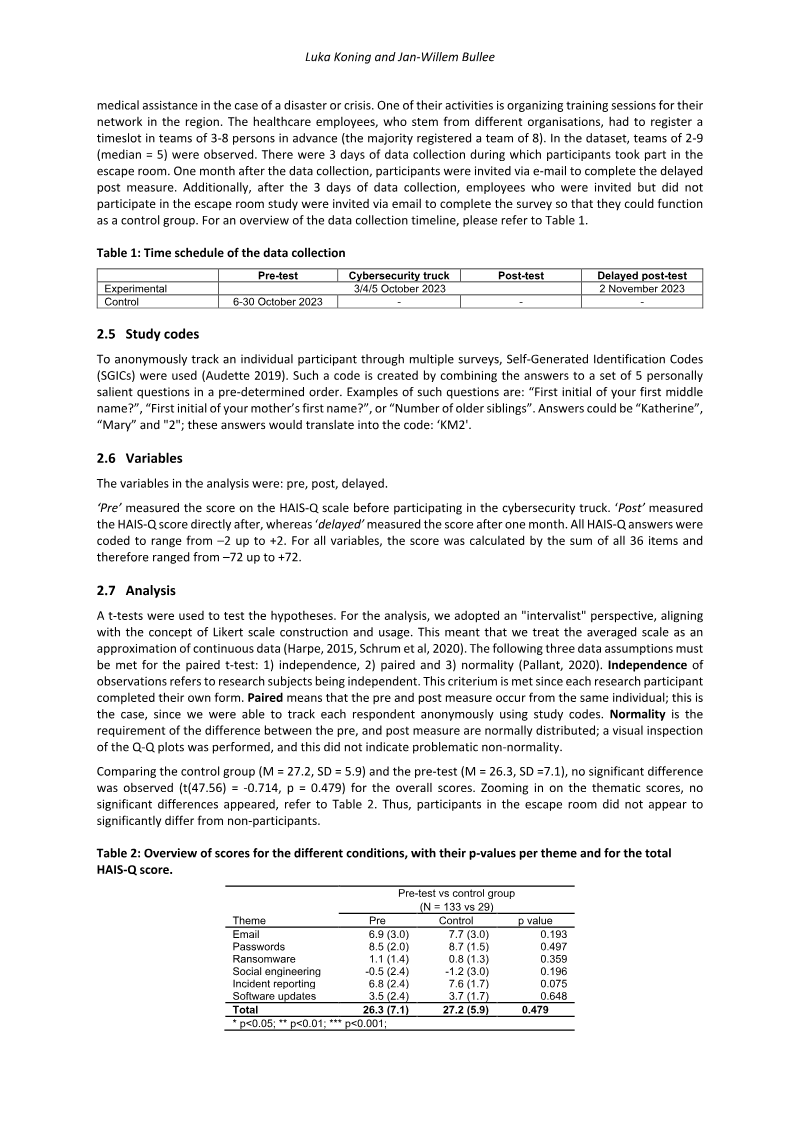
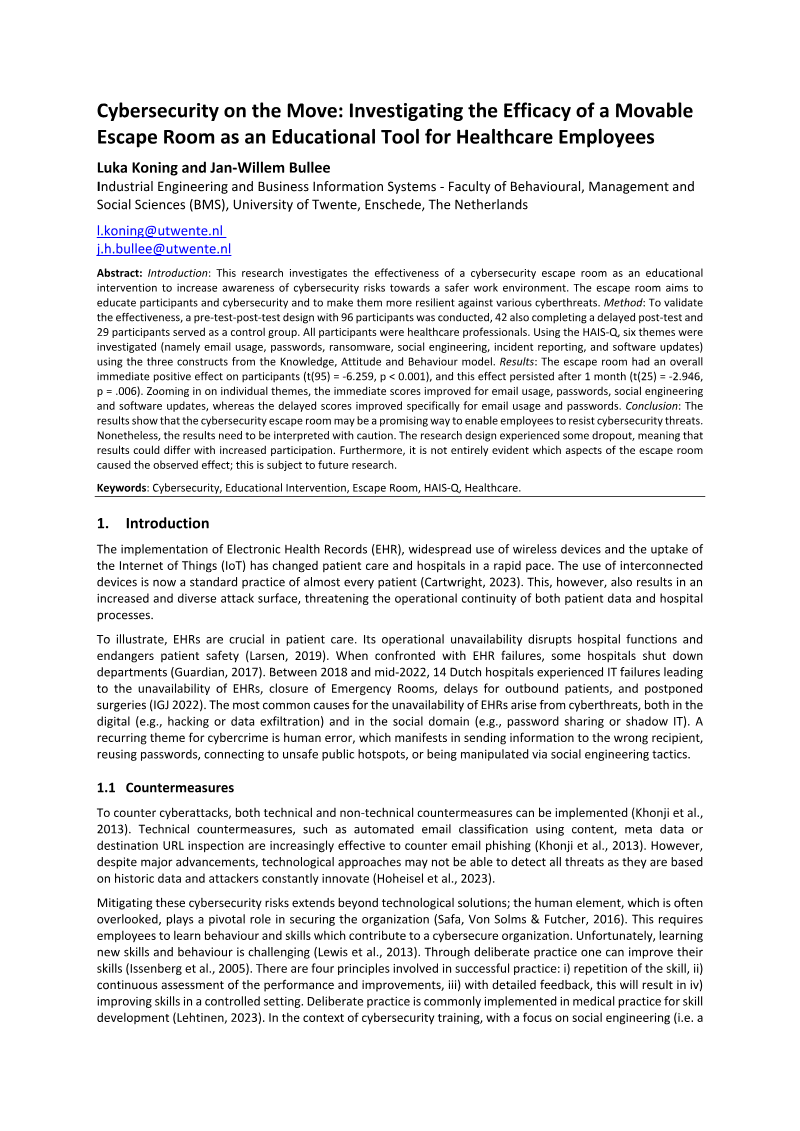
Cybersecurity on the Move: Investigating the Efficacy of a Movable Escape Room as an Educational Tool for Healthcare Employees
A mobile cybersecurity escape room, delivered via a converted vehicle termed a "cyber truck," was evaluated as a training tool for healthcare employees, with the central question being whether such an intervention can measurably improve security awareness and behavior among staff who face persistent cyber threats in clinical…
- A mobile cybersecurity escape room delivered via a converted vehicle (a "cyber truck") produced a large immediate improvement in security awareness among 96 healthcare professionals, with HAIS-Q scores rising from a pre-test mean of 16.3 to a post-test mean of 30.8 (Cohen's d = 2.16, p = .001).
- Immediate gains were significant across all measured domains, including email usage, password practices, social engineering, and software updates.
- Retention at one-month follow-up was weaker: the delayed-test effect was medium (d = 0.74, p = .006) but rested on only 26 matched participants after substantial dropout.
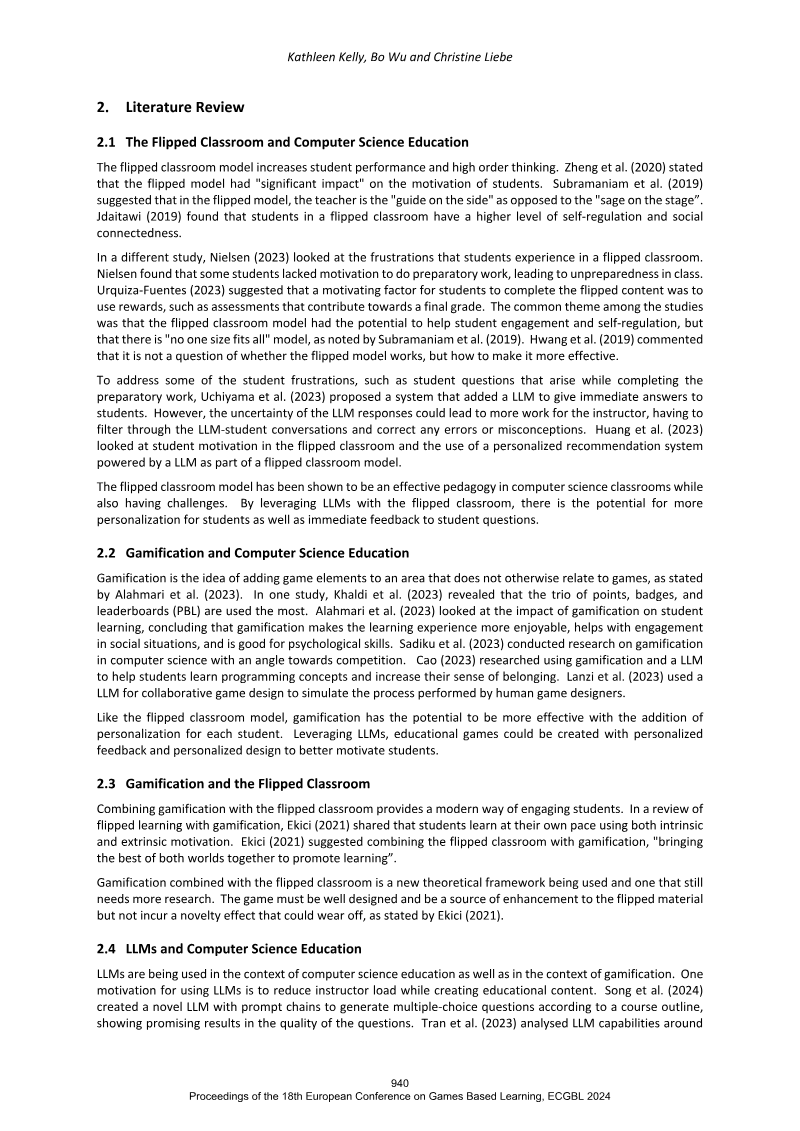
Gamification Powered by a Large Language Model to Enhance Flipped Classroom Learning in Undergraduate Computer Science
This study investigates whether a gamified quiz powered by a large language model can strengthen the flipped classroom model in an undergraduate software engineering course at the Colorado School of Mines.
- A browser-based gamified quiz, 'Engin-AIR-ing', used GPT-3.5 Turbo to generate multiple-choice questions from flipped-classroom video transcripts, addressing the problem that students often skip preparatory material and instructors struggle to build educational games for each module.
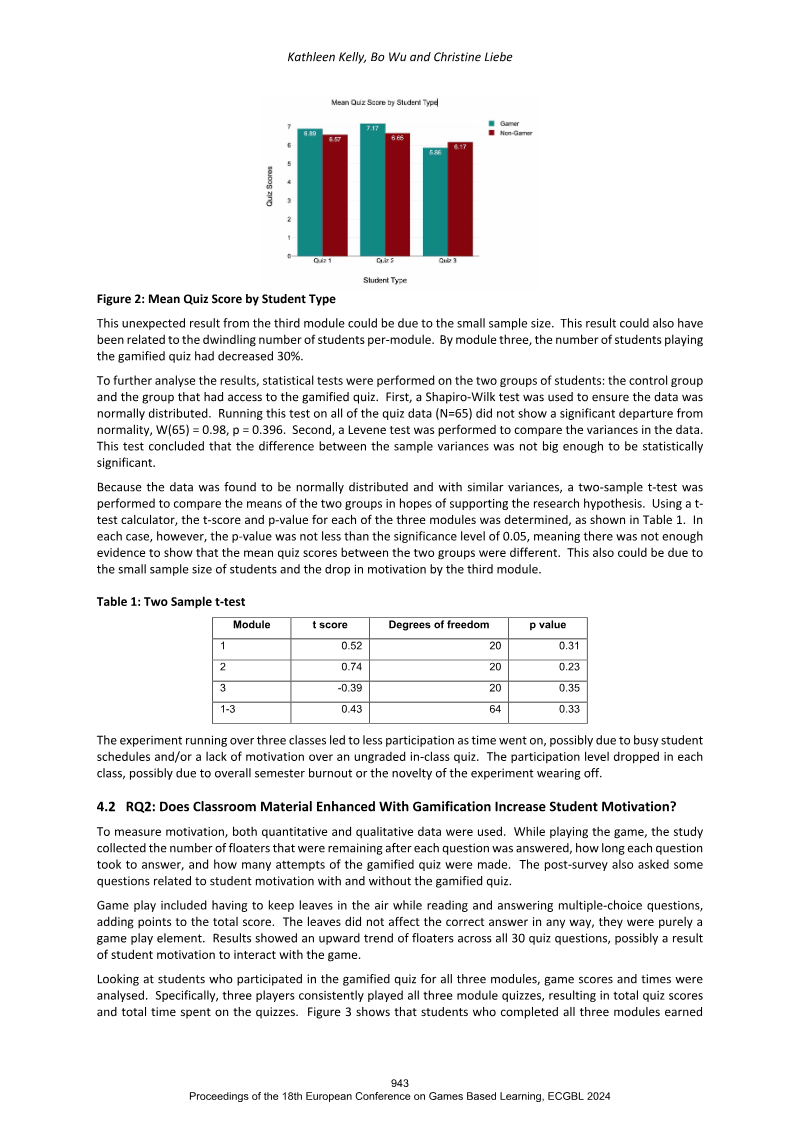
- In a small study of 23 volunteers from 161 sophomores at the Colorado School of Mines (13 game players, 10 controls) over three modules, the game group outscored controls on the first two modules but fell behind on the third, and no difference reached statistical significance (all p > 0.05).
- Participation in the game dropped by about 30 percent by the final module, which the authors attribute to burnout and the novelty effect wearing off.
Digitising a Card Game for Teaching Pragmatic Markers
This work-in-progress manuscript by Jonathan Marquez proposes digitising Mind You!, a non-digital card game designed to teach English pragmatic markers such as well, anyway, and mind you to non-native English-speaking international students in Australia.
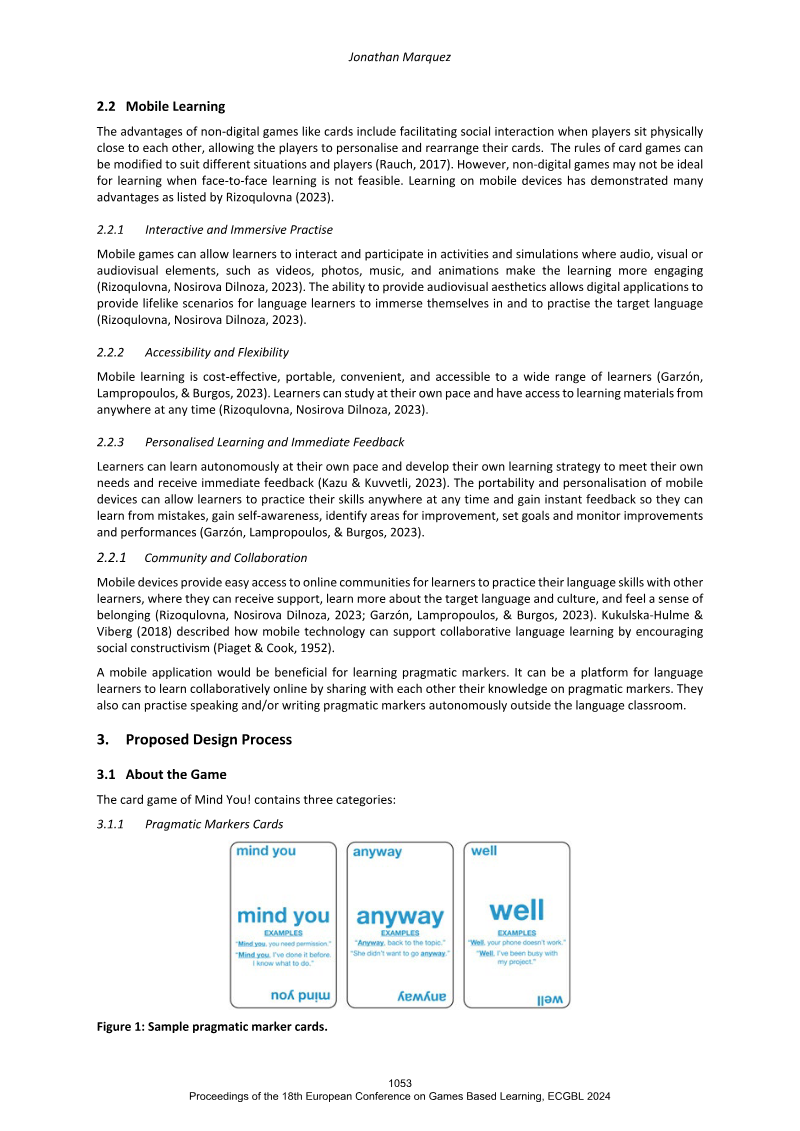
- The manuscript proposes digitising Mind You!, a non-digital card game that teaches English pragmatic markers such as well, anyway, and mind you to international students in Australia, arguing that pragmatic competence depends on interpreting context as native speakers do, unlike grammar or vocabulary.
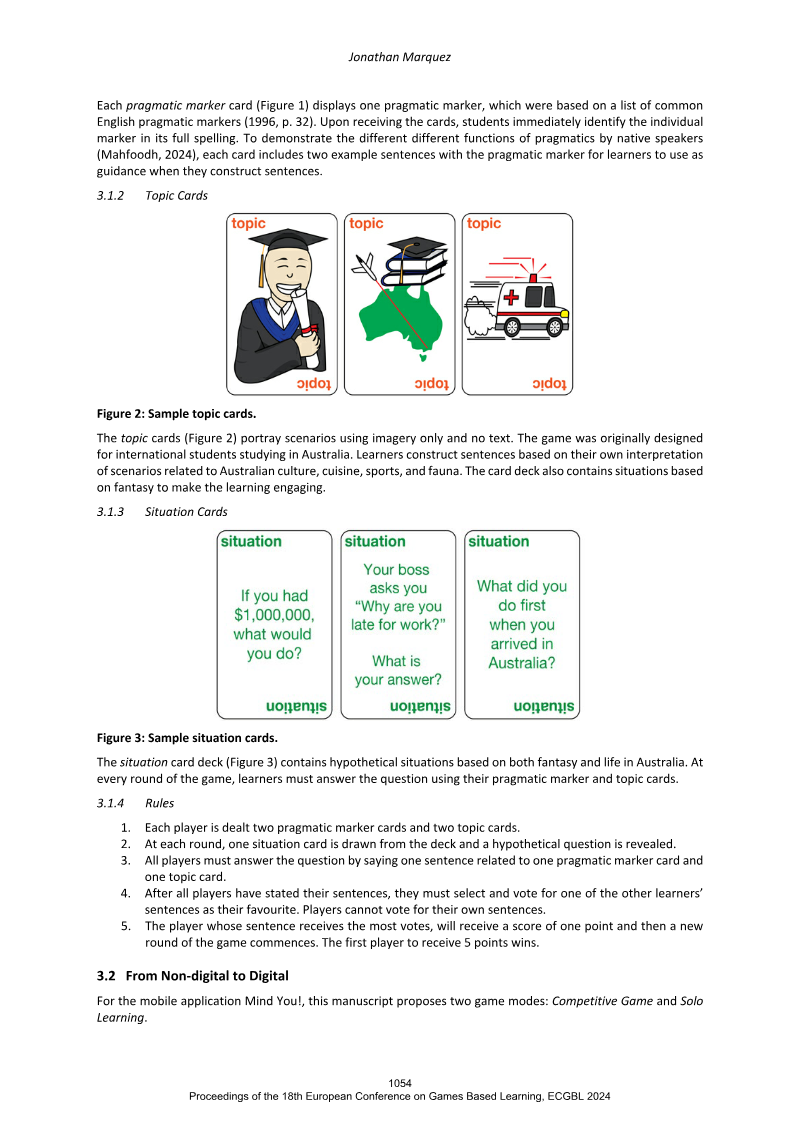
- The game is grounded in situated learning and social constructivism, asking learners to combine a pragmatic marker card, a topic card depicting an Australian or fantasy scenario, and a hypothetical situation card into constructed sentences.
- The proposed mobile app would offer two modes: a Competitive Game for up to five online players who submit and vote on sentences, and a Solo Learning mode with self-paced practice, sentence uploads, peer feedback, and audio support for pronunciation and tone.
A Literature Review: Which, How and What for the Use of Artificial Intelligence in Gamification
This literature review examines how artificial intelligence is applied within gamification and serious games in educational settings, drawing on 22 journal articles and conference papers published in English between 2019 and 2024.
- The review screened 1,163 records from Summon 2.0, Scopus, and IEEE Xplore and included 22 English-language journal articles and conference papers published between 2019 and 2024.
- AI applications in gamified education are organised into four dimensions: personalisation, adaptive difficulty, feedback and motivation, and predictive analytics with data-driven insights.
- The reviewed studies associate machine learning-driven personalised and adaptive designs with improved learning outcomes and participation, and this is the strongest evidence in the review.
Integration and Promotion: Integrating Sustainability Research into Computer Science Teaching through Serious Games Assignments
This report describes a two-year partnership at Nottingham Trent University, UK, in which final-year undergraduate Computing and Computer Science (Games Technology) students built serious games addressing sustainability research.
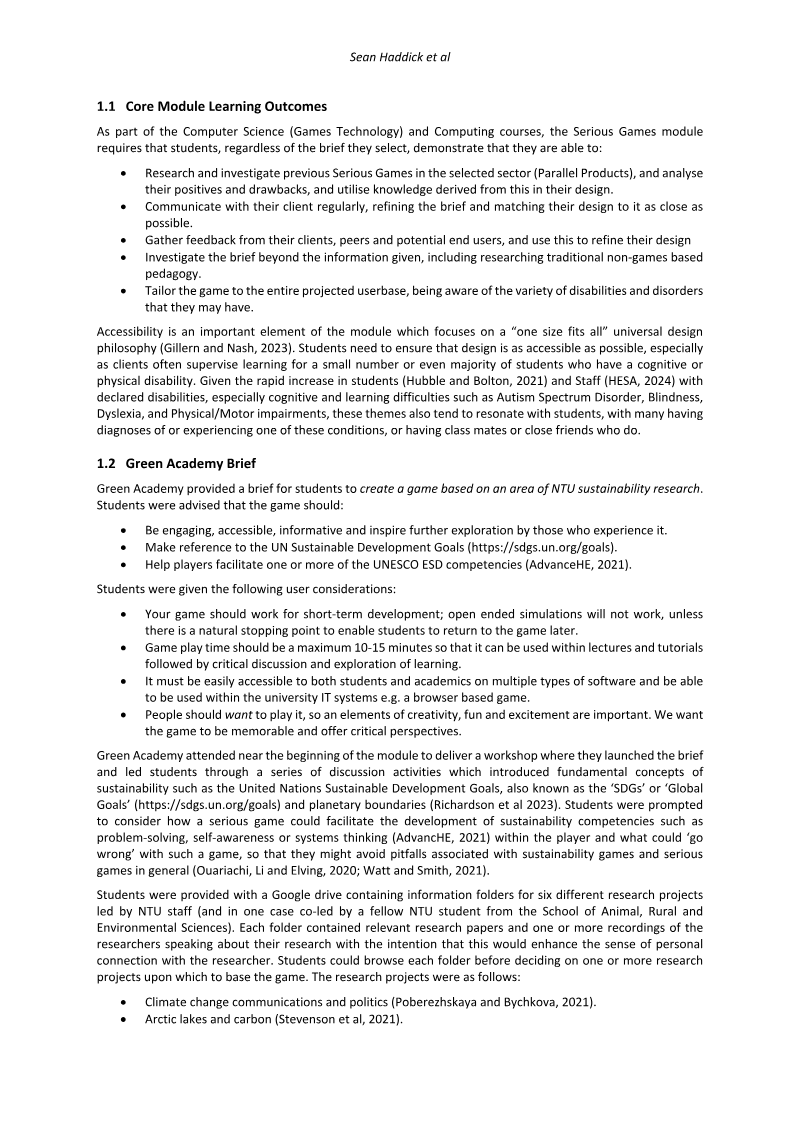
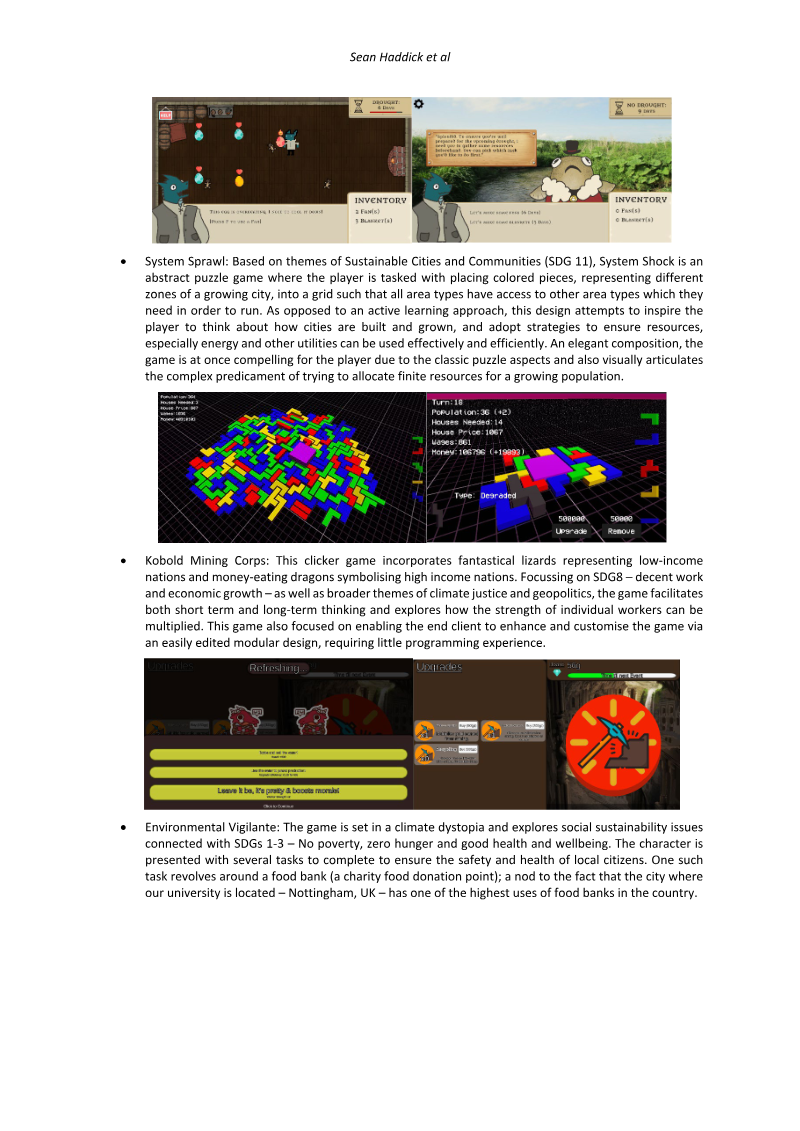
- A two-year partnership at Nottingham Trent University paired final-year Computing and Games Technology students in an optional 20-credit 'Serious Games' module with Green Academy, the university's sustainability-focused strategic team, to build games addressing sustainability research.
- Student briefs drew on university research in climate communication, Arctic carbon cycling, chalk stream ecology, and local climate policy, with designs required to align with the UN Sustainable Development Goals and UNESCO education for sustainable development competencies.
- The first cohort of 27 students had uneven outcomes due to a less structured second term, coding pressures causing crunch-style production, and confusion over a dual-brief assessment structure.
CiteSaga: Conceptualisation of a Serious Game for Citation and Reference Styles
CiteSaga is a conceptual proposal for a serious game designed to teach citation and referencing styles, including Harvard, APA, and Footnote, within higher education.
- CiteSaga is a conceptual proposal for a serious game teaching citation and referencing styles (Harvard, APA, Footnote) in higher education, motivated by the claim that citation skills are often taught poorly through limited, isolated modules.
- The paper argues that game-based learning could improve students' understanding of citation conventions, their motivation, and the quality of their academic writing, and that the game could be integrated into research-focused curricula.
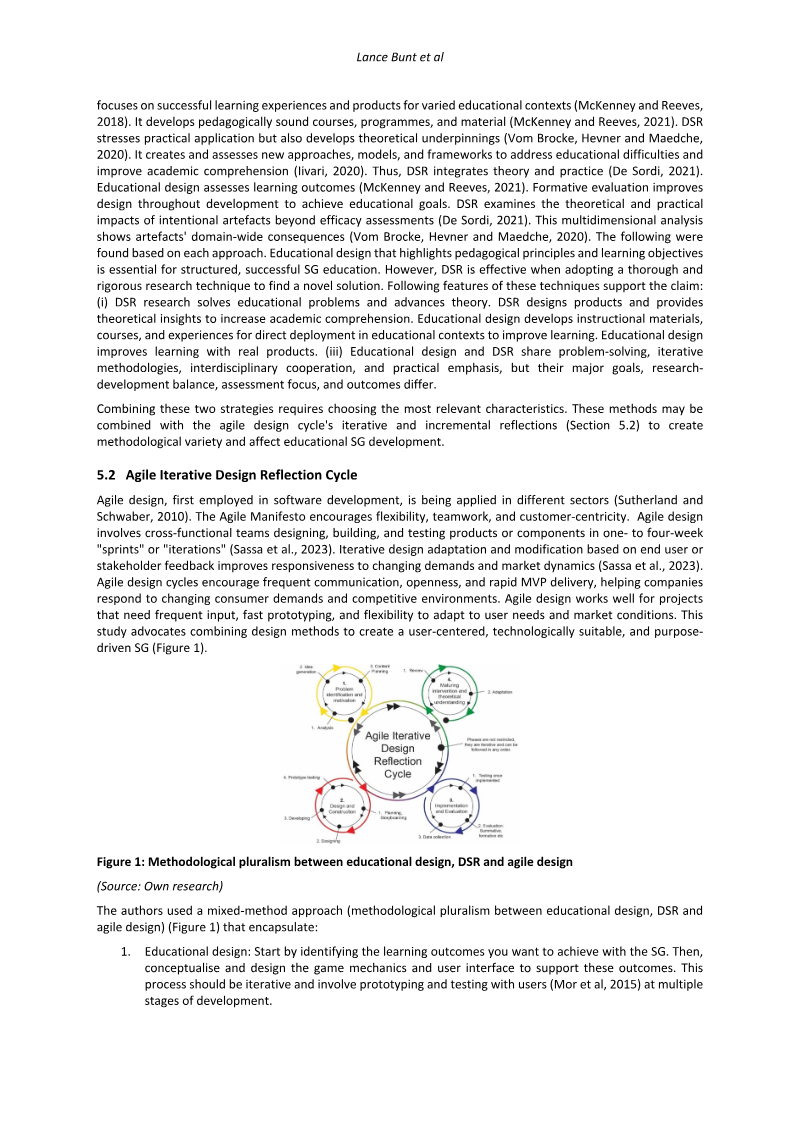
- The methodology combines educational design, design science research, and agile iterative development, following a four-phase cycle: stakeholder and curriculum alignment, design and construction, implementation and playtesting, and theoretical maturation.
Game-based Learning for Science Education in Institutional Care Settings in Northwestern Mexico
This study examines how game-based learning (GBL) can motivate STEM engagement among young boys and teenagers living in two institutional care settings in Hermosillo, in the Mexican state of Sonora, a population the authors describe as facing compounded educational barriers.
- A single-day December 2023 intervention in Hermosillo, Sonora, Mexico, involved 32 boys aged 6 to 17 living in two institutional care settings, using four non-digital STEM-themed games and a recycled-materials robotic hand challenge.
- Participants showed notable enthusiasm, especially for knowledge-based competitions and the robotic hand project, with some students creating their own challenges and continuing to play after scheduled stations ended.
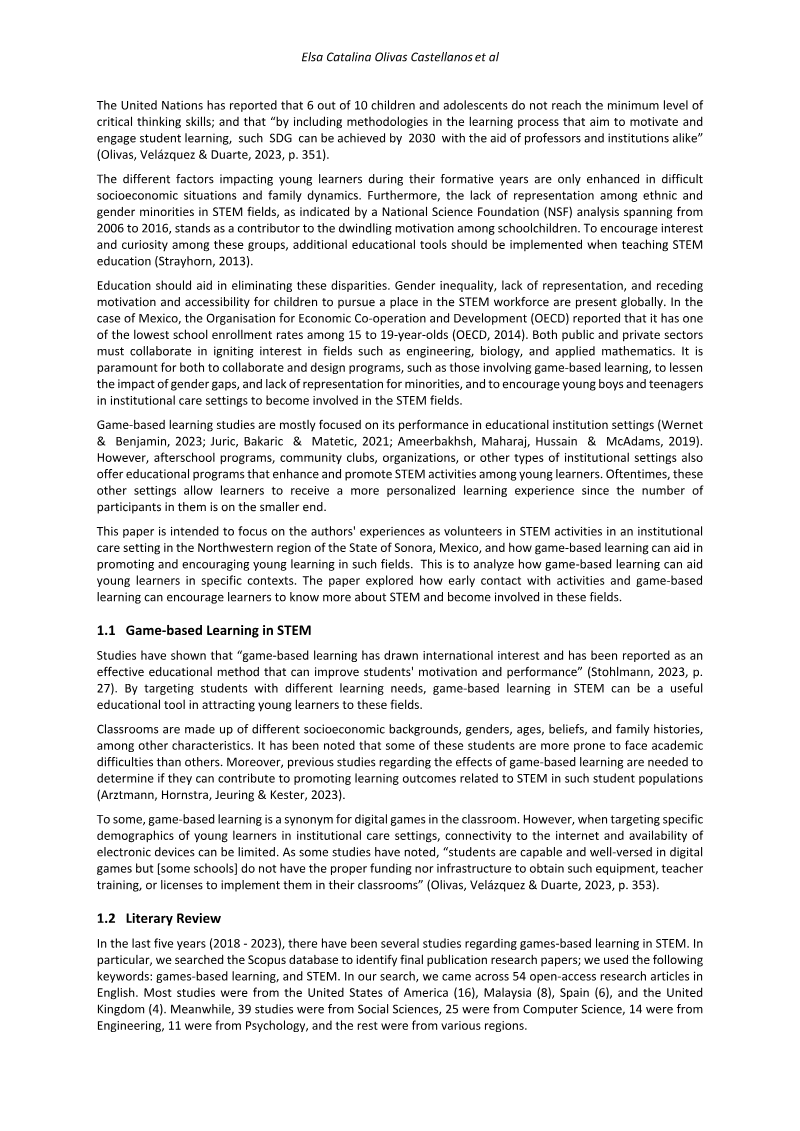
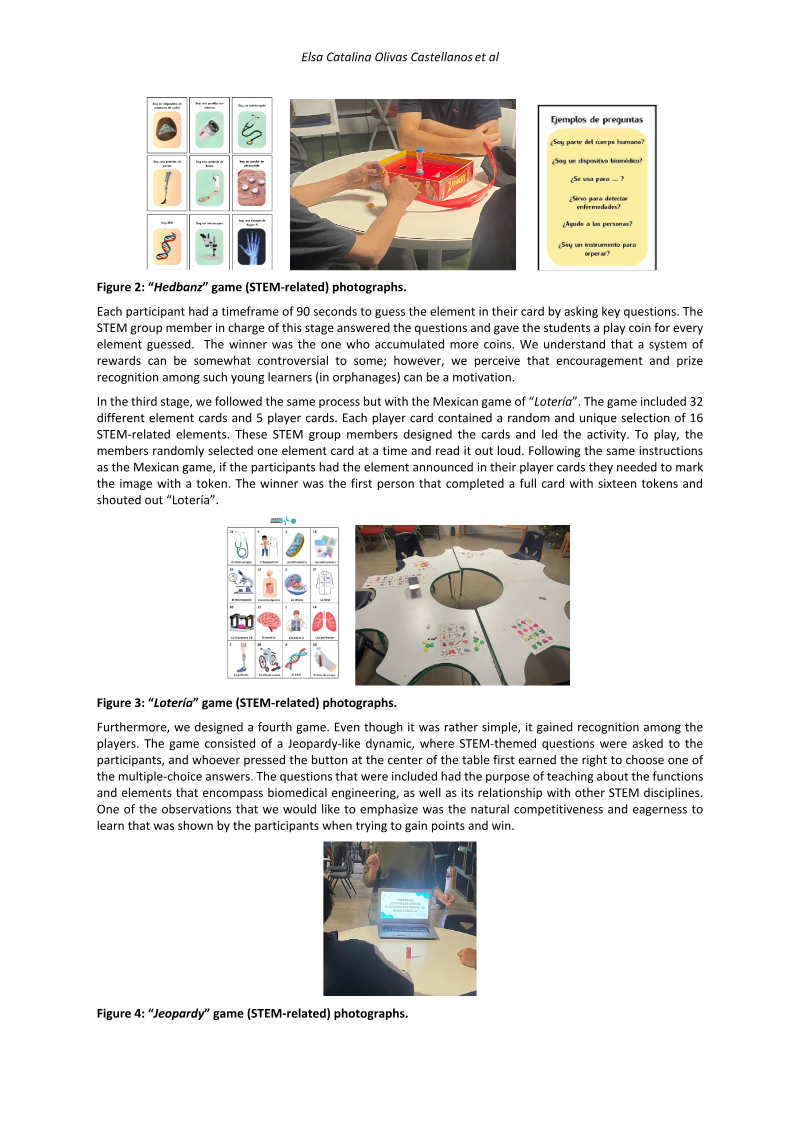
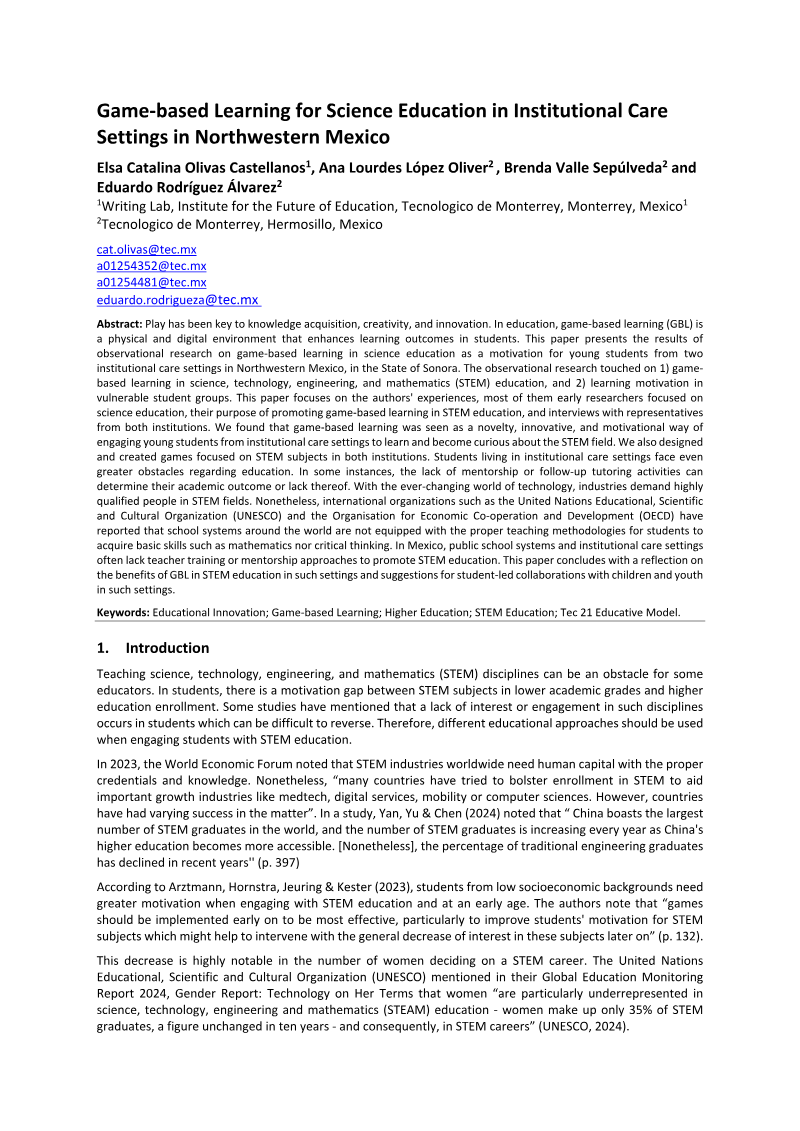
- Because connectivity and devices were scarce at the sites, the games were deliberately designed as non-digital adaptations of familiar formats such as Abremente, Hedbanz, Lotería, and a Jeopardy-style quiz.
Designing Games for GDPR: Negotiating Understandings of GDPR in EU Schools
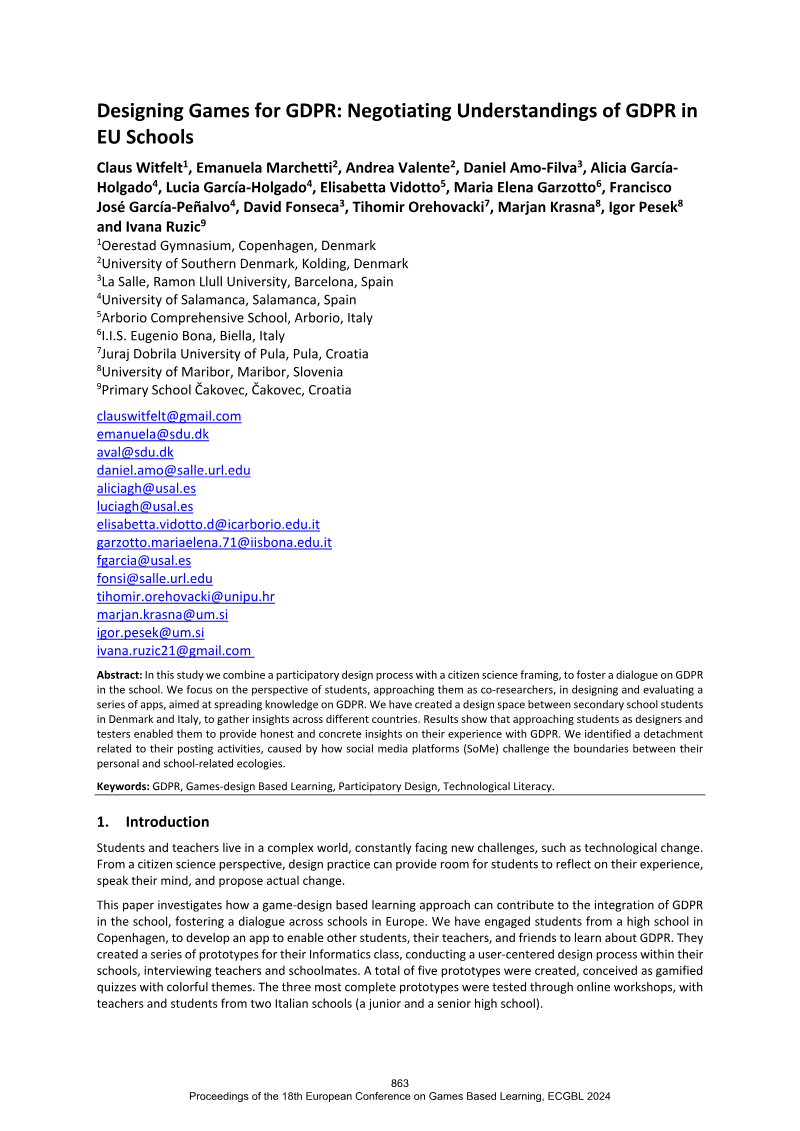
This study examines how students in EU secondary schools can be engaged as co-researchers in understanding the General Data Protection Regulation (GDPR) through the design and testing of gamified educational applications.
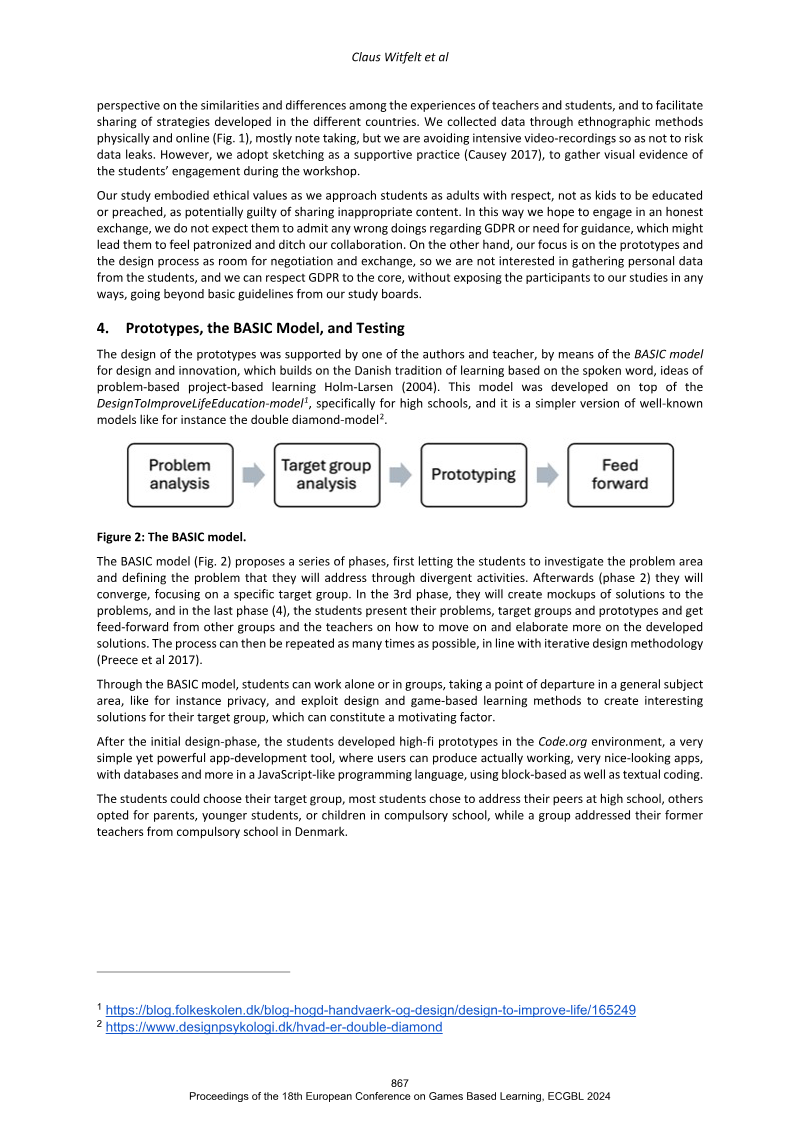
- Students who built and tested GDPR-themed quiz apps (using the BASIC design model and Code.org) across three schools in Denmark and Italy, as part of the Erasmus+ Spadatas project, showed that participatory design and citizen science can effectively engage young people with GDPR.
- A central finding is a gap between students' confidence and their practice: participants believed they already understood data privacy, yet incidents such as a classmate's video posted without consent and a disciplinary case over shared comments showed they often fail to recognize how school and personal online spaces intersect.
- Testers rated the prototype apps positively but requested more playful, social-media-inspired formats, suggesting that privacy education tools should match the formats young people already use.
Developing Graduate Attributes Through Competitive Gameplay and Learning Theories
This paper by Baxter, Hainey, and Williams from the University of the West of Scotland argues that competitive esports gameplay can cultivate graduate attributes and employability skills, and that this potential remains under-examined through the lens of established learning theories.
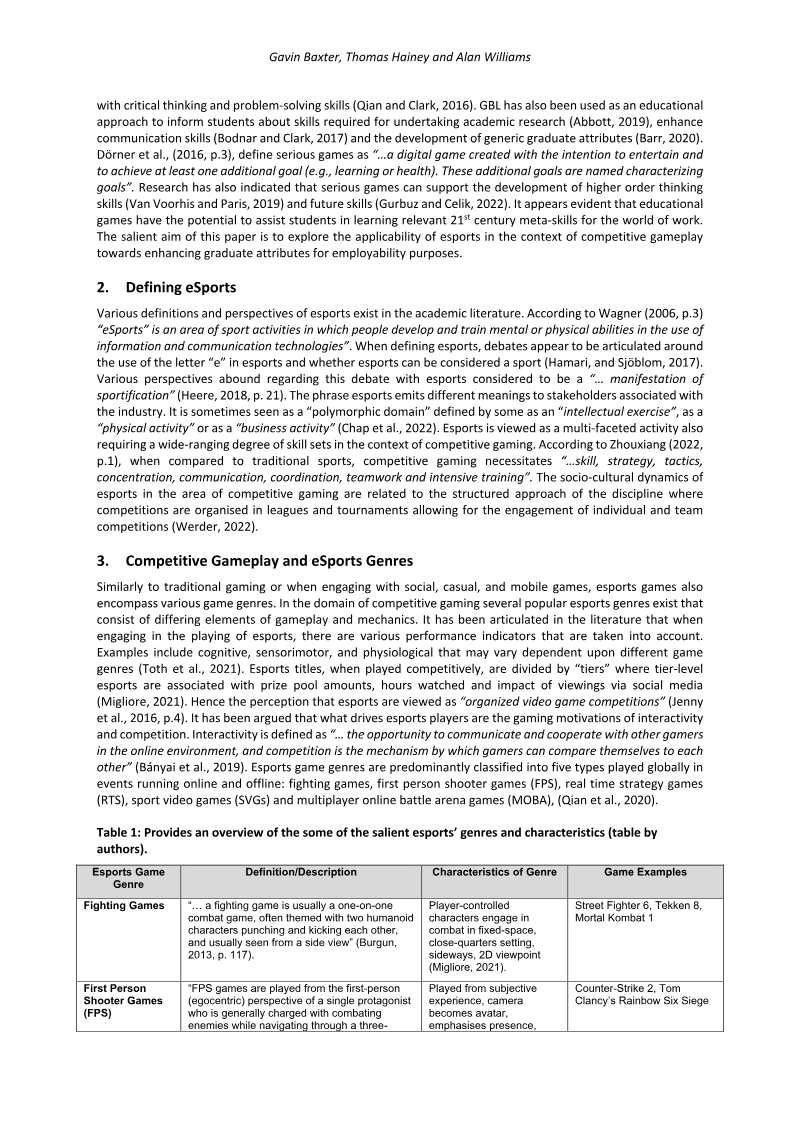
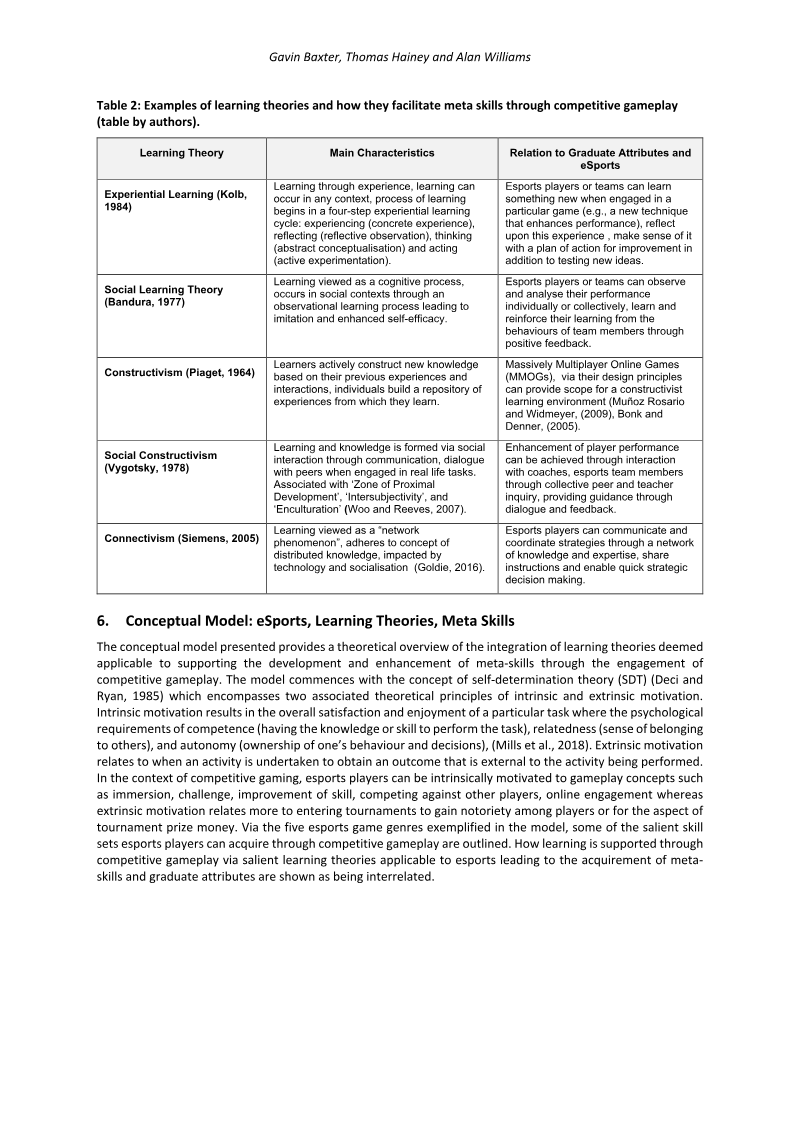
- The paper argues competitive esports can cultivate graduate attributes and employability skills such as teamwork, communication, strategic planning, and problem-solving, though this potential remains under-examined through established learning theories.
- Its central contribution is a preliminary theoretical model proposing five learning theories (experiential learning, social learning, constructivism, social constructivism, and connectivism) as underpinnings of competitive gameplay, with self-determination theory linked to specific esports genres.
- The authors explicitly acknowledge the model lacks empirical validation and call for a planned mixed-methods study and a systematic literature review as necessary next steps.
Classroom Introduction of a Video Game on Italian Grammar
This study examines how ten Italian lower-secondary teachers integrated the grammar video game "Ross e la Sgrammanebbia" into their classrooms with 185 students aged 11 to 12.
- Limited game literacy is a key barrier to game-based learning: only 3 of 10 teachers play games in their daily lives, and only 4 had previously introduced games into class.
- Teachers mostly used games in a simplified, behaviourist way, such as quiz tools like Kahoot!, treating them chiefly as motivational or exercise aids rather than as vehicles for learning.
- Lesson planning was thorough on conventional teaching elements but weak on defining playful goals and evaluation methods, and only 5 of 10 teachers identified objectives drawn from the national Italian language curriculum.
Investigating Inclusivity in Game-Based Learning: Current Practices and Multistakeholder Perspectives
This study examines how inclusivity is understood and applied in analogue game-based learning, combining focus groups with 35 educators, game designers, and students with a review of the literature.
- The study combines focus groups with 35 educators, game designers, and students with a literature review to examine how inclusivity is understood and applied in analogue game-based learning.
- The authors argue that accessibility in analogue games has received limited scholarly and professional attention, and that the field needs more systematic, stakeholder-informed design practice.
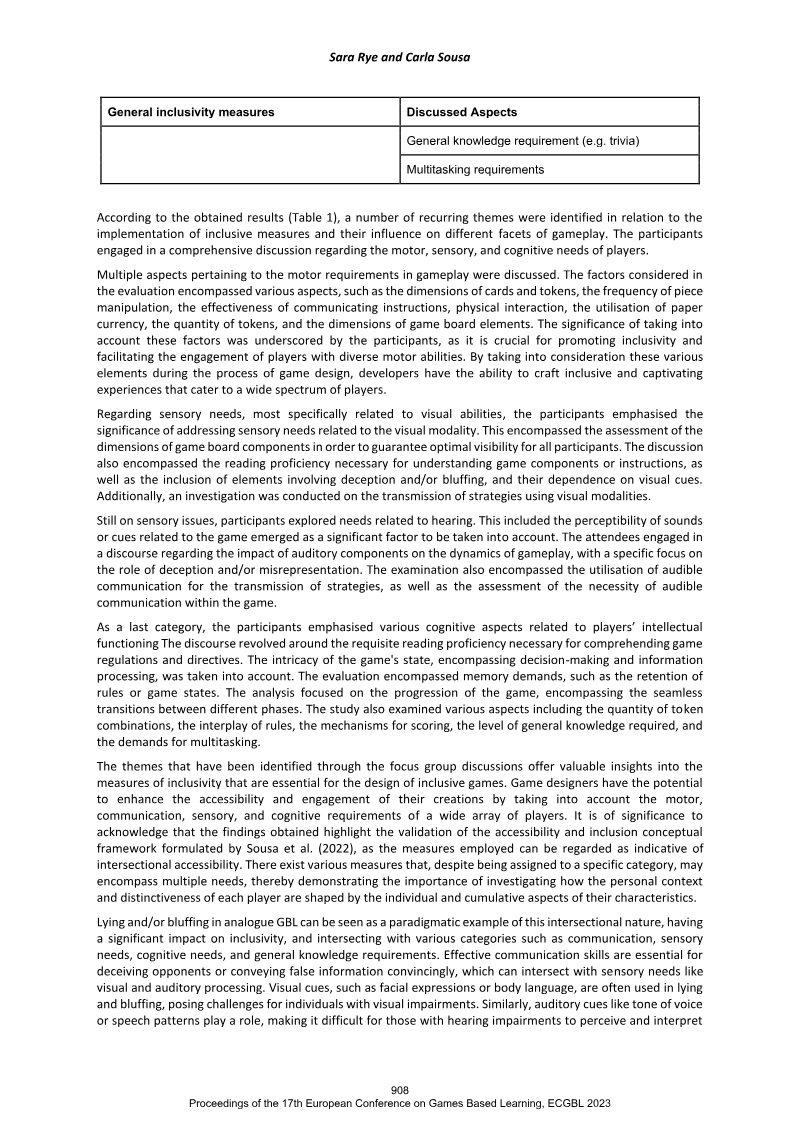
- Participants identified motor, visual and auditory sensory, and cognitive requirements as key inclusivity measures, mapping them to concrete design choices such as card size, token shape, reading level, and game state complexity.
Experimenting with GAME OVER to Create Processes of Reflection and Academic Inquiry
This study investigates whether a "Game Over" strategy, in which students' work is discarded when a timed level expires, can stimulate reflective and metacognitive academic writing.
- The 'Game Over' strategy, where students' work is discarded when a timed level expires, is tested as a way to stimulate reflective and metacognitive academic writing among architecture and construction management undergraduates at UCN in Denmark.
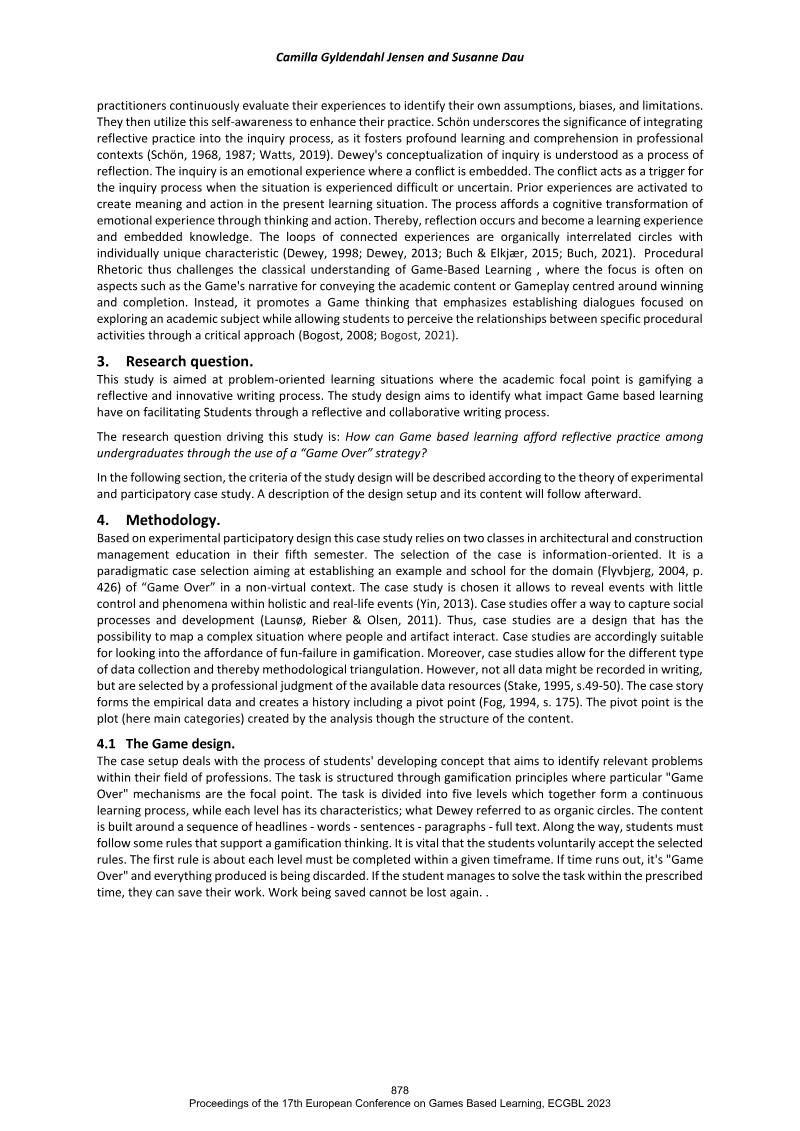
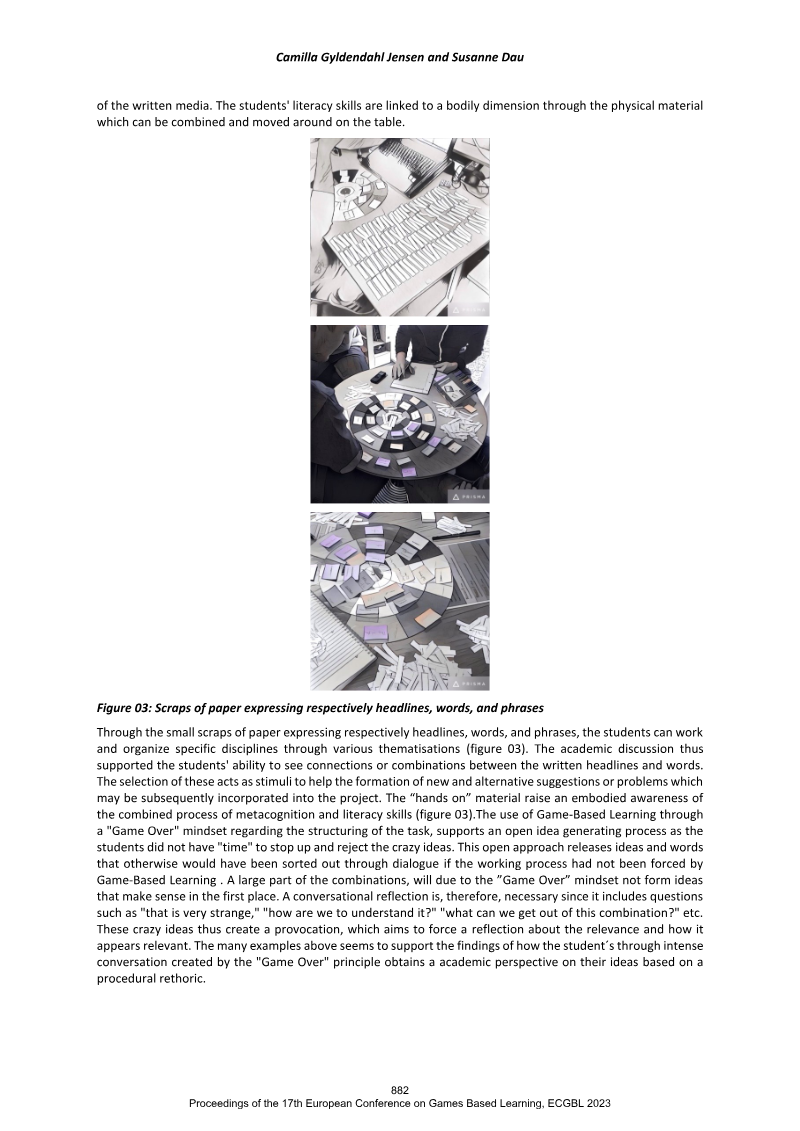
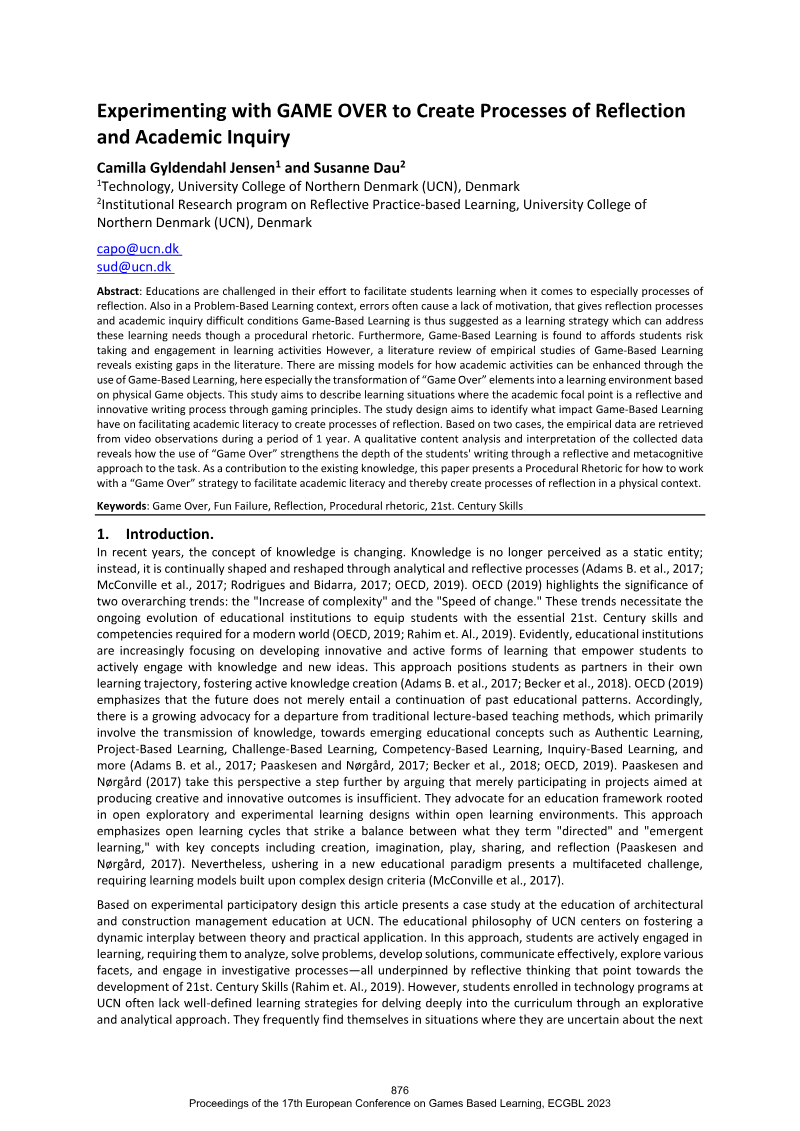
- Based on a qualitative case study of two fifth-semester classes observed over a full year via video, audio, and portfolio data, the Game Over structure prompted strategic planning, metacognitive reflection, and collaborative idea generation.
- Reflection showed up both verbally and in embodied behavior (such as hands over faces or fixed gazes), and these processes helped students move from scattered words toward coherent written text.