1 free read left. Create a free account for unlimited reading + AI research.
Create free accountWhitepaper European Conference on Games Based Learning (ECGBL)
1 free read left. Create a free account for unlimited reading + AI research.
Create free accountWhitepaperEuropean Conference on Games Based Learning (ECGBL)
The research tests whether discarding student work when a timed level expires encourages reflection and metacognition in academic writing.
This study investigates whether a "Game Over" strategy, in which students' work is discarded when a timed level expires, can stimulate reflective and metacognitive academic writing. The research focuses on architecture and construction management undergraduates at UCN in Denmark, drawing on a qualitative case study of two fifth-semester classes observed over a full year through video, audio, and portfolio data. Its central argument is that physical, non-digital game design grounded in Bogost's procedural rhetoric can fill a gap in the literature on game-based learning for academic inquiry, with the game's structure making students' normative assumptions visible and open to revision. The theoretical framing draws on Dewey's and Schön's models of reflective practice.
The principal findings indicate that the Game Over structure prompts strategic planning, metacognitive reflection, and collaborative idea generation among participants. Reflection appeared both in verbal discussion and in embodied behavior, such as hands over faces or fixed gazes, and the authors report that these processes helped students move from scattered words toward coherent written text. The concept of "fun failure" produced emotional responses, including the triumphant or disappointed expressions known as "Fiero," which the authors link to sustained engagement. A complementary case study of the same physical game design interprets further observed behaviors, including persistence after setbacks and emotional outbursts, as indicators of engagement and metacognition.
The evidence base is interpretive and drawn from a single study setting, and the work reports no quantitative measures. Its conclusions are therefore best understood as illustrative and exploratory rather than statistically established or broadly generalizable. Within these limits, the authors contend that clear rules combined with gaming principles can provoke reflection and inquiry without digital games or a learning management system, and they propose the approach as a transferable model of game design elements for non-game educational contexts.



European Conference on Games Based Learning (ECGBL) · 2026



European Conference on Games Based Learning (ECGBL) · 2026



European Conference on Games Based Learning (ECGBL) · 2026



European Conference on Games Based Learning (ECGBL) · 2026



European Conference on Games Based Learning (ECGBL) · 2026



European Conference on Games Based Learning (ECGBL) · 2026



European Conference on Games Based Learning (ECGBL) · 2026



European Conference on Games Based Learning (ECGBL) · 2026



European Conference on Games Based Learning (ECGBL) · 2026



European Conference on Games Based Learning (ECGBL) · 2026



European Conference on Games Based Learning (ECGBL) · 2026



European Conference on Games Based Learning (ECGBL) · 2026
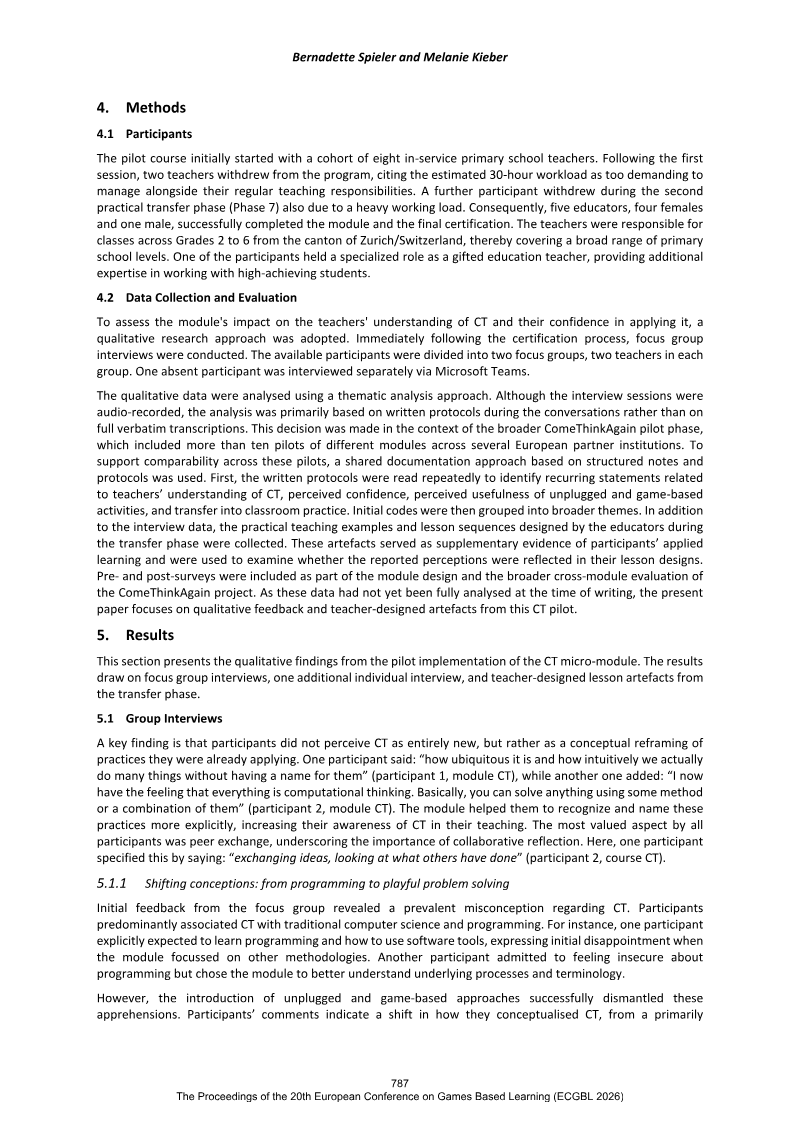
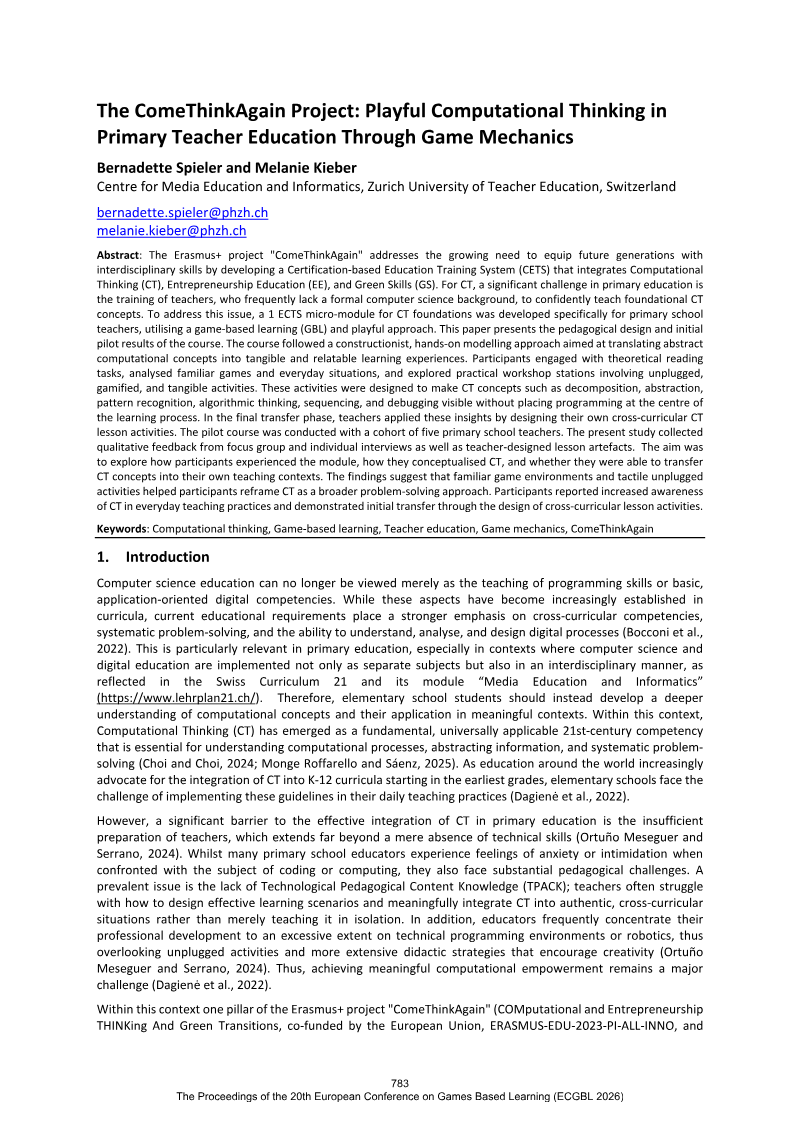
European Conference on Games Based Learning (ECGBL) · 2026



European Conference on Games Based Learning (ECGBL) · 2026
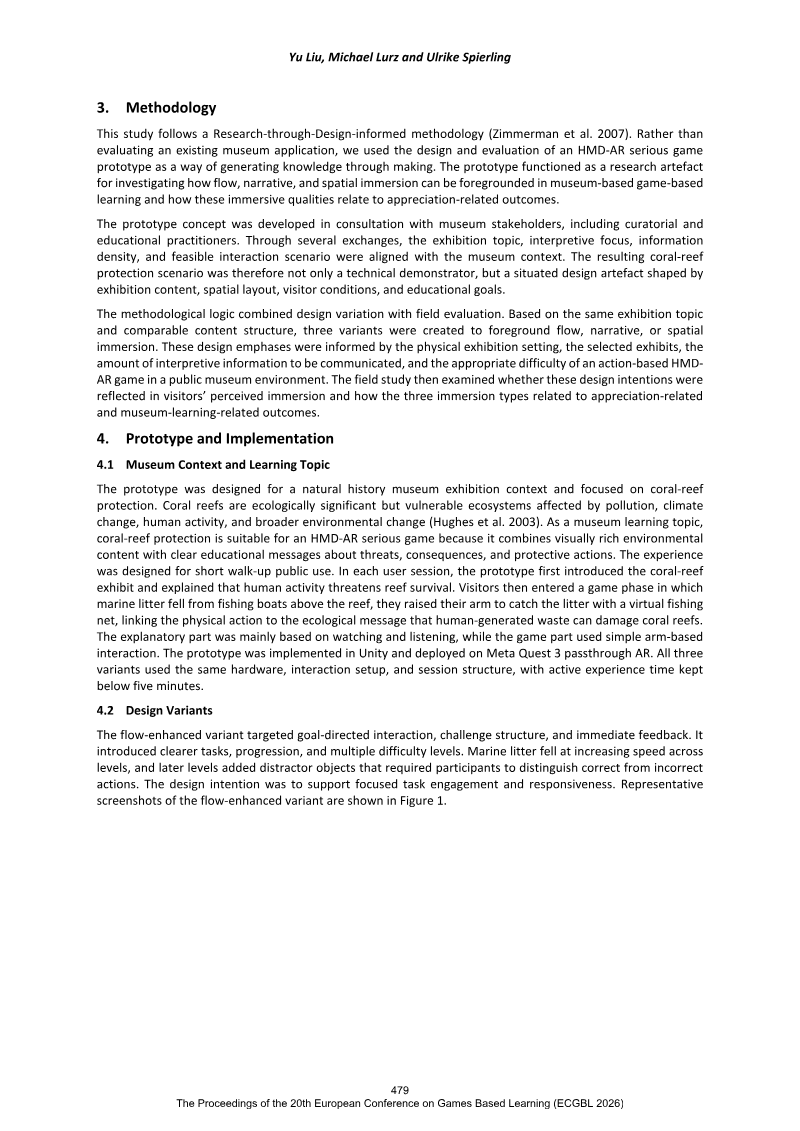
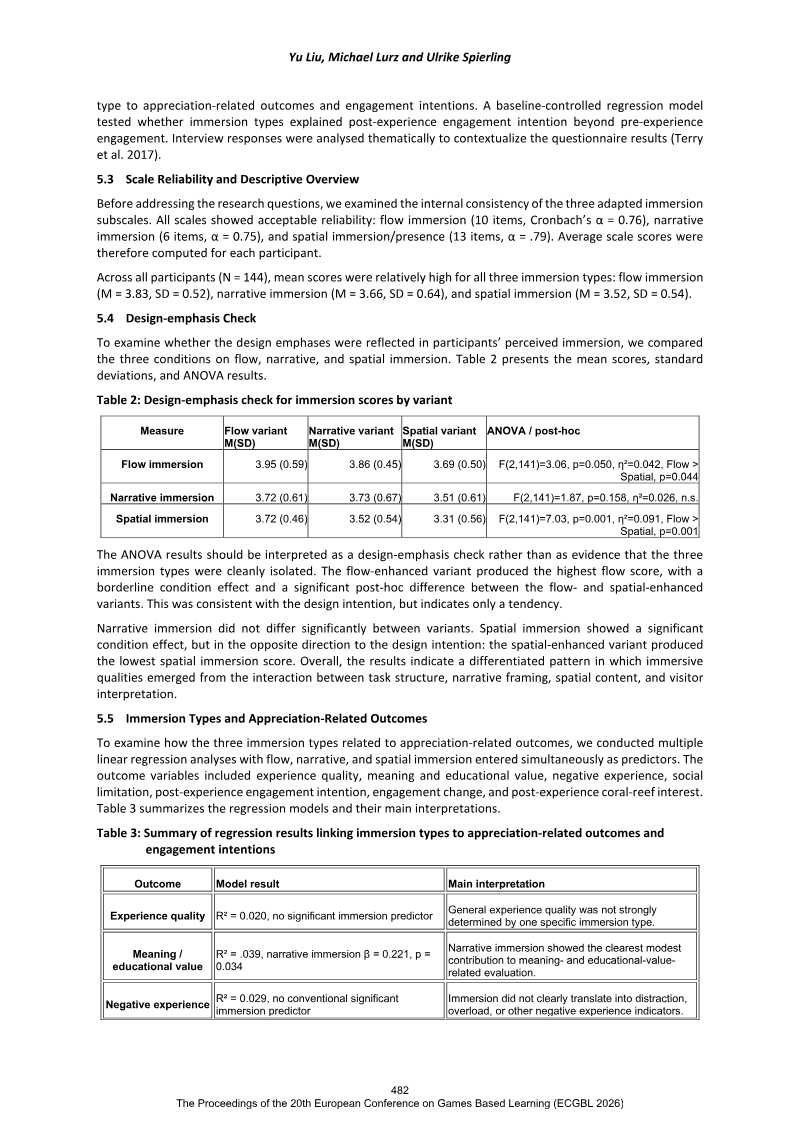
European Conference on Games Based Learning (ECGBL) · 2026