1 free read left. Create a free account for unlimited reading + AI research.
Create free accountWhitepaper European Conference on Games Based Learning (ECGBL)
1 free read left. Create a free account for unlimited reading + AI research.
Create free accountWhitepaperEuropean Conference on Games Based Learning (ECGBL)
Walls integrate structure, insulation, acoustics, and moisture control, a combination that static two-dimensional drawings and passive lectures often convey poorly.
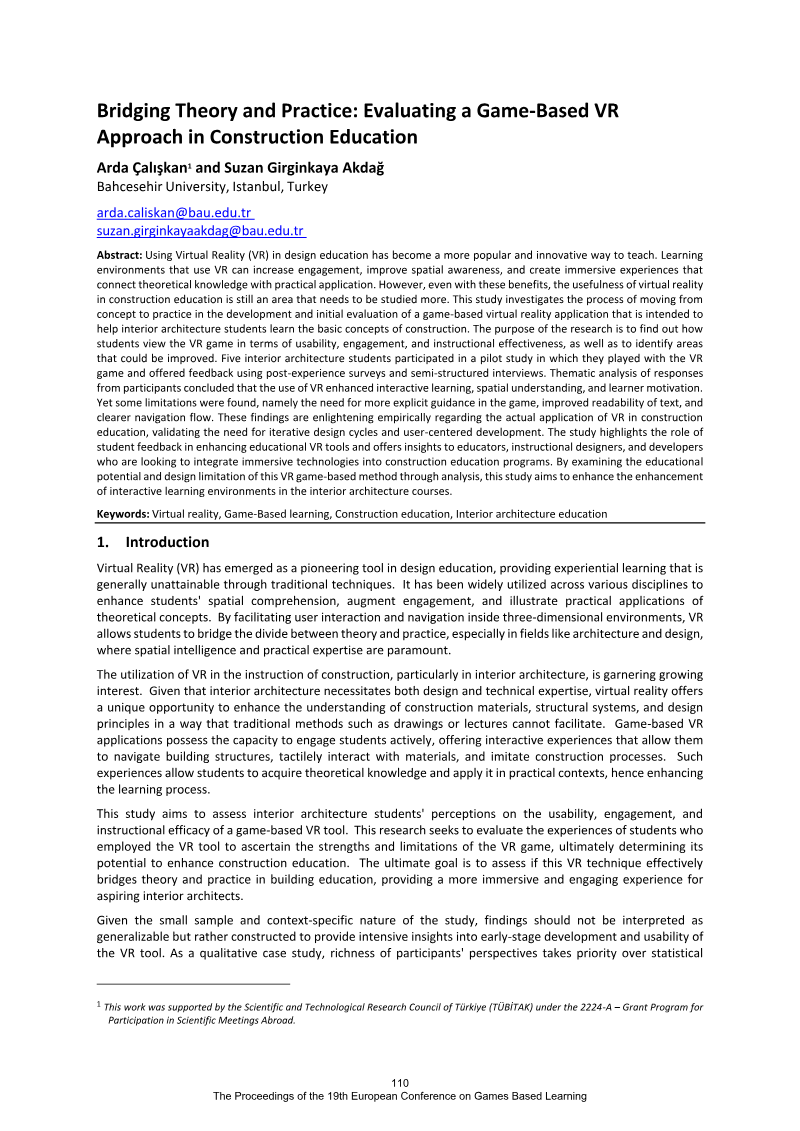
This study examines whether a virtual reality game, "VR ConstructED," can improve how interior architecture students learn wall construction, materials, and design consequences, compared with conventional teaching methods. Walls serve as the focal topic because they integrate structure, insulation, acoustics, and moisture control, making them a demanding subject that static two-dimensional drawings and passive lectures often convey poorly. The work positions immersive, game-based learning as a response to these pedagogical limitations and situates it within a broader history of architectural education and the emerging use of VR in instruction.
The methodology distinguishes gamification from game-based learning and serious games, and it identifies a notable gap in research on construction education within interior architecture. The approach has two phases: the game was developed in Unreal Engine 5 and organized into three levels covering wall types, materials, and construction techniques, followed by a randomized controlled evaluation with interior architecture students at Bahçeşehir University in Türkiye. The evaluation combines pre- and post-tests, surveys measuring learning, engagement, and memory, and semi-structured interviews, with the project timeline running from October 2024 through June 2026.
The concluding analysis integrates quantitative findings with qualitative insights drawn from interviews and thematic analysis. The authors conclude that VR can meaningfully enhance construction education and can challenge long-held assumptions about how design students should be taught. They also emphasize that realizing this potential depends on sustained collaboration among educators, industry practitioners, and game developers, whose combined expertise is needed to refine VR applications for educational use.
European Conference on Games Based Learning (ECGBL) · 2025
European Conference on Games Based Learning (ECGBL) · 2025
European Conference on Games Based Learning (ECGBL) · 2025
European Conference on Games Based Learning (ECGBL) · 2025
European Conference on Games Based Learning (ECGBL) · 2025
European Conference on Games Based Learning (ECGBL) · 2025
European Conference on Games Based Learning (ECGBL) · 2025
European Conference on Games Based Learning (ECGBL) · 2025
European Conference on Games Based Learning (ECGBL) · 2025
European Conference on Games Based Learning (ECGBL) · 2025
European Conference on Games Based Learning (ECGBL) · 2025
European Conference on Games Based Learning (ECGBL) · 2025
European Conference on Games Based Learning (ECGBL) · 2025
European Conference on Games Based Learning (ECGBL) · 2025
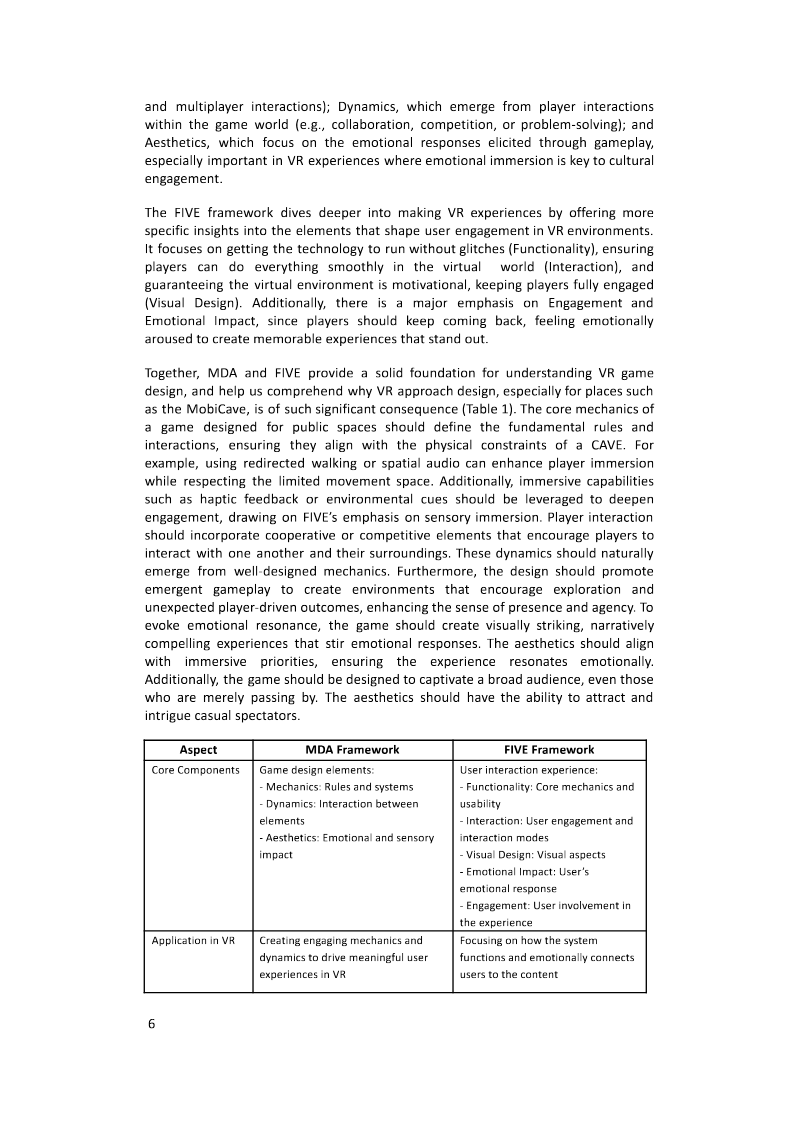
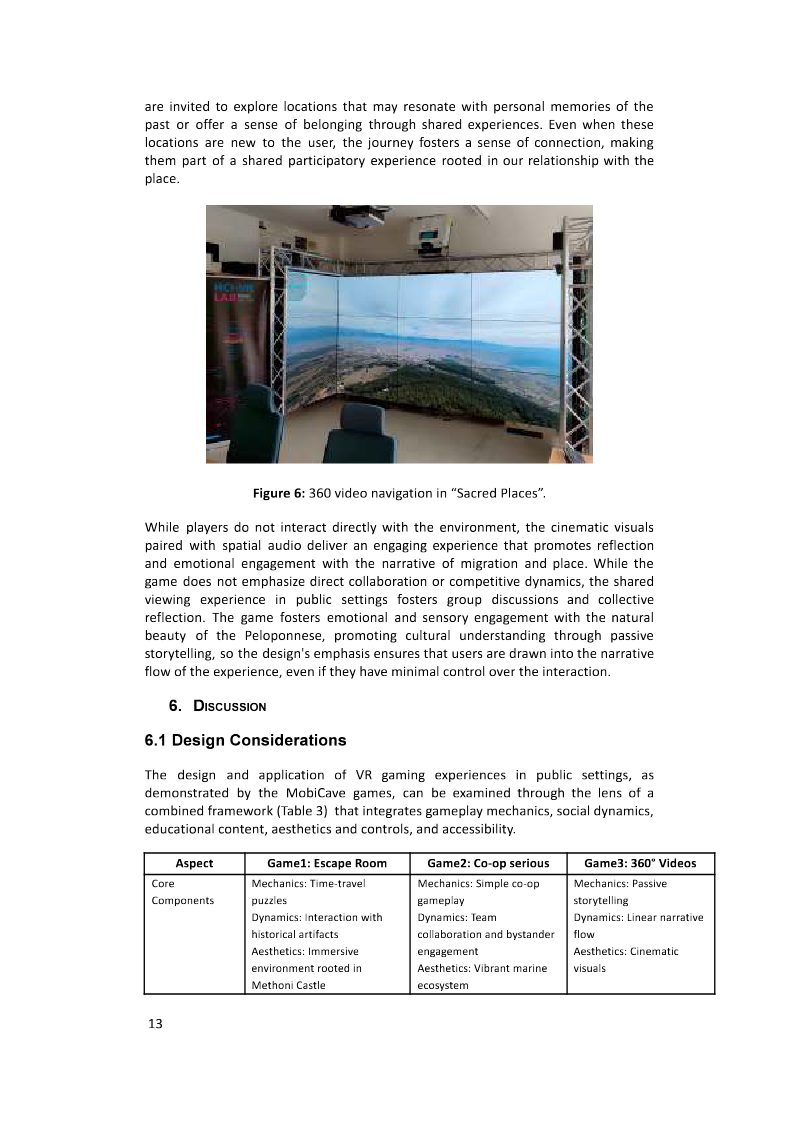
DiGRA · 2025