1 free read left. Create a free account for unlimited reading + AI research.
Create free accountArticle DiGRA
1 free read left. Create a free account for unlimited reading + AI research.
Create free accountArticleDiGRA
This 2011 DiGRA study by Vermeulen, Van Looy, De Grove, and Courtois examines whether gender differences in video game design preferences are innate or instead shaped by prior experience with core genres such as shooters, action-adventure, and role-playing games. Using a 2x2 ANOVA design with an online survey of 962 gamers, the authors frame their work against essentialist accounts that treat women's gaming tastes as a fixed category, proposing instead that genre familiarity and access may drive the patterns observed.
The central finding is that male core players, female core players, and male non-core players display broadly similar preferences, while female non-core players diverge significantly from all other groups. Women and non-core players, taken together, are more irritated by in-game violence and favor easy-to-master, low-complexity games, with female non-core players showing the most extreme preferences and male core players the least. Women also showed sharply sexualized-avatar sensitivity, with the authors reporting a mean of 2.77 for women against 2.24 for men, and a preference for same-sex avatars and customization. Men expressed greater interest in social interaction, storylines, and sideline activities. Notably, women did not differ from men in preferring problem-solving over competition (F = 0.012, p = .911), which the authors argue contradicts the common assumption that women avoid direct competition.
The study's scope encompasses difficulty, sexual representation, avatar customization, fantasy settings, social interaction, narrative, and violence, drawing on a substantial reference base that includes academic work and industry sources from the IGDA, Nielsen, the Pew Internet & American Life Project, and ELSPA. The authors conclude that gender differences in design preferences are consistent, but that prior core-genre experience substantially reshapes them, suggesting that access and familiarity matter at least as much as gender in explaining how players engage with game design.
DiGRA · 2012
DiGRA · 2012
DiGRA · 2012
DiGRA · 2012
DiGRA · 2012
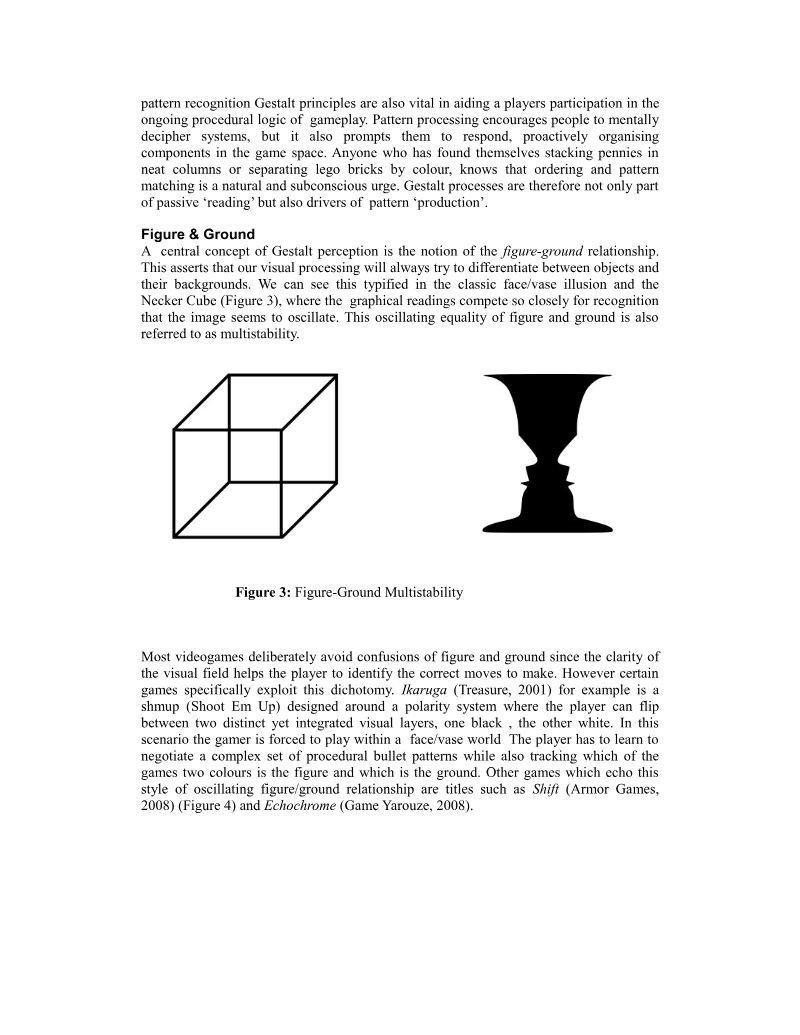
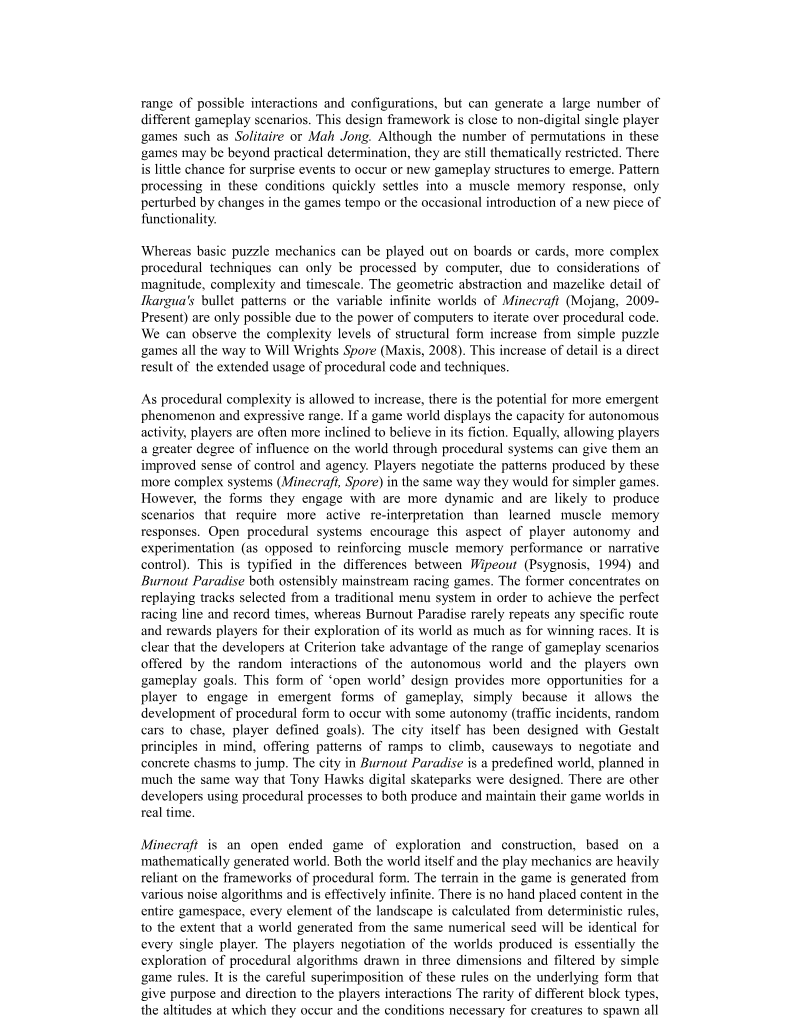
DiGRA · 2011
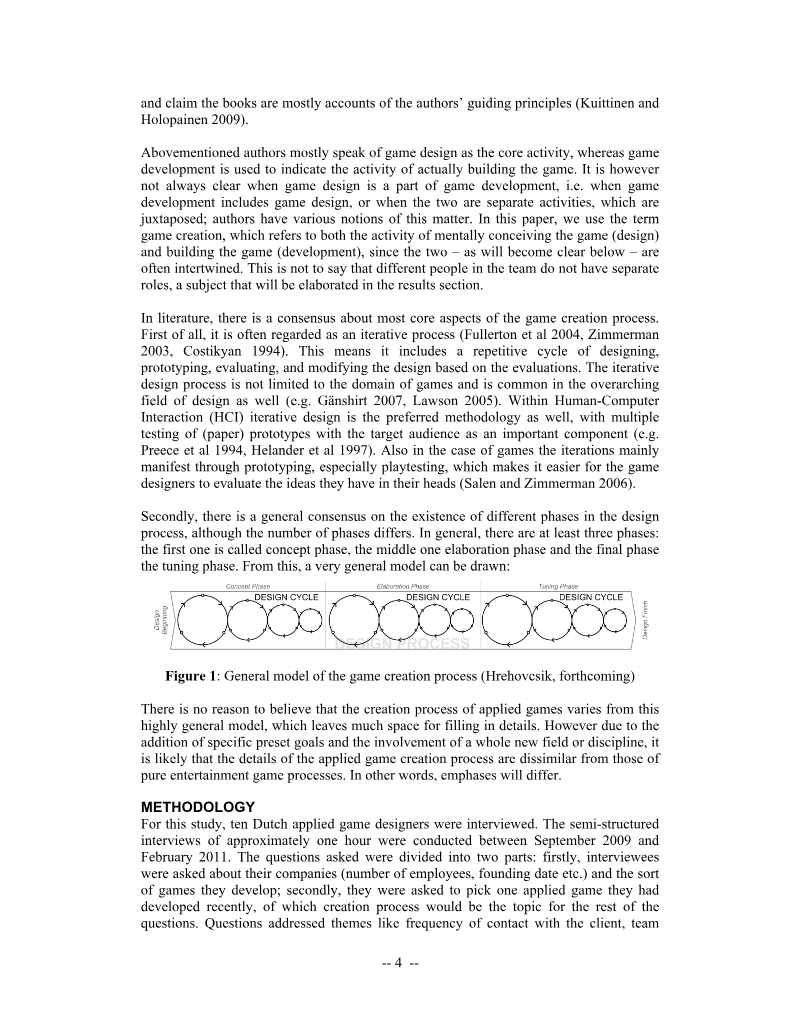
DiGRA · 2011
DiGRA · 2011
DiGRA · 2011

DiGRA · 2011
DiGRA · 2011
DiGRA · 2011
DiGRA · 2005