1 free read left. Create a free account for unlimited reading + AI research.
Create free accountWhitepaper DiGRA
1 free read left. Create a free account for unlimited reading + AI research.
Create free accountWhitepaperDiGRA
Distilling the key insights…
"Playful Ambience" adapts Brian Eno's concept of ignorable yet interesting ambient music to the design and analysis of games, proposing that ambience can be understood through four dimensions: engagement, affect, persistence, and context. Its central argument is that the systemic domain model first used to analyze the work captured basic features of play but could not account for the emergent behaviors observed, motivating a more refined ambient lens applicable to both experimental and commercial titles. The research is grounded in three studies of experimental "Ambient Quest" games, including a pedometer-based game and an RFID-driven game, which together offer the empirical basis for its framework.
The findings center on how players actually behave with ambient designs. Participants engaged with the games in highly variable ways, invented personal rules, sometimes "cheated" against developer intent, and increased their walking to accelerate in-game progress. Iterative coding across these studies produced a schema in which temporal granularity, spanning second-to-second actions, level-based goals, and nested whole-game objectives, shapes the player experience. Engagement, ambiguity, and complexity are framed as fluctuating, player-perceived states rather than fixed properties of a game. Two conclusions stand out: ambiguity and complexity are fundamental to ambience, and complexity is not equivalent to difficulty.
The work further argues that discovery and invention are central to ambient play. Players locate both designer-coded mechanics and emergent ones, such as rocket jumping in Quake III, and then construct their own rules, as video sessions of the Pirate Moods study revealed. Highly ambient games like FarmVille, which let players disengage and rejoin without penalty, appear to encourage this inventive shallow engagement. The author positions the ambience schema as a practical framework for game design, analysis, and quality testing, while acknowledging that the research is qualitative and ongoing.
Each row is a game or company this document names, each column a document, oldest first. A mark means that document names it. Select a row to see those documents.
DiGRA · 2016
DiGRA · 2016
DiGRA · 2016
DiGRA · 2016
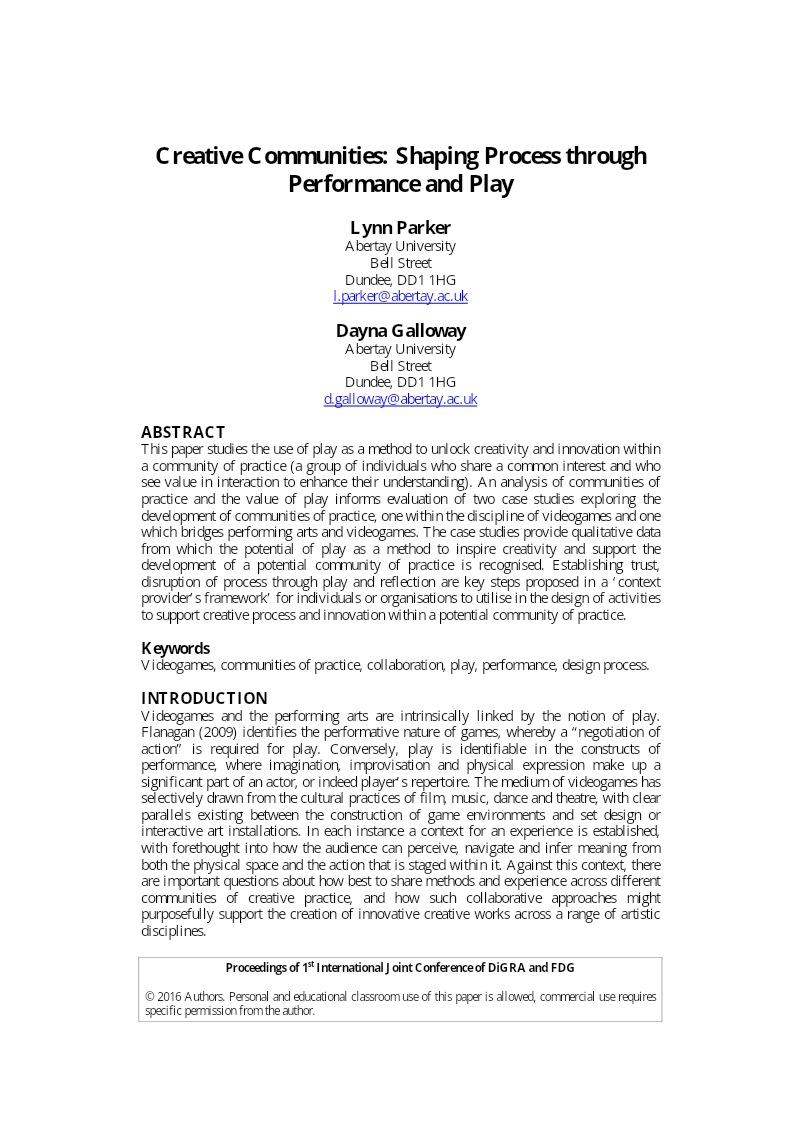
DiGRA · 2016
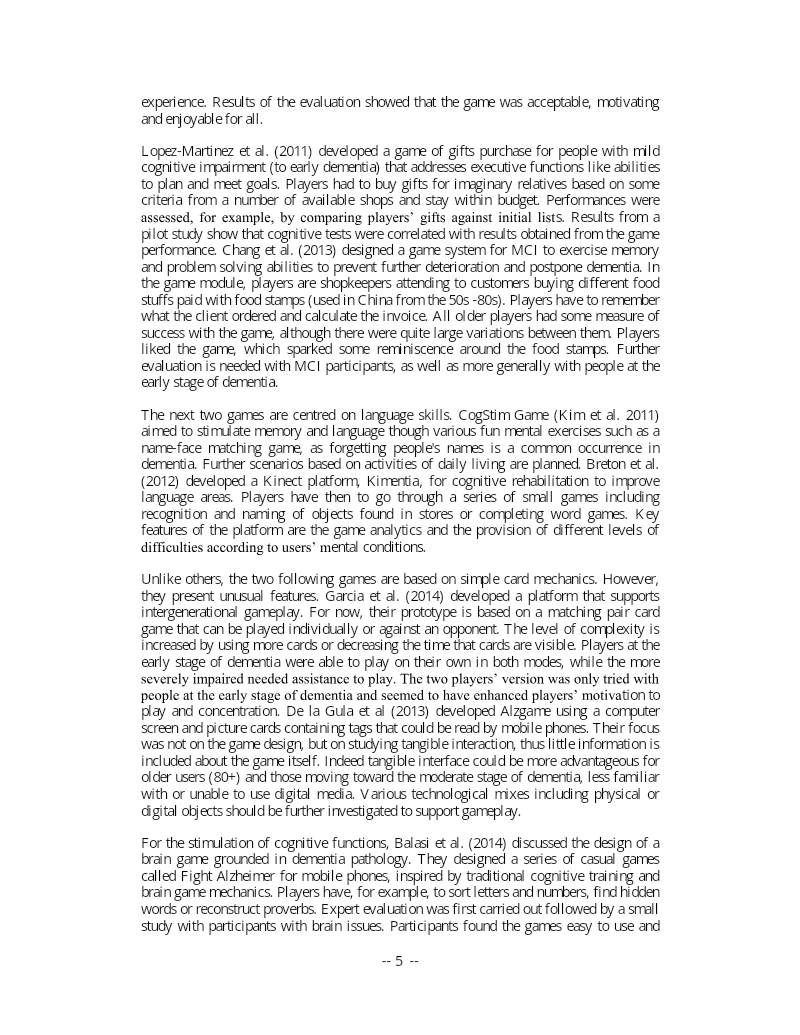
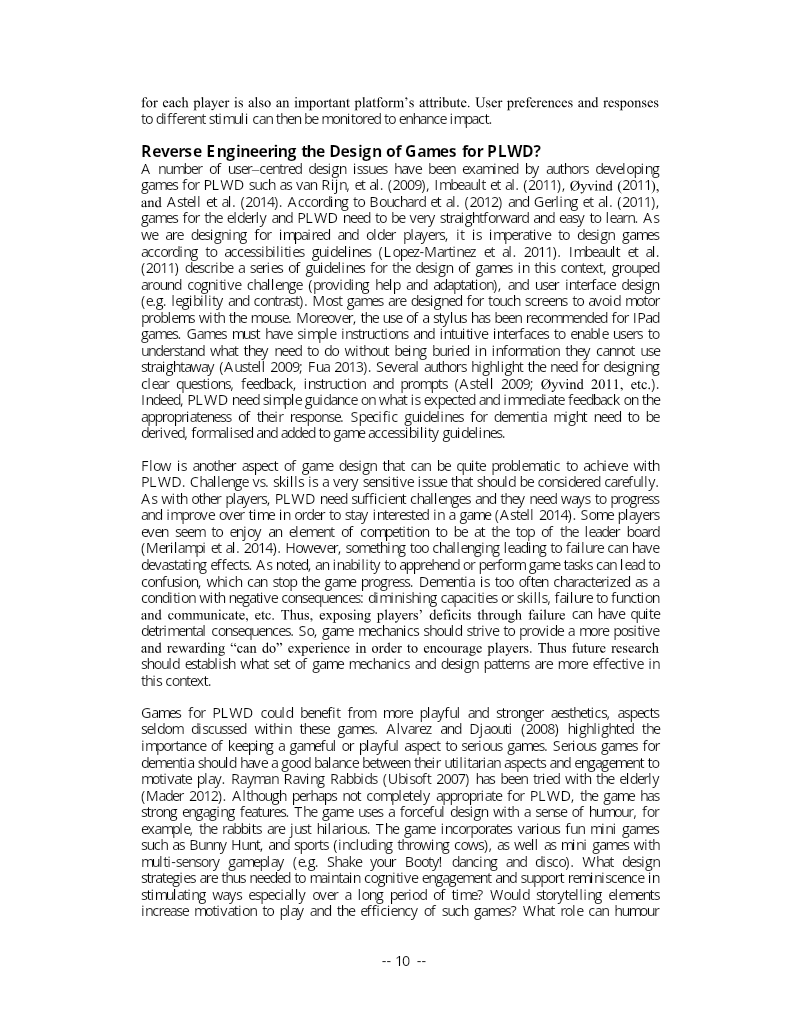
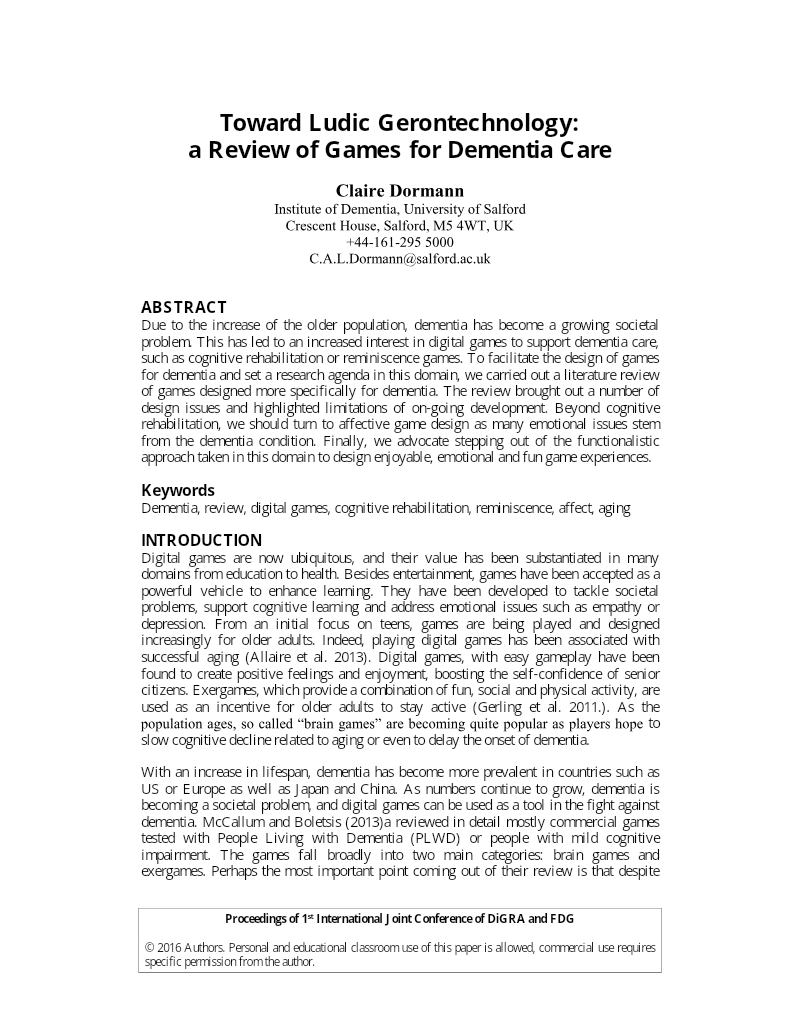
DiGRA · 2016
DiGRA · 2015
DiGRA · 2015
DiGRA · 2015
DiGRA · 2015
DiGRA · 2015
DiGRA · 2015
PocketGamer.biz · 2026