Merge & Breeding
Documents
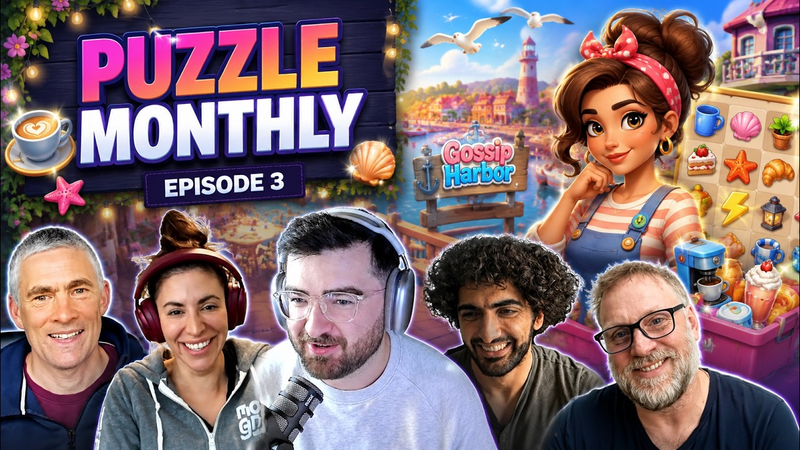
Puzzle Monthly #3: the Merge 2 Secret Tell-All Episode
The merge genre has reached a critical inflection point, transitioning from simple board-based mechanics to complex, live-ops-driven ecosystems. Titles such as Gossip Harbor have successfully surpassed legacy giants like Candy Crush by adopting aggressive monetization strategies that mirror the traditional match-three playbook. By prioritizing constant, event-driven progression over the core merge mechanic, these games satisfy player desires for organization and steady advancement, effectively turning inventory management into a highly engaging and profitable loop. This shift indicates that the future of the genre lies in sophisticated meta-game design rather than the foundational gameplay itself.
Despite this commercial success, the genre faces inherent design challenges, most notably the issue of board clutter. Persistent game states often force players into tedious inventory management, which can detract from the core experience. To mitigate these limitations, developers are increasingly experimenting with temporary event boards, generator constraints, and multi-board systems. These innovations aim to alleviate the friction caused by static board designs while maintaining the high monetization potential that defines the current market landscape.
Moving forward, the industry is poised to refine these systems through more granular optimization. Analysts suggest that integrating mechanics from other puzzle genres—such as explicit difficulty markers, fail states, and improved energy-multiplier controls—could significantly enhance player engagement. As the genre matures, the focus is shifting toward narrative-driven experiences and more dynamic generator mechanics that tie functionality to specific level ranges. By moving away from rigid storage constraints and embracing more flexible, semi-persistent board architectures, developers can continue to evolve the merge genre into a more robust and player-centric category within the broader mobile gaming market.
- The merge genre is shifting from simple board mechanics to complex, live-ops-driven ecosystems, with titles like Gossip Harbor successfully challenging legacy giants like Candy Crush.
- Commercial success in the genre is now driven by aggressive, event-based monetization strategies rather than the foundational merge gameplay itself.
- To combat the friction of board clutter and tedious inventory management, developers are increasingly adopting temporary event boards, generator constraints, and multi-board systems.
- Future engagement is expected to improve through the integration of mechanics from other puzzle genres, specifically explicit difficulty markers, fail states, and refined energy-multiplier controls.
- The industry is moving toward narrative-driven experiences and dynamic generator mechanics that link functionality to specific level ranges.

TWIG #339 Merge Games, Gen Z Spending Patterns, and the Shift inside Studio Cultures
The video game industry is currently navigating a period of structural instability characterized by skepticism toward subscription-based business models and shifting monetization strategies. Microsoft’s Xbox Game Pass faces intense scrutiny, with analysts questioning its long-term profitability and suggesting that current financial reporting obscures the true costs of the service. Simultaneously, regulatory adjustments in the European Union regarding Apple’s App Store fees are viewed as superficial concessions that fail to meaningfully improve the economic environment for developers, leaving the core 30% commission structure largely intact.
Market analysis indicates that recent reports of declining Gen Z spending are likely overstated, stemming from seasonal data anomalies rather than a fundamental shift in consumer behavior. While platforms like Roblox and subscription services are gaining traction, the current lull in spending is primarily attributed to a lack of major software releases. In the mobile sector, the "Merge 2" puzzle genre remains a growth engine, though success is increasingly concentrated among dominant titles like Gossip Harbor. Meanwhile, companies like Supercell face criticism for prioritizing public relations and AI-focused messaging over the disciplined, product-centric development strategies that previously defined their success.
Organizational performance is increasingly tied to operational incentives and capital allocation rather than abstract cultural values. The industry is trending toward a hybrid-casual model, where games like White Out Survival prioritize aggressive, deep monetization mechanics designed to extract value from high-spending users. This shift toward rapid, platform-scale distribution often favors revenue-generating systems over traditional design principles. As developers experiment with influencer-driven live-ops and scarcity-based monetization, the long-term sustainability of these hit-driven, extraction-heavy strategies remains a central point of debate among industry observers.
- The industry is shifting toward a 'hybrid-casual' model, exemplified by games like White Out Survival, which prioritize aggressive, deep monetization mechanics over traditional design principles.
- Analysts are questioning the long-term profitability of Microsoft’s Xbox Game Pass, suggesting that current financial reporting may be obscuring the true costs of the subscription service.
- Recent reports of declining Gen Z spending are likely driven by a lack of major software releases and seasonal anomalies rather than a fundamental change in consumer behavior.
- Regulatory adjustments in the EU regarding Apple’s App Store fees are considered superficial, as they fail to meaningfully alter the core 30% commission structure for developers.
- Success in the mobile 'Merge 2' puzzle genre is becoming increasingly concentrated among dominant titles like Gossip Harbor.
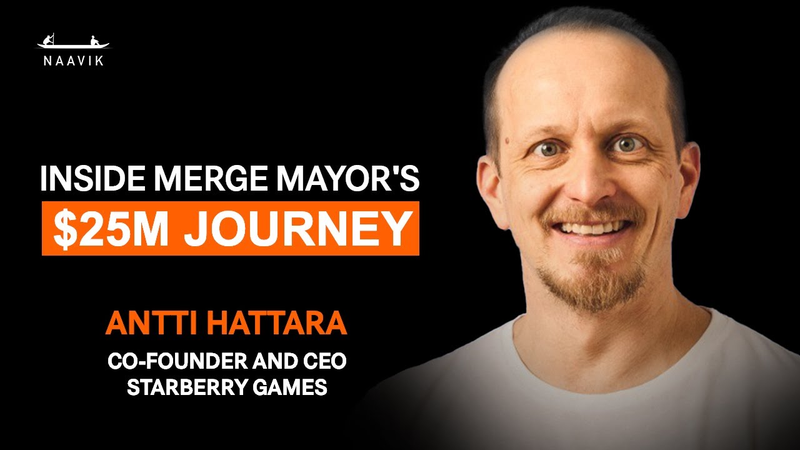
Mastering Merge: How StarBerry Built a Merge-2 Hit
StarBerry Games has successfully navigated the highly competitive Merge-2 mobile gaming market by pivoting from idle titles to a community-centric development model. Through the success of Merge Mayor, which has generated over $25 million in lifetime revenue, the studio demonstrates that a lean, 22-person team can achieve significant scale by prioritizing player engagement over traditional, high-budget acquisition strategies. The core thesis centers on the necessity of integrating social connectivity directly into the gameplay loop to foster long-term retention in an industry increasingly defined by content saturation.
The studio’s operational strategy relies on a hybrid approach that balances quantitative data with qualitative insights gathered from a 50,000-member Discord community. By implementing collaborative social features, such as the "Wonders" club system, the studio has successfully moved beyond simple global leaderboards to encourage meaningful player cooperation. This focus on social infrastructure addresses the limitations of existing platform-level tools, which have largely failed to provide developers with a unified social graph. Consequently, the studio has shifted toward owning its direct-to-consumer relationships, utilizing these channels to refine live-ops schedules and seasonal content.
Looking forward, the studio is applying these lessons to future titles, emphasizing narrative-driven gameplay and character-focused storytelling to strengthen user acquisition funnels. By prioritizing collaborative systems and rigorous validation testing, the team aims to evolve the casual genre to meet the expectations of a younger demographic that views mobile gaming as an inherently social experience. This transition marks a broader industry shift where developers are increasingly responsible for building their own community ecosystems to combat the content treadmill and ensure sustainable growth in a crowded global market.
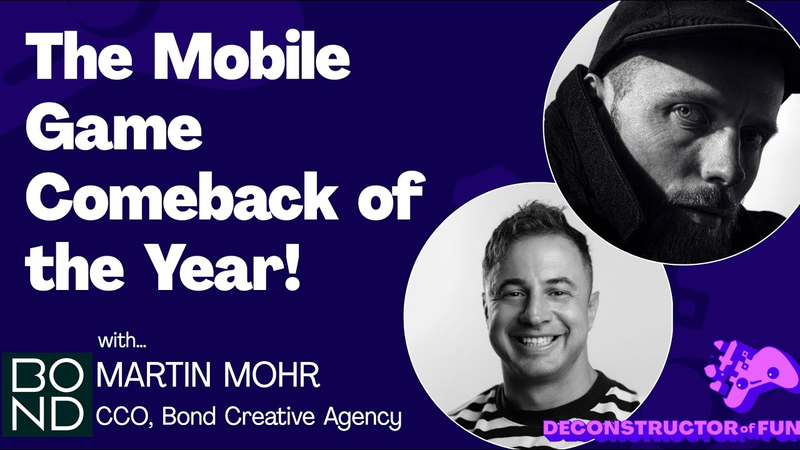
The Power of Gaming Branding: Real Insights from a Creative Agency
Strategic branding serves as a critical lever for reversing performance plateaus in the mobile gaming sector. By shifting focus from purely utilitarian gameplay to character-driven narratives, developers can revitalize mature titles without altering core mechanics. This approach, exemplified by the successful turnaround of Merge Gardens, demonstrates that aligning marketing assets with a cohesive, emotionally resonant backstory significantly increases player engagement and revenue. In an industry saturated with copycat products, establishing a unique brand identity creates a competitive moat that prevents studios from inadvertently advertising the broader category rather than their own specific product.
The process of building a robust brand identity is an iterative, collaborative journey that typically spans several months. It begins with a discovery phase where external creative partners embed within a studio to resolve internal misalignments and distill the product’s core narrative into an actionable strategy. This foundational work results in a comprehensive story bible and visual identity, which serves as a roadmap for all future content. While these engagements often require a six-figure investment, the expenditure is justified by the long-term value generated through improved marketing efficiency and the creation of proprietary intellectual property.
Ultimately, the transition from short-term performance marketing to long-term brand building is essential for sustained growth. By integrating data-driven insights with compelling storytelling, studios can extend the consumer purchase window and enhance the effectiveness of their advertising spend. Prioritizing original IP over licensed brands further secures a studio’s market position, ensuring longevity and higher valuation. This strategic commitment to narrative development acts as a force multiplier, transforming marketing from a simple acquisition tool into a sustainable driver of brand equity and competitive advantage in an increasingly crowded global market.
- Shifting from utilitarian gameplay to character-driven narratives can revitalize mature mobile titles without requiring changes to core mechanics, as demonstrated by the turnaround of Merge Gardens.
- Establishing a unique brand identity creates a competitive moat that prevents studios from inadvertently advertising the broader game category rather than their own specific product.
- Building a robust brand identity is an iterative, multi-month process that requires external partners to embed within a studio to resolve internal misalignments and develop a comprehensive story bible.
- While brand identity engagements typically require a six-figure investment, the cost is offset by improved marketing efficiency and the creation of proprietary intellectual property.
- Prioritizing original intellectual property over licensed brands secures a studio’s long-term market position and contributes to a higher overall company valuation.

Scaling Up a Merge Game with Antti Hattara, CEO Starberry Games
The merge genre has evolved from a simple casual category into a highly competitive landscape where long-term retention is the primary determinant of success. Achieving sustainable growth requires moving beyond initial accessibility to implement sophisticated progression systems, deep content balancing, and high-quality 3D graphical pipelines. By pivoting from idle mechanics to city-building simulations, developers can effectively differentiate their titles from established market leaders. The current industry environment represents a transition toward a playoff phase, where only games capable of maintaining engagement beyond ninety days will secure a lasting foothold.
Scaling these titles necessitates a dual focus on consistent content updates and advanced performance marketing. Despite the challenges posed by IDFA deprecation, the broad appeal of merge games allows for effective user acquisition through automated tools and wide-reach campaigns. Maintaining a lean, agile team structure—often supported by third-party technology services—enables studios to remain responsive to market shifts while preparing for organizational expansion. Strategic growth is further supported by a commitment to self-publishing, which allows developers to retain creative control while seeking investors who provide operational expertise alongside capital.
Success in this sector demands more than incremental innovation; it requires bold, structural differentiation. Developers are encouraged to rigorously deconstruct existing market mechanics to understand the underlying drivers of player behavior. Furthermore, fostering a centralized, collaborative office culture remains a critical component of team cohesion and creative output. As the industry matures, the ability to balance technical polish with a strong, unified team identity will be essential for studios aiming to scale their portfolios and compete at the highest levels of the global mobile gaming market.
- Long-term retention beyond 90 days is now the primary metric for success in the highly competitive merge game market.
- Developers can differentiate their titles by pivoting from simple idle mechanics toward complex city-building simulations.
- Scaling requires a dual strategy of consistent content updates and advanced performance marketing, leveraging automated tools to overcome IDFA deprecation challenges.
- Maintaining a lean, agile team structure supported by third-party technology services allows studios to remain responsive to market shifts while preparing for expansion.
- Self-publishing is a recommended strategy to retain creative control while securing investors who provide both capital and operational expertise.