JRPG reports and market data
Documents
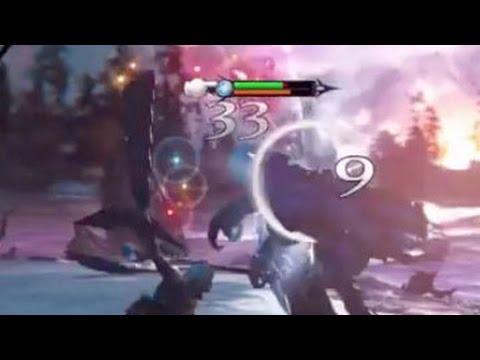
FTUE: Mobius Final Fantasy
The first-time user experience (FTUE) for Mobius Final Fantasy highlights significant friction points common in Japanese mobile RPGs, specifically regarding onboarding and technical implementation.
- Cumbersome initial setup processes, including lengthy mandatory asset downloads, can drive day-one user retention rates as low as 20%.
- The use of a 'stub file' technical architecture creates stagnant waiting periods that prioritize data transfer over immediate player engagement.
- Poorly timed system prompts, such as push notifications and Game Center requests, occur before the user has established any investment in the game, creating unnecessary friction.
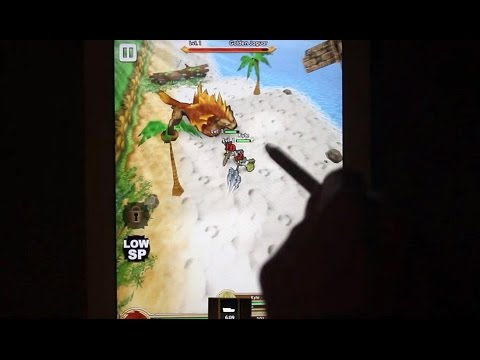
FTUE: Colopl Rune Story
The first-time user experience (FTUE) of the mobile JRPG Colopl Rune Story serves as a case study in balancing accessibility for casual players with the depth required by core gaming audiences.
- Colopl Rune Story prioritizes early engagement by ensuring players achieve combat victories within the critical first ten minutes of the initial session.
- The onboarding process utilizes a phased disclosure strategy, restricting access to complex menu systems and meta-game mechanics to maintain a low-pressure environment for new users.
- To minimize player friction, the game employs a guided tutorial structure featuring visual cues like directional arrows to teach fundamental movement, combat, and resource management.

Oceanhorn's success was a product of "clear focus", says Heikki Repo
The development of the action RPG Oceanhorn by Cornfox & Bros. serves as a case study for how small, three-person studios can produce ambitious, high-quality titles by maintaining a clear creative focus and leveraging efficient production workflows.
- Cornfox & Bros. recouped the entire development cost of Oceanhorn within the first week of its 2013 launch, validating the viability of a premium pricing model for small-team mobile games.
- The three-person studio achieved a 15-hour gameplay experience by pivoting from an unsuccessful open-world design to a linear progression model, which allowed for better resource management and narrative control.
- Development efficiency was driven by a custom 3D tile engine that enabled rapid level design and testing, alongside a strategy of reusing art assets across diverse environments.
Western & Japanese RPGs - III: Why Are Western RPGs More Popular? - Extra Credits
The decline in the relative popularity of Japanese RPGs (JRPGs) compared to Western RPGs stems from a fundamental shift in industry competition and a misalignment of development priorities.
- JRPGs have lost their market dominance because their core appeals—narrative depth and leveling mechanics—have been successfully integrated into other mainstream genres.
- The Japanese industry has stagnated by conflating high-fidelity cinematic visuals with narrative quality, leading to inefficient development cycles where engines are rebuilt for every project.
- Western RPGs gained popularity by prioritizing player expression and experimental gameplay mechanics that evolved alongside technological advancements.
Western & Japanese RPGs - II: Narrative vs. Expression - Extra Credits
The fundamental distinction between Western and Japanese role-playing games (RPGs) lies not in their mechanics, but in the underlying human desires they satisfy.
- JRPGs are structured to tell a specific story to the player, positioning the user as a director or puppet master guiding pre-defined protagonists.
- Western RPGs are designed to place the player inside a story, prioritizing personal expression and the ability to inhabit a role through customization and choice.
- The fundamental distinction between the two genres is rooted in the specific human desires they satisfy rather than their mechanical differences.
Western RPGs vs Japanese RPGs - I: What Makes Them Different? - Extra Credits
The distinction between Western role-playing games and Japanese role-playing games (JRPGs) is often mischaracterized by geography rather than fundamental design intent.
- The distinction between Western RPGs and JRPGs is rooted in fundamental design intent rather than geographic origin, as the two regions evolved unique interpretations of tabletop mechanics.
- Western RPGs were historically influenced by early mainframe titles, whereas Japanese developers were primarily shaped by the narrative-heavy traditions of early eroge visual novels.
- Current industry genre classification is flawed because it relies on surface-level mechanics like camera perspectives and leveling systems rather than the player's underlying psychological motivations.

Mailbag 1 - Questions About the Game Industry - Extra Credits
This overview addresses common inquiries regarding the state of the video game industry as of late 2010.
- The dominance of first-person shooters in 2010 is driven by the commercial success of the genre and the availability of standardized development engines like Unreal, which lower entry barriers for mid-tier studios.
- The perceived decline of the JRPG genre is not a lack of innovation, but rather an over-reliance on a small number of major publishers like Square Enix.
- PC gaming remains a robust market segment when accounting for the growth of MMOs, social gaming, and indie titles, despite challenges related to high technical requirements and costs compared to consoles.