Global reports and market data
Documents
Designing VR Games for Emotional Intelligence: Participatory Design Insights from Children
This paper investigates how the Integrated Design Framework for Playful Learning (IDFPL) can guide the design of virtual reality games that build children's emotional intelligence, a set of skills covering the recognition, interpretation, and regulation of emotions in oneself and others.
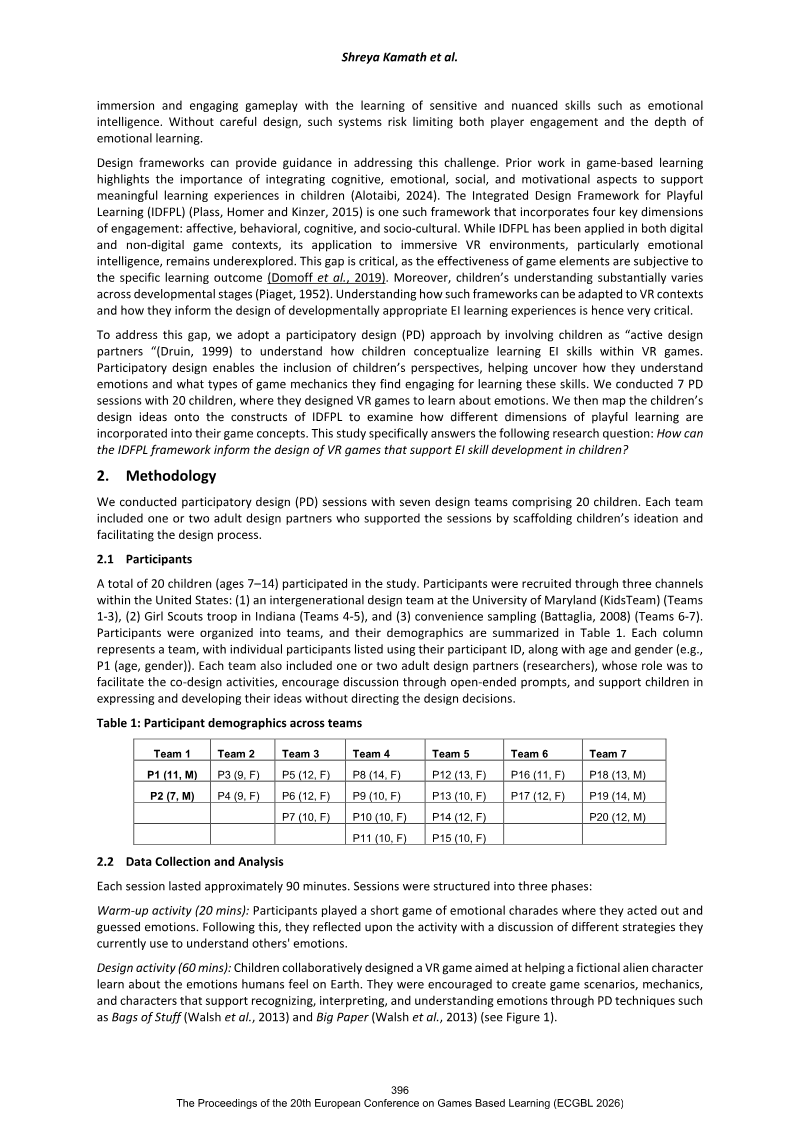
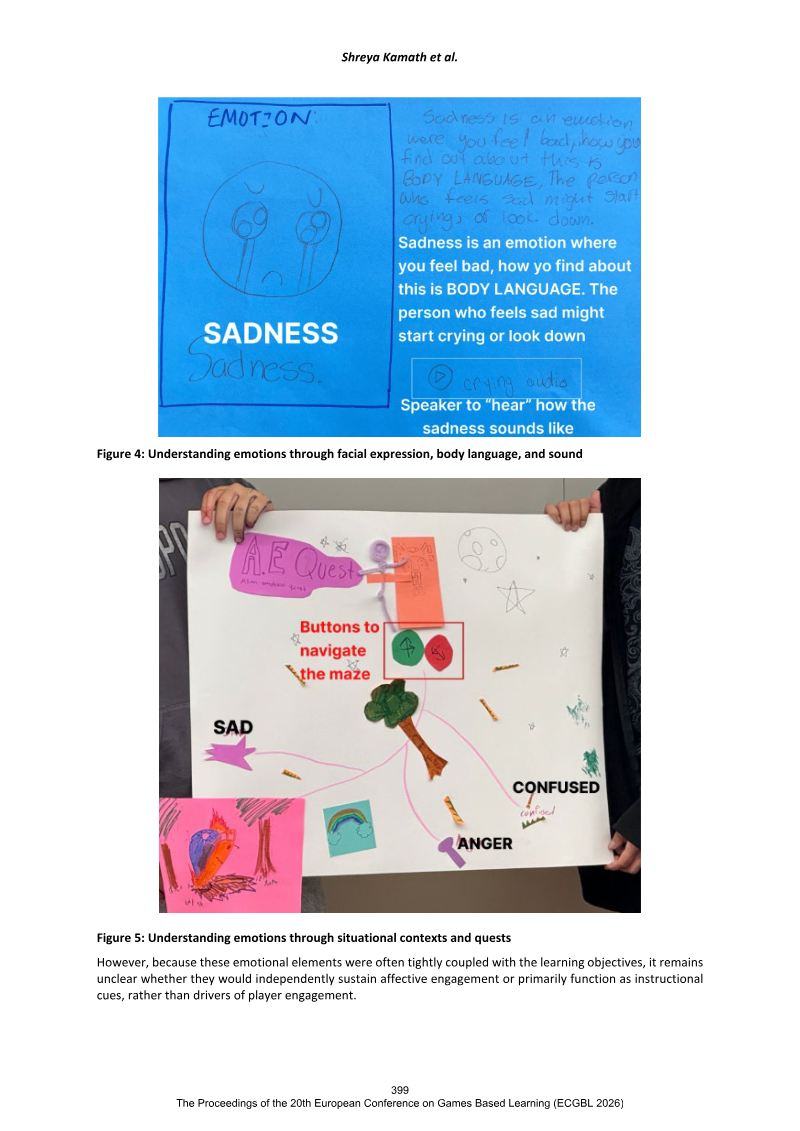
- The Integrated Design Framework for Playful Learning (IDFPL) was used to guide participatory design sessions in which 20 children aged 7 to 14, working in seven teams with adult facilitators, designed a VR game teaching an alien character about human emotions.
- Children preferred non-player characters providing guidance and feedback over multiplayer interaction as the social mechanism for emotional learning in VR games.
- Children favored effort-based, noncompetitive rewards, such as partial credit for trying, over competitive scoring to keep emotional learning engaging.
Usability Evaluation of an LMS-Notion Integrated Badge-Based Learning System
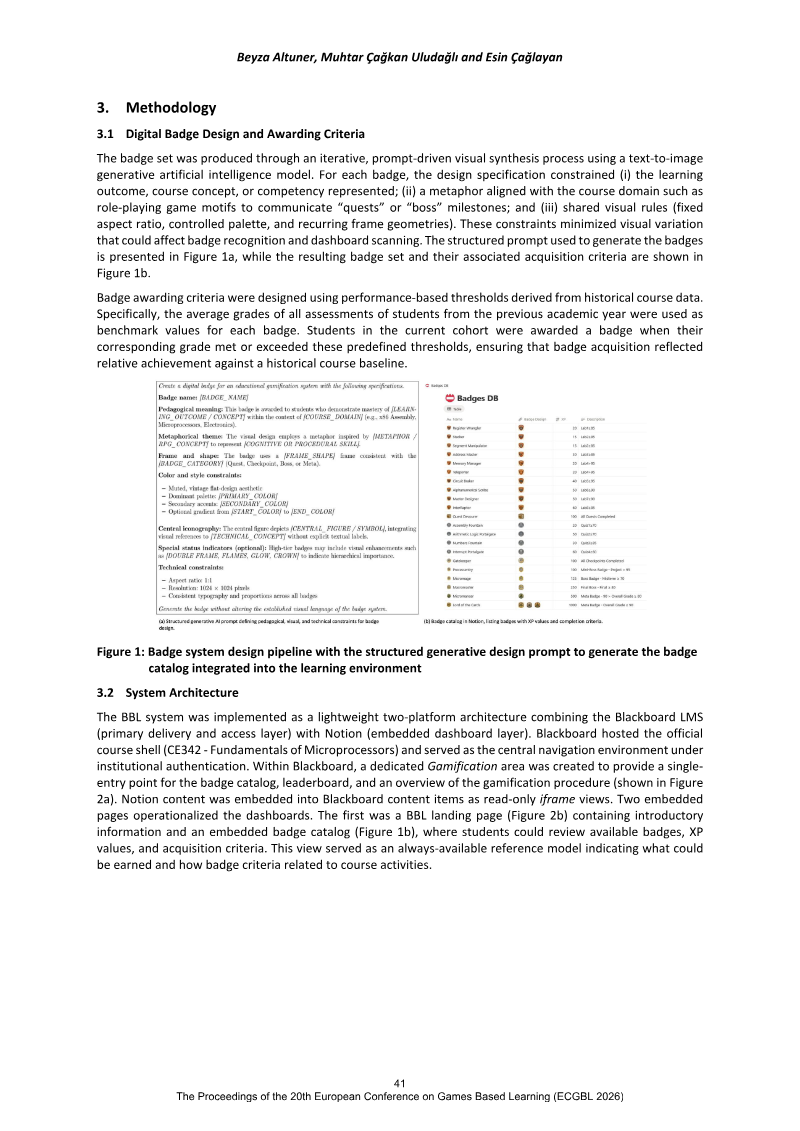
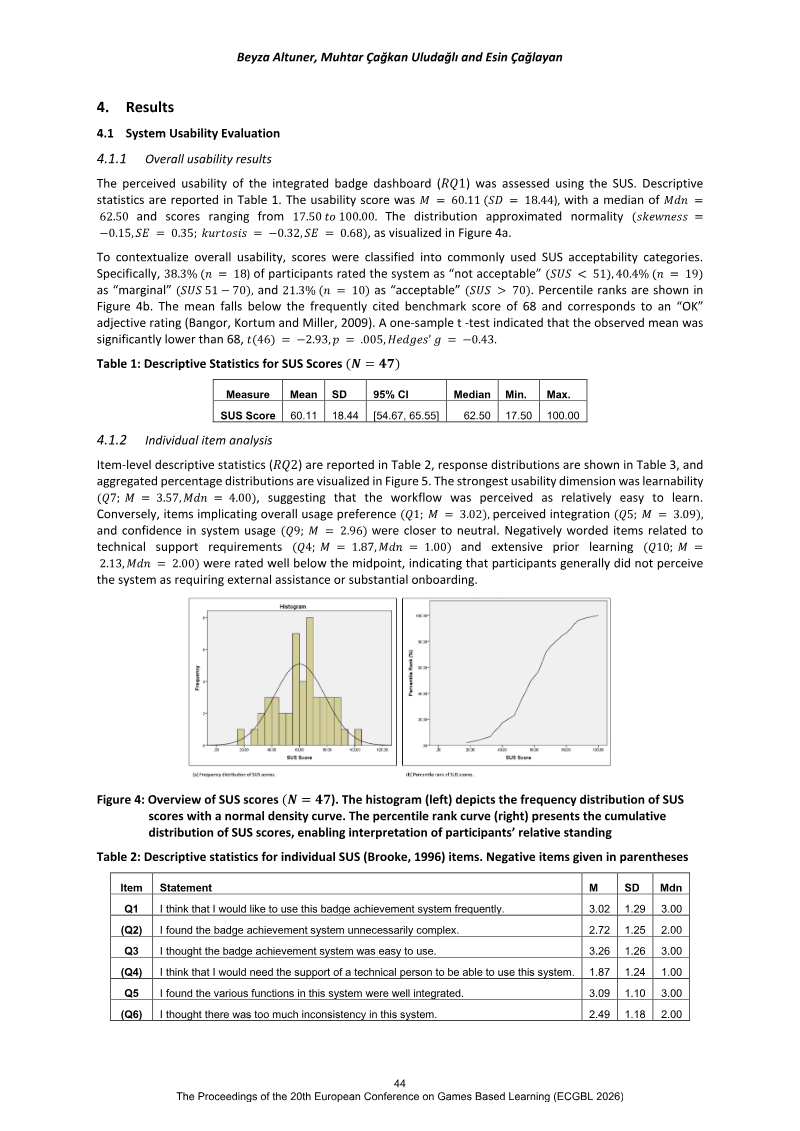
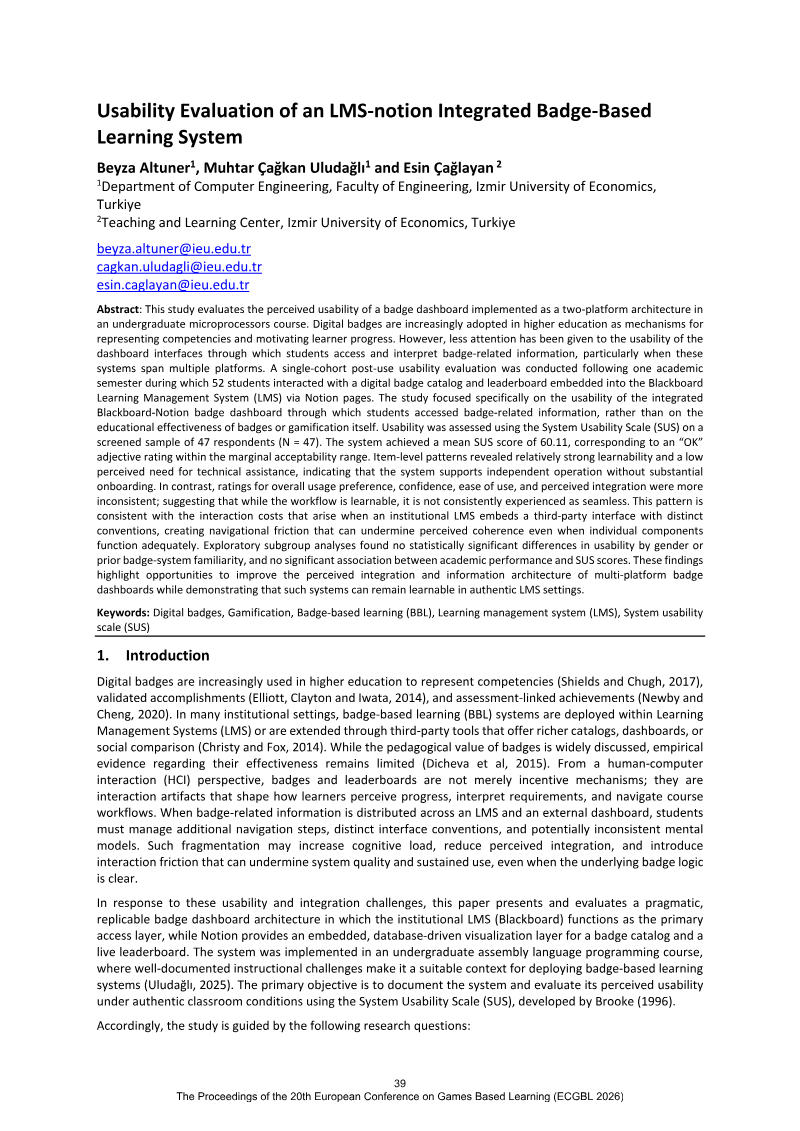
This study evaluates the perceived usability of an integrated badge-based learning system that combines Blackboard LMS with an embedded Notion catalog and leaderboard, deployed in an undergraduate microprocessors course.
- The Blackboard-Notion badge system scored a mean SUS of 60.11 (SD 18.44) from 47 screened students out of a 52-student cohort, significantly below the 68 benchmark and in the marginal "OK" acceptability range.
- Learnability was the system's clear strength, and respondents reported a low need for technical support.
- Ease of use, confidence in using the system, and perceived integration between Blackboard and Notion received considerably more ambivalent ratings, suggesting the multi-platform arrangement creates interaction friction for learners.
Game-Based Support for Vocational Teachers' Competence Reflection in Professional Development Search
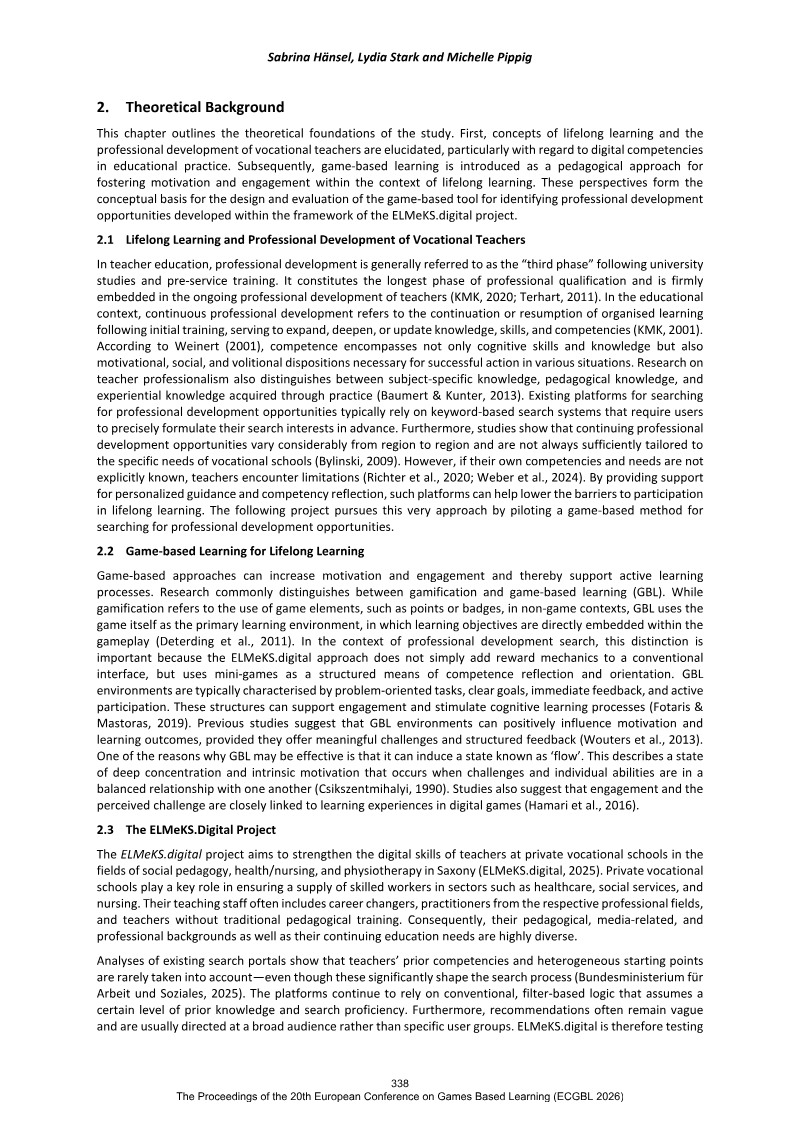
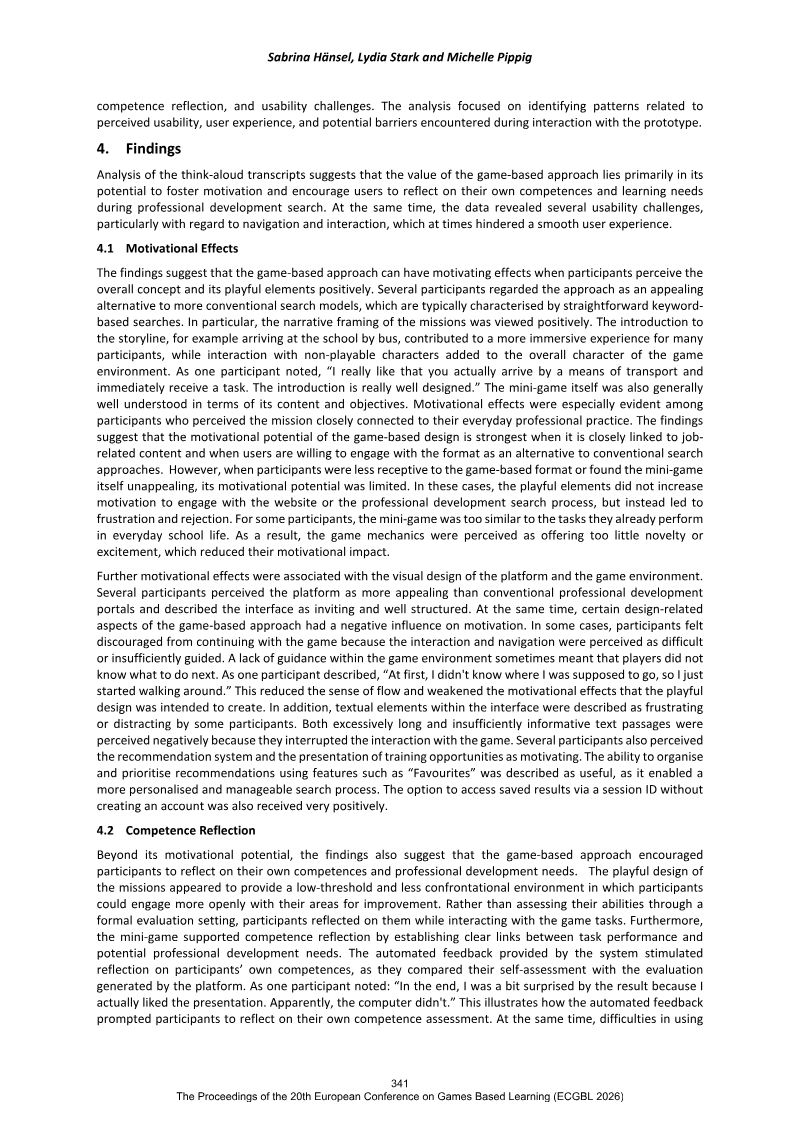
This study examines whether a game-based entry point within the ELMeKS.digital web portal can help vocational teachers find professional development opportunities while prompting reflection on their digital competences, as framed by the DigCompEdu framework.
- A qualitative usability study with nine vocational school teachers evaluated a game-based entry point in the ELMeKS.digital portal, designed to help teachers find professional development while reflecting on DigCompEdu-based digital competences.
- Only one of the 22 planned mini-games was implemented in the prototype, and the recommendations participants saw were simulated placeholders rather than outputs of a working algorithm, so findings are preliminary.
- The narrative, mission-based design appeared to increase motivation and prompt competence reflection, especially when tasks mirrored participants' everyday professional practice.
Stealth Assessment of Children's Connection to Nature in a Serious Game
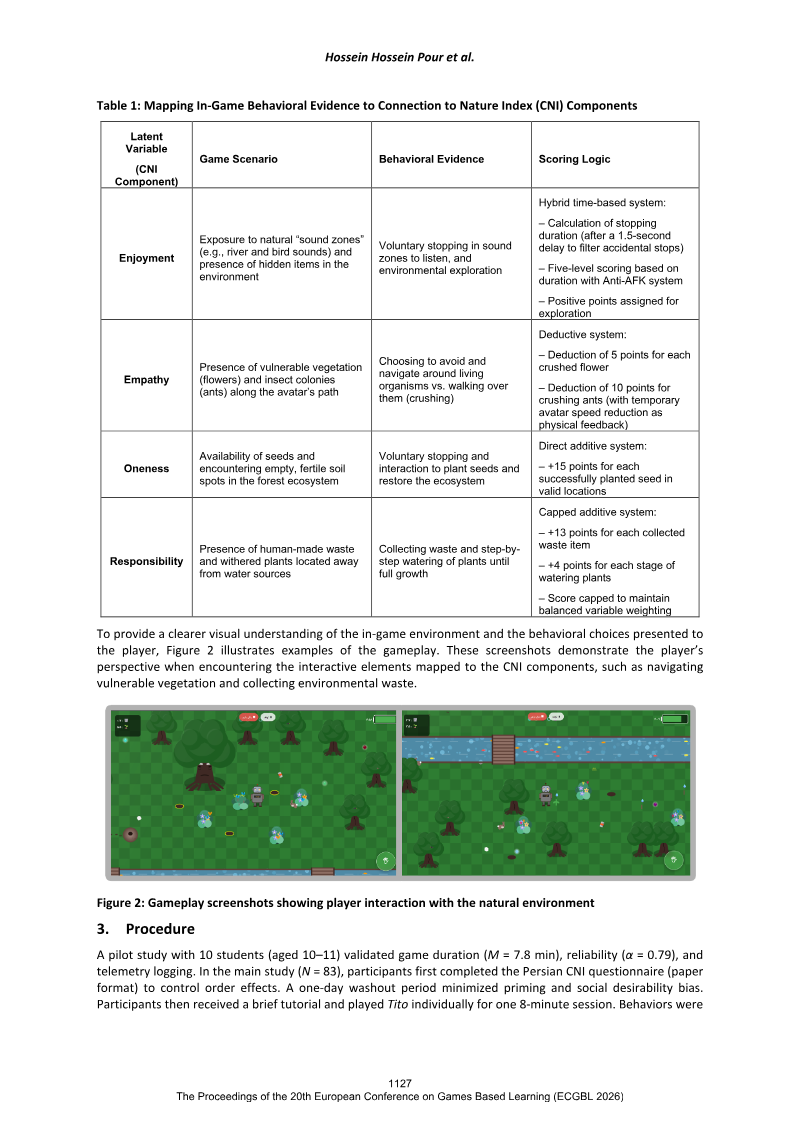
This study develops and validates a stealth assessment tool for measuring children's connection to nature, using a web-based serious game called Tito as an alternative to traditional self-report questionnaires.
- A web-based serious game called Tito was used as a stealth assessment of children's connection to nature, capturing behavior during play instead of relying on self-report questionnaires.
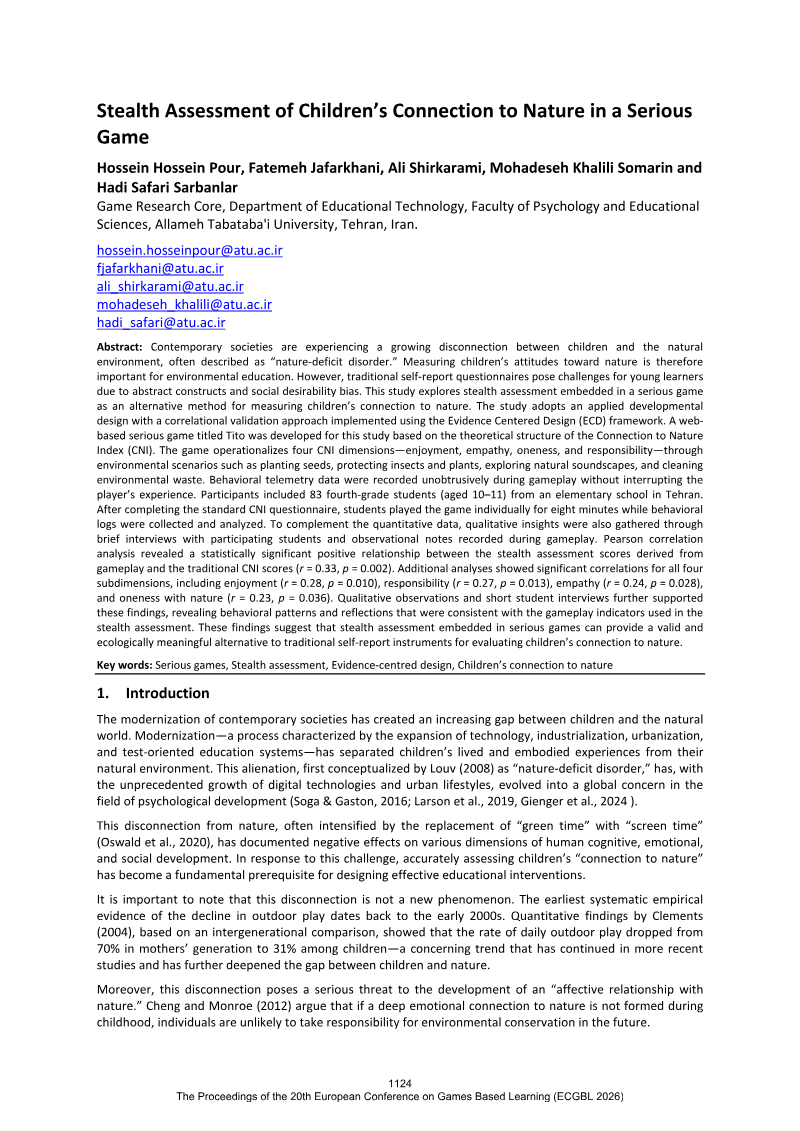
- Gameplay-derived stealth scores correlated significantly with Connection to Nature Index (CNI) total scores (r = 0.33, p = 0.002) among 83 fourth-grade students in Tehran, Iran.
- Significant but smaller correlations were found for each CNI subdimension (enjoyment, empathy, oneness, responsibility), ranging from r = 0.23 to 0.28.

Strategic Thinking Through Game-Based Learning: The Educational Board Game "Princess of the Silk Road"
A quasi-experimental study examines whether a culturally localized educational board game, "Princesses of the Silk Road," can strengthen strategic thinking among elementary school students.
- A quasi-experimental study of 40 fourth-grade girls (aged 9–10) at a single Iranian public primary school found that twelve 45-minute sessions of the culturally localized board game "Princesses of the Silk Road" produced statistically significant gains (p < 0.05) across all six strategic-thinking components versus a control group receiving standard instruction.
- The largest effects were for goal setting and problem decomposition (partial η² = 0.42) and future thinking (partial η² = 0.40), while delayed response and reflective thinking showed a smaller but still significant effect (partial η² = 0.11).
- The six strategic-thinking components targeted by the game are future thinking, evidence-based decision making, delayed response, strategy revision, goal setting, and mental modeling, each mapped to specific game mechanics.



Racing to Learn: A Formula 1-Inspired Gamification Framework that Sustains Motivation Through Repeated Competitive Cycles
This study evaluates a Formula 1-inspired gamification framework in a third-semester undergraduate Internet of Things course at Tecnológico de Monterrey, Mexico.
- A quasi-experimental study of 56 undergraduates at Tecnológico de Monterrey found gamified students scored higher on the final exam (mean 89.56 vs. 84.97, Cohen's d = 0.46), but the difference was not statistically significant (p = 0.087), so the advantage is suggestive rather than conclusive.
- The Formula 1-inspired framework assigned students to five racing teams who earned progress in meters through optional activities across three races over ten weeks, with periodic resets to sustain competition across repeated cycles.
- Engagement with optional activities correlated strongly with exam performance (r = 0.81), but the authors caution this does not establish causation, since motivated students may both engage more and perform better regardless of the framework.
Children in Digital Movement: Facilitating Exergame-based Learning
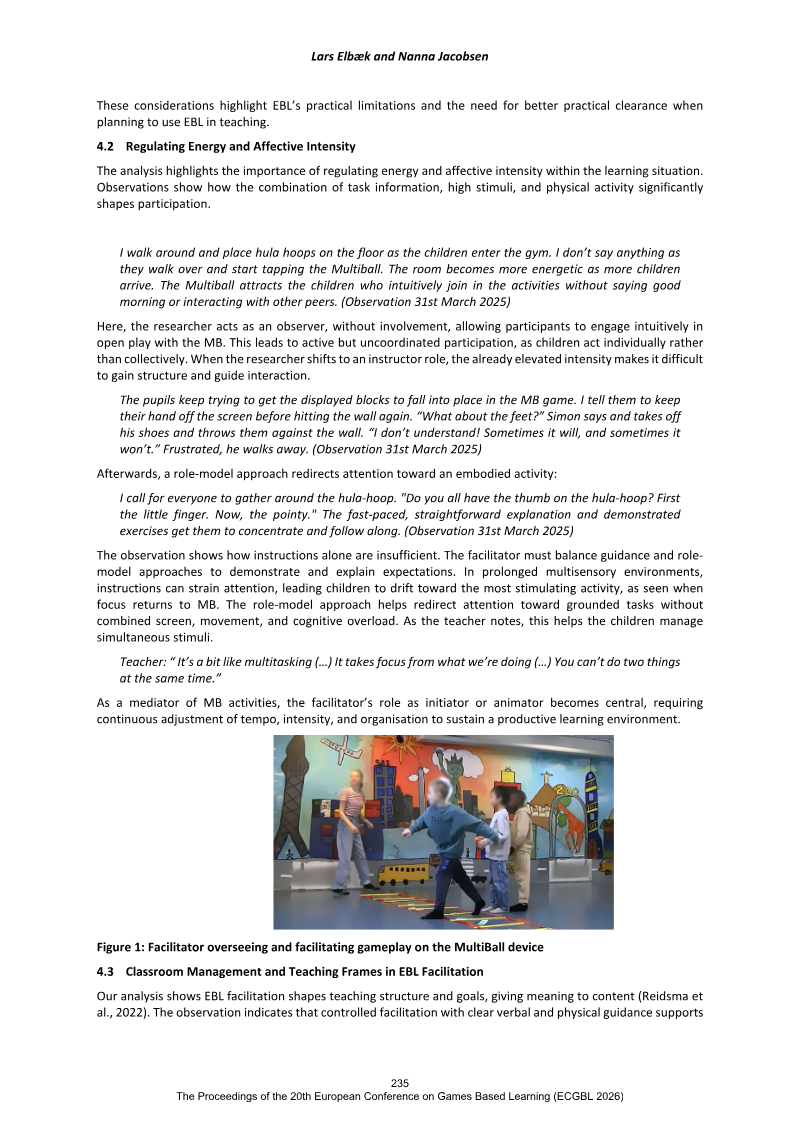
This study examines how teachers facilitate Exergame-Based Learning (EBL) in Danish early childhood education, using the MultiBall system in a qualitative single-case design.
- Learning in Exergame-Based Learning (EBL) emerges primarily from the facilitator rather than the technology itself, making strong pedagogical framing, classroom management, and skilled facilitation the decisive conditions for success.
- Teachers in the study shifted fluidly among instructor, coach, role model, and animator roles, using these shifts to connect physical movement, social participation, and academic goals.
- Regulating energy, intensity, and timing was central to outcomes, and open, unstructured facilitation tended to fragment children's attention.
Effects of Digital Escape Games on Motivation in Primary Mathematics Education
This study examines whether a digital educational escape game, built in the Genially platform and styled after Minecraft, can improve motivation and mathematical engagement among fifth-grade pupils.
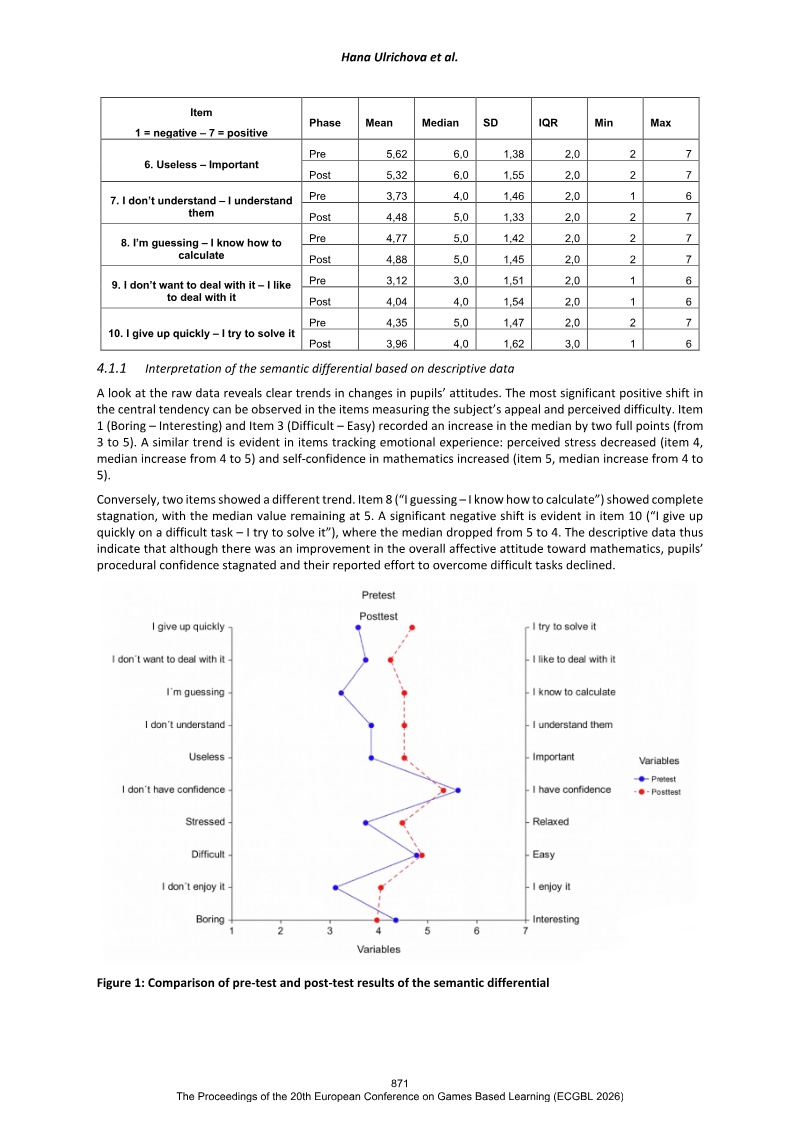
- A one-group pretest-posttest study of 25 Czech fifth-graders (18 girls, 7 boys) using a Genially-built, Minecraft-styled digital escape game across seven primary-maths topics found statistically significant positive shifts on 8 of 10 semantic differential items, with the largest, moderate-to-strong effects on perceived difficulty and appeal of mathematics.
- Pupils reported lower stress and higher self-confidence after the intervention, but perceived procedural confidence did not change.
- Willingness to persist with difficult tasks declined significantly, which the authors call a "resilience paradox" and attribute to the rapid feedback typical of escape games reducing tolerance for prolonged cognitive effort.

Designing with Unpredictable Narrators: Tensions in AI-Mediated Game-Based Learning
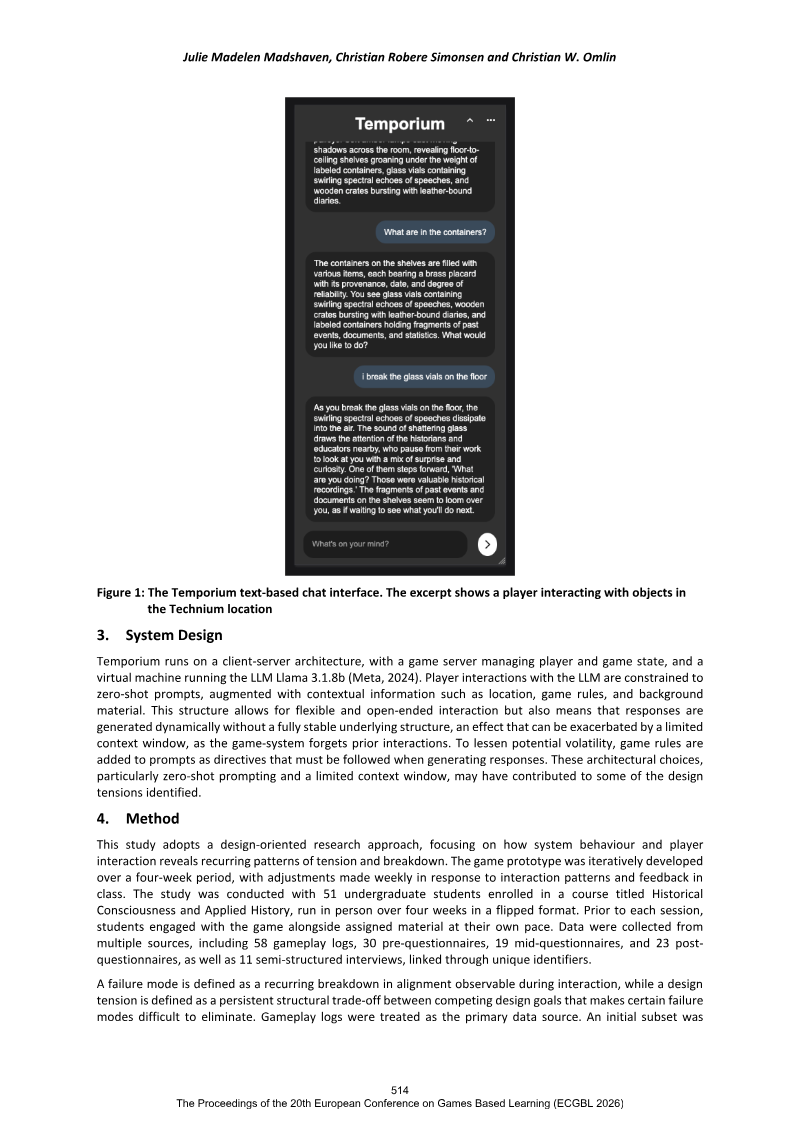
This paper examines how generative AI reshapes pedagogical control in game-based learning, using Temporium, an AI-mediated educational game in which undergraduate students engage with historical consciousness through a generative narrative agent.
- The paper argues that generative AI introduces structural design tensions, not isolated technical bugs, in game-based learning, and that interaction dynamics must be understood before learning outcomes can be meaningfully evaluated.
- Based on analysis of 58 gameplay logs from 51 students in a single university course using the AI-mediated game Temporium, the study identifies five recurring tensions: instructional steering vs. generative agency, narrative coherence vs. exploratory freedom, information availability vs. interpretive participation, adaptivity vs. consistency, and engagement vs. epistemic depth.
- Observed failures included the AI not answering questions, interpreting similar inputs inconsistently, and offering limited opportunities for deep discussion, as shown in interaction excerpts and student questionnaire responses.

A Longitudinal Experiential Learning Design for Negotiation Education Through 谈判 Megagame
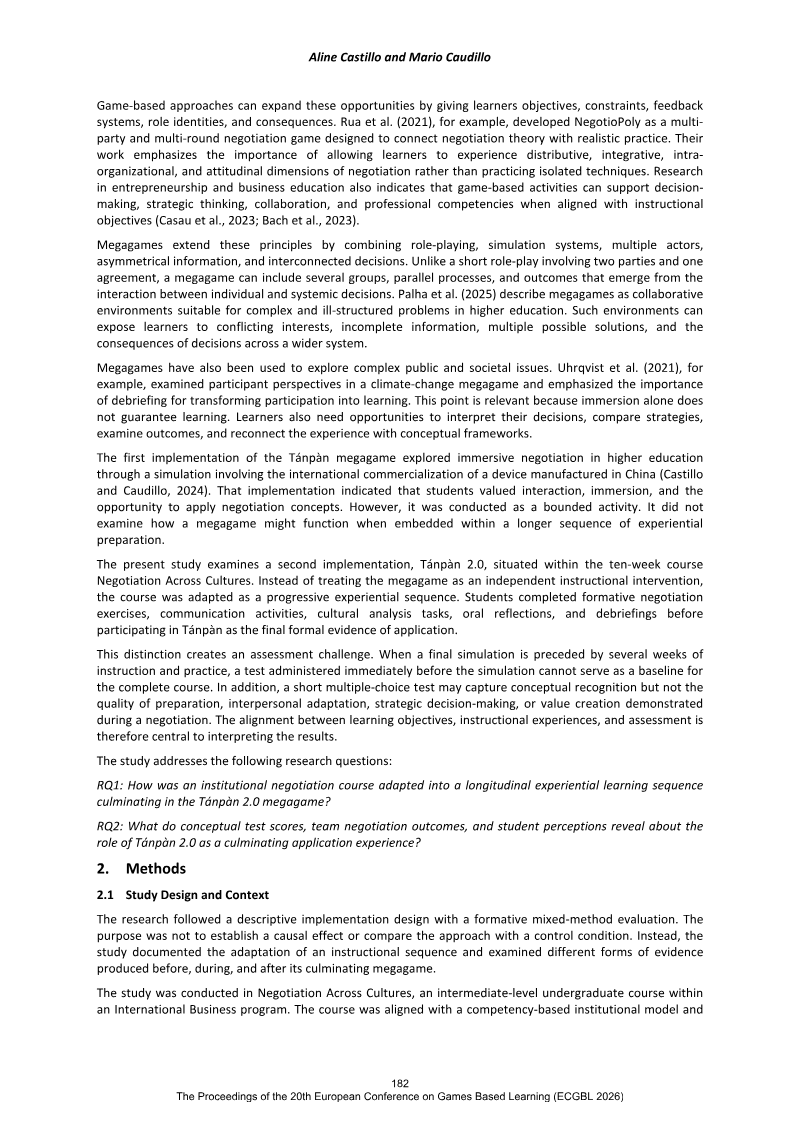
This study documents the adaptation of a ten-week undergraduate negotiation course into a longitudinal experiential learning sequence, with the Tánpàn 2.0 megagame serving as its culminating application experience.
- The ten-week negotiation course culminated in the Tánpàn 2.0 megagame, a sequential intercultural negotiation among a Chinese manufacturer, a German exporter, and an Australian commercializer, with formative simulations, role-plays, and debriefings preparing students for it.
- Conceptual test scores rose from a mean of 7.74 to 8.32 out of 9 (about a 6.43 percentage-point descriptive gain) among 19 students, but the increase was not statistically significant under either a paired t-test or a Wilcoxon signed-rank test.
- The authors attribute the non-significant result partly to high initial performance, a pretest given after eight weeks rather than at course start, and a nine-item instrument with restricted range, so the study is descriptive and formative rather than causal.



Who Tells the Better Math Story? Exploring Gen AI in a Digital Algebra Game
This study examines how primary school students aged 9 to 11 evaluate AI-generated versus self-generated stories within a digital algebra game.
- A study of 136 students aged 9 to 11 across two schools found that 58 preferred an AI-generated math story (produced by an embedded GPT-4 system called Algy) over their own, while 64 favored their own.
- Students who chose AI stories valued perceived competence, structural clarity, and reliability, whereas those who preferred their own emphasized ownership, emotional engagement, and cognitive ease.
- Students viewed the AI positively as a helper and teacher yet recognized its flaws, such as confusing content and cultural mismatches.

Lectura Maestra: Gamified Reading Strategy in Undergraduate Business Education
Lectura Maestra is a gamified reading strategy developed at Tecnologico de Monterrey's Campus Laguna School of Business to improve completion and comprehension of mandatory book-chapter readings in undergraduate business courses.
- Lectura Maestra, a gamified reading strategy at Tecnologico de Monterrey's Campus Laguna School of Business, pairs five weekly chapters with Kahoot challenges, an individual leaderboard, nine badge levels, and bonus points tied to the course's highest-weighted component.
- In the principal comparison, the Lectura Maestra cohort (Ideation, n=27) scored a mean of 77.37 on the final exam versus 67.12 for the final-exam-only cohort (Prototyping, n=26), a difference of 10.25 points.
- The difference was statistically significant by Welch's t-test (t(37.73)=2.67, p=0.011) with a Cohen's d of 0.74, and final exam scores counted only correct answers, excluding speed-weighted and bonus points.