Action-Adventure reports and market data
Documents
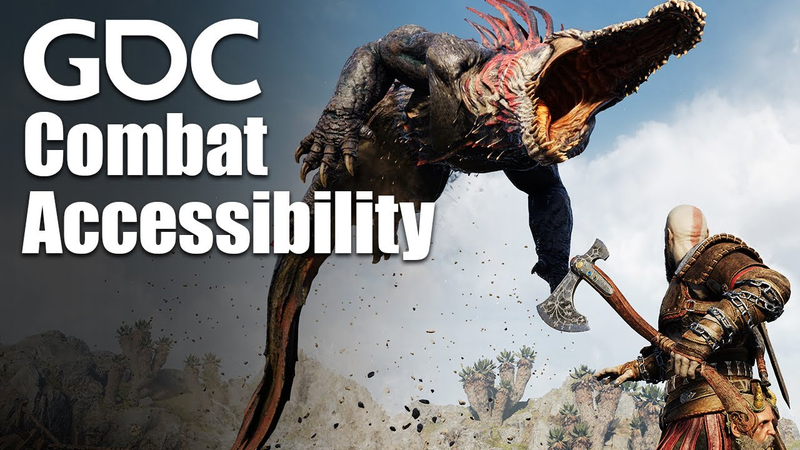
Breaking Barriers: Combat Accessibility in 'God of War Ragnarök'
The development of God of War Ragnarök prioritized the removal of unintentional barriers for players with motor and sensory disabilities, establishing a framework where accessibility features enhance rather than diminish the core combat experience.
- Accessibility features should be implemented by focusing on low-conflict, high-value tasks first, such as expanded control remapping and automating contextual traversal, to build internal confidence and demonstrate player value.
- Designers should avoid building overly specific 'assists' based on assumptions of player intent, opting instead for generic models that allow players to maintain agency, such as sub-target aim flicking that functions regardless of lock-on status.
- Accessibility features can conflict with intended design, such as mini-boss checkpoints that inadvertently trivialize combat; these should be placed in dedicated accessibility menus to ensure they are used by players who truly need them rather than those simply seeking an easier experience.
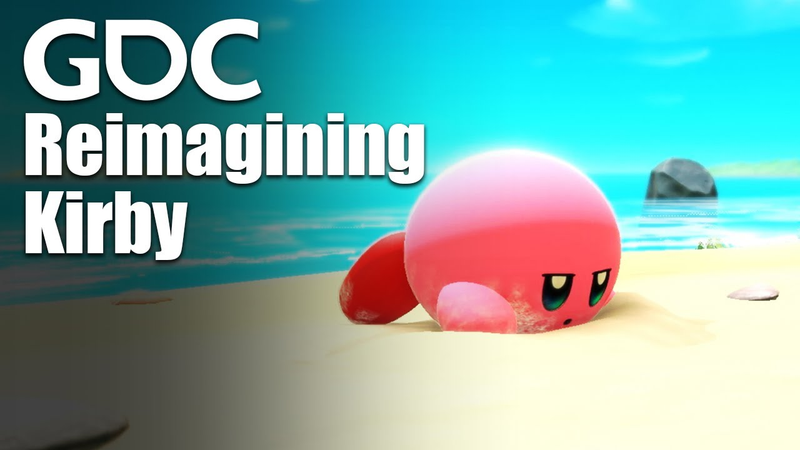
The Many Dimensions of Kirby
The Kirby franchise maintains its long-standing reputation for accessibility by meticulously bridging the gap between 2D precision and 3D exploration.
- To solve the difficulty of judging depth in 3D space, the developers implemented a 'hit-when-it-looks-like-it-should' system that registers damage even if a projectile technically misses, provided the visual alignment suggests a hit.
- The development team utilized a point-based homing system for attacks, which calculates target priority based on the character's facing direction to ensure combat remains fluid and intuitive for players.
- To maintain player focus in 3D environments, the team implemented controlled camera angles that automatically frame relevant objects and enemies within the player's field of view.
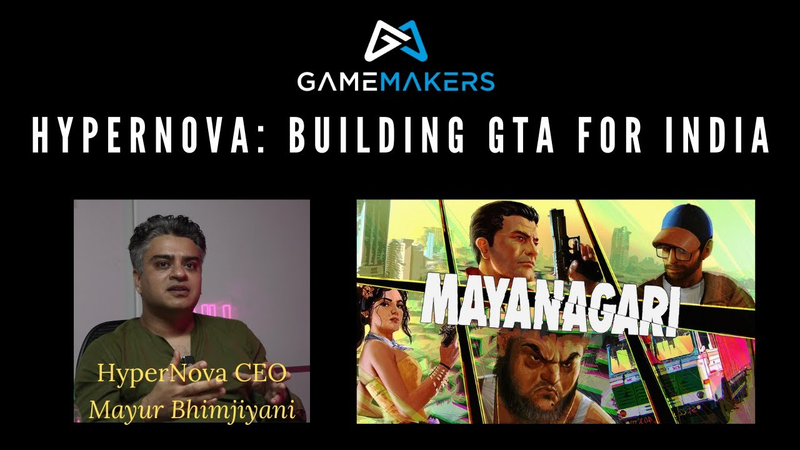
Hypernova: Overcoming Adversity & Building GTA for India!
Hypernova is spearheading the development of Mayanagari, an ambitious open-world sandbox game designed to capture the burgeoning Indian mobile gaming market.
- Hypernova is developing 'Mayanagari,' an open-world sandbox game specifically tailored for the Indian mobile market to address the lack of high-fidelity, culturally authentic local content.
- The studio is shifting from a single-player focus to a multiplayer model to drive long-term monetization through community engagement and social proof.
- Marketing efforts are centered on a creator-led strategy, having already secured partnerships with influencers who command a combined reach of over 20 million subscribers.
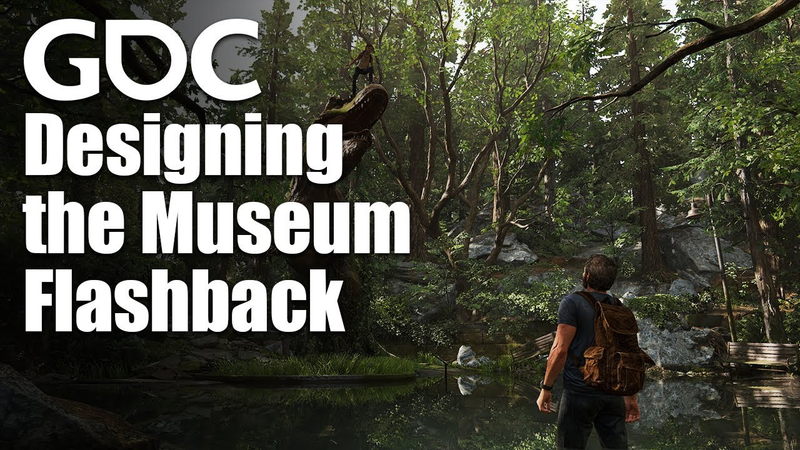
Designing the Museum Flashback: 'The Last of Us Part II'
The design of the Museum Flashback in The Last of Us Part II serves as a masterclass in integrating narrative depth with functional gameplay.
- Level design functions as a non-verbal script, using spatial layout and environmental cues to guide player behavior and emotional response without explicit instructions.
- The development process for the 'Museum Flashback' level utilized a 'playable storyboard' approach, where designers used Maya to create rough 3D block-outs to test narrative beats before committing to full production.
- Naughty Dog employed a 'strike team' of four to six developers to support the lead level designer, facilitating rapid iteration and feature development through a cycle of frequent playtesting.
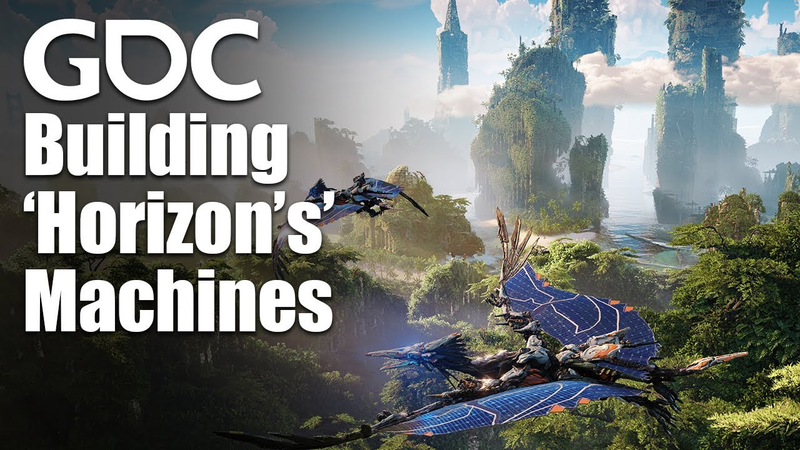
Building Machines for a Better Future in 'Horizon'
The development of the Horizon franchise relies on a sophisticated, scalable machine asset pipeline that balances creative biomimetic design with rigorous technical efficiency.
- To manage the production of complex machines for 'Horizon Forbidden West' within a four-year window, Guerrilla Games scaled their team by dividing tasks between in-house staff and multiple external outsourcing vendors.
- Guerrilla Games optimized their asset pipeline by keeping subjective tasks—such as concept creation, high-detail modeling, and final texturing—in-house, while delegating repetitive or technical tasks to outsourced partners.
- The team transitioned from hard-surface poly modeling to a ZBrush-based sculpting workflow to achieve a more organic aesthetic, utilizing a standardized library of parts to ensure visual consistency across all machines.
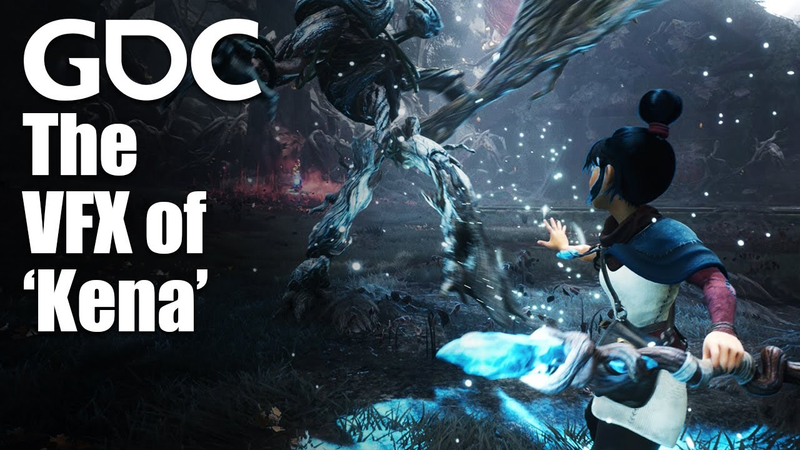
Restoring the Forest: Capturing the Themes of 'Kena' Through VFX
The development of visual effects for the action-adventure game Kena: Bridge of Spirits focused on creating a cohesive, real-time feedback system that mirrors the game’s core themes of environmental restoration and the cycle of life.
- Ember Lab implemented a top-down render target centered on the player to encode 'clean' states, allowing the game to dynamically transition landscape materials from corrupted 'Deadzone' textures to restored environments.
- To optimize performance, the team moved away from Dynamic Material Instances, which break instancing, and instead used indexed float arrays within shaders to update parameters, enabling the engine to batch draw calls for Deadzone meshes.
- The VFX pipeline uses three distinct channels in a render target: the red channel triggers the primary cleaning effect, the blue channel handles delayed plant growth to create visual variety, and the green channel provides a temporary 'overgrowth' animation boost.
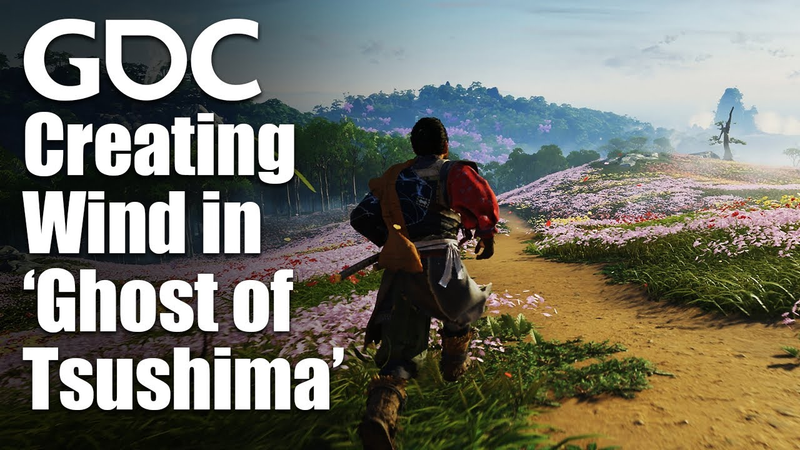
Blowing from the West: Simulating Wind in 'Ghost of Tsushima'
The development of Ghost of Tsushima required a sophisticated, performance-oriented approach to environmental simulation, specifically regarding the pervasive presence of wind.
- Sucker Punch Productions optimized Ghost of Tsushima's performance by offloading wind-driven simulations for particles, foliage, grass, and cloth entirely to the GPU using async compute shaders.
- The cloth simulation system manages up to 1,000 simultaneous simulations—totaling approximately 70,000 vertices—while consuming only 2% of the PlayStation 4 GPU's resources.
- To handle stiff materials like leather or rope without the performance cost of high-iteration spring-mass solvers, the team implemented a parallelized spring-set coloring approach to prevent thread contention.
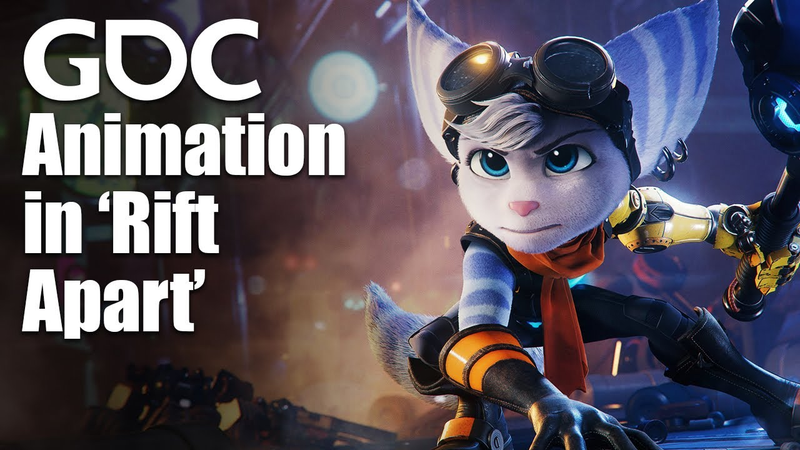
The Animated World of 'Ratchet and Clank: Rift Apart'
The development of Ratchet & Clank: Rift Apart represents a concerted effort to bridge the gap between interactive gameplay and feature-film quality animation.
- Insomniac Games achieved high-quality animation for 'Ratchet and Clank: Rift Apart' by fostering deep cross-departmental collaboration between writers and animators, allowing for creative storytelling that remained within budget constraints.
- The animation team utilized a 'previs' (pre-visualization) process entirely in 3D to plan cinematic sequences, bypassing traditional 2D storyboarding to better align with the game's technical requirements.
- To manage the production of content equivalent to two or three feature films' worth of cinematics, the team prioritized early in-game implementation to identify and resolve conflicts between narrative needs and gameplay mechanics.
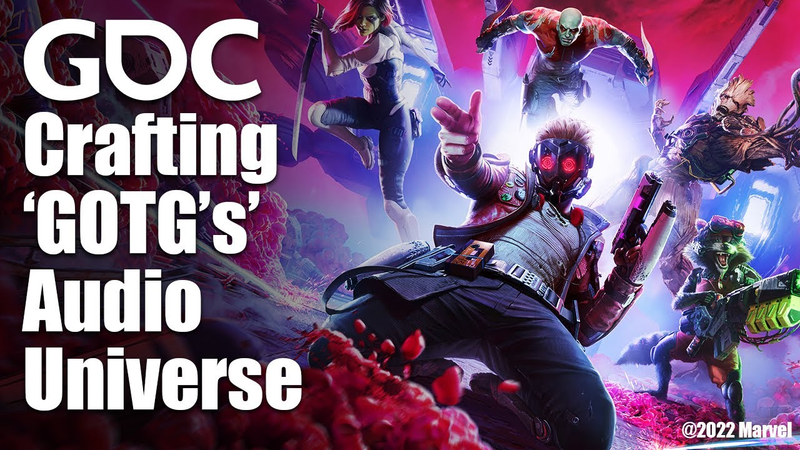
An Epic Journey through the Audio Universe that is 'Marvel's Guardians of the Galaxy'
The audio production for Marvel’s Guardians of the Galaxy serves as a blueprint for integrating high-fidelity sound design with a massive, curated musical library to drive narrative immersion.
- The audio production integrated three distinct musical layers: an original orchestral score recorded at Abbey Road Studios, a licensed 80s soundtrack, and a bespoke in-game rock album.
- The development team managed an eight-hour musical library across sixteen chapters, utilizing complex 7.1 surround sound mixes to maintain narrative immersion.
- The 'Huddle' combat system dynamically adjusts music intensity in real-time based on player performance and character bonding metrics.
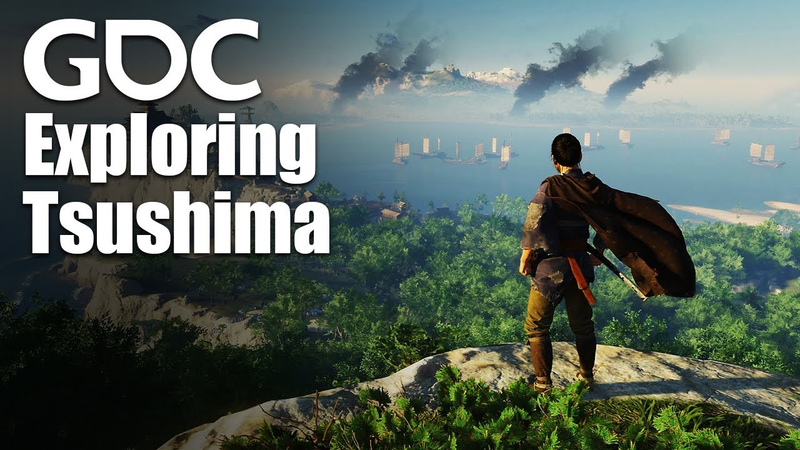
Exploration in 'Ghost of Tsushima': Letting the Island Guide You
The design philosophy behind Ghost of Tsushima centers on fostering deep player immersion by replacing traditional, intrusive user interface elements with diegetic navigation tools.
- Ghost of Tsushima replaces traditional UI elements like mini-maps and compasses with diegetic navigation to maintain player immersion and focus on the game world.
- The environment is designed to present a new point of interest or 'weenie' to the player every thirty seconds to sustain curiosity-driven exploration.
- The Guiding Wind mechanic uses natural environmental movement to direct players toward objectives, drawing inspiration from the cinematic language of Kurosawa films.
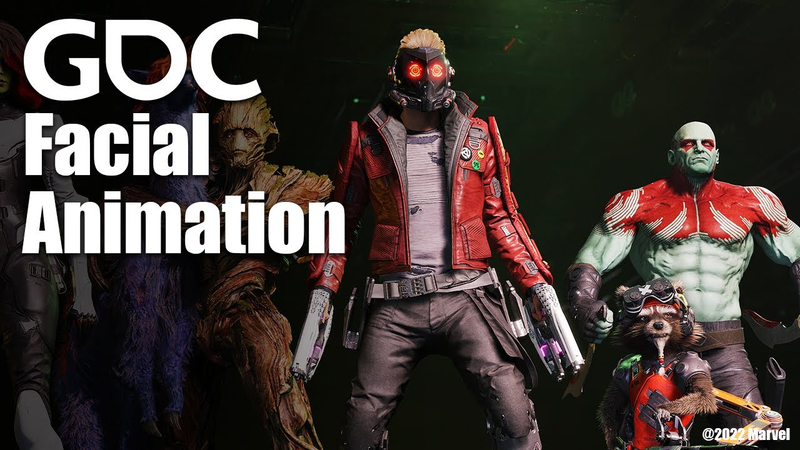
The Facial Animation Pipeline of 'Marvel's Guardians of the Galaxy'
The development of Marvel’s Guardians of the Galaxy relied on a performance-driven animation pipeline designed to deliver emotive, high-fidelity character interactions across both cinematic sequences and gameplay.
- The production team managed a massive narrative scope consisting of five hours of cinematic content and over 23,000 lines of dialogue.
- A tiered animation workflow was used to scale production, moving from machine-learning-generated 'bronze' baseline animations to 'silver' and 'gold' levels of artistic polish.
- Performance capture was conducted in-house, recording body, face, and voice data simultaneously to ensure natural chemistry between actors.
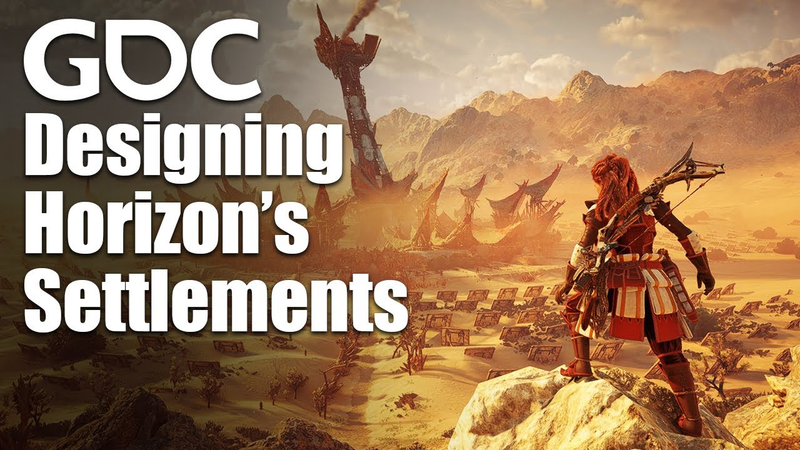
Designing the Settlements in the World of 'Horizon Forbidden West'
The design philosophy behind the settlements in Horizon Forbidden West centers on the integration of environmental storytelling with distinct cultural identities to create a cohesive, immersive world.
- Settlement design in Horizon Forbidden West prioritizes environmental storytelling by grounding architectural aesthetics in the specific histories and survival strategies of each tribe.
- The development team utilized early, iterative collaboration between artists and game designers to ensure settlements function as interactive gameplay spaces rather than static backdrops.
- The Utaru tribe’s aesthetic reflects their symbiotic relationship with nature through the use of organic materials like bamboo and weaving techniques that mimic natural growth.