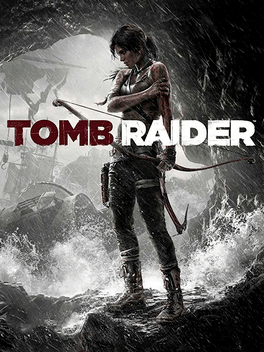
Tomb Raider
GameBy Crystal Dynamics · Released Mar 5, 2013
Documents about Tomb Raider
The Reinvention Of Tomb Raider
The reinvention of the Tomb Raider franchise centers on the strategic transformation of Lara Croft from an established icon into a vulnerable, humanized protagonist through a gritty survival-focused origin story.
- The franchise reboot achieved significant production efficiency by reducing the time required to create three hours of content from seven months to approximately two and a half months.
- Development was structured around a 'vertical slice'—a high-quality, two-hour playable segment—that served as the foundational blueprint for all subsequent core gameplay pillars.
- The studio utilized an episodic production model, organizing multi-disciplinary teams around specific gameplay mechanics to facilitate global scalability and faster output.

Art Direction Bootcamp: Creating a Believable Hero
Creating a believable hero requires a synthesis of universal narrative archetypes and grounded, iterative design.
- Character believability is achieved by grounding protagonists in human emotions like guilt and vulnerability, as demonstrated by the 2013 Tomb Raider reboot's shift from an invulnerable adventurer to a survivor.
- Visual design must function as an extension of the internal narrative, using scanned real-world materials and dynamic shaders to reflect environmental stressors like mud, blood, and weather.
- Narrative archetypes, specifically Joseph Campbell’s Hero’s Journey and Jungian archetypes, provide a thematic foundation that ensures character resonance across diverse audiences.
Raid on Rise: Narrative Creation on Rise of The Tomb Raider
The narrative development of Rise of the Tomb Raider centers on a collaborative, cross-disciplinary framework that rejects isolated creative silos in favor of studio-wide world-building.
- Crystal Dynamics utilizes a 'story pillar' framework for narrative development, centered on a three-act structure where the protagonist's character arc serves as the primary backbone of the entire experience.
- The narrative team employs a holistic tracking system using digital boards and hashtags to map out all character arcs and plot threads, allowing them to proactively manage emotional pacing and identify potential narrative logjams.
- To ensure internal consistency and world-building veracity, the team conducts deep research into historical and archaeological subjects, aiming for 'plausible Google-ability' so players can verify game elements against real-world facts.
Tomb Raider Rebooted: Audio Reimagined
The 2013 Tomb Raider reboot represents a fundamental shift in game audio design, moving away from generic, weapon-centric soundscapes toward a character-driven model rooted in Lara Croft’s emotional evolution.
- The 2013 Tomb Raider reboot shifted audio design from generic weapon-centric soundscapes to a character-driven model that mirrors Lara Croft’s psychological transition from vulnerable survivor to confident hero.
- Development teams abandoned standard asset libraries in favor of bespoke, context-specific recordings to ensure every sonic element served as a narrative pillar.
- The audio system utilized a modular, reactive architecture, including complex weapon layering—such as using rubber tubing for bow sounds—and real-time ambient ducking to maintain sonic clarity.
Companies behind it
 Embracer Groupdeveloper168
 Amazondeveloper, publisher337
- Amazon Game Studiosdeveloper11
- Crystal Dynamicsdeveloper18
As the documents state it.