The Legend of Zelda: Ocarina of Time
9 documents in the library are about The Legend of Zelda: Ocarina of Time, from writers such as The Game Business, Nintendo and Game Developers Conference, the newest from 2026. Each has a summary and key insights with the page they come from.

The Legend of Zelda: Ocarina of Time is the fifth main installment of The Legend of Zelda series and the first to be released for the Nintendo 64. It was one of the most highly anticipated games of its age, and is listed among the greatest video games ever created by numerous websites and magazines. The gameplay of Ocarina of Time was revolutionary for its time, it has arguably made more of an impact on later games in the series than any of its predecessors even though they had the same cores of exploration, dungeons, puzzles and item usage. Among the gameplay mechanics, one of the most noteworthy is the time-traveling system. The game begins with the player controlling the child Link, but later on an adult Link becomes a playable character as well and each of them has certain unique abilities. Ocarina of Time also introduces the use of music to solve puzzles: as new songs are learned, they can be used to solve puzzles, gain access to new areas and warp to different locations. Dungeon exploration is somewhat more puzzle-oriented than in earlier games but they are not too complex.
- Released
- Nov 21, 1998
- Developer
- Nintendo Entertainment Analysis & Development
- Publishers
- Nintendo, Gradiente, iQue
- Genres
- Puzzle, Adventure
- Platforms
- Wii, Nintendo 64, 64DD, Wii U
- Links
- Official site, Wikipedia
Game data from IGDB.com
Documents about The Legend of Zelda: Ocarina of Time
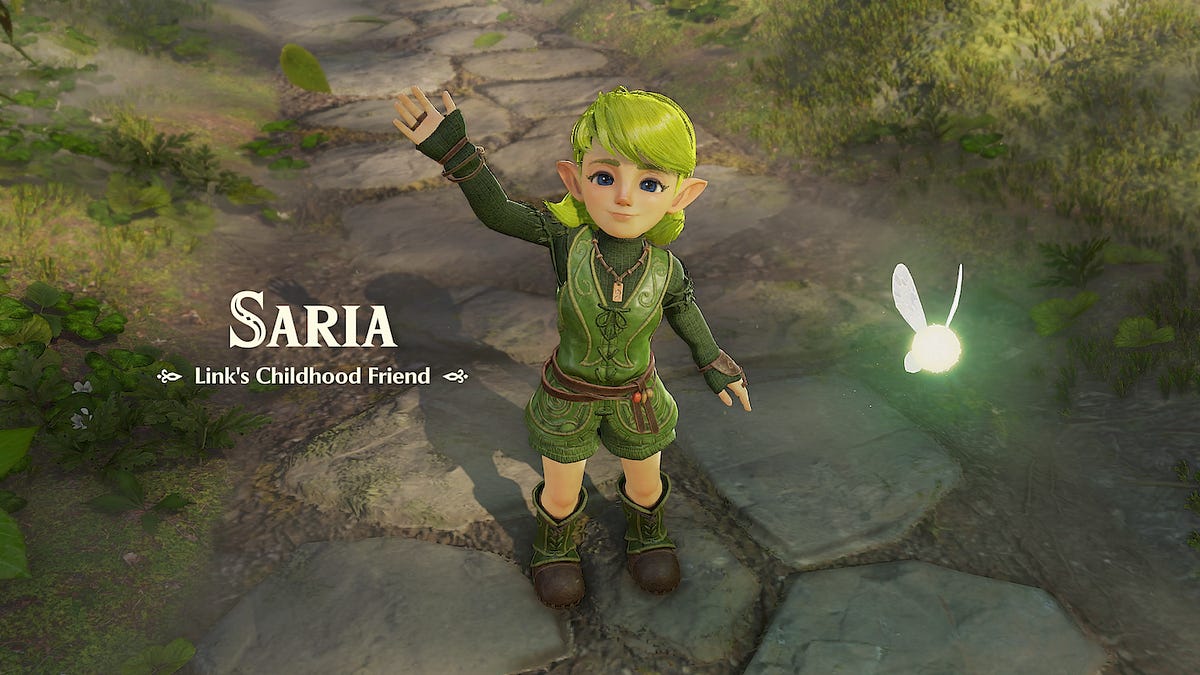
How the Zelda Ocarina of Time Remake Changes the Classic Game’s Script
The 2026 remake of The Legend of Zelda: Ocarina of Time for the Nintendo Switch 2 introduces significant revisions to the game’s original script, marking a departure from the dialogue established in the 1998 original and the 2011 3DS version.
- Nintendo is releasing a remake of The Legend of Zelda: Ocarina of Time for the Switch 2 on November 5, 2026.
- While the core gameplay, dungeons, and quest structure remain faithful to the 1998 original, the remake features overhauled graphics and updated controls, including manual camera movement and a dedicated jump button.
- Producer Eiji Aonuma stated that the remake includes significant additions to the game's script to enhance character personality.
The Legend of Zelda: Ocarina of Time and GTA 6: The video game industry’s Barbenheimer moment
The simultaneous anticipation surrounding the upcoming remake of The Legend of Zelda: Ocarina of Time and the impending launch of GTA 6 represents a pivotal cultural moment for the gaming industry.
- The simultaneous anticipation for the Ocarina of Time remake and GTA 6 serves as a primary catalyst for market engagement, mirroring major industry showcases.
- The gaming industry is experiencing cyclical volatility, marked by significant layoffs in North America contrasted with growth in the Asia-Pacific region.
- Studios are shifting development strategies by balancing cost-effective outsourcing with the need for local talent retention and cultural alignment.
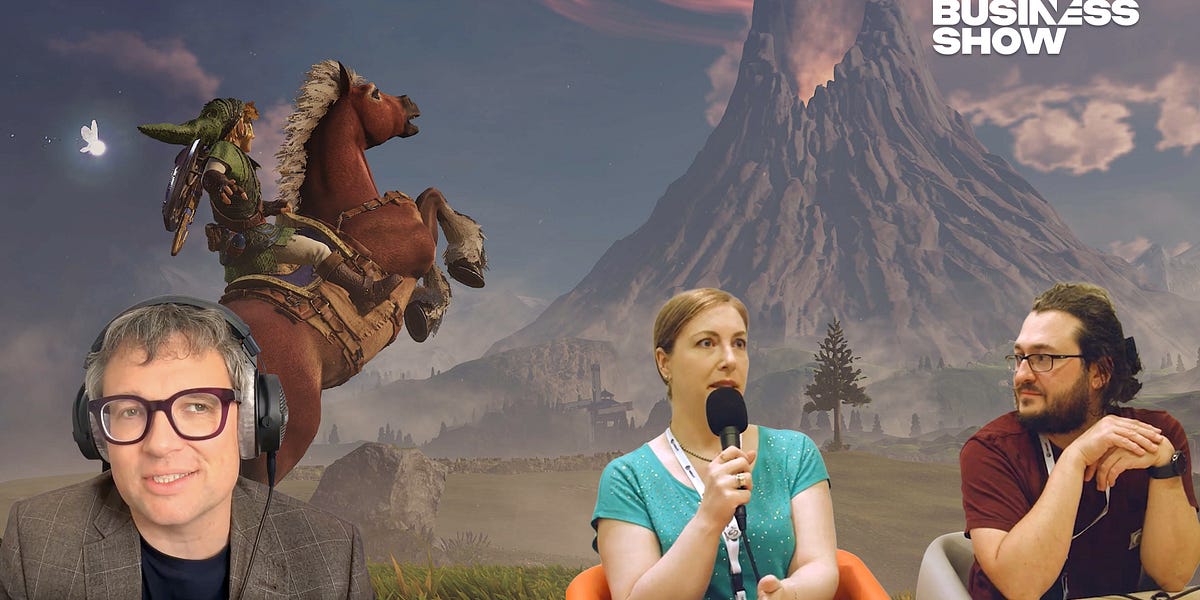
The Legend of Zelda: Ocarina of Time and GTA 6: The Video Game Industry’s Barbenheimer Moment
The simultaneous November releases of the The Legend of Zelda: Ocarina of Time remake and Grand Theft Auto 6 represent a pivotal moment for the global console market, functioning as a cultural phenomenon that is expected to drive substantial hardware engagement.
- The Zelda Nintendo Direct reveal reached 2.1 million peak viewers, significantly outperforming the 1 million peak for the recent PlayStation State of Play and the 2 million peak for Gamescom Opening Night Live.
- The GTA 6 reveal remains the industry benchmark for engagement, drawing 4.1 million peak viewers on YouTube, excluding Netflix platform data.
- Ubisoft has launched a 'Player Council' initiative that incentivizes users to provide feedback on prototypes and future updates in exchange for access to confidential projects and deeper development insights.
The Legend of Zelda: Ocarina of Time Remake and the Most Anticipated Games of 2026
The gaming industry landscape for 2026 is defined by a tension between established legacy franchises and the overwhelming market dominance of upcoming blockbuster releases.
- The Legend of Zelda: Ocarina of Time remake is projected to be the most anticipated game of 2026, excluding Grand Theft Auto 6, due to its status as one of the highest-rated games of all time and its potential appeal to a new generation of Zelda fans.
- The upcoming Ocarina of Time remake is expected to be a one-to-one remake, similar to the 3DS remaster which sold 6.4 million units, rather than a redesigned game like Breath of the Wild or Tears of the Kingdom.
- Modern Warfare 4 is scheduled for release on October 23rd, just under a month before Grand Theft Auto 6, and is a key title for Activision Blizzard and Microsoft's strategy to focus on core franchises.

The Legend of Zelda: Ocarina of Time remake is the most anticipated game of 2026 (that isn’t GTA)
The 2026 gaming landscape is defined by a tension between the enduring appeal of legacy intellectual property and the evolving expectations of modern players.
- The remake of The Legend of Zelda: Ocarina of Time is the most anticipated non-GTA title of 2026, with projected sales of approximately 10 million units.
- The industry is experiencing structural instability, evidenced by inconsistent financial performance where some publishers report growth while others face year-over-year declines and workforce reductions.
- Long-term engagement remains a viable commercial strategy, highlighted by Human: Fall Flat reaching 60 million units sold a decade after its initial release.
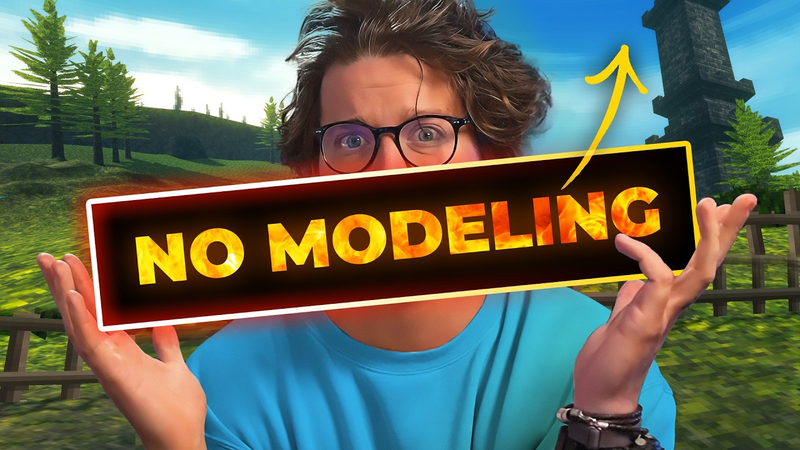
Making A 3D Game Is Way Easier Than You Think (Retro 3d Game)
The process of developing a retro-style 3D game, specifically one capturing the aesthetic of late-1990s titles like The Legend of Zelda: Ocarina of Time, can be achieved efficiently without advanced 3D modeling skills.
- Retro-style 3D games can be developed without traditional modeling skills by utilizing free assets, basic geometric primitives in Unity, and simple texture mapping.
- Visual cohesion in retro games is achieved by manually color-matching assets—such as grass, dirt, and water—to a unified palette and using a consistent skybox.
- To achieve a retro aesthetic, developers can apply post-processing effects like posterization to reduce color depth and use pixelation filters on textures to mimic early 2000s graphics.
Shigeru Miyamoto's 1999 GDC Keynote
The evolution of interactive entertainment necessitates a fundamental shift in how developers approach game design, moving away from purely technical engineering toward a discipline that balances artistic vision with hardware constraints.
- Game developers must balance artistic vision with a granular understanding of hardware constraints, such as memory maps and processing limitations, to ensure concepts are realistically implementable.
- Prioritizing functional, engaging gameplay over graphical fidelity or narrative complexity is essential to avoid common development pitfalls.
- The development of The Legend of Zelda: Ocarina of Time utilized a modular team structure to conduct targeted experiments in 3D movement, camera systems, and real-time processing.
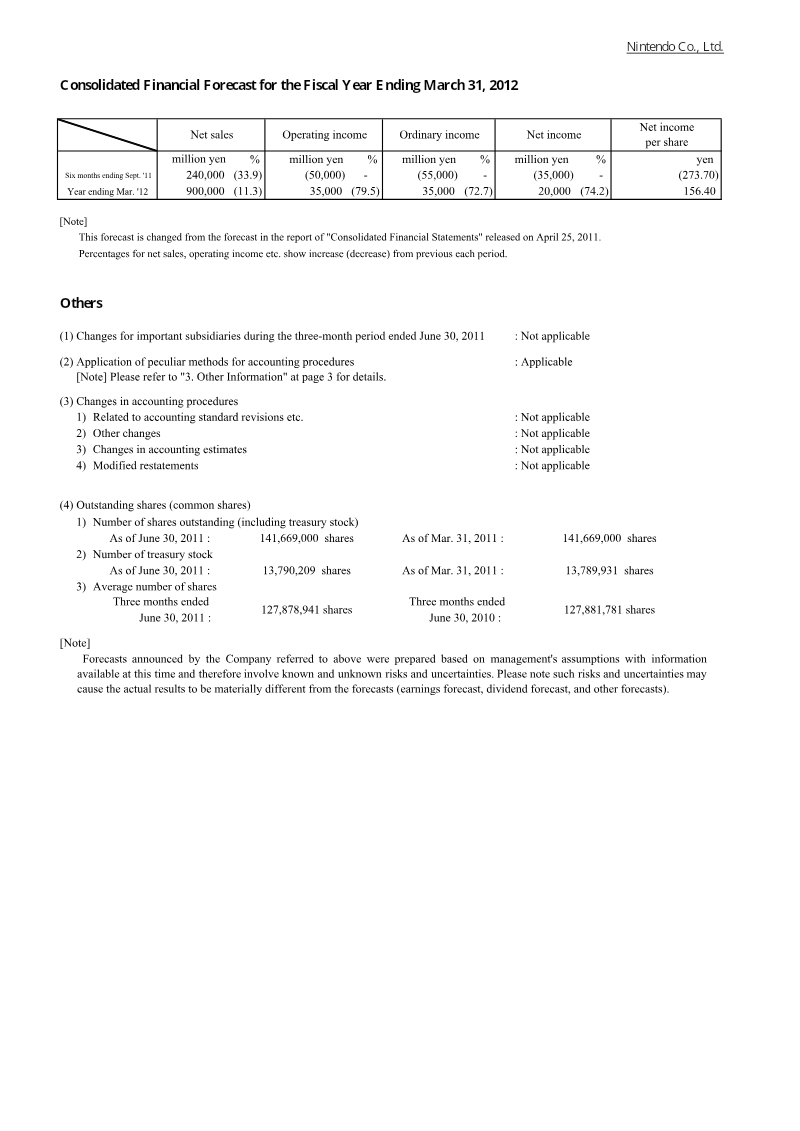
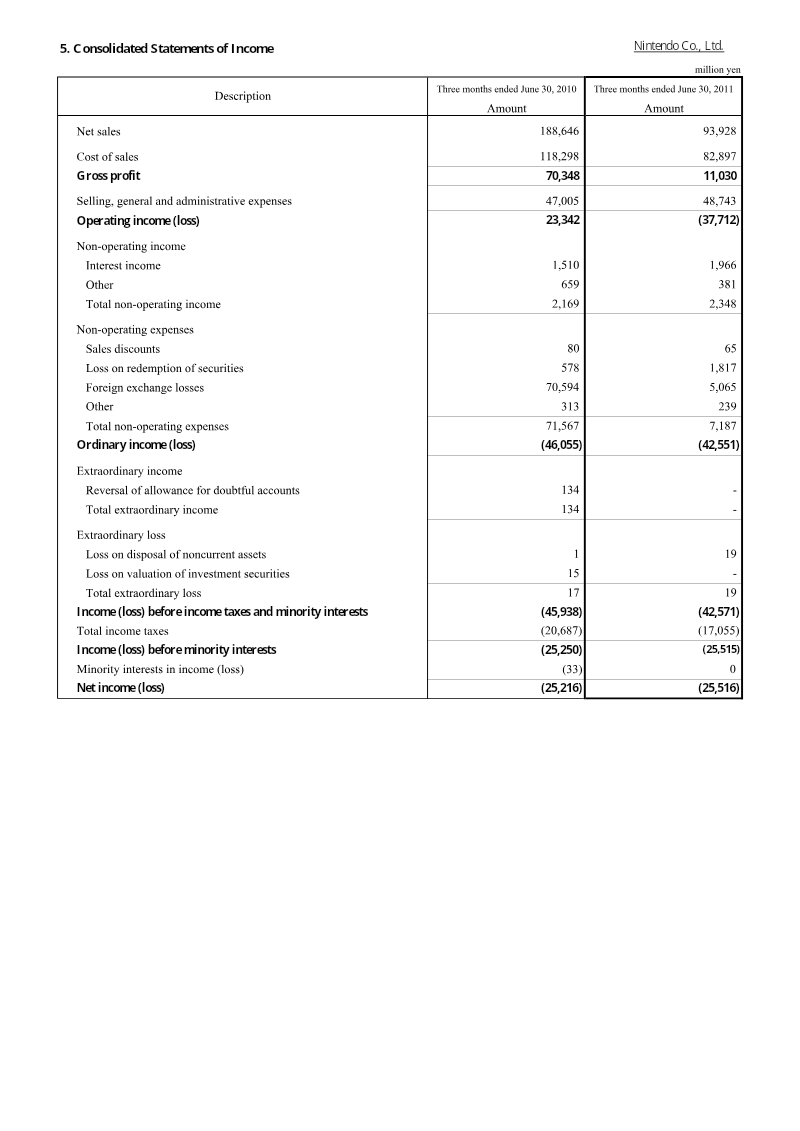
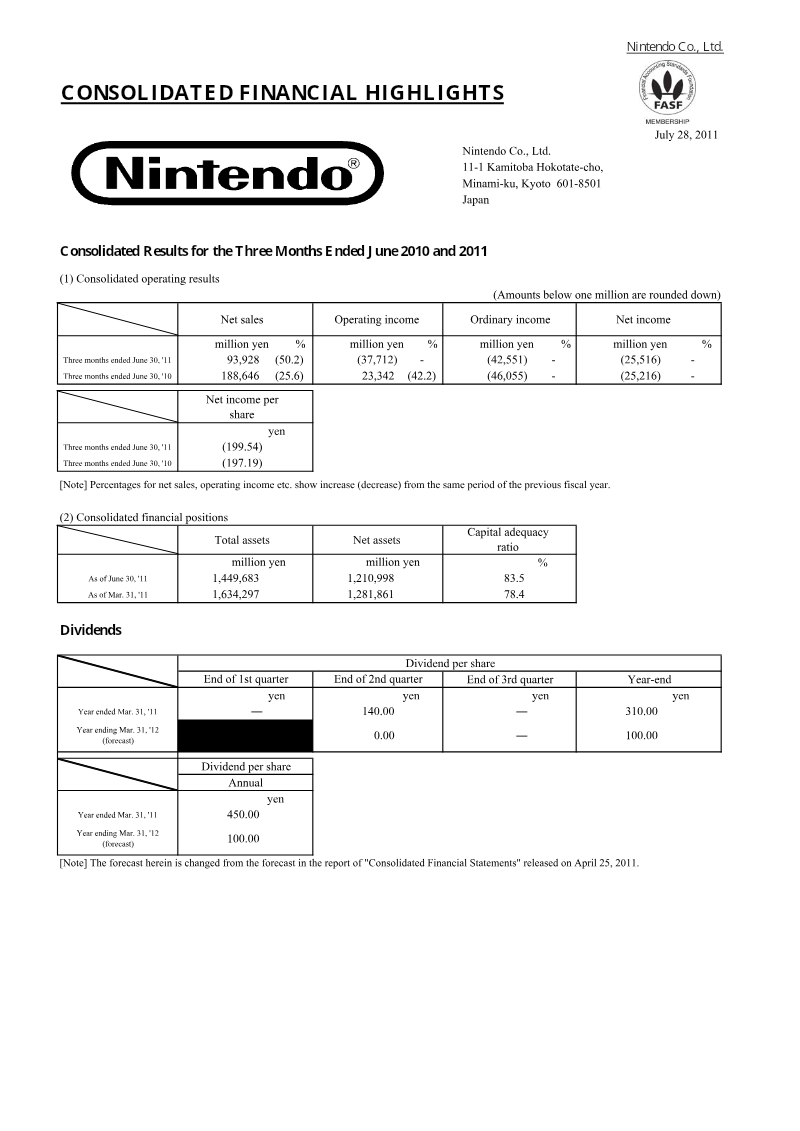
Consolidated Results for the Three Months Ended June 2011
Nintendo’s consolidated financial results for the three months ended June 30, 2011, reflect a period of significant contraction and operational loss.
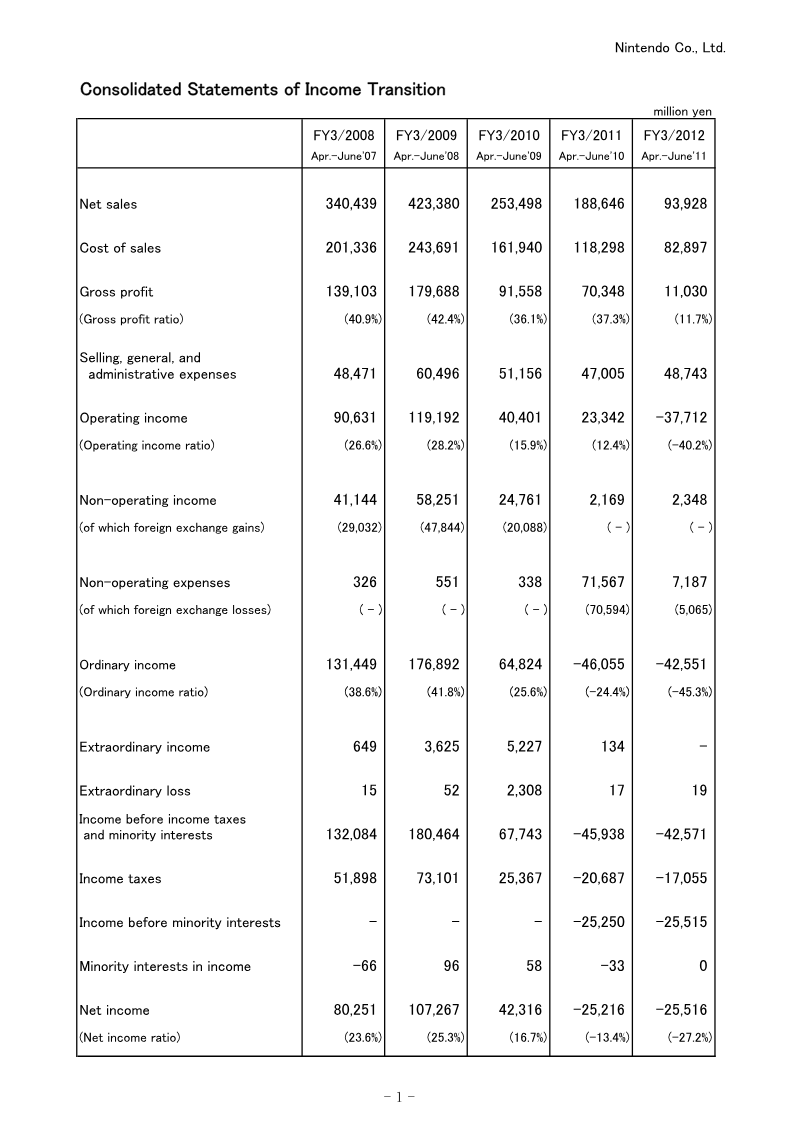
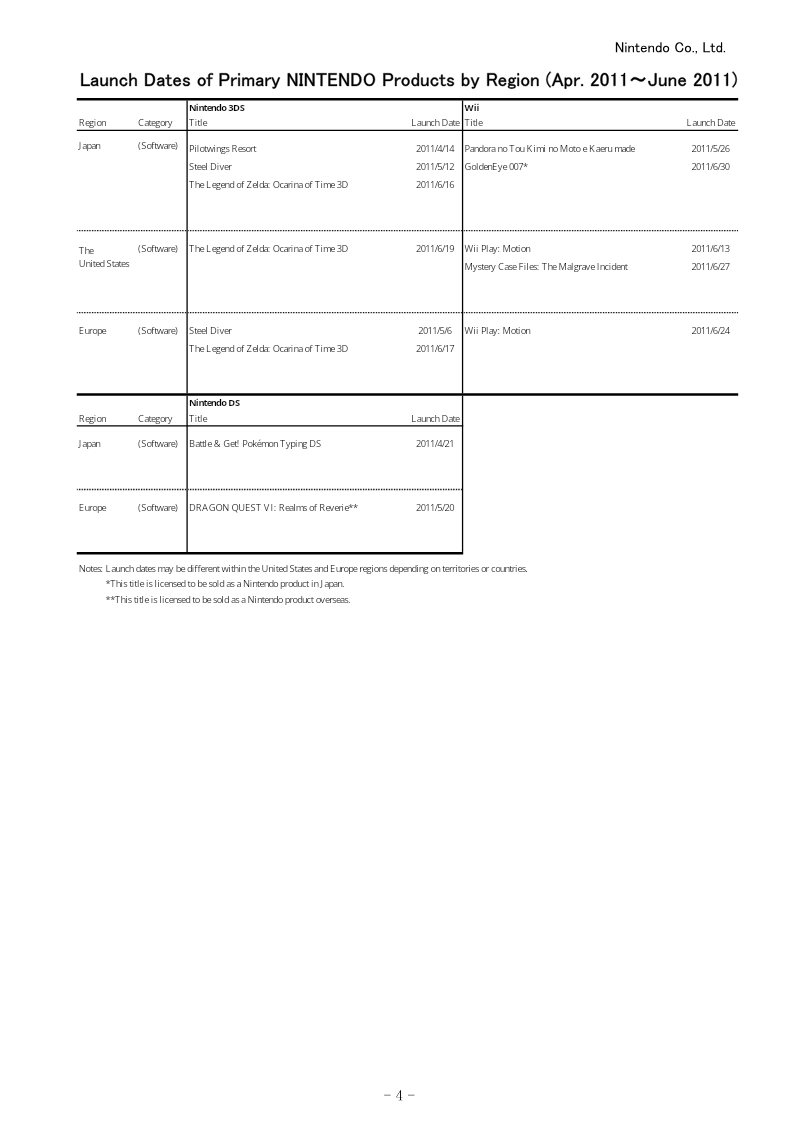

Financial Results Briefing for the Three-Month Period Ended June 2011: Supplementary Information
The financial results for the three-month period ending June 2011 reflect a challenging fiscal start for Nintendo, characterized by a significant contraction in net sales and a shift into operating losses.