ArticleThe Game Business
The Legend of Zelda: Ocarina of Time Remake and the Most Anticipated Games of 2026
30 Jul 20261 pages~67 min full read
Key insights
8 slides
Key number
Ocarina of Time remake is 2026's most anticipated game.
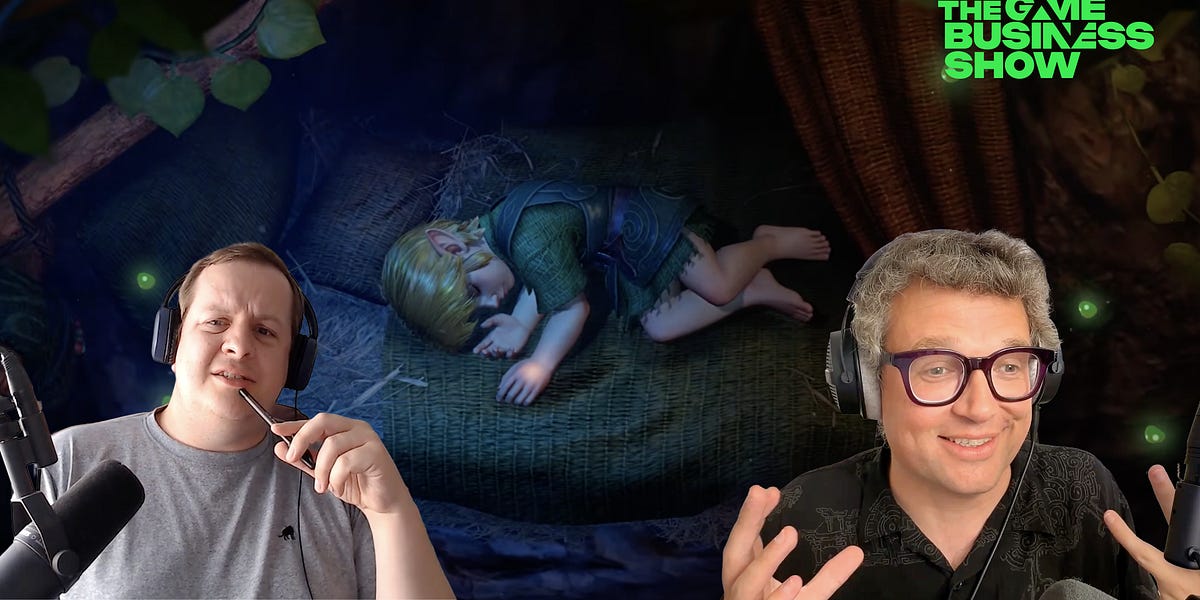
The remake is projected to be the most anticipated game of 2026, excluding Grand Theft Auto 6. It serves as Nintendo's primary strategic bet.
most anticipated
Ocarina of Time remake, excluding Grand Theft Auto 6
What changed
The remake is expected to be a one-to-one remake.
The upcoming Ocarina of Time remake is expected to be a one-to-one remake, similar to the 3DS remaster. It is not a redesigned game like Breath of the Wild.
6.4 million
3DS remaster units sold
The rising bill
Call of Duty experienced a 50 percent decline in European launch sales.
The struggling Call of Duty franchise experienced a 50 percent decline in European launch sales for its latest iteration. Market volatility remains a defining characteristic of the current period.
What changed
Steam wishlist trends indicate a preference for indie titles.
Steam wishlist trends indicate a distinct preference for indie titles and new intellectual properties. This diverges from the console-centric focus on massive blockbusters.
Key number
Star Wars Galactic Racer has 44.3 million trailer views.
Star Wars Galactic Racer, a UK-made game, has garnered significant attention with 44.3 million trailer views and 121 million video views. It ranks highly on IGN's wishlist.
What changed
Hasbro recorded a $56 million impairment charge due to video game investments.
Wizards of the Coast's owner Hasbro recorded a $56 million impairment charge due to video game investments.
What changed
Modern Warfare 4 is scheduled for release on October 23rd.
Modern Warfare 4 is scheduled for release on October 23rd, just under a month before Grand Theft Auto 6. It is a key title for Activision Blizzard and Microsoft.
What changed
Game Freak is releasing a new Japanese RPG called Beast of Reincarnation.
Game Freak is releasing a new Japanese RPG called Beast of Reincarnation next week. It is backed by Xbox and will be available day one on Game Pass.
1 / 8
Ask AI about this report