Super Mario Bros. 3
Game
3 documents in the library are about Super Mario Bros. 3, from writers such as DiGRA and Game Developers Conference. Each has a summary and key insights with the page they come from.
Connections
Each row is a game or company named alongside Super Mario Bros. 3, each column a document, oldest first. A mark means that document names it. Select a row to see those documents.
Documents about Super Mario Bros. 3
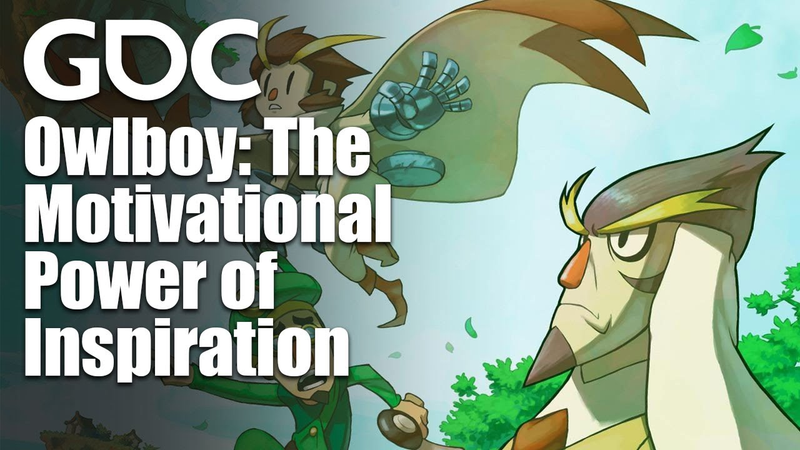
Owlboy: The Motivational Power of Inspiration
The nine-year development cycle of the indie title Owlboy serves as a case study for the critical role of sustained creative inspiration in long-term game production.
- Maintaining long-term motivation over a 9-year development cycle requires a team-wide commitment to a core vision, even when faced with significant financial hurdles and the need for secondary employment.
- Design inspiration can be sourced by internalizing experiences from other media, such as architectural elements observed during travel, and by allowing the mind to wander during periods of boredom.
- Iterative design is more effective when moving from small, rough sketches to pixel art sprites, which helps developers focus on essential shapes and silhouettes rather than getting stuck on minute details.
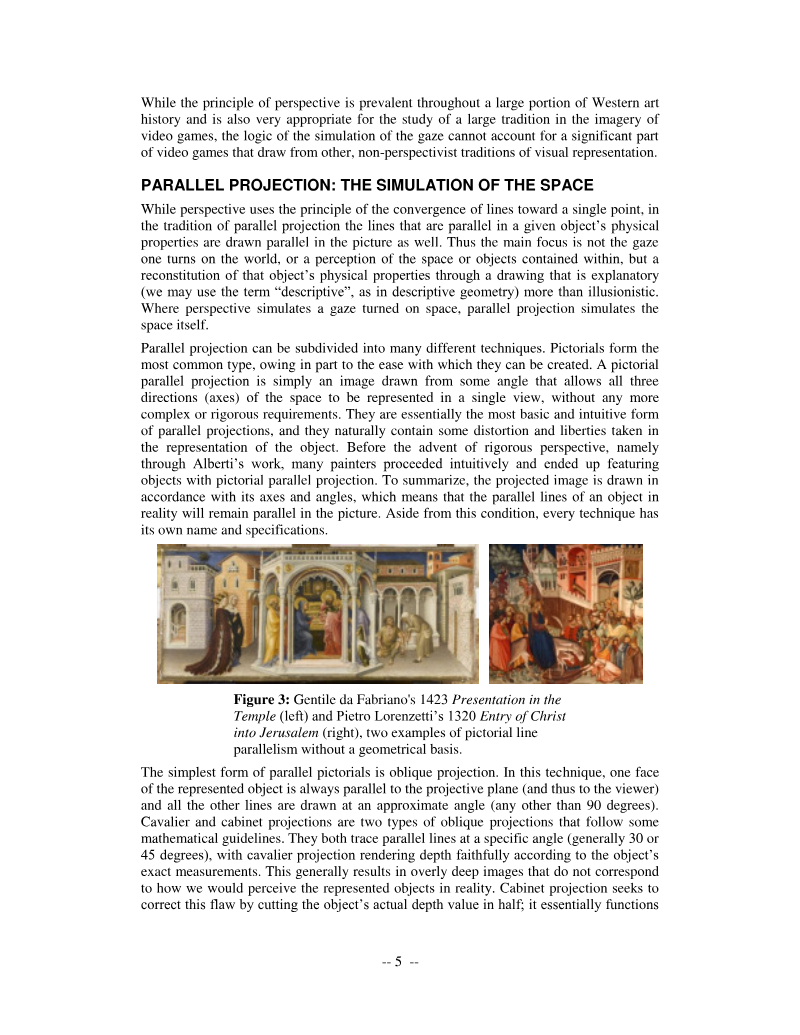
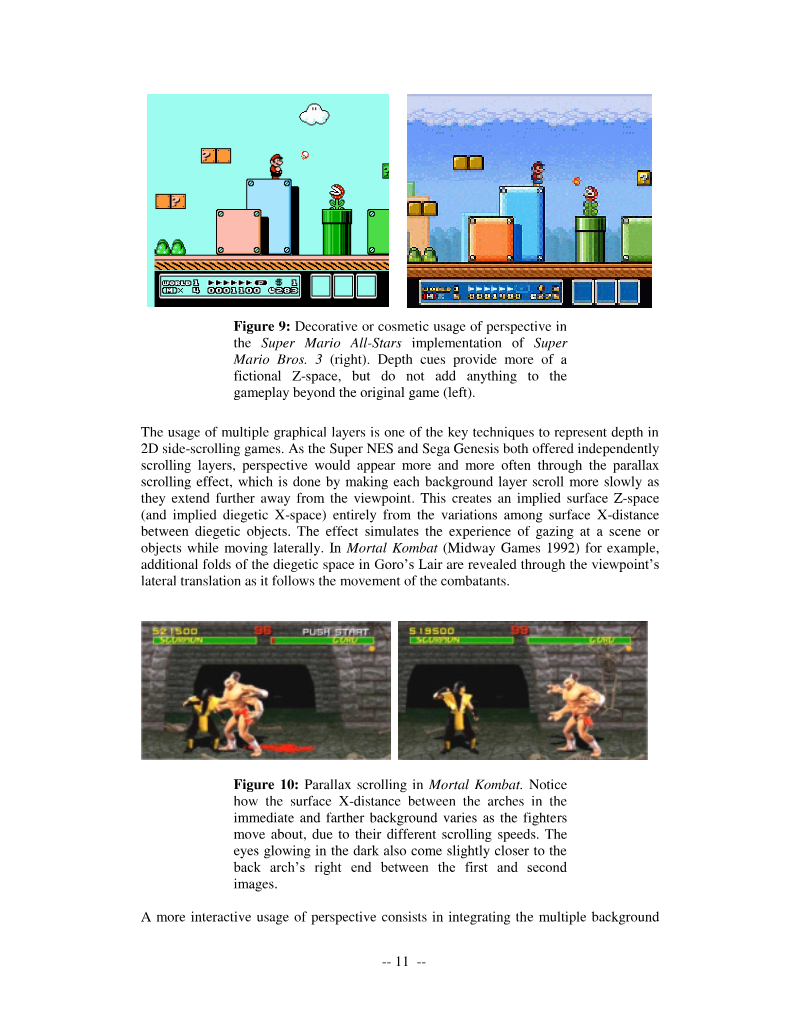
From Euclidean Space to Albertian Gaze: Traditions of Visual Representation in Games Beyond the Surface
This paper argues that the visual analysis of video games has been dominated by perspective, the mathematical "simulation of the gaze" descended from Alberti, and that this emphasis obscures the wider repertoire of representational traditions games actually draw on.
Schematically Disruptive Game Design
Peter Howell's DiGRA 2011 paper introduces "Schematically Disruptive Game Design," a framework for games that intentionally defy players' learned gameplay expectations instead of conforming to them.