Star Wars Jedi: Fallen Order
5 documents in the library are about Star Wars Jedi: Fallen Order, from writers such as Game Dev Unchained, Game Developers Conference and Game World Observer, the newest from 2021. Each has a summary and key insights with the page they come from.
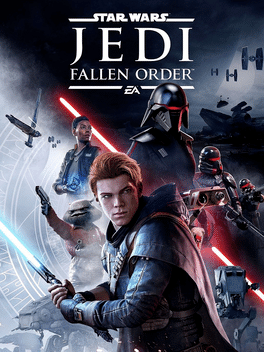
Star Wars Jedi: Fallen Order is a narratively driven, single-player game puts you in the role of a Jedi Padawan who narrowly escaped the purge of Order 66 following the events of Episode III: Revenge of the Sith. On a quest to rebuild the Jedi Order, you must pick up the pieces of your shattered past to complete your training, develop new powerful Force abilities and master the art of the iconic lightsaber - all while staying one step ahead of the Empire and its deadly Inquisitors.
- Released
- Nov 15, 2019
- Developer
- Respawn Entertainment
- Publisher
- Electronic Arts
- Genres
- Adventure
- Platforms
- Google Stadia, Xbox Series X|S, PlayStation 4, PC (Microsoft Windows), PlayStation 5, Xbox One
- Links
- Official site, Wikipedia
Game data from IGDB.com
Documents about Star Wars Jedi: Fallen Order
IP, Games, & The Future of Transmedia
Transmedia storytelling represents a strategic evolution in how entertainment companies leverage intellectual property by dispersing narrative elements across multiple platforms to create a unified experience.
- Transmedia storytelling requires dispersing integral narrative elements across multiple platforms to create a unified experience, rather than simply repeating the same story across different media.
- Gaming is a critical transmedia channel because it captures significant consumer attention, with entertainment consumption increasing 12% during the pandemic and gaming specifically seeing 30% growth.
- Successful transmedia relies on the 'three C’s': characters (narrative importance), convenience (delivering content where audiences are), and community (connecting fans through social tools and platforms).
Electronic Arts’ Earnings From Star Wars Games Top $3 Billion
Electronic Arts has undergone a significant corporate transformation, transitioning from a publicly traded entity to a private company following a $55 billion acquisition.
- Electronic Arts has been acquired by an investor group led by the Saudi Arabian Public Investment Fund (PIF) in a $55 billion deal, marking the largest leveraged buyout in gaming history.
- As part of the acquisition, EA has delisted from the NASDAQ and returned to being a private company after nearly 40 years of public trading.
- The ownership structure of the newly private EA consists of 93.4% held by the PIF, 5.5% by Silver Lake, and 1.1% by Affinity Partners.
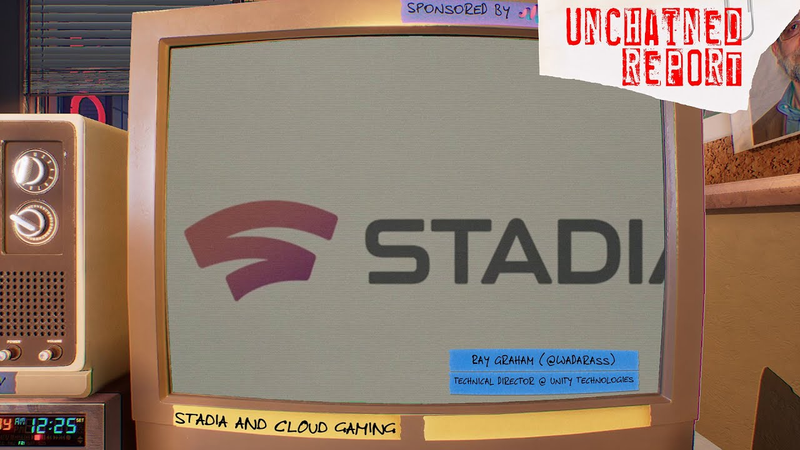
Stadia and Cloud Gaming | Unchained Report
Stadia’s market entry and long-term viability as a cloud gaming platform face significant skepticism due to a lackluster content strategy and a poorly executed launch.
- Stadia’s long-term viability is threatened by a lack of exclusive, high-caliber first-party content that differentiates it from established console ecosystems.
- The platform currently lacks a 'killer app' that leverages unique cloud-native features, such as deep YouTube integration, to justify its existence as a fourth console competitor.
- Stadia’s library is perceived as weak because it relies heavily on older, previously played titles rather than the deep, established catalogs offered by competitors like Microsoft and Sony.
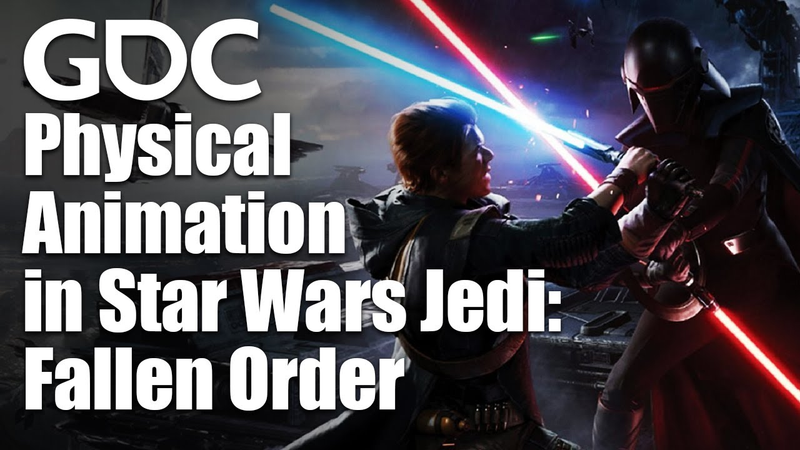
Physical Animation in Star Wars Jedi: Fallen Order
Star Wars Jedi: Fallen Order integrates physical animation to bridge the gap between authored character poses and dynamic physics simulations.
- Star Wars Jedi: Fallen Order utilizes a hybrid animation system that blends authored poses with dynamic physics simulations to eliminate geometry clipping and improve movement fluidity.
- The system employs motors, velocity-based drives, and custom constraints to ensure characters maintain natural, physically grounded presence during complex actions.
- Combat interactions for NPCs, such as force-pulls and death sequences, use intelligent transitions to freefall ragdoll states when obstacles are detected.
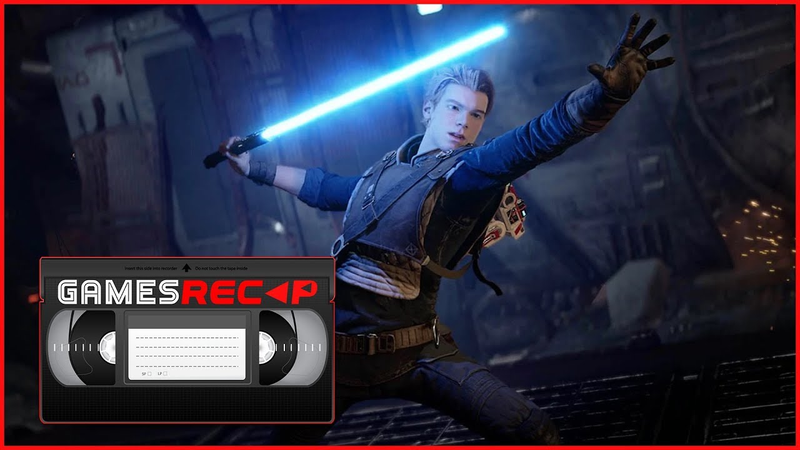
Jedi Fallen Order Not So Bad | Games ReCAP Episode 006
Star Wars Jedi: Fallen Order suffers from a fundamental disconnect between its source material and its execution.
- The gaming industry is shifting away from traditional annual sequel models, such as those seen in Call of Duty, toward persistent games-as-a-service models that prioritize long-term evolution and player mastery.
- Star Wars Jedi: Fallen Order is criticized for a disconnect between its source material and gameplay, specifically failing to capture the tension of lightsaber combat through its reliance on arcade-style mechanics.
- High-quality single-player titles like Elden Ring and God of War remain industry pillars, demonstrating that strong brand reputation is a primary driver of commercial success.