Puzzle & Dragons
Game
Documents about Puzzle & Dragons
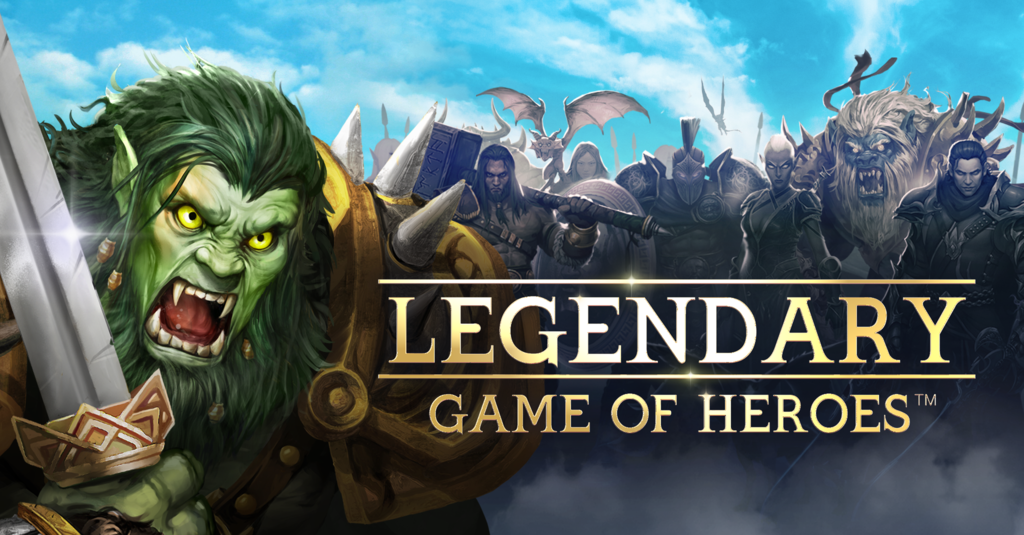
Legendary: Game of Heroes - A Master Class in Live Operations
The mobile title Legendary: Game of Heroes serves as a primary case study for effective live operations in the match-3 RPG genre.
- Legendary: Game of Heroes achieved consistent month-over-month growth for over 18 months by utilizing a highly sophisticated live operations model that outperformed established competitors like Puzzle & Dragons and Marvel Puzzle Quest.
- The core weekly event loop centers on Slayer and Commander events, where players defeat scaling bosses to earn rewards, driving engagement through a combination of individual league-based leaderboards and global guild rankings.
- Monetization is driven by an aggressive content treadmill featuring weekly 'step gacha' packs, which guarantee specific hero cards at defined steps (e.g., a 3 hero at step 2 and a 5 hero at step 6) to create both low-level currency sinks and high-level spending incentives.
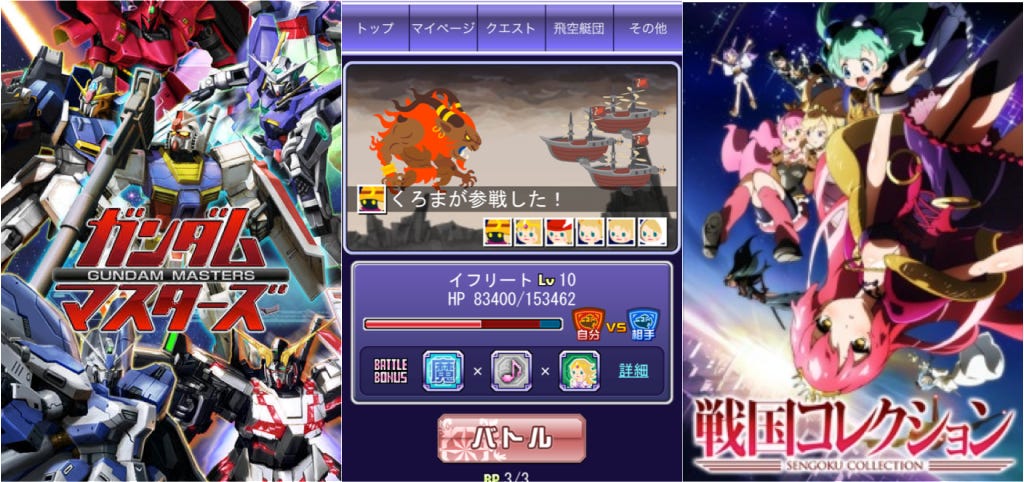
12 Critical Mobile Monetization Concepts: Part 1 of 3
This analysis outlines the foundational principles of mobile game monetization, specifically addressing the disparity between Western development practices and the highly successful models observed in the Japanese market.
- Mobile game monetization requires a scientific approach, as evidenced by Japanese developers like DeNA achieving high average revenue per user (ARPU) figures of approximately $12.
- Successful monetization relies on 'Shop Volume,' which is defined by both the breadth of product categories and the depth of items available for purchase throughout various stages of user progression.
- Developers must design for 'Unlimited Monetization Potential' by creating systems that allow for continuous hard currency spending without disrupting game balance or causing excessive user churn.
GungHo's Stock Price Rollercoaster and Hit-Driven Valuations
GungHo Online Entertainment’s financial performance in mid-2013 highlights the inherent volatility of mobile gaming companies heavily reliant on a single hit title.
- GungHo’s stock price dropped nearly 40% between July 29 and August 9, 2013, despite reporting massive year-over-year growth in net income and sales.
- Approximately 85% of GungHo’s total sales are generated by a single title, Puzzle & Dragons, highlighting a critical dependency on one hit product.
- The poor performance of GungHo’s new title, Freak Tower, which ranked #490 in downloads and #424 in grossing in Japan shortly after release, led investors to doubt the company's ability to replicate its success.

GungHo: The $15 Billion Dollar Gaming Behemoth
GungHo Online Entertainment has emerged as a dominant force in the global mobile gaming industry, reaching a market capitalization of $15 billion by mid-2013.
- GungHo Online Entertainment reached a market capitalization of over $15 billion as of May 2013, driven primarily by the massive success of its mobile title, Puzzle & Dragons.
- Puzzle & Dragons generated approximately $113 million in revenue during April 2013 alone, accounting for more than 90% of GungHo's total revenue.
- SoftBank increased its ownership stake in GungHo from 33.6% to 58.5% through a tender offer, solidifying its position as the majority owner.

Puzzle & Dragons: Japan Cumulative Download Milestone
The puzzle role-playing game Puzzle & Dragons has reached a significant milestone, surpassing 64 million cumulative downloads in Japan.
- Puzzle & Dragons has reached 64 million cumulative unique downloads in Japan since its February 20, 2012, launch.
- The franchise has achieved a total of 22 million international downloads, comprising 16 million in North America and 6 million across Hong Kong, Taiwan, and South Korea.
- GungHo Online Entertainment has maintained the game's market viability for over 14 years through a consistent, long-term user acquisition strategy.
Companies behind it
As the documents state it.