Outer Space Combat
Game
3 documents in the library are about Outer Space Combat, from writers such as DiGRA and Video Games Industry Memo. Each has a summary and key insights with the page they come from.
Connections
Each row is a game or company named alongside Outer Space Combat, each column a document, oldest first. A mark means that document names it. Select a row to see those documents.
Documents about Outer Space Combat
Epistemic Disobedience in Digital Games: Mega Man X8 16-bit Case
The analysis explores how fan-made digital games and modifications, particularly within the Global South, embody "epistemic disobedience" against the hegemonic structures of the global gaming industry.
- The paper frames fan modifications and fangames, such as a 16-bit demake of Mega Man X8, as "epistemic disobedience": creative resistance to the industry's narrow definition of the "ideal gamer" and its profit-driven standards of value.
- Drawing on Walter Mignolo's decolonial theory and Brazil's history of market reserve policies, console cloning, piracy, and gambiarra (creative improvisation under scarce resources), the author treats fan works as both technical and affective achievements.
- The reception analysis examines roughly 40 player reviews of the Mega Man X8 fangame hosted on Sonic Fan Games HQ, which averaged 4.33 stars, with players praising its fluid gameplay and expressing nostalgia.

Let's Get Physical, Physical (Games): 17/07/2025
This document, published on July 17, 2025, examines the niche but persistent market for physical video games in an increasingly digital industry, focusing on the strategy of publisher Lost in Cult.
- Physical media sales are in significant decline, accounting for only 27.7% of new console game sales and 10.4% of total game sales (including PC) in the United Kingdom last year.
- Major publishers are increasingly shifting to digital-only releases, while traditional brick-and-mortar retailers are reducing gaming inventory to prioritize merchandise.
- The transition to digital distribution has raised consumer concerns regarding digital ownership, with many users viewing digital purchases as temporary rentals rather than permanent assets.
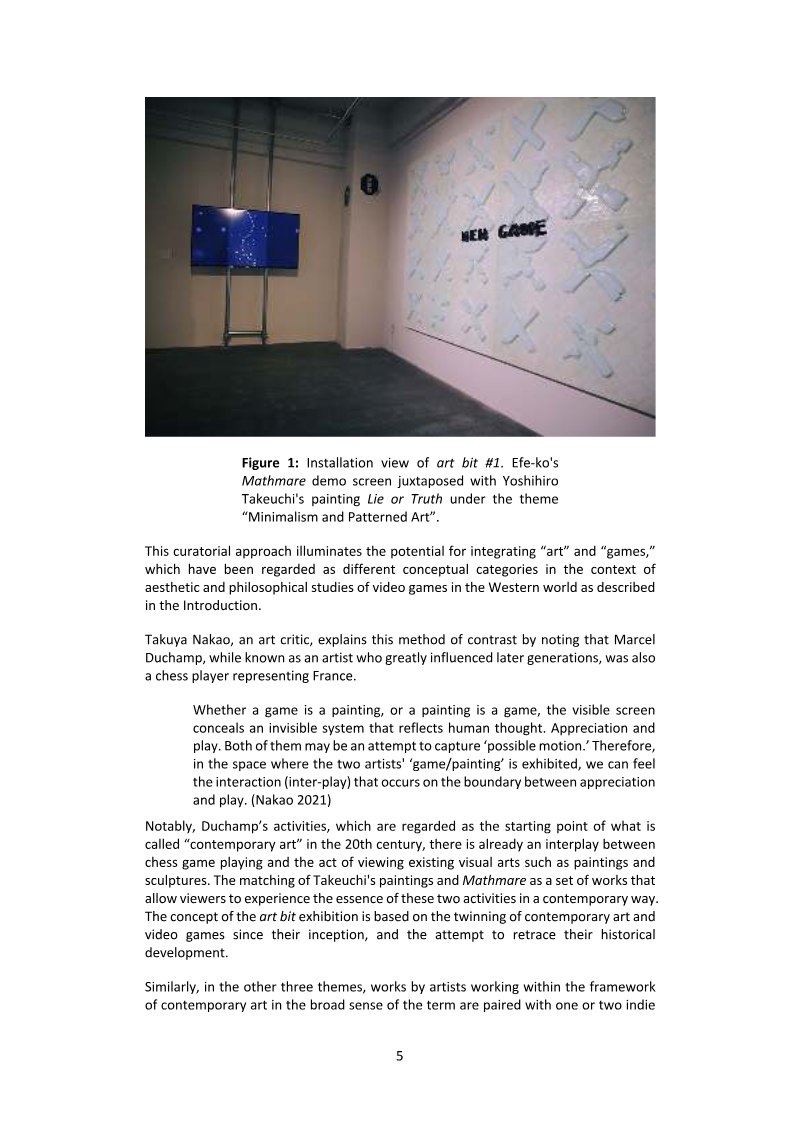
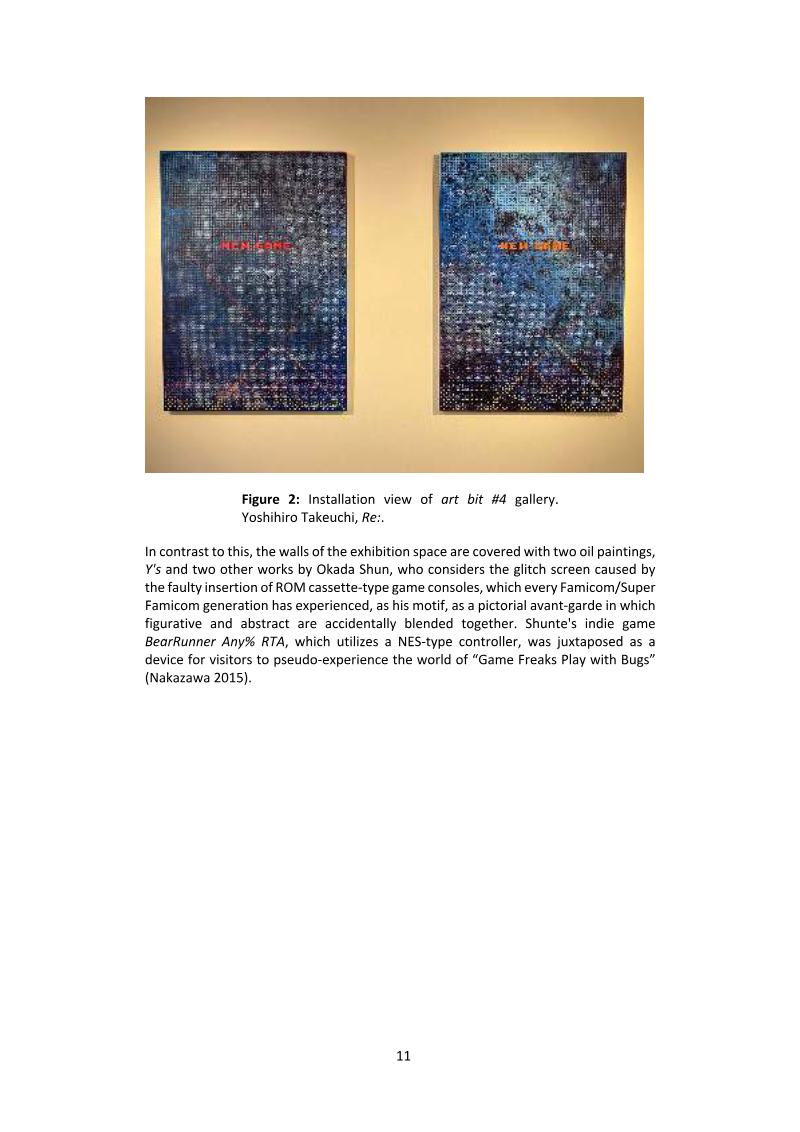
Reframing Art and Games as Historical Twins: art-bit's Curatorial Practices in Japan
"Reframing Art and Games as Historical Twins: art-bit's Curatorial Practices in Japan" examines the "art-bit" exhibition series in Kyoto, which challenges conventional distinctions between contemporary art and video games.
- The paper argues video games and contemporary art are "historical twins" that developed in parallel through the twentieth century along opposite trajectories: art moved from imitation toward principle, while games moved from abstract logical systems toward increasingly comprehensive imitation of the real world.
- Both fields are diagnosed as having exhausted their developmental paths and entering a "post-historical era," which the author uses as the rationale for the art-bit exhibitions at Hotel Anteroom Kyoto (2021–2024), pairing conventional contemporary artists with independent games under shared themes.
- The central comparative claim is that early video games, like classical painting, generate space through abstract computational procedures, contrasted with Western commitments to three-dimensional realism.