
LittleBigPlanet
GameBy Media Molecule · Released Oct 27, 2008
Welcome to LittleBigPlanet – a world of infinite possibilities, where imagination becomes reality and the powers of creation are firmly in your hands.
Connections
Each row is a game or company named alongside LittleBigPlanet, each column a document, oldest first. A mark means that document names it. Select a row to see those documents.
About the game
- Released
- Oct 27, 2008
- Developer
- Media Molecule
- Publisher
- Sony Computer Entertainment
- Genres
- Platform
- Platforms
- PlayStation 3
- Links
- Official site, Wikipedia
Game data from IGDB.com
Documents about LittleBigPlanet
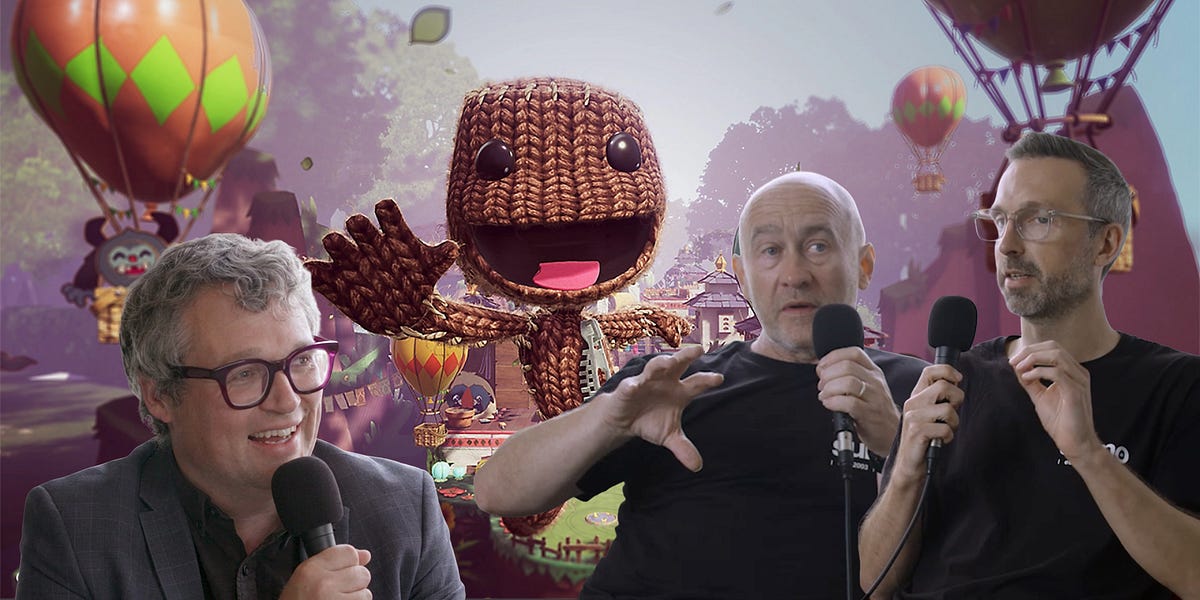
The Survival of Sackboy and Crackdown Developer Sumo Digital
Sumo Digital, a prominent UK-based game developer, has undergone a significant strategic pivot in response to shifting market conditions and reduced investment from major publishers.
- Sumo Digital is pivoting from $50 million AAA projects to $15 million AA-budget games, citing a lack of demand for high-budget requests from major publishers.
- The studio has four to five full games currently in development, including new titles from the teams behind Sackboy and the Texas Chainsaw Massacre, expected to launch within the next two years.
- Approximately 60% of Sumo Digital's work failed to qualify for the UK’s Video Games Expenditure Credit (VGEC) last year, placing the studio at a competitive disadvantage compared to regions like Canada with more accessible tax incentives.

Embracer Acquires Tarsier Studios: Investor Presentation
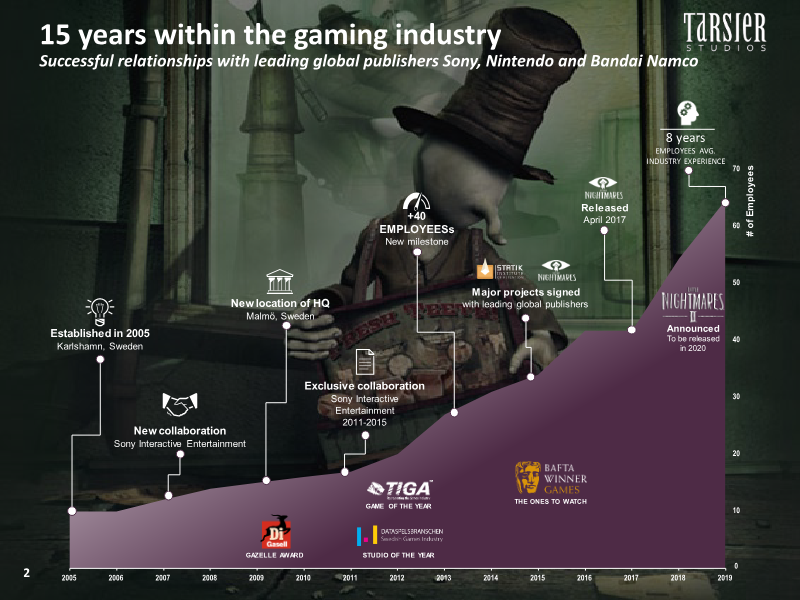
Embracer Group has finalized the acquisition of Tarsier Studios, a Malmö-based developer, to bolster its portfolio of original intellectual properties.
- Embracer Group acquired Tarsier Studios for a total purchase price of SEK 99 million, comprised of SEK 88 million in cash, SEK 11 million in B shares, and a ten-year earnout capped at SEK 44 million.
- Tarsier Studios will operate as an autonomous entity within the Goodbye Kansas Game Invest sub-group, shifting its strategic focus from external work-for-hire to developing and owning original intellectual properties.
- The studio employs over 60 staff members with an average of eight years of industry experience and a track record of developing million-selling titles like Little Nightmares.



Editors of Play: The Scripts and Practices of Co-creativity in Minecraft and LittleBigPlanet
Editors of Play examines how editor games such as Minecraft and LittleBigPlanet blur the boundary between playing and building, positioning them as "co-creative" sandbox experiences that demand new analytical approaches.
- The study's central thesis is that design decisions act as inscribed 'scripts' (drawing on Akrich) that actively structure how players create and cooperate, so understanding participation requires observing play as it unfolds rather than analysing design or text alone.
- A praxeological, media-ethnographic method is proposed as essential for studying 'co-creative' editor games like Minecraft and LittleBigPlanet, because it attends to both designed affordances and how users actually implement them.
- In a workshop of nine participants reconstructing a digital replica of Castle Wahn, LittleBigPlanet's jump'n'run scripts, freely adjustable elements, and rewind-based editing encouraged spontaneous, playful building but often caused frustration.
Retro Evolved: Level Design Practice Exemplified by the Contemporary Retro Game
"Retro Evolved" examines level design practice in contemporary independent "retro" games through a qualitative analysis of selected titles combined with the authors' reflections on their own design work.
Doing It Themselves! A Mixed-Method Study into the Motivations of Players to 'Create' in the Context of Gaming
This study investigates what motivates players to create content within digital games, focusing on two titles promoted as accessible creative experiences: Spore (PC and Mac) and LittleBigPlanet (PS3).
- Players who create content in games tend to be highly engaged: over 81% of survey respondents had used a level editor, and roughly one in five had contributed to game development in some form.
- Challenge was the highest-scoring motivation among respondents, followed by Arousal and a newly introduced Create construct, which correlated strongly with both Challenge and Arousal.
- Players are broadly omnivorous in genre preferences, with first-person shooters, action-adventures, and racing games ranking highest among respondents.