Fire Emblem Heroes
Game
Documents about Fire Emblem Heroes
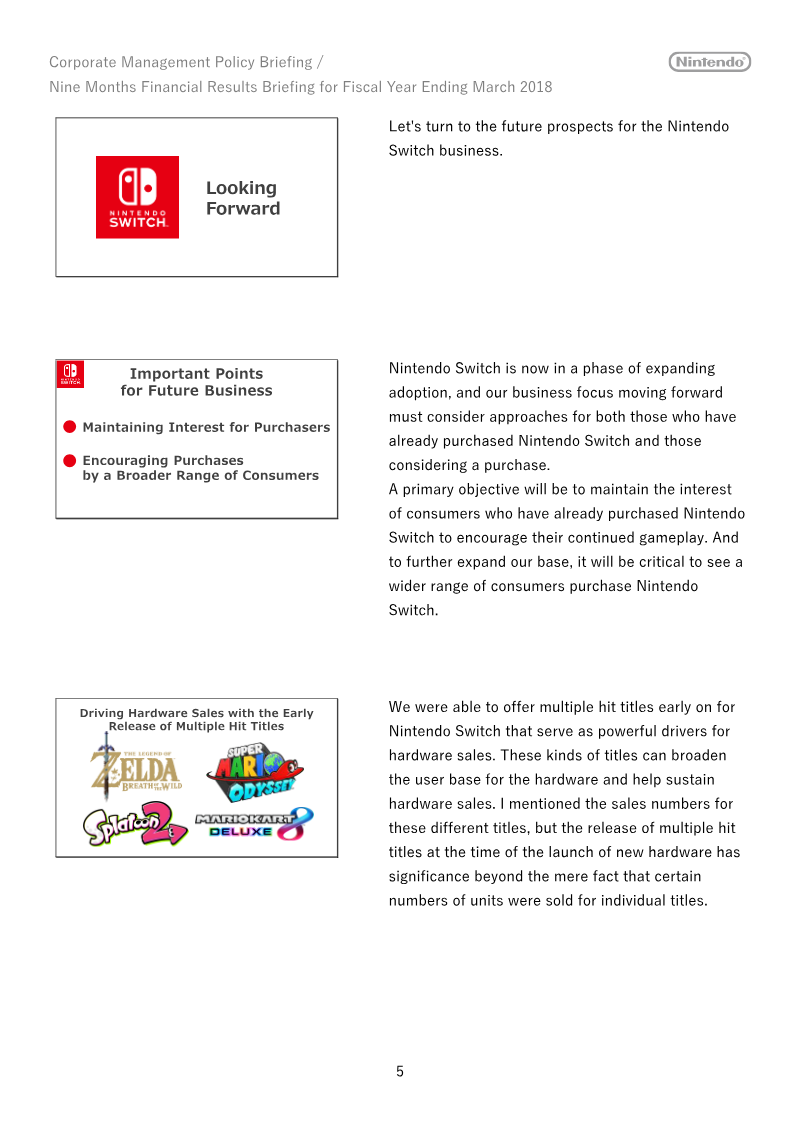
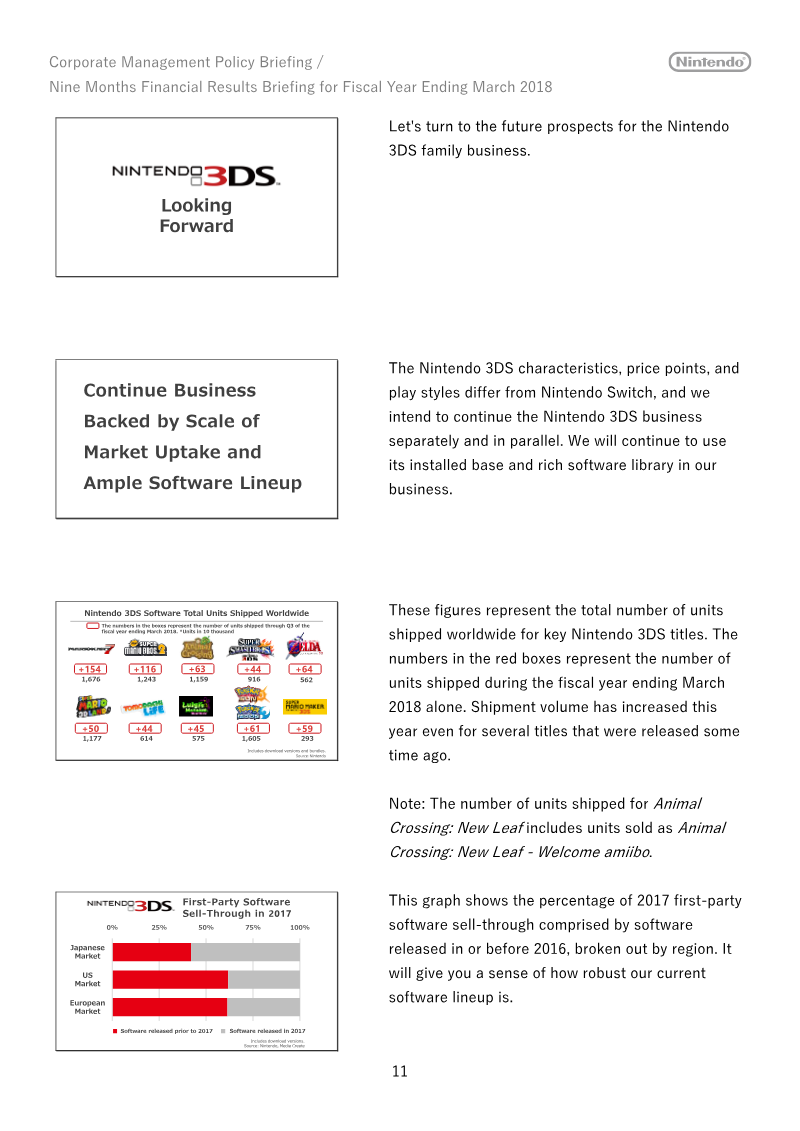
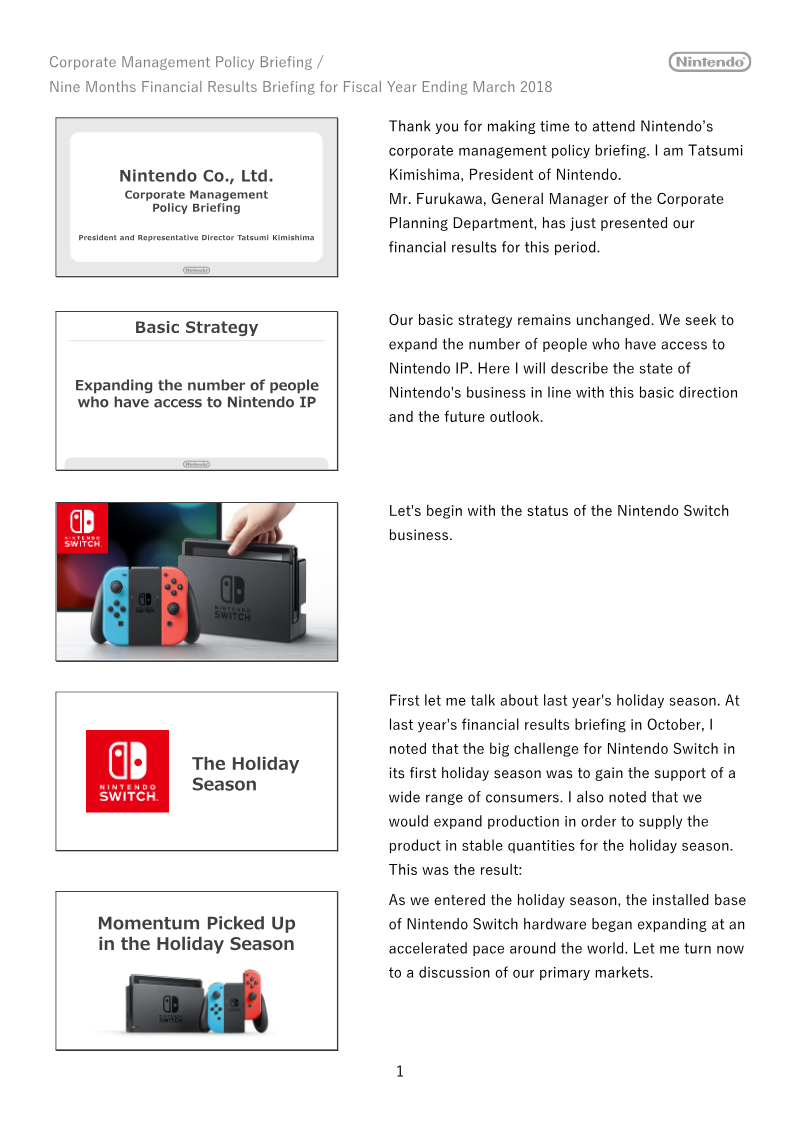
Corporate Management Policy Briefing: Nine Months Financial Results for Fiscal Year Ending March 2018
The corporate management policy briefing for the nine-month period ending March 2018 outlines Nintendo’s strategic focus on expanding the reach of its intellectual property across hardware, software, and smart-device platforms.
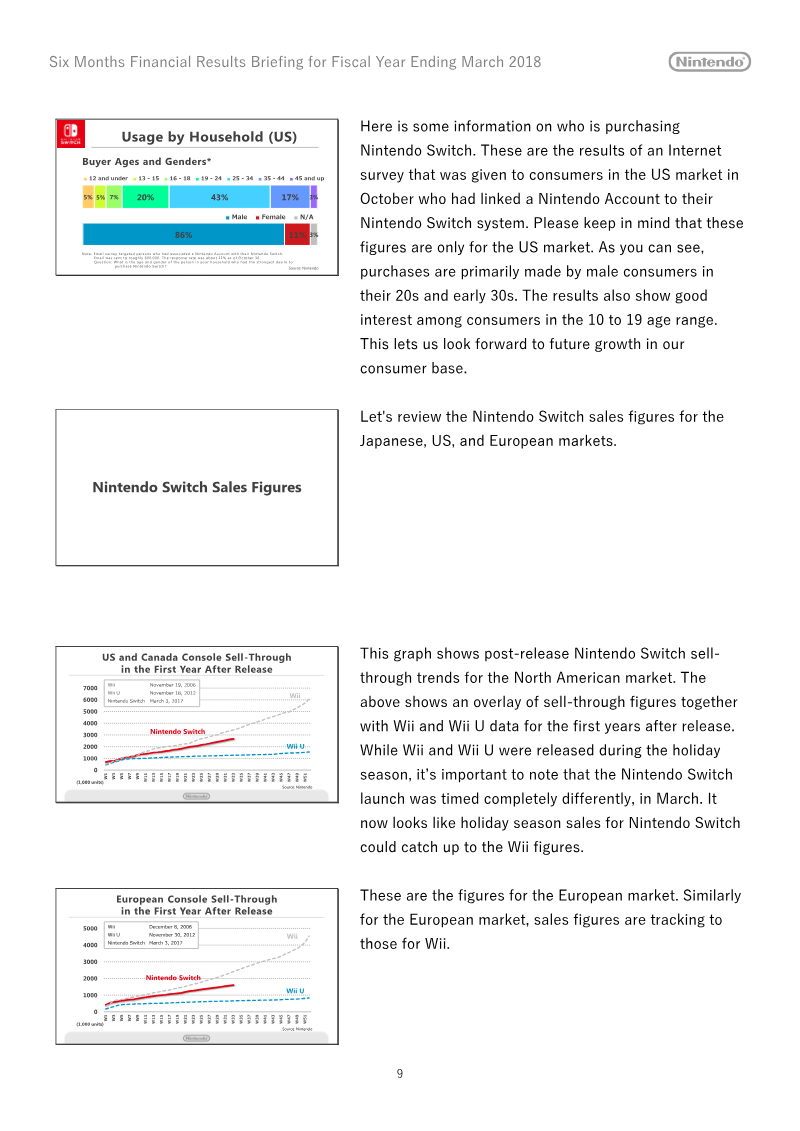
- Nintendo Switch global cumulative sell-through surpassed 13 million units by the end of 2017, with North American sales velocity outpacing the original Wii launch trajectory.
- Three flagship Switch titles—Super Mario Odyssey, Mario Kart 8 Deluxe, and The Legend of Zelda: Breath of the Wild—each exceeded 6 million units in sales, driving high hardware attach rates.
- Nintendo is expanding its platform ecosystem with the scheduled September 2018 launch of Nintendo Switch Online and the introduction of the Nintendo Labo product line.
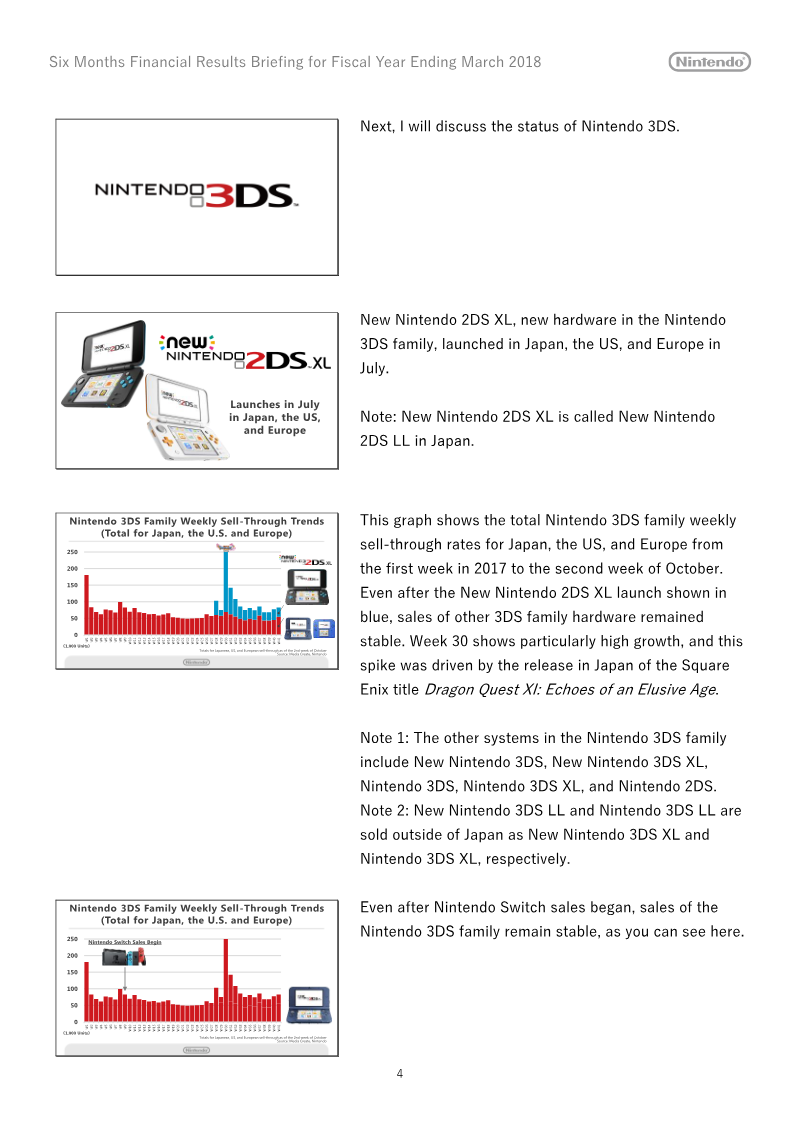
Six Months Financial Results Briefing: Fiscal Year Ending March 2018
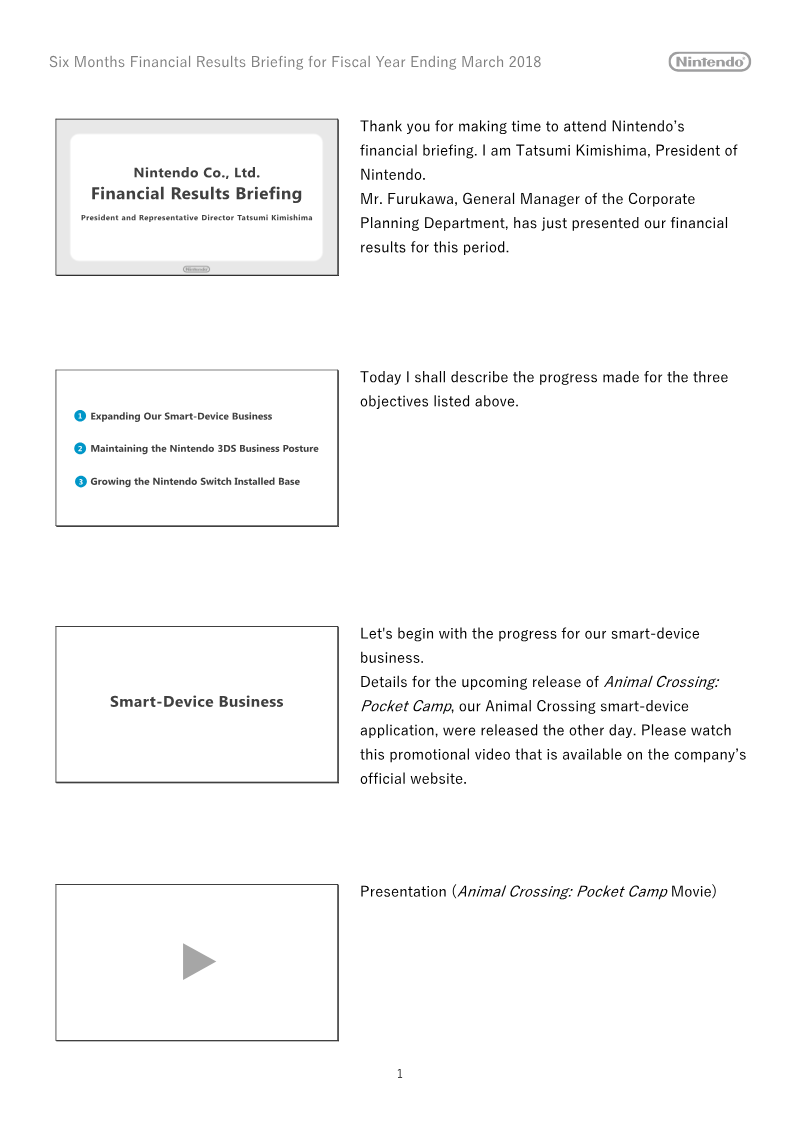
The financial results briefing for the six-month period ending September 2017 outlines Nintendo’s strategic progress across three core pillars: the expansion of its smart-device business, the maintenance of the Nintendo 3DS platform, and the growth of the Nintendo Switch installed base.
- Nintendo revised its fiscal year 2018 hardware sales projection for the Nintendo Switch to 14 million units, targeting a cumulative sell-in of over 16 million units within the console's first year.
- Super Mario Odyssey achieved rapid commercial success, recording over 2 million units in global sell-through within three days of its October 2017 release.
- The smart-device business saw significant engagement, with Super Mario Run reaching 200 million downloads and Fire Emblem Heroes showing increased overseas sales.

How Fire Emblem Heroes Made $100M from 10M Installs
Fire Emblem Heroes demonstrates the immense commercial viability of leveraging established console intellectual property within the mobile gaming sector.
- Fire Emblem Heroes generated $100 million in revenue from 10 million installs, demonstrating the high monetization potential of established Nintendo IP on mobile.
- Approximately 66% of the game's total revenue originated from the Japanese market, highlighting the strong regional appeal of the RPG genre and the franchise.
- The game utilizes a proven gacha-based core loop similar to titles like Brave Frontier and Summoner's War, but differentiates itself through more nuanced, less grind-heavy combat mechanics.
DeNA Q4 FY2016 Operating Results
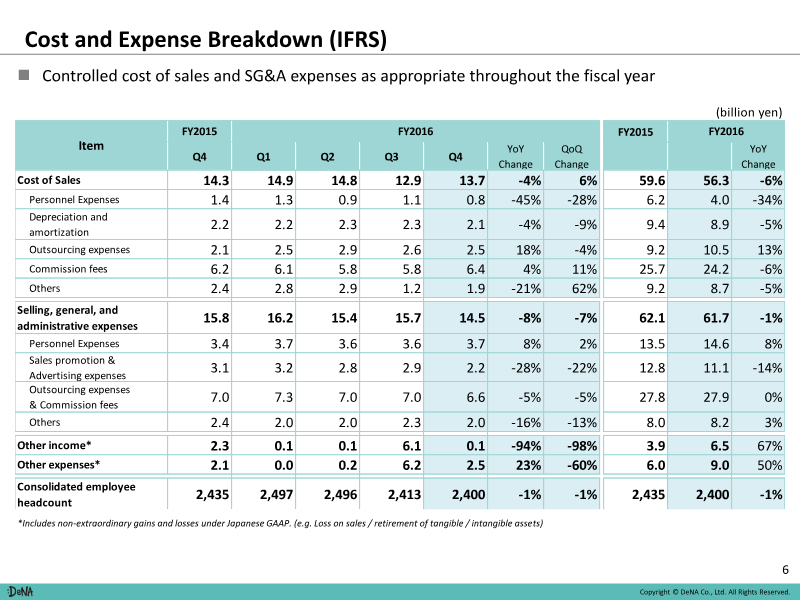
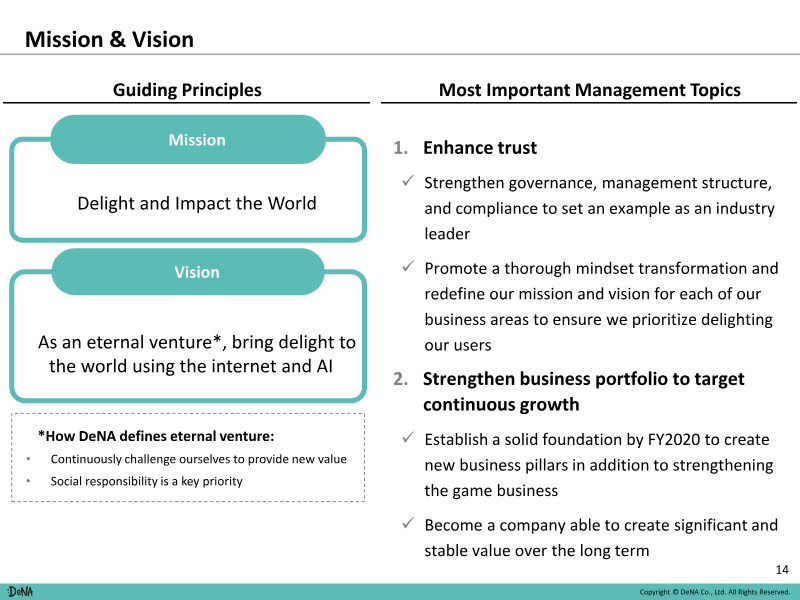
DeNA’s operating results for the fiscal year 2016 demonstrate a period of financial growth and strategic transition.
- DeNA reported an annual operating profit of 23.2 billion yen for FY2016, a 17% year-over-year increase, alongside total revenue of 143.8 billion yen.
- Profit attributable to owners of the parent surged to 30.8 billion yen from 11.3 billion yen in FY2015, largely due to tax benefits and refunds related to international operations.
- The core game business achieved a 9% increase in segment profit to 28.3 billion yen despite a 7% decline in total revenue, driven by efficiencies and collaborations with Nintendo on titles like Fire Emblem Heroes and Super Mario Run.
Top Mobile Games of Q1 2017: Revenue Grew 53% YoY as Asian Titles Expanded Their Dominance
The mobile gaming industry experienced significant growth in the first quarter of 2017, characterized by a 53 percent year-over-year increase in worldwide gross revenue, which reached approximately $11.9 billion.
- Worldwide mobile game revenue reached $11.9 billion in Q1 2017, marking a 53% year-over-year increase from $7.8 billion in Q1 2016.
- Google Play games revenue grew by 83% year-over-year to approximately $5.3 billion, while App Store games revenue grew 35% to $6.6 billion.
- Mobile games remain the primary monetization driver, accounting for nearly 80% of App Store gross revenue and over 91% of Google Play gross revenue.
Corporate Management Policy Briefing: Nine Months Financial Results for Fiscal Year Ending March 2017
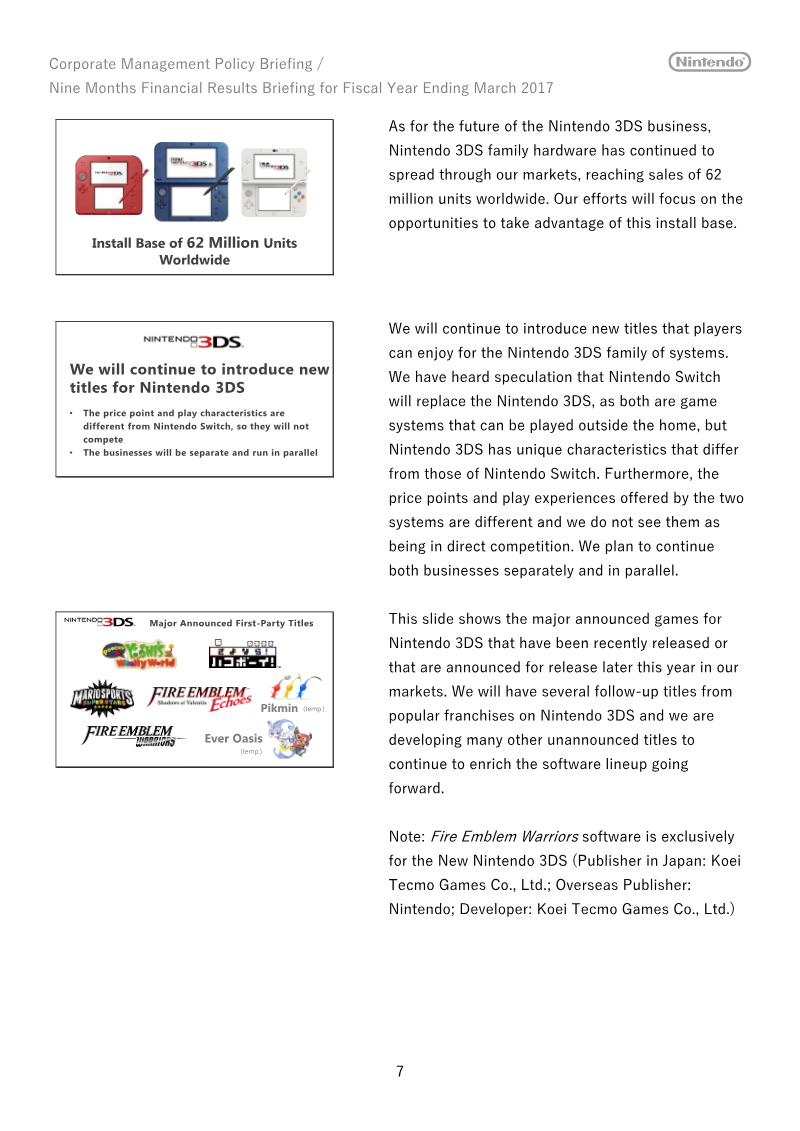
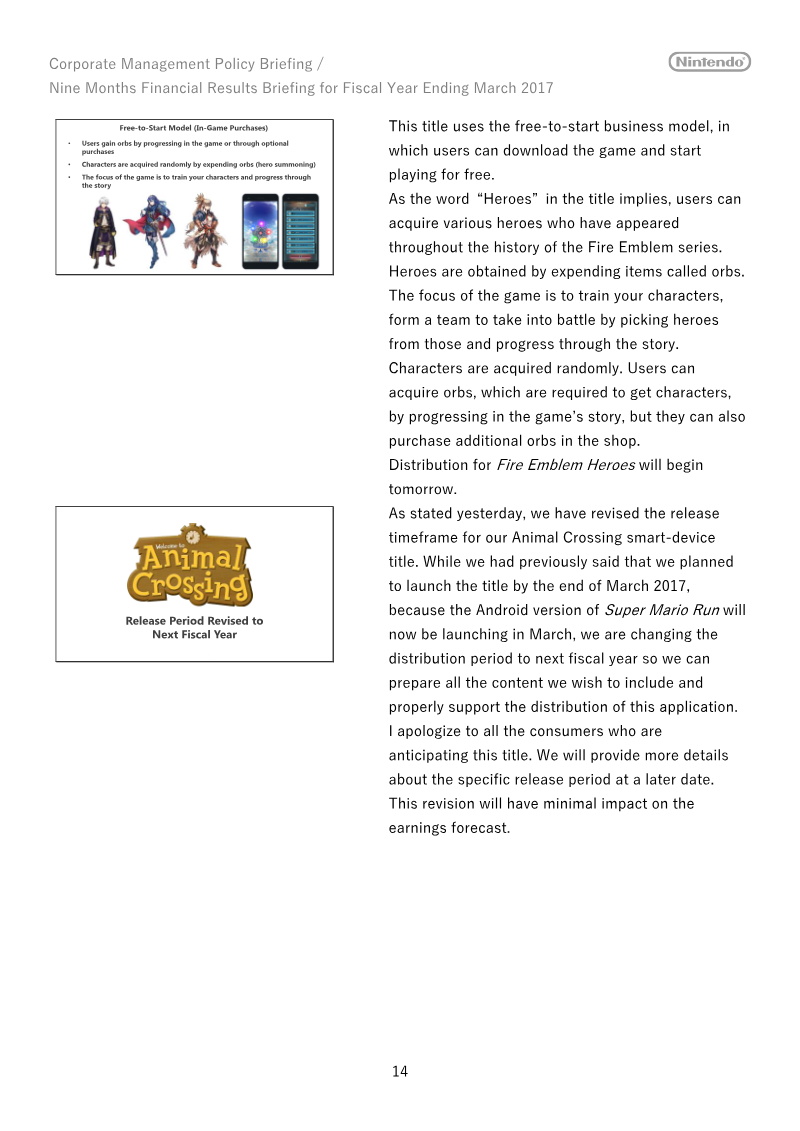
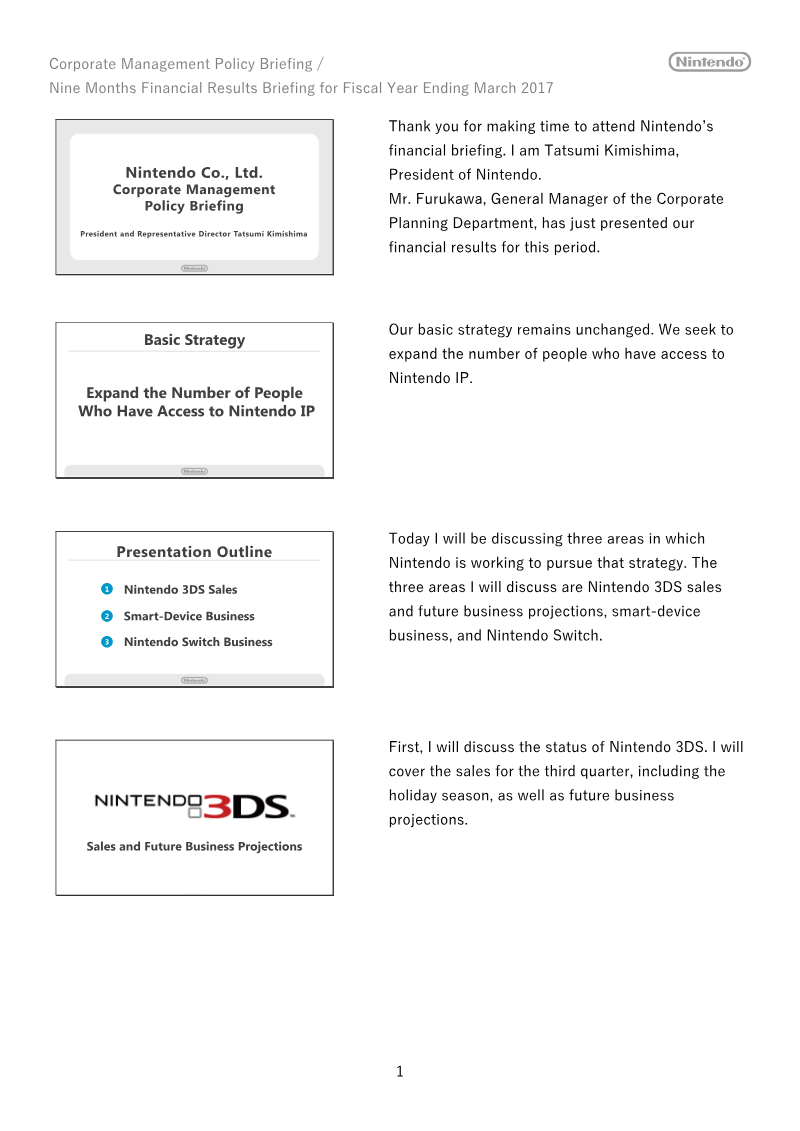
Nintendo’s fiscal strategy for the nine months ending March 2017 centers on a dual-platform approach, leveraging the established success of the 3DS while aggressively transitioning into the Nintendo Switch era.
Companies behind it
As the documents state it.