Daxter
Game
3 documents in the library are about Daxter, from writers such as The Game Business. Each has a summary and key insights with the page they come from.
Connections
Each row is a game or company named alongside Daxter, each column a document, oldest first. A mark means that document names it. Select a row to see those documents.
Documents about Daxter

Seven Things You Probably Didn't Know About Naughty Dog Co-founder Jason Rubin
Jason Rubin’s career trajectory serves as a foundational case study in the evolution of the North American video game industry from the 1980s through the modern era of virtual reality and artificial intelligence.
- Jason Rubin co-founded Naughty Dog and, with Andy Gavin, developed early games like "Ski Crazed" and "Dream Zone" before creating "Crash Bandicoot," which became a major PlayStation IP in 1996, competing with Mario and Sonic.
- Sony acquired Naughty Dog in 2001, and the studio released the critically and commercially successful "Jak and Daxter" series on PS2, with Naughty Dog sharing their efficient environment instancing system with Insomniac Games for "Ratchet and Clank."
- Rubin and Gavin left Naughty Dog in 2004, and Rubin later worked at Meta (formerly Oculus) in various senior roles, leaving in 2026 as the company shifted away from VR, a move that didn't align with his personal passions.

“It was amazing to have PlayStation behind us”
Innovation and team culture serve as the primary drivers of success in the gaming industry, outweighing the influence of rigid business models or hardware specifications.
- The gaming industry should shift from a AAA-focused model toward a double-A development approach, prioritizing small, agile teams to foster innovation and creative ownership.
- Studio closures are frequently caused by a misalignment between a team's creative identity and the shifting strategic demands of large corporate partners like PlayStation and Meta.
- The industry's reliance on hire-fire staffing models and commoditized development cycles is actively undermining the collaborative environments required for long-term stability and genuine innovation.
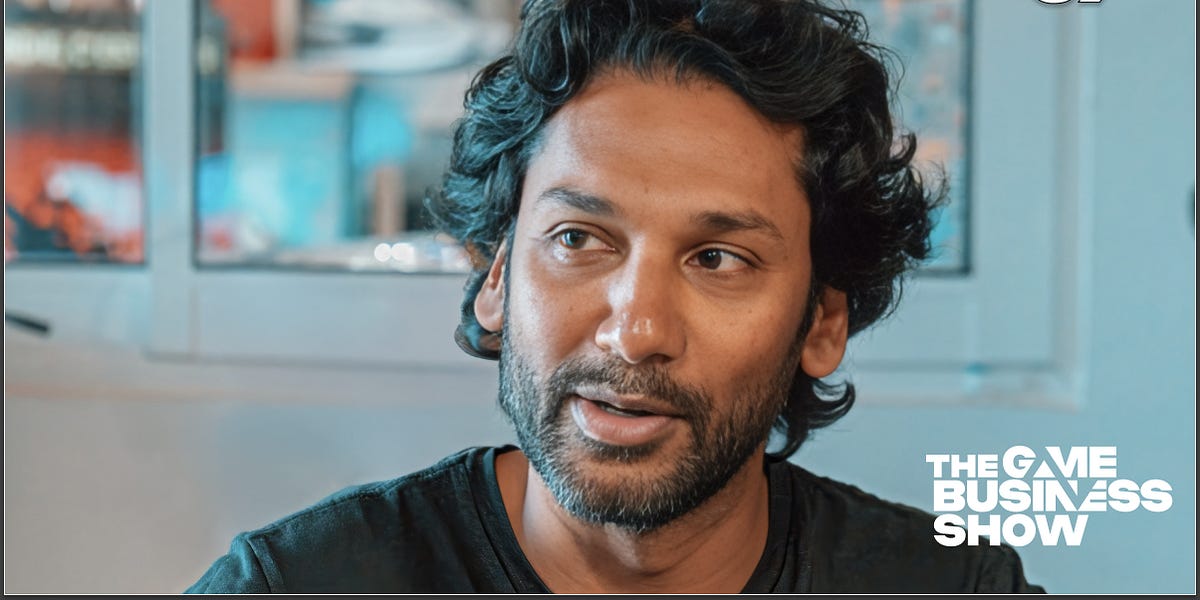
Ru Weerasuriya Looks Back at Ready at Dawn’s History and Discusses His New Studio: Atlantis
Ru Weerasuriya, co-founder of the former studio Ready at Dawn, reflects on his career trajectory, the closure of his previous company under Meta, and the launch of his new venture, Atlantis Studio.
- Ru Weerasuriya, co-founder of Ready at Dawn, argues that the VR industry is currently failing to innovate because developers are prioritizing short-term player demands over pushing the boundaries of what the technology can achieve.
- Ready at Dawn was acquired by Meta in 2020 to focus on long-term VR innovation, but the studio was shut down four years later due to a lack of alignment between the studio's creative DNA and Meta’s shifting strategic priorities.
- Development of the 2015 title 'The Order: 1886' was constrained by a three-and-a-half-year development cycle, leading to the removal of 30% of the game's content and the cancellation of a functional multiplayer mode to meet release deadlines.
Companies behind it

As the documents state it.