Chants of Sennaar
Game
Documents about Chants of Sennaar
Constructing Civilizations: A Multimodal Critical Discourse Analysis of Fictional Languages in Chants of Sennaar
This study applies Multimodal Critical Discourse Analysis to the five fictional languages of Chants of Sennaar, a 2023 language-puzzle game, asking how the languages convey meaning through cross-modal cues and how they construct and naturalize ideological positions and power relations within the game's civilizations.
- The study applies Multimodal Critical Discourse Analysis to the five fictional languages of Chants of Sennaar, a 2023 language-puzzle game, arguing that its linguistic systems shape how players understand the cultures they encounter rather than serving only as puzzles.
- Using the Bardic system as its representative case, the analysis finds that observation is the primary decoding pathway, with designers layering visual, verbal, and spatial cues, while analogy becomes dominant as linguistic complexity rises, with undeciphered inscriptions mirroring decoded counterparts.
- Two discursive mechanisms construct cultural ideology in the game: labeling, which attributes fixed characteristics to groups (linking Bards with beauty, Warriors with violence, and slaves with intellectual inferiority), and orientational metaphors, in which verticality maps onto social value.
Post-optimism: Chants of Sennaar, Norco and the Problem of Optimism in Environmental and Ecogames Gamestudies
Ecogame scholarship has increasingly embraced an optimistic stance, one that treats games as tools for environmental change and frames climate futures in hopeful terms.
- The article argues that optimism in environmental game studies rests on unsupported assumptions about player behavior and risks functioning as greenwashing that benefits the games industry while leaving companies unaccountable for their own energy use.
- The author contends the climate crisis is already underway rather than a future threat, drawing on IPCC assessments and climate migration research, and that scholarship and game design should respond to present realities rather than promises of a redeemed future.
- Chants of Sennaar is praised for addressing cross-cultural communication and climate-driven migration, but its seamless resolution of social integration is judged overly utopian and ethically questionable to promote.
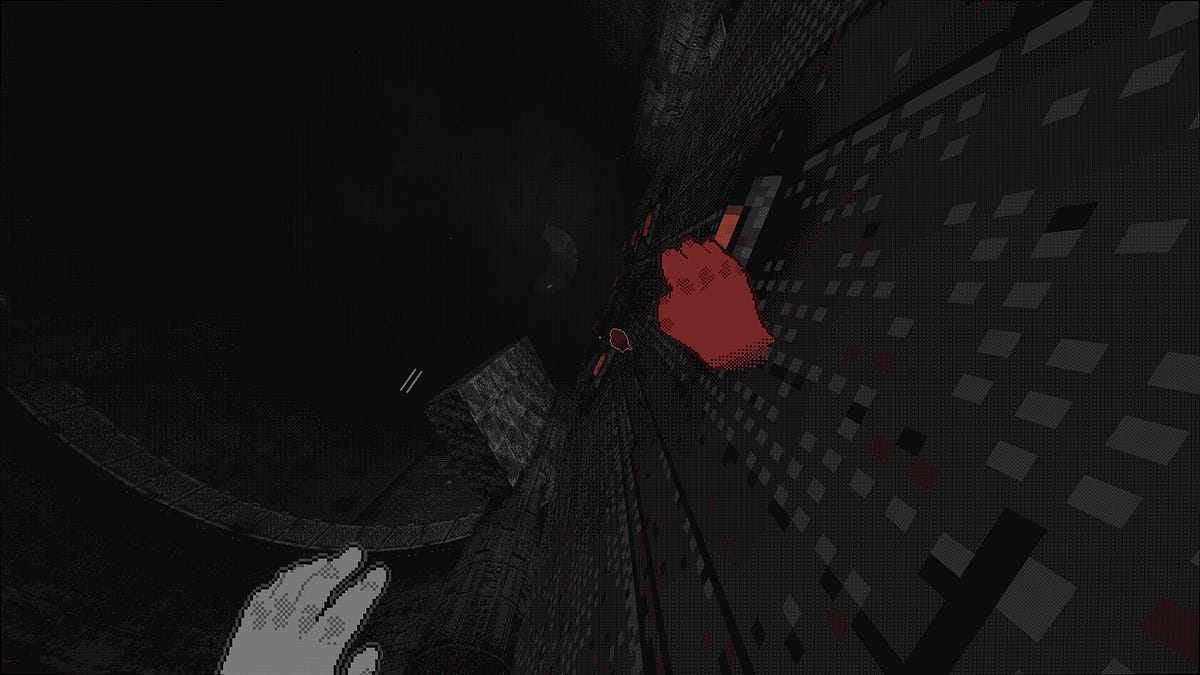
How to Get Your First 1,000 Players: White Knuckle Edition
The primary objective of this analysis is to identify effective strategies for indie game developers to secure their initial 1,000 players and build sustainable community momentum.
- The primary goal for indie developers is to secure enough pre-launch wishlists to trigger Steam’s 'New & Trending' algorithm, which initiates a self-sustaining cycle of organic growth.
- Boutique industry events are high-impact acquisition channels; for example, the horror game White Knuckle gained nearly 1,000 wishlists and demo downloads through placement in the Indie Horror Showcase.
- Algorithmic visibility on Steam acts as a catalyst for high-profile content creator coverage, which significantly amplifies reach, as demonstrated by Markiplier’s impact on White Knuckle.
Plus: Which Recent PC Games Have the Most 'Staying Power'?
This analysis examines the retention and market performance of PC and console games, with a primary focus on Steam launches from September 2023.
- Games-as-a-Service (GaaS) sports titles like EA Sports FC and NBA 2K exhibit the highest retention, maintaining 0.64x to 0.66x of their peak concurrent user (CCU) counts.
- Most premium 'play once' games suffer rapid player decay, frequently dropping below 100 CCU shortly after their initial launch.
- Lies of P demonstrated strong single-player retention by holding 20% of its peak CCU six weeks post-launch, while Payday 3 struggled significantly, retaining only 4% of its peak.
A Puzzle Game Where You Decipher Languages
Chants of Sennaar is a point-and-click adventure game that centers on the innovative mechanic of deciphering fictional languages.
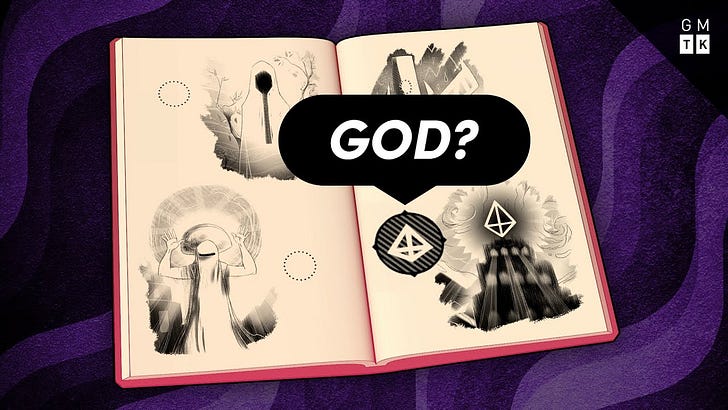
- Chants of Sennaar centers on a core gameplay loop of deciphering fictional languages through context clues and a built-in vocabulary database.
- The game prevents brute-force guessing by requiring players to validate their translations through a notebook system that matches symbols to visual representations.
- The experience is structured into distinct levels, each featuring a unique language limited to approximately 30 words to maintain accessibility and prevent player overwhelm.