BeamNG.drive
GameBy BeamNG
4 documents in the library are about BeamNG.drive, from writers such as GameDiscoverCo and Game Maker's Toolkit. Each has a summary and key insights with the page they come from.
Connections
The documents about BeamNG.drive on the inner ring, the other games and companies they name on the outer one. Select a cover to see it up close and open it in a new tab; drag to move, pinch or Ctrl + scroll to zoom.
On Steam
Steam estimates as of 9 Oct 2026. Revenue is premium revenue on Steam only: game sales, without DLC.
- Revenue to date
- $157.0M
- Units sold
- 8.3M
- Last 12 months
- $26.1M
- 1.4M units
- Price
- $24.99
- Positive reviews
- 97%
- of 422K reviews
- Peak players
- 31K
- at the same time
- Followers
- 489K
- Average playtime
- 102 h
| Year | Share of the best year | Revenue | Units |
|---|---|---|---|
| 2019 | $6.5M | 340K | |
| 2020 | $10.0M | 517K | |
| 2021 | $14.7M | 864K | |
| 2022 | $16.9M | 878K | |
| 2023 | $22.0M | 1.1M | |
| 2024 | $25.1M | 1.3M | |
| 2025 | $24.1M | 1.2M | |
| 2026 so far | $19.6M | 1.0M |
On Steam since May 29, 2015 · Developer BeamNGSteam store page
Documents about BeamNG.drive
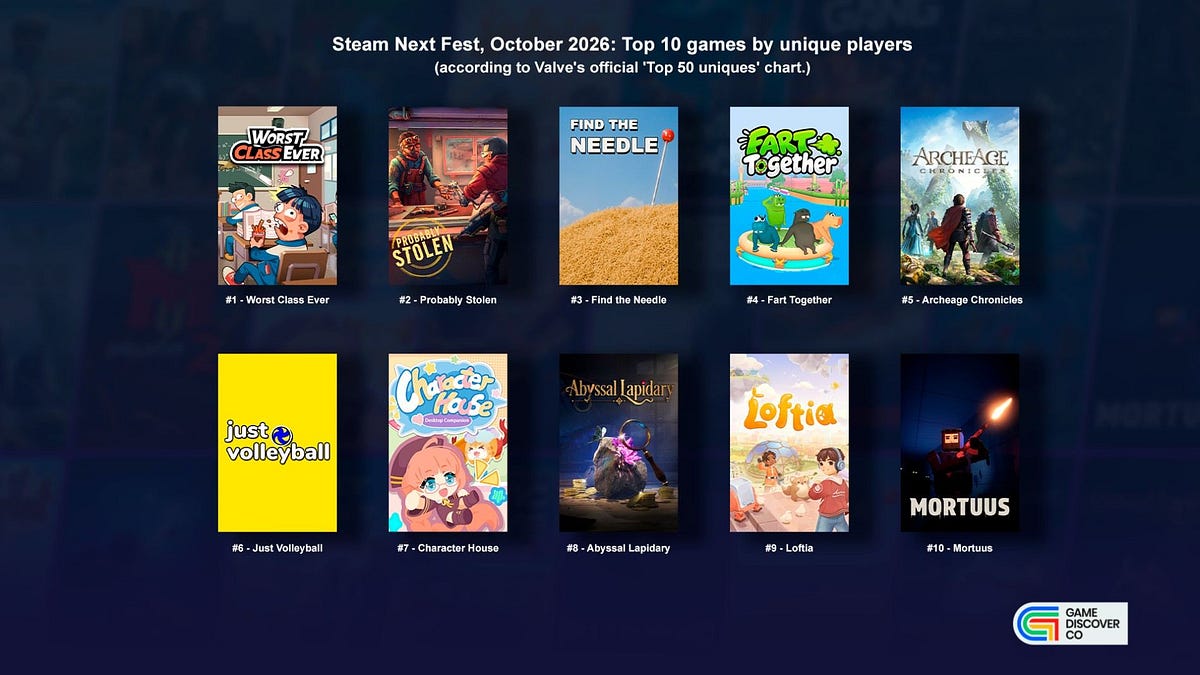
Who Won October 2026’s Steam Next Fest?
The October 2026 Steam Next Fest analysis evaluates the performance of game demos during the event, concluding that the festival functions primarily as a hype amplifier for titles with existing momentum rather than a primary source of discovery.
- The October 2026 Steam Next Fest saw a 66.6% surge in demo volume to over 7,300 titles, yet the median wishlist increase for top-tier games dropped 44% compared to the June 2026 event.
- Performance metrics for Next Fest participants declined significantly, with a game in the top 10% of performers adding only 63 followers, a 48% decrease from June 2026 and a 64% drop from October 2025.
- Steam Next Fest is increasingly functioning as a hype amplifier for games with established pre-event momentum rather than an originator of new interest, as evidenced by top-performing titles like 'Ebbtide' and 'Probably Stolen'.
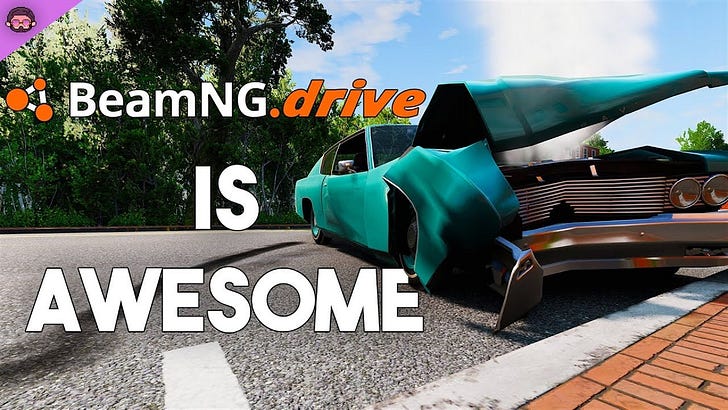
BeamNG.drive: The Biggest Driving Game Hit Nobody Analyzes?
The analysis examines the sustained success of the vehicle simulation title BeamNG.drive, positioning it as a significant yet under-analyzed evergreen hit in the PC gaming market.
- BeamNG.drive has achieved an estimated $200 million in lifetime gross Steam revenue with over 10 million copies sold, including 1.3 million copies sold in the last 12 months alone.
- The game's success is driven by its 'soft-body physics' engine, which serves as both a consumer-facing vehicle simulator and an enterprise-grade tool for autonomous driving research via BeamNG.Tech.
- Community-driven User Generated Content (UGC) and modding are critical to the game's longevity, with third-party platforms hosting extensive libraries of real-world vehicle models that expand the game's appeal beyond its base offerings.
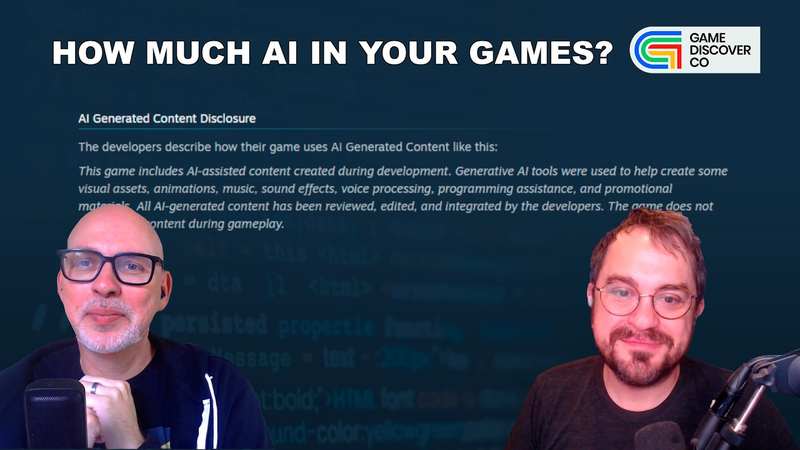
How much AI do players want in their games?
Steam’s refund policy remains a cornerstone of consumer confidence in the PC gaming market, effectively balancing developer risk with player protection despite the volatility inherent in early-access releases.
- A GameDiscoverCo survey indicates that player sentiment toward AI in games is highly divisive, with approximately 43% of respondents expressing openness to AI usage while roughly 31% hold negative views.
- Steam is actively vetting games for AI content, occasionally identifying AI-generated assets in titles where developers were unaware their subcontractors had used such tools.
- Apple Arcade has shifted its strategy to commissioning only 10 to 12 games per year, a significant reduction from its initial launch phase which featured $500 million in 100% commission-based titles.

How Games Do Destruction
Dynamic destruction in video games is a complex technical challenge that requires developers to balance realistic physics with performance constraints.
- Modern game design is shifting from pre-canned animations to real-time, procedural destruction to enhance player agency, allowing for emergent gameplay like creating new paths or altering tactical lines of sight.
- Developers balance performance constraints by using asset swapping, as seen in Control and Battlefield: Bad Company 2, or real-time mesh slicing, utilized in Astro Bot and Rainbow Six: Siege.
- High-fidelity, free-form destruction is achieved through voxel-based systems, such as those in Teardown, which treat environments as clusters of independently removable blocks.