1 free read left. Create a free account for unlimited reading + AI research.
Create free accountWhitepaper International Journal of Serious Games
1 free read left. Create a free account for unlimited reading + AI research.
Create free accountWhitepaperInternational Journal of Serious Games
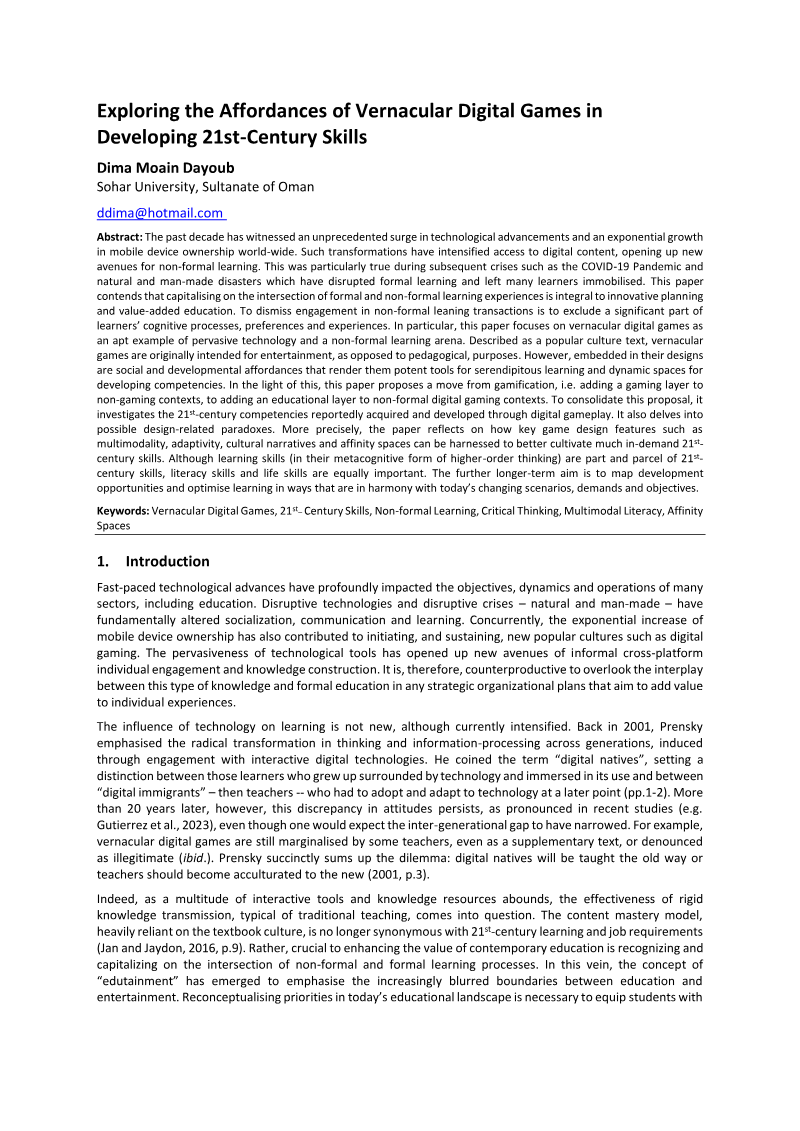
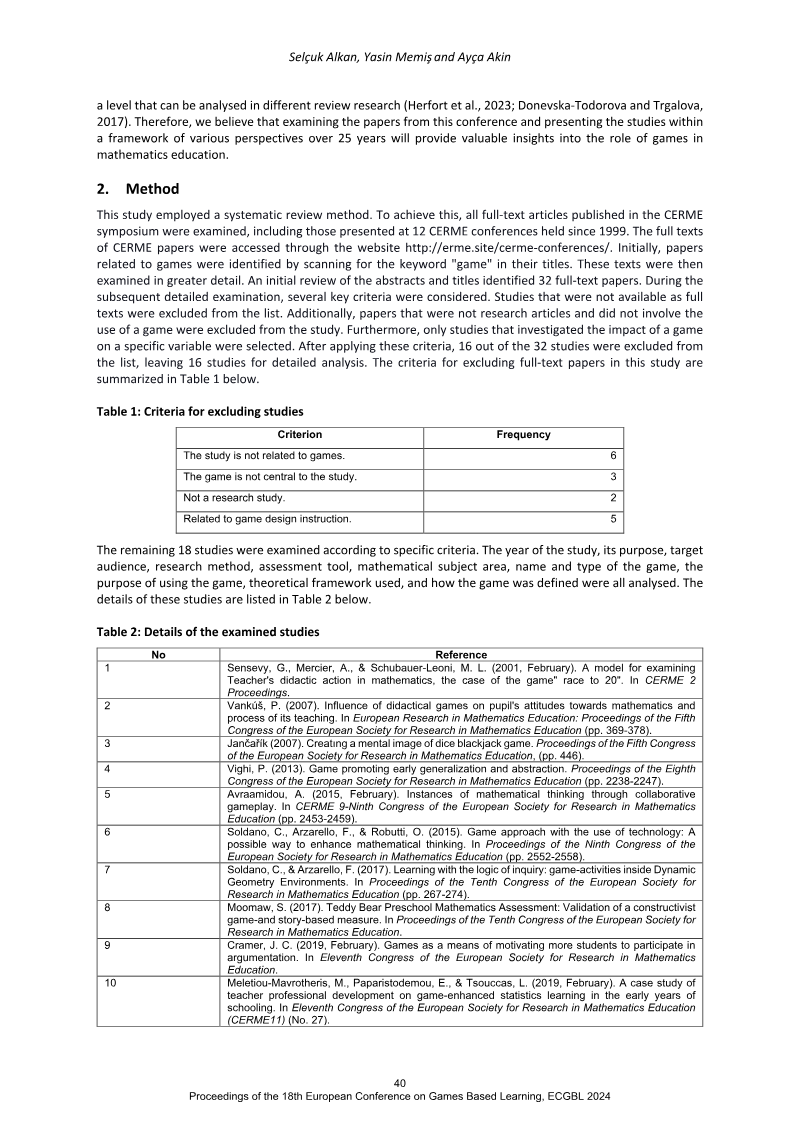
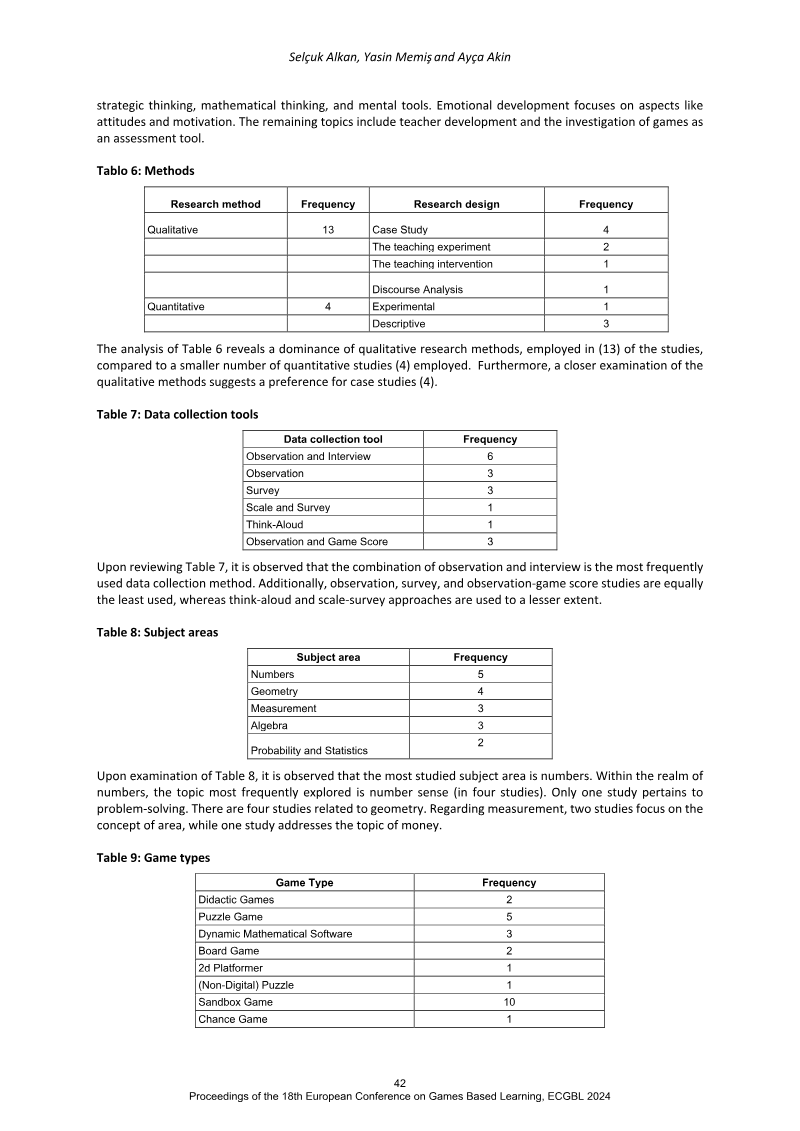
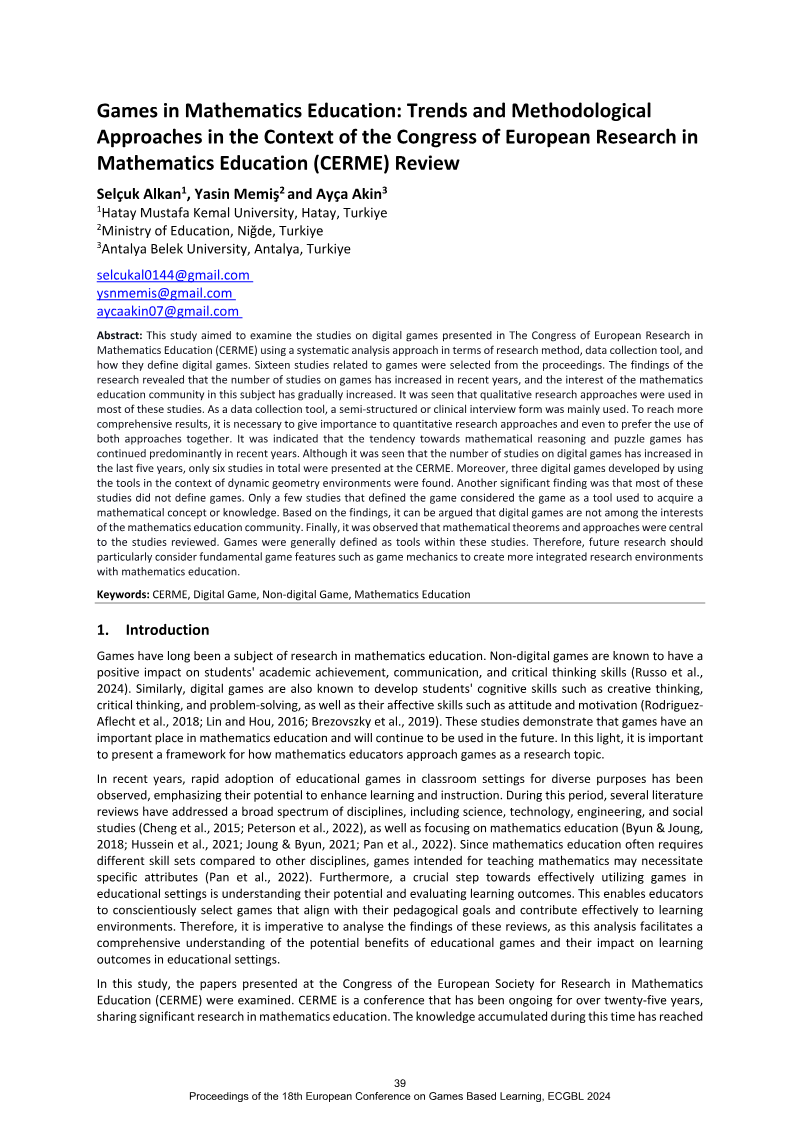
Wuzzit Trouble, a digital math game, significantly improves number sense among third-grade students. It is more effective than traditional procedural memorization.
Digital games designed with intentional mathematical constraints significantly enhance number sense among third-grade students. By requiring players to engage in iterative cycles of trial, verification, and revision, the game Wuzzit Trouble fosters a deeper understanding of number composition and decomposition than traditional procedural memorization. This approach effectively closes performance gaps, enabling students to apply mathematical proficiency to novel and unconventional problem-solving tasks that extend beyond standard classroom exercises.
The game functions as a low-floor, high-ceiling environment that encourages a growth mindset by providing a low-risk space for mathematical experimentation. By managing multiple constraints simultaneously, students develop cognitive strategies that facilitate the transfer of mathematical skills to broader academic contexts. These findings suggest that digital tools, when properly integrated, serve as powerful catalysts for developing foundational numeracy and flexible thinking in young learners.
While the evidence indicates that these mechanics successfully promote mathematical proficiency, the current scope of research remains constrained by a small, non-diverse sample size and a lack of direct classroom-based observational data. Future investigations are necessary to isolate the specific game mechanics that drive these learning outcomes and to determine how such digital interventions function when embedded within broader, multi-faceted classroom curricula. Addressing these limitations will be essential to validating the scalability and long-term efficacy of digital game-based learning in diverse educational settings.
International Journal of Serious Games · 2023
International Journal of Serious Games · 2022
International Journal of Serious Games · 2020
International Journal of Serious Games · 2020
International Journal of Serious Games · 2020



International Journal of Serious Games · 2020
International Journal of Serious Games · 2020
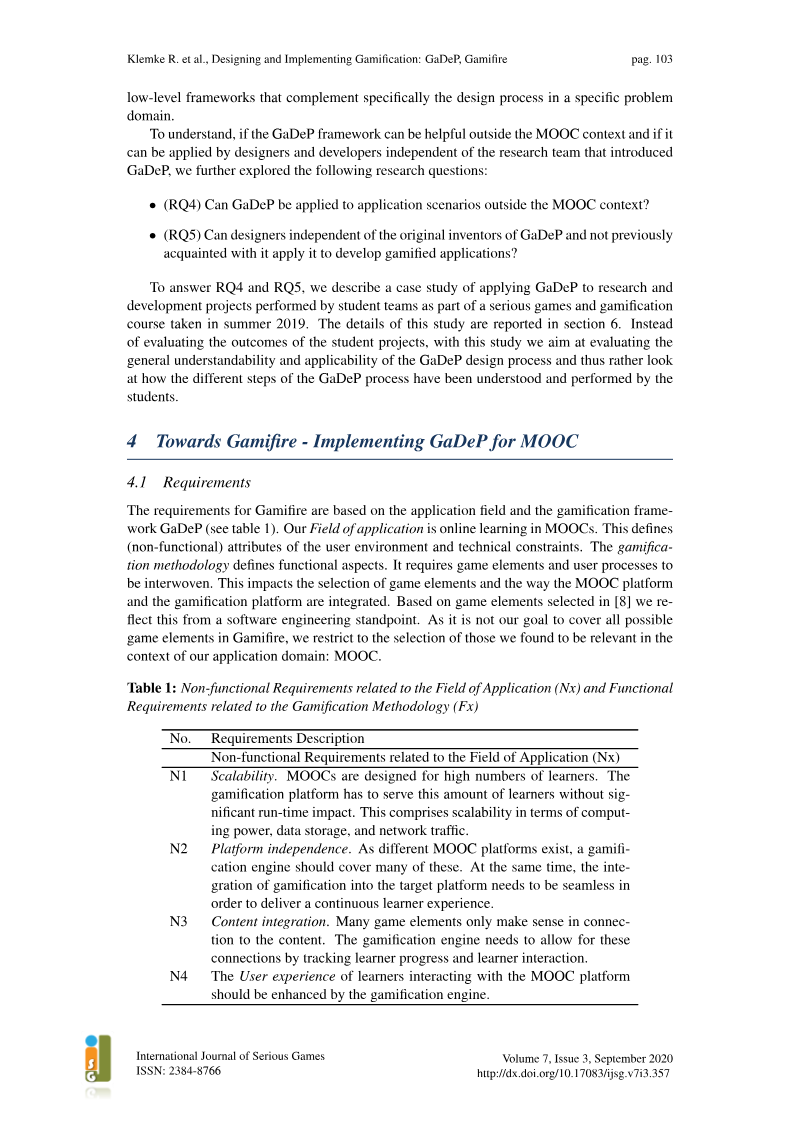
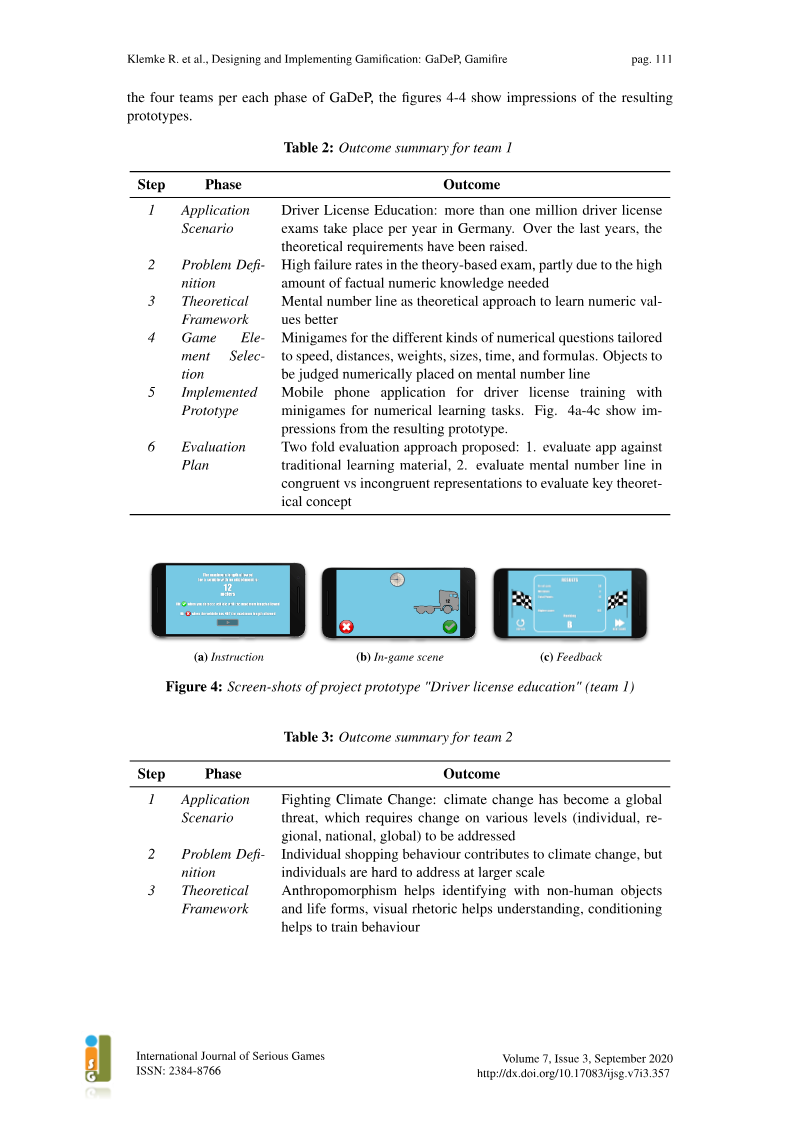
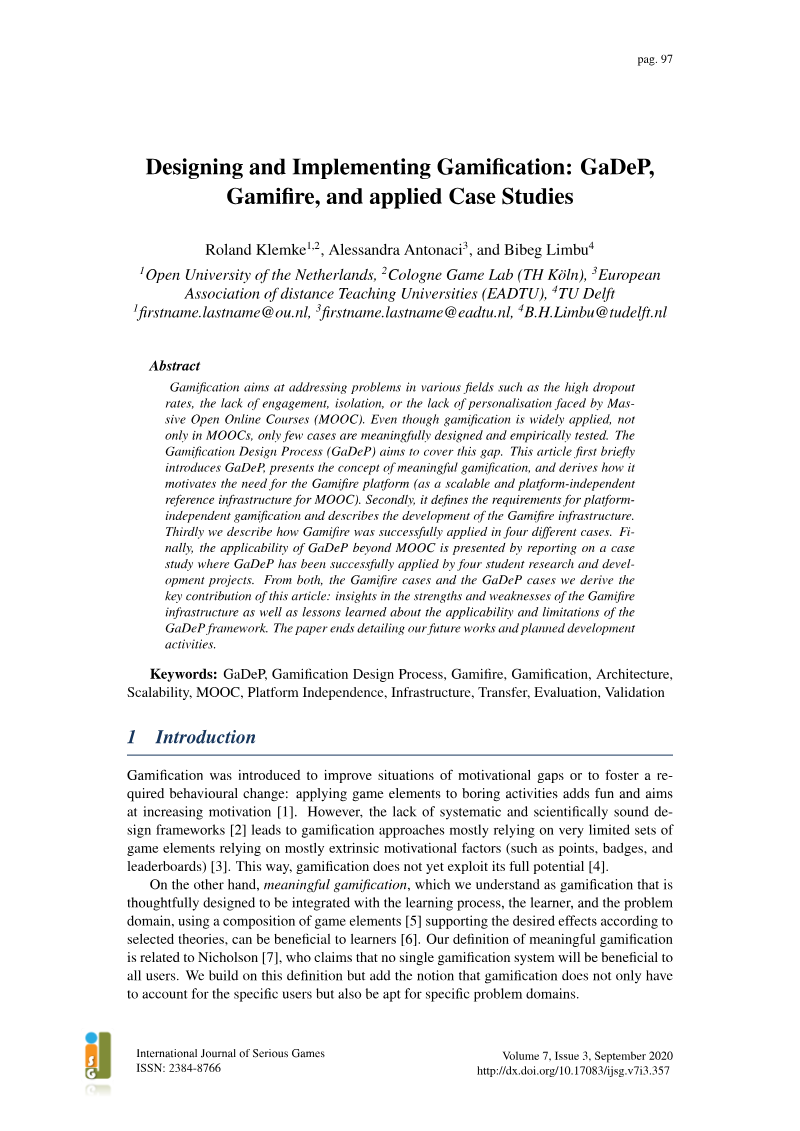
International Journal of Serious Games · 2020
International Journal of Serious Games · 2020
International Journal of Serious Games · 2020
International Journal of Serious Games · 2020
Air Force Institute of Technology · 2020
International Journal of Role-Playing · 2015